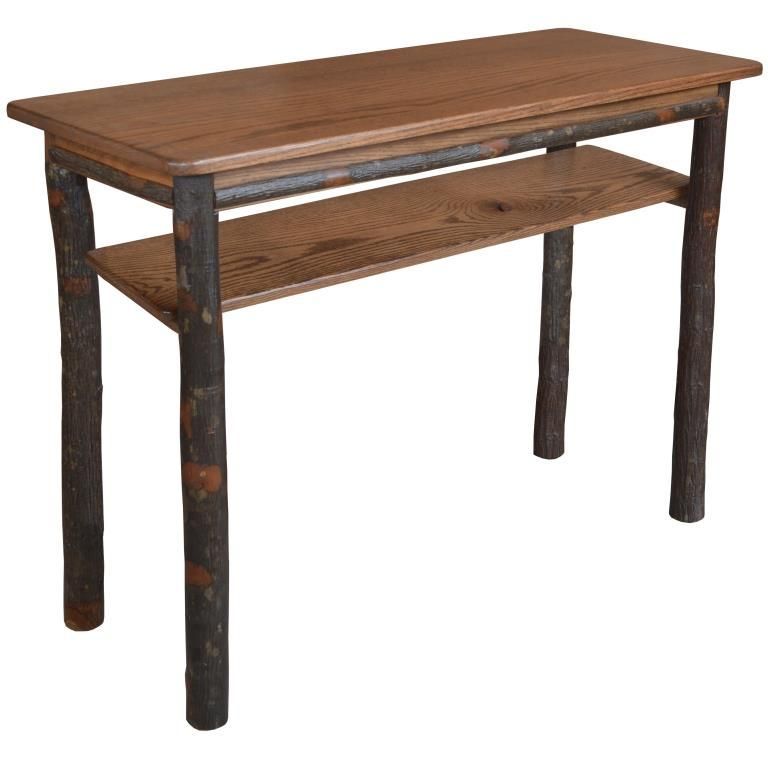
There’s something deeply satisfying about running your fingers along the rugged surface of hickory wood. It’s not just about the strength or durability – it’s about the story each grain tells. Every piece of rustic hickory carries the marks of centuries of growth, weather, and time. These aren’t just wood grain patterns; they’re nature’s own artistic expression.
When you first encounter a piece of rustic hickory, you immediately sense its character. Unlike smoother woods that blend seamlessly into modern designs, hickory stands out with its bold, irregular grain patterns that seem almost sculpted by hand. This isn’t just about aesthetics though – it’s about understanding how to work with what nature has already created. The challenge lies in respecting these natural patterns while enhancing their beauty rather than masking them. Think of it like a conversation between craftsman and timber, where both parties contribute to the final masterpiece.
Understanding Hickory’s Natural Characteristics
Hickory is a hardwood that grows primarily in the eastern United States, known for its exceptional strength and resilience. What makes it particularly special for artisans is its distinctive grain pattern that varies dramatically from piece to piece. The wood typically features wide, open grain lines that create dramatic contrasts between light and dark areas. These patterns often resemble flowing rivers or mountain ranges, giving each piece a unique personality.
The grain structure in hickory consists of large pores that create a distinctive texture. When you examine a cross-section, you’ll notice these pores arranged in a way that creates natural lines and curves. This isn’t random – it’s the result of how the tree grew in response to environmental conditions. Some pieces might show tight, curly patterns, while others display straight, flowing lines. Understanding this variability is crucial when planning your project.
Identifying Quality Grain Patterns
Not all hickory is created equal, especially when it comes to grain patterns. Quality hickory typically shows several key characteristics:
• Consistent grain flow: Look for patterns that follow logical paths across the surface rather than abrupt changes or breaks
• Natural contrast: The difference between light and dark areas should feel organic and balanced
• Minimal defects: While some knots and imperfections add character, excessive splits or warping can compromise structural integrity
• Even coloration: Natural variations are welcome, but extreme color differences might indicate inconsistent drying or aging
When selecting your lumber, pay attention to how the grain flows from one end to another. A well-grained piece will have a natural rhythm that guides your eye across the surface. Sometimes you’ll find pieces where the grain seems to dance around the wood, creating interesting visual interest.
Preparation Techniques for Working with Hickory
Working with hickory requires patience and the right approach. The wood’s density means it won’t accept tools like softer woods do. You’ll need to adjust your techniques accordingly. Start with sharp tools because dull blades will tear the grain instead of cutting cleanly. The wood’s hardness also means slower cutting speeds and more frequent tool maintenance.
Before you begin any carving or shaping, always sand with the grain. This prevents scratches that will show up later. Begin with coarse grits and work your way up to fine finishes. The grain will reveal itself more clearly as you progress through the sanding process. Some woodworkers prefer to let the grain show naturally even after finishing, which creates a beautiful contrast between smooth and textured surfaces.
Working with Curly and Spiral Grain Patterns
Some hickory pieces display what’s called curly or spiral grain patterns. These occur when the wood fibers grow in unusual directions due to genetic factors or growing conditions. These patterns can be incredibly striking, creating optical effects that seem to move across the surface.
Working with curly grain requires special care. The wood may split more easily along certain grain directions, so plan your cuts carefully. Some craftsmen actually embrace these patterns as design elements rather than obstacles. They’ll cut pieces to highlight the curling grain, creating furniture or decorative items that showcase the wood’s natural quirks.
Consider using traditional joinery methods that work well with hickory’s grain direction. The wood’s strength properties mean that properly designed joints will hold better than those that fight against the natural grain flow.
Finishing Strategies for Enhancing Natural Beauty
The finish you choose can either enhance or mask the natural beauty of hickory’s grain patterns. Oil-based finishes tend to bring out the wood’s natural colors and textures more effectively than water-based alternatives. They penetrate deeper into the grain, highlighting the contrast between different sections of the wood.
For rustic applications, many craftspeople prefer to leave the wood looking as natural as possible. This might involve using a simple oil finish that enhances the grain without adding artificial color. Other times, a light stain can help unify the appearance while still allowing the grain to show through.
Always test your finishing strategy on a small sample first. The grain patterns can sometimes react differently to various treatments, and you want to ensure the final result matches your vision before committing to larger projects.
Practical Applications and Design Considerations
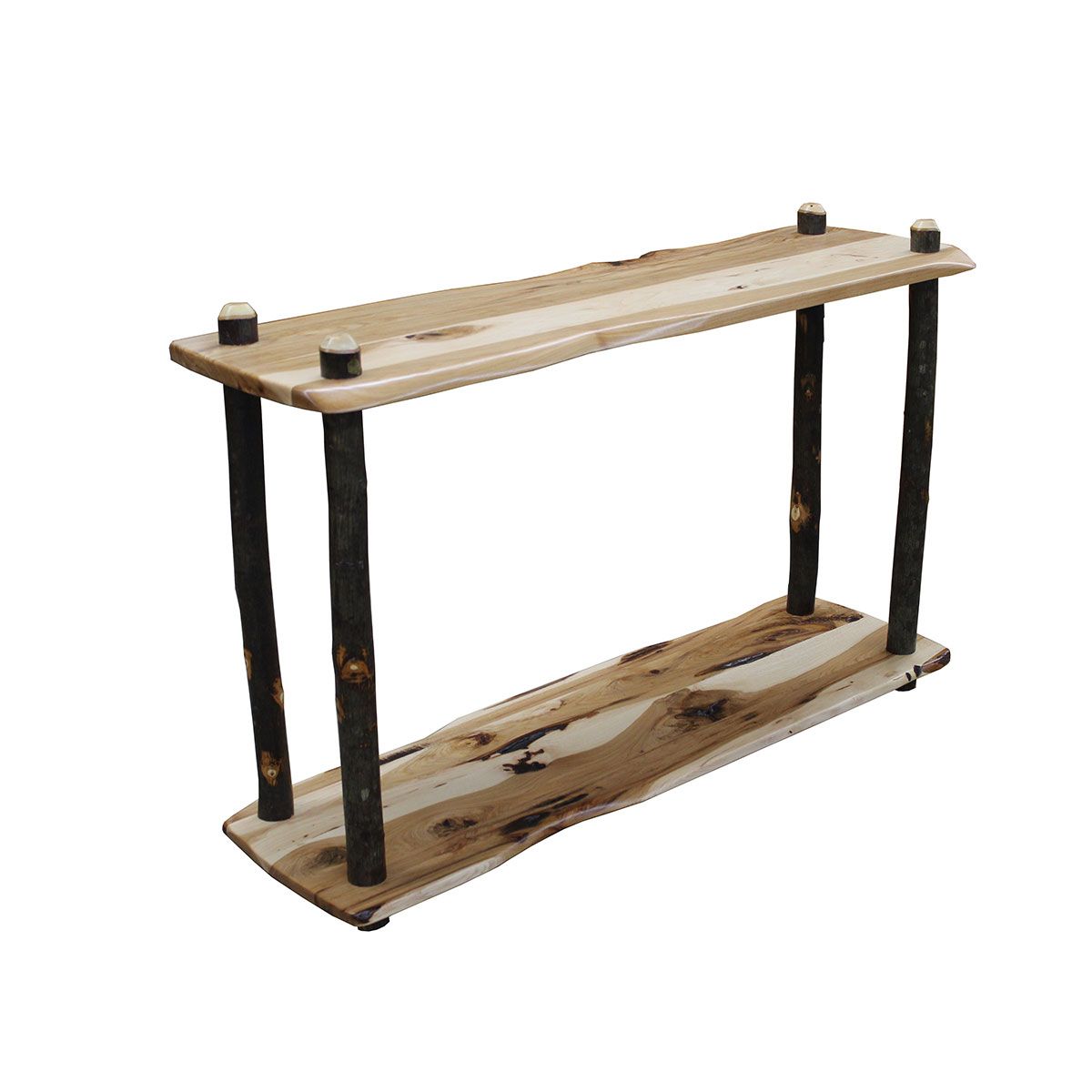
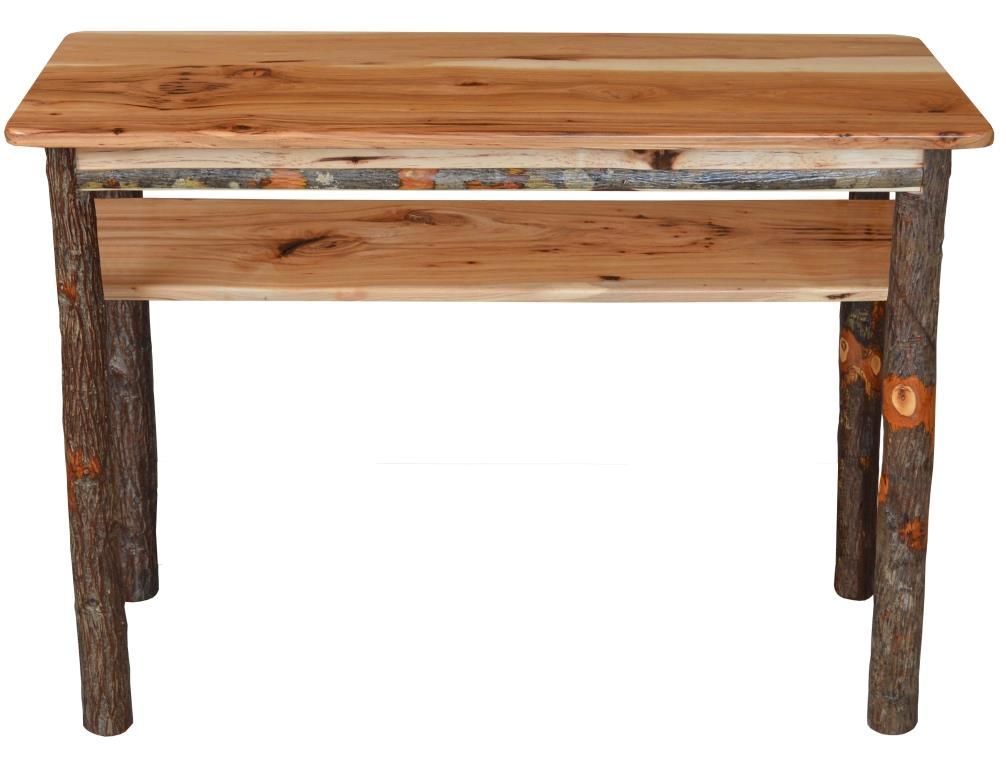
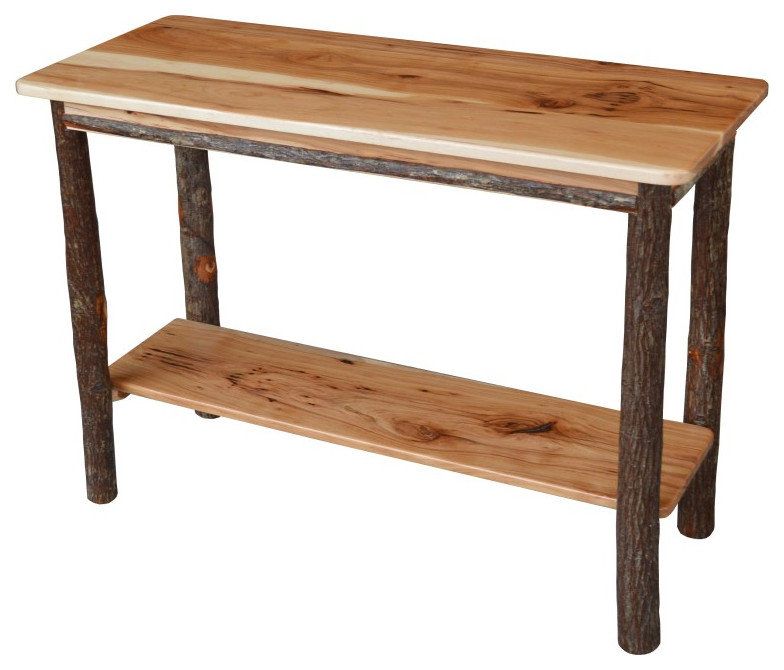
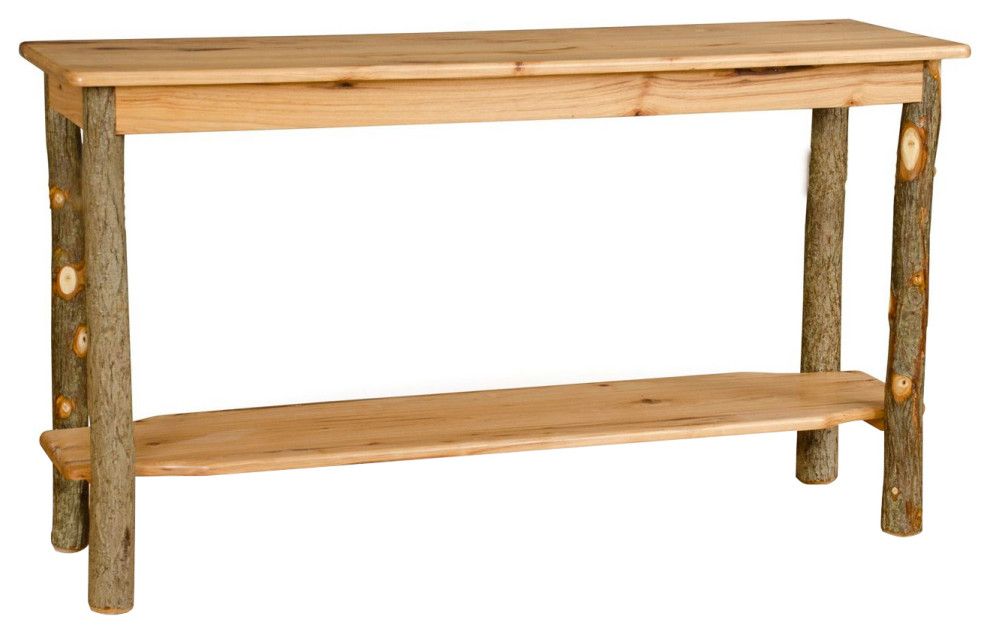
Rustic hickory works beautifully in many different applications. Furniture makers often use it for table tops, where the grain patterns create stunning visual focal points. The wood’s durability makes it ideal for high-use items that will age gracefully over time.
In cabinetry, hickory’s grain can serve as a design feature rather than simply a functional material. Some cabinet makers create entire pieces where the wood grain becomes part of the overall aesthetic. The natural variation in the grain means no two cabinets will look exactly alike, which adds to their charm.
When designing with hickory, consider how the grain will flow across different surfaces. Plan your cuts so that the most attractive grain patterns are visible. Sometimes, the best approach is to work with the wood’s natural tendencies rather than against them.
Working with rustic hickory wood grain patterns is less about following rigid rules and more about developing a relationship with the material. It’s about learning to read the wood’s natural language and responding appropriately. Each piece of hickory brings its own personality, shaped by decades of growth and environmental influences. The key to success lies not in fighting against these natural characteristics, but in embracing them as part of the creative process.
Whether you’re crafting a dining table that will gather family around it for generations, or creating a decorative piece that showcases the wood’s unique beauty, the principles remain the same. Respect the grain, work with its natural flow, and let the wood tell its own story. The resulting pieces will carry not just the maker’s skill, but also the authentic character of the timber itself. The art isn’t just in what you create, but in how well you listen to what the wood wants to express.