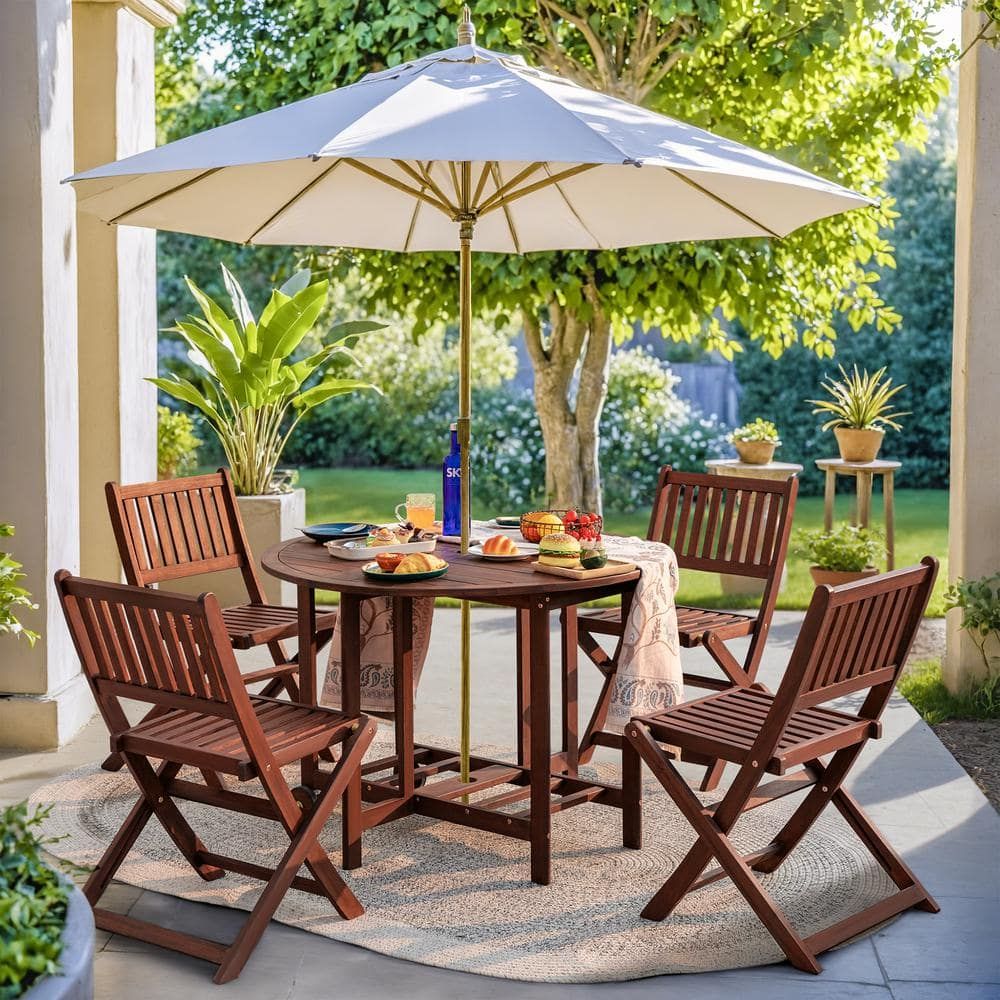
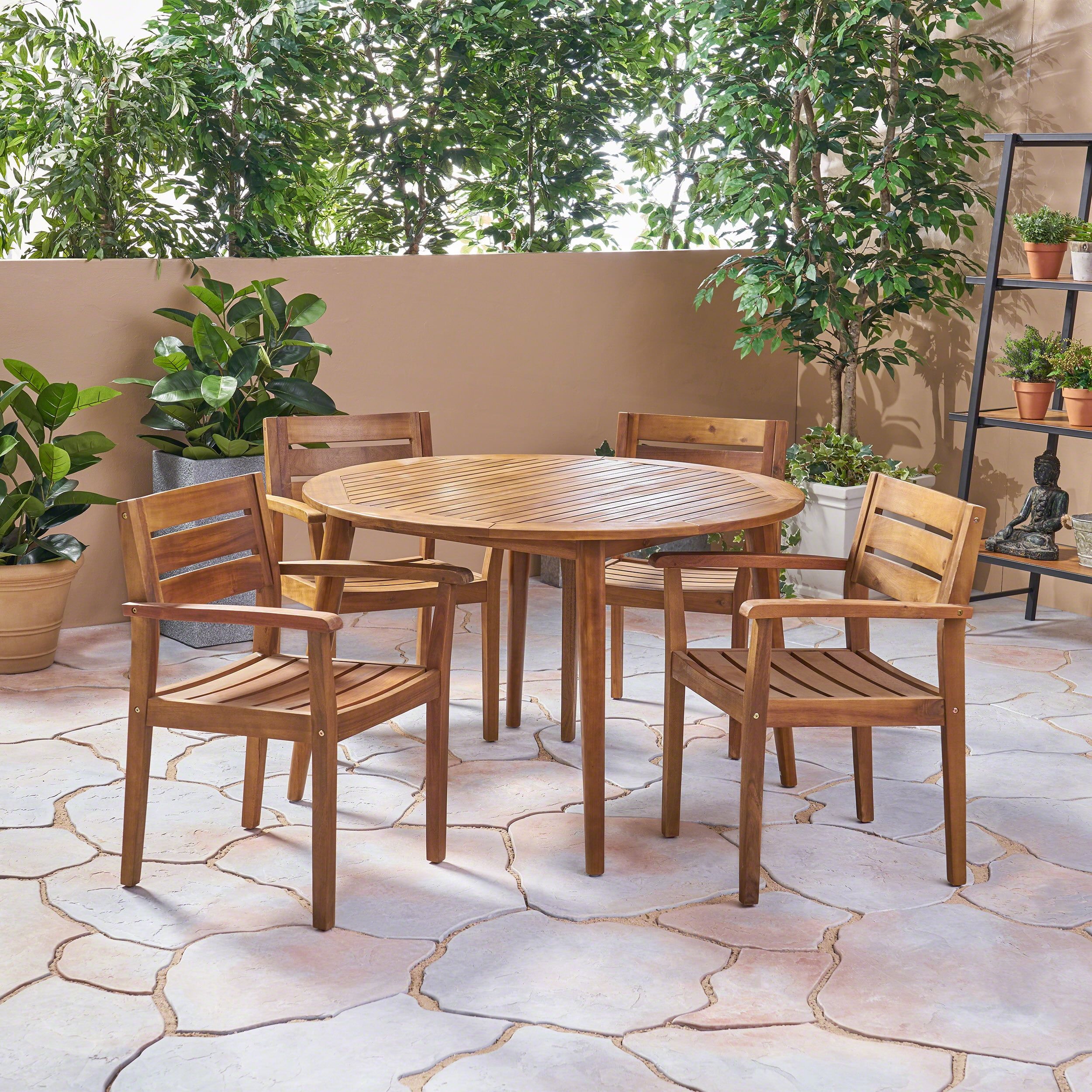
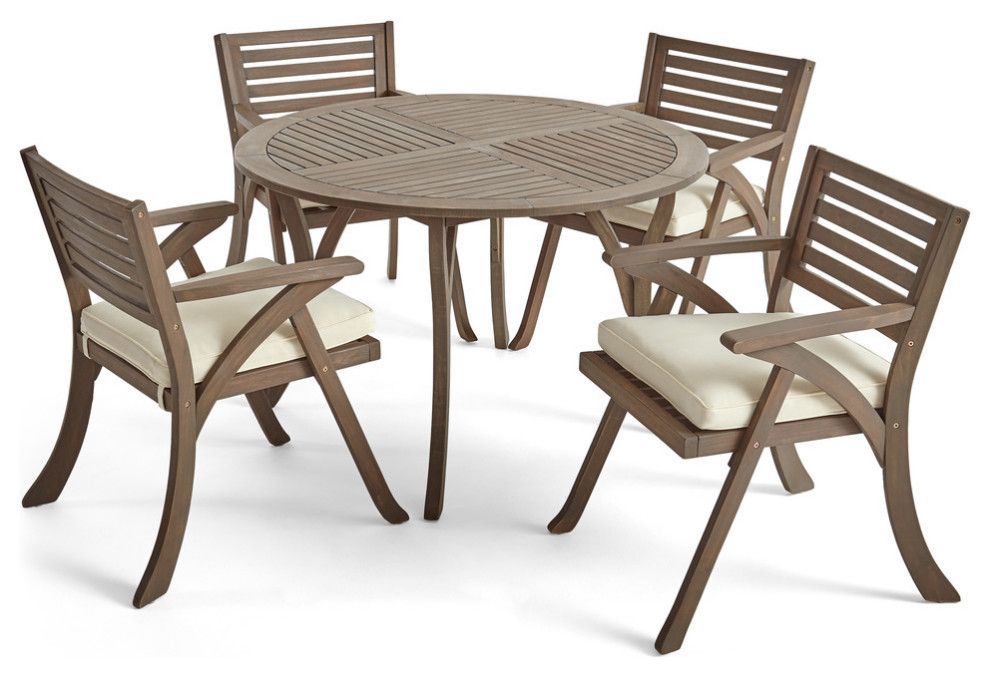
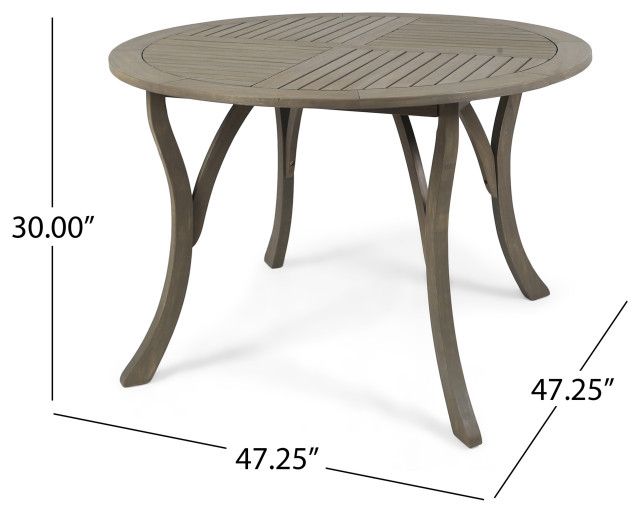
There’s something magical about dining where the boundary between inside and outside blurs seamlessly. Whether it’s a cozy backyard bistro or a restaurant with glass walls overlooking a garden, the art of blending indoor and outdoor dining aesthetics creates experiences that feel both intimate and expansive. This isn’t just about pretty decorations – it’s about creating spaces where people can truly connect with their environment while enjoying great food.
Think about your most memorable dining experiences. Chances are, they weren’t just about the food – they were about the atmosphere too. What if we told you that the secret to incredible dining lies not just in the ingredients, but in how we design the space around them? The fusion of indoor and outdoor dining aesthetics has become more than just a trend; it’s a way of life that’s reshaping how we think about hospitality and comfort. It’s about bringing the best of both worlds together to create environments that feel familiar yet exciting. From rustic barn conversions to modern glass-walled restaurants, the possibilities are endless when you approach this blend with intention and creativity.
Understanding the Core Elements
The foundation of successful indoor-outdoor dining lies in understanding the essential components that make each space special. Think about what makes an indoor dining room feel cozy and intimate. It might be soft lighting, warm textures, or the gentle sound of a fan. Now contrast that with what makes an outdoor setting feel alive and energizing – perhaps the rustle of leaves, the warmth of sunlight, or the subtle breeze. The magic happens when these elements complement rather than compete with each other.
Consider how different materials tell stories. Wood brings warmth indoors, while stone and metal can add structure and durability outdoors. These aren’t mutually exclusive – they can work together beautifully. For instance, a dining table made of reclaimed wood can anchor both spaces, while the same material used in outdoor seating can create visual continuity. The key is ensuring that each element serves the overall vision rather than standing alone.
Lighting as the Great Connector
Lighting doesn’t just illuminate a space – it sets the mood and creates the feeling of being somewhere else entirely. When designing mixed environments, lighting becomes the invisible architect that guides guests through transitions. Imagine stepping from a dimly lit indoor dining area into a softly lit outdoor space. The gradual shift in brightness helps people mentally prepare for the change in environment.
Outdoor lighting should never feel harsh or disconnected from indoor elements. String lights can bridge the gap between spaces, while lanterns placed strategically can create pathways that guide people naturally from one area to another. Consider using similar bulb types and color temperatures in both areas to maintain visual harmony. A well-planned lighting scheme can make even a small space feel larger and more welcoming.
Many restaurants now use smart lighting systems that can adjust automatically based on time of day or weather conditions. This allows for seamless transitions between day and night, creating different moods for different times of the year. The goal is to ensure that lighting enhances rather than interrupts the dining experience.
Seamless Transitions and Flow
One of the most challenging aspects of indoor-outdoor design is creating smooth transitions that don’t feel jarring. People shouldn’t have to step into a completely different world when moving between spaces. Instead, they should feel like they’re continuing their journey in a more relaxed or expansive version of the same place.
This often means using the same flooring materials, colors, or textures across both areas. A concrete floor inside might extend outside with a slight variation in finish to indicate the change in environment. Similarly, using the same color palette in both spaces helps create unity. If you’re using warm earth tones inside, consider incorporating similar hues in outdoor elements like planters or furniture.
Another crucial factor is the placement of doors and windows. They should serve both functional and aesthetic purposes. A large sliding door can open up the entire space during good weather, while smaller windows can provide glimpses that encourage exploration. Sometimes, the best transition isn’t physical but psychological – like having a covered porch that offers shelter while still maintaining the feeling of being outdoors.
Natural Elements That Tell Stories
The beauty of outdoor spaces lies in their connection to nature, but that doesn’t mean indoor spaces have to be devoid of natural elements. In fact, bringing nature inside often makes outdoor areas feel more integrated and less separate. Plants are perhaps the most versatile tool for this purpose.
Consider using plants as visual barriers that define different zones within a space. A tall palm might create a natural screen between indoor dining and outdoor seating, allowing people to see each other while maintaining some privacy. Different plant varieties can also indicate the transition from one space to another – perhaps using more delicate flowers indoors and robust shrubs outdoors.
Natural materials like stone, wood, and metal should be used consistently across both areas. A stone pathway leading from the building to an outdoor patio should continue inside as a feature wall or accent. This creates a sense of continuity that feels intentional rather than coincidental. The goal is to make guests forget they’ve moved from one space to another.
Seasonal Adaptability and Flexibility
Great indoor-outdoor spaces are those that can adapt to changing seasons and weather conditions. This flexibility doesn’t mean compromising on style – it means designing with intention and foresight. What works perfectly in summer might need adjustment in winter, but the core aesthetic should remain consistent.
Think about how you can use movable elements to change the character of a space seasonally. Heavy curtains can provide privacy and insulation in colder months, while lighter fabrics allow for better airflow in warmer weather. Furniture that can be easily rearranged or stored gives you more control over how the space functions throughout the year.
Some designers incorporate features like retractable awnings, heating elements, or even climate-controlled areas that allow for year-round usability. The key is planning ahead for different scenarios. A restaurant that only operates outdoors in summer will miss opportunities for year-round business if it doesn’t consider how to maintain appeal in other seasons. The best spaces are those that feel equally inviting in every season.
Practical Considerations for Real-World Implementation
While the aesthetic goals are beautiful, practicality cannot be ignored. Creating a seamless indoor-outdoor experience requires careful attention to functionality and maintenance. Weather protection is paramount – not just for guests, but for the integrity of the space itself.
Consider how water will be managed in outdoor areas. Proper drainage prevents puddles and ensures safety. Flooring choices matter enormously – some materials are better suited for outdoor use than others. Stone and concrete handle weather changes better than wood, though wood can be treated to work outdoors effectively.
Storage solutions are often overlooked but crucial. Having spaces to store seasonal items, furniture covers, and equipment keeps the environment clean and organized year-round. This also means planning for how the space will look during different seasons. A beautiful outdoor dining area might need a simple cover-up in winter, but that cover should be aesthetically pleasing too.
Budget considerations are also important. Sometimes, the most impactful changes come from small touches – a well-chosen rug, a thoughtful light fixture, or carefully selected artwork that ties everything together. These elements often cost less than major renovations but can make the biggest difference in how a space feels.
Blending indoor and outdoor dining aesthetics isn’t just about creating pretty spaces – it’s about crafting experiences that resonate with people on multiple levels. When done right, the result is a dining environment that feels both grounded and liberating, familiar yet adventurous. The key is approaching the design process with an understanding that these spaces are meant to be lived in, not just admired. Whether you’re redesigning a restaurant or simply updating your backyard dining area, remember that the best indoor-outdoor spaces are those that make people want to stay longer, return again, and share the experience with others. The art lies not in the separation of spaces, but in the harmony they create together. After all, the most memorable meals are often those where the setting becomes part of the story.