The wind howls off the frozen fields, rattling the bare branches of the oak trees and sweeping a fine, powdery layer of snow across the back deck. Out on the weathered planks of the patio, last summer’s dining setup stands exposed to the elements. For many homeowners, the ritual of closing down the backyard oasis involves a desperate scramble to shrink-wrap every surface. We haul out heavy-duty plastic tarps, secure them with thick bungee cords, and pull them down tight enough to survive a hurricane. We walk away feeling accomplished, confident that our prized teak or powder-coated aluminum table is locked away from the ravages of winter.
Then spring arrives. You peel back the plastic, expecting to reveal a pristine surface ready for the first morning coffee of the season. Instead, you are greeted by an eerie, ghostly haze of white mold, slimy mildew patches, and a surface wood grain that has warped or cracked right down the middle. What went wrong? You protected it from the snow, didn’t you? The paradox of winter furniture care is hidden right there beneath the impermeable plastic sheet: in trying to keep the weather out, you trapped the atmosphere in. Your outdoor table didn’t need to be entombed; it needed to breathe.
Understanding the physics of winter weather requires looking past the obvious threat of falling snow and ice. While a heavy drift can look intimidating, the true enemy of outdoor furniture is moisture combined with static, trapped air. When the temperature fluctuates around the freezing mark—a phenomenon meteorologists call the freeze-thaw cycle—water expands and contracts inside microscopic pores, wood fibers, and weld joints. If that moisture cannot evaporate, it becomes a destructive force multiplier. By suffocating your table under a non-breathable vinyl tarp or a cheap plastic sheet, you create a localized greenhouse effect. Condensation forms from the ground up, gets trapped against the furniture surface, and has nowhere to go. Without airflow, microscopic fungal spores multiply rapidly in the dark, damp microclimate, eating away at finishes and rotting organic materials long before the first spring thaw.
The Microclimate Trap: How Impermeable Covers Destroy Fine Materials
When you drape a cheap, 100% waterproof polyethylene tarp over a patio table, you establish a closed ecosystem. Ground moisture constantly evaporates upward through the deck boards or patio pavers, hitting the underside of the plastic barrier. Unable to pass through the material, this warm, moisture-laden air condenses into liquid water droplets. These droplets cling to the underside of the cover and rain back down onto your tabletop. Day after day, week after week, this cycle repeats inside a dark, unventilated capsule.
Different materials react to this trapped humidity in uniquely disastrous ways. Natural hardwoods like teak, eucalyptus, and ipe contain natural oils that help them resist rot, but they are still porous organic substances. Trapped moisture swells the wood fibers unevenly. When a sudden hard freeze hits overnight, that absorbed water freezes and expands with immense hydraulic pressure, splitting grain lines and popping joinery pins. Meanwhile, metal tables—particularly cast iron or untreated steel—fall victim to relentless oxidation. Condensation trapped against a tiny scratch in the powder coat initiates rust blooms that silently expand beneath the paint, bubbling the surface until large flakes detach by March.
Even high-end synthetic materials suffer under total lockdown. Resin wicker, while impervious to rot, relies on internal aluminum or steel frames. If moisture enters through a hairline crack in the weave or a poorly sealed weld point, a non-breathable cover ensures that water stays trapped inside the frame indefinitely. By the time you uncover the set, internal rust has structurally compromised the legs. The lesson here is counterintuitive: keeping snow off your table matters far less than keeping air moving around it. True winter protection relies on moisture management, not absolute isolation.
Engineering Breathability: The Science of Modern Technical Fabrics
To let an outdoor table breathe without exposing it to the raw fury of a blizzard, you have to look at how modern textile engineering solves the weatherproofing dilemma. The gold standard for winter furniture protection is not plastic, but high-performance engineered fabrics like solution-dyed acrylics (think Sunbrella) or multi-layered microporous composites. These materials are constructed on a microscopic scale to achieve a very specific balance: they are waterproof enough to shed driving rain and melting snow, yet porous enough to allow water vapor to escape.
Think of these advanced fabrics like modern winter mountaineering apparel. A good ski jacket keeps liquid water from penetrating inward, yet it allows your body heat and sweat vapor to vent outward so you do not freeze in your own moisture. Breathable outdoor covers operate on the exact same thermodynamic principle. They feature microscopic pores that are thousands of times smaller than a drop of liquid water, but significantly larger than a molecule of water vapor. As ground moisture evaporates and rises toward your table, the vapor molecules slip right through the fabric weave and dissipate into the open winter air.
Furthermore, premium covers incorporate strategic structural design elements to assist this venting process. Built-in mesh air vents, often shielded by protective overhang flaps, act as chimneys for trapped humidity. These vents ensure continuous cross-ventilation, preventing the stagnant air pockets that foster mold and mildew growth. When paired with cover support poles or high-density foam blocks that tent the center of the cover, runoff water slides off immediately while air circulates freely beneath the canopy.
A Step-by-Step Methodology for Winterizing Your Outdoor Table
Preparing your outdoor dining table for the freezing months requires a systematic approach that bridges deep cleaning with intelligent mechanical setup. Skipping a step can compromise the breathability of your entire winter defense system. Follow this field-tested methodology to safeguard your furniture investment.
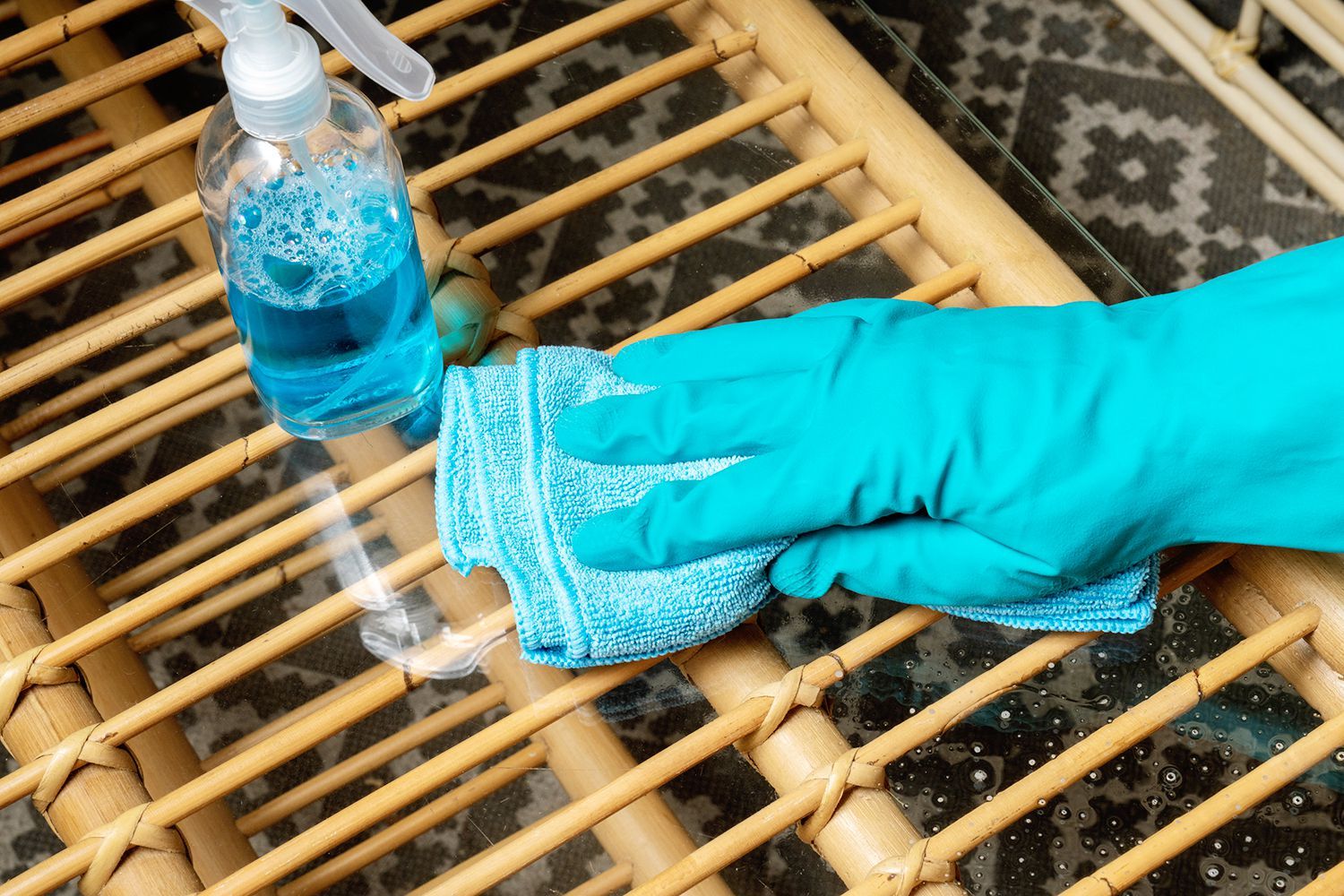
- Step 1 (Deep Clean and Decontaminate): Scrub the table thoroughly using a mild detergent and warm water to strip away summer grime, bird droppings, food oils, and microscopic mold spores. Any organic debris left on the surface will act as food for mold during the damp winter months.
- Step 2 (Complete Dry-Down Phase): Allow the table to dry completely in the sun for at least 48 hours. Never cover a damp table, as trapping residual moisture inside a breathable cover defeats the entire purpose of ventilation.
- Step 3 (Apply Material-Specific Sealants): Treat wooden tables with a breathable, penetrating outdoor oil or sealer rather than a film-forming polyurethane varnish, which can trap internal moisture and peel. For metal or stone tables, apply a protective wax or sealant to block surface corrosion.
- Step 4 (Install Tenting and Support Structures): Place a sturdy support pole, upside-down bucket, or specialized air-vent support system in the center of the table. This prevents the cover from sagging into a bowl shape that collects standing water and chokes off interior airflow.
- Step 5 (Secure a Breathable Cover Correctly): Drape a high-quality, breathable, vented cover over the table. Cinch the bottom hem securely using built-in drawstrings or click-close straps around the table legs to prevent high winter winds from tearing it off, while ensuring the side vents remain unobstructed.
Navigating Common Pitfalls and Winter Maintenance Mistakes
Even with the best intentions, homeowners often fall into traps that undermine their winter storage strategy. Recognizing these missteps can save you from costly restoration bills come spring.
- Pitfall 1 (Using Standard Blue Poly Tarps): Cheap plastic tarps lack microscopic breathability and often contain plasticizers that break down under UV light, leaving a sticky residue fused to your tabletop. Workaround: Invest in a dedicated, multi-layer breathable fabric cover designed specifically for outdoor furniture dimensions.
- Pitfall 2 (Allowing Direct Ground Contact): Leaving table legs planted directly in frozen mud, melting slush, or snow banks invites capillary action to draw moisture straight up through the frame. Workaround: Elevate the table legs slightly using rubber coasters, cedar blocks, or plastic feet to keep them out of standing winter puddles.
- Pitfall 3 (Ignoring Mid-Winter Checkups): Assuming that a covered table can be completely forgotten until May often leads to disaster after severe windstorms or heavy ice loads. Workaround: Take five minutes on a mild winter day to walk the perimeter, brush off heavy snow accumulations, and ensure the ventilation flaps are clear of packed ice.
- Pitfall 4 (Wrapping Tightly with Bungee Cords): Cranking down non-breathable plastic sheets with excessive tension seals all gaps and crushes air channels. Workaround: Rely on loose, engineered draping that prioritizes vertical airflow and evaporation channels over a skin-tight fit.
- Pitfall 5 (Neglecting Hardware and Parasol Holes): Leaving a center umbrella hole open allows rain and snow to pour directly onto the center crossbeams and lower shelf storage areas. Workaround: Insert a snug rubber umbrella-hole plug, but ensure the rest of the table assembly maintains adequate underside ventilation.
The Broader Economics and Sustainability of Proper Winter Care
We live in a culture that leans heavily toward disposable convenience, where replacing a warped or rusted patio set every few years is treated as a normal cost of homeownership. Yet, looking at this through the lens of modern sustainability and financial common sense, the environmental and economic tolls are staggering. Manufacturing, shipping, and disposing of heavy outdoor furniture consumes significant raw resources and energy. By extending the operational lifespan of a quality outdoor table through intelligent winter care, you significantly reduce your household’s carbon footprint.
Furthermore, fine outdoor furniture represents a considerable financial investment. A solid teak extension table or a marine-grade aluminum dining set can easily cost several thousand dollars. Protecting that investment requires treating the furniture not as an inert plastic lawn ornament, but as an architectural feature of your home that interacts dynamically with the environment. When you respect the physical properties of your furniture’s materials—allowing wood to breathe, metal to vent, and stone to dry—you preserve the structural integrity and aesthetic beauty of the piece for decades rather than seasons.
This mindful approach also shifts our relationship with the changing seasons. Rather than viewing winter as a period of decay and neglect where we simply lock up our outdoor spaces and hide indoors, proper winterization becomes an active stewardship ritual. You begin to notice how the morning frost settles, how the wind moves across your deck, and how the materials you chose for your outdoor living space respond to the natural world.
Practical Frameworks for Long-Term Outdoor Table Longevity
To ensure your winter maintenance habits yield consistent results year after year, establish a simple seasonal checklist and maintenance calendar. Consistency trumps perfection when dealing with the forces of nature.
- Early Autumn Assessment: Inspect your outdoor table for any loose joints, hairline cracks in the finish, or hardware corrosion before the first frost arrives. Tighten bolts and address minor touch-ups while temperatures are still moderate.
- Material-Tailored Storage Strategy: Match your protection level to your specific climate zone. If you live in a region with relentless freeze-thaw cycles and heavy ice accumulation, combining a breathable cover with under-roof porch storage offers the ultimate insurance policy.
- Spring Transition Protocol: Remove your breathable cover on a dry, breezy spring day. Wash away any accumulated winter dust with a gentle rinse, inspect the surfaces, and apply a fresh coat of protective oil or wax to reset your defenses for the upcoming summer season.
By adopting this comprehensive philosophy, you stop fighting against the winter climate and instead work in harmony with the natural properties of your furniture’s materials.
The next time you gaze out the window at a frozen landscape, watching the snow pile high against your patio set, you can rest easy knowing your table is equipped to weather the storm. By abandoning the suffocating plastic wrap of the past and embracing the science of breathable winter protection, you eliminate the hidden dangers of trapped condensation and mold growth.
Winter does not have to be an adversary that slowly destroys your outdoor living space. With a thoughtful approach to material science, proper airflow, and diligent maintenance, your patio table will endure season after season of harsh weather. When the warm sun finally returns and you pull back that breathable cover, you will find your table just as inviting as the day you first set it up, ready for countless new memories under the open sky.

![How To Clean Outdoor Furniture [In 5 Minutes!] - The Handyman's ...](https://nomadanetwork.com/wp-content/uploads/2026/10/how-to-clean-outdoor-furniture-in-5-minutes-the-handymans.png)