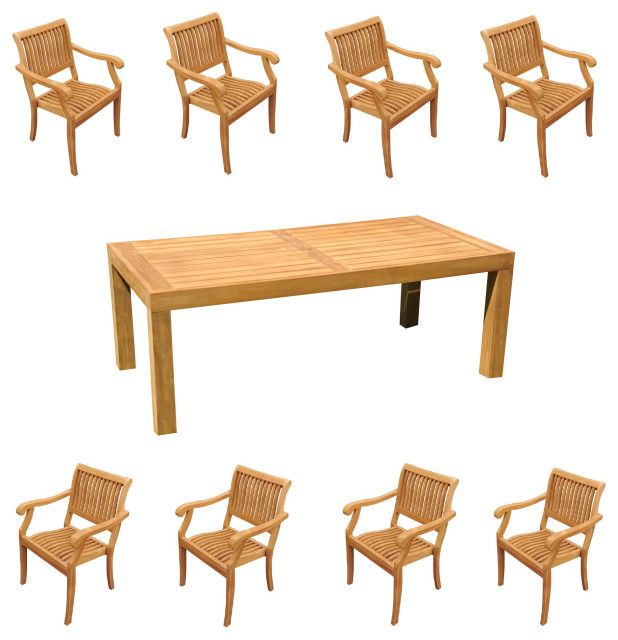
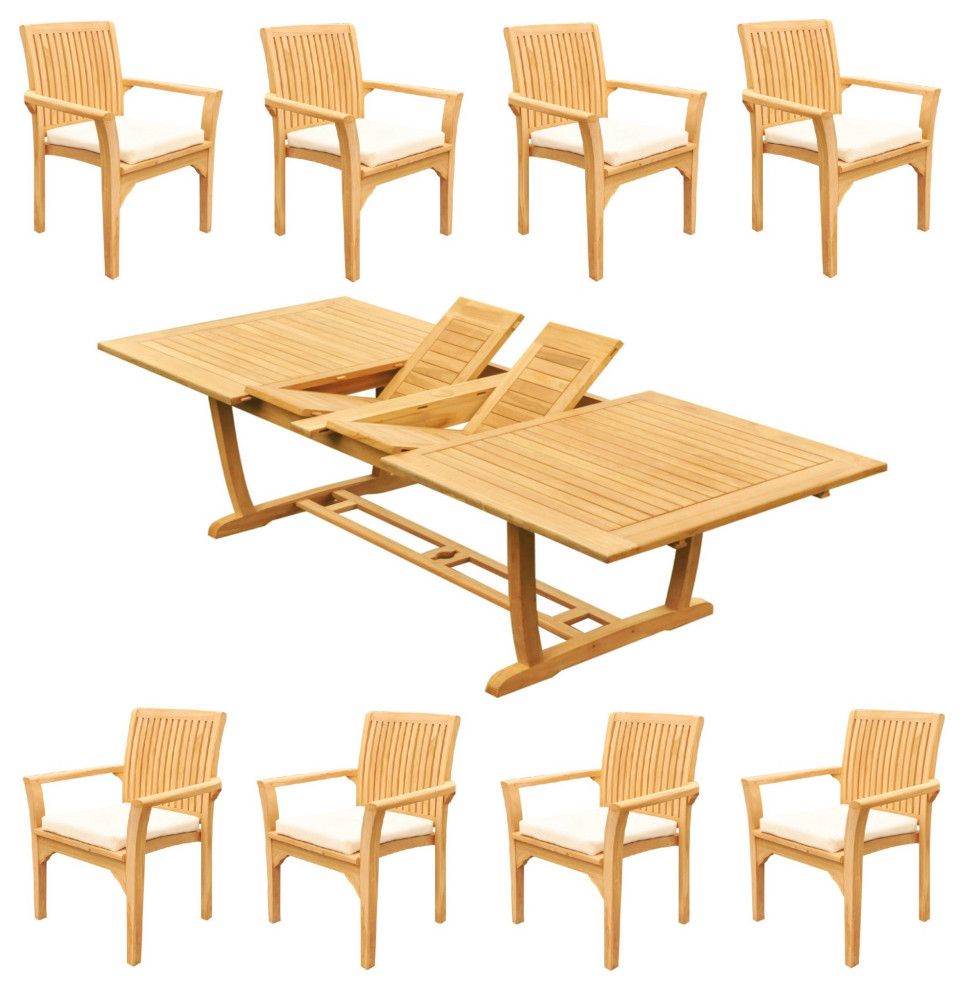
Teak furniture has been gracing patios and gardens for centuries, prized for its rich golden-brown hue and remarkable resistance to weather. But even the most durable materials need some care to maintain their beauty over time. The secret lies in understanding teak’s unique characteristics and adopting simple maintenance practices that will keep your outdoor oasis looking pristine.
Picture this: you’re relaxing on your patio, the sun warming your skin, the gentle creak of teak wood under your fingers. That’s the magic of quality teak furniture – it’s designed to last. But let’s be honest, even the best teak needs some TLC to stay looking its absolute best. Whether you’ve just bought a gorgeous teak dining set or inherited an antique piece from a relative, proper care ensures decades of enjoyment. We’re talking about preserving that beautiful golden patina that makes teak so special, while protecting it from the elements that might cause damage. The good news? It’s not rocket science. With a few simple steps and some regular attention, you can keep your teak furniture looking like new for years to come.
Understanding Teak’s Natural Characteristics
Teak isn’t just another hardwood – it’s got special properties that make it perfect for outdoor use. The wood contains high levels of silica and oils that naturally repel water and resist insects, fungi, and decay. These oils give teak its distinctive golden color when first cut, but they also mean the wood will gradually weather to a silver-gray patina over time. This natural process happens because UV rays break down the surface oils, creating that classic aged look. Some people love this silver-gray appearance, while others prefer to maintain the original golden tone. The key is understanding that weathering is normal and actually part of teak’s charm. The wood will never rot or warp like softer woods, but it does require some attention to prevent excessive fading or cracking. Think of it like a good friend who gets a little weathered with age but remains strong and reliable.
The Right Cleaning Approach for Longevity
Cleaning your teak furniture properly is the foundation of maintenance. Start with a soft brush or cloth to remove dirt and debris. For deeper cleaning, use a mild soap solution mixed with warm water. Scrub gently with a soft-bristled brush, working with the grain of the wood. Rinse thoroughly with clean water and allow to dry completely before applying any treatments. Never use harsh chemicals or power washers, as these can damage the wood fibers and strip away protective oils. A common mistake people make is using bleach or strong solvents thinking they’ll clean better. Actually, these can harm the wood and accelerate deterioration. Some experts suggest using a specialized teak cleaner, but basic soap and water work wonderfully for most situations. Regular cleaning prevents buildup that could lead to staining or discoloration. Consider it like washing your car regularly – it’s much easier than dealing with stubborn grime later.
Protecting Against Weather Damage
While teak handles weather well, protection from extreme conditions extends its life significantly. During harsh winters, cover your furniture with breathable covers that allow air circulation. Avoid plastic covers that trap moisture, as this can lead to mold and mildew growth. If you must leave furniture uncovered during winter, ensure it’s properly dried and stored in a dry location when possible. Rain and humidity are generally fine for teak, but prolonged exposure to standing water should be avoided. Consider adding drainage holes if you’re building custom pieces. Sunlight is also important – while teak loves bright light, too much direct exposure can cause fading. Position furniture to receive morning sun rather than harsh afternoon rays. Some people choose to apply teak oil or sealant periodically to enhance protection, though this isn’t always necessary. The key is finding a balance between protection and maintaining the natural look that makes teak so appealing.
Regular Maintenance Schedules
Consistent upkeep prevents major issues and keeps your furniture looking fresh. Schedule a thorough cleaning every few months, or after heavy use periods. Check for loose screws or damaged components and address them promptly. Look for signs of wear, such as deep scratches or areas where the finish may be wearing thin. Sand lightly if needed to smooth rough spots, but remember that sanding removes the natural patina. Apply teak oil or conditioner annually, or when the wood begins to look dry. This helps maintain the wood’s natural oils and enhances its appearance. Keep a maintenance log to track when you last cleaned, treated, or inspected your furniture. Many people find it helpful to do a quick visual check each season, looking for any obvious problems before they become serious. Simple tasks like removing leaves or wiping down surfaces can make a big difference in longevity.
Seasonal Care Considerations
Each season brings different challenges for teak furniture. Spring calls for a thorough cleaning after winter storage, removing any accumulated dust or moisture. Summer requires attention to sun exposure and keeping furniture clean of pollen and debris. Fall is a good time to inspect for any damage from the previous season and prepare for winter storage. Winter care focuses on protection from moisture and freezing temperatures. Some people prefer to store indoor furniture during severe weather, while others keep outdoor pieces protected with proper covers. The timing matters – don’t apply oils or sealants when temperatures are too cold or when rain is expected within 24 hours. Pay special attention to areas where water might pool, such as table tops or chair seats. Adjust your maintenance routine based on local climate conditions and how frequently you use your furniture.
When to Seek Professional Help
Most teak maintenance can be handled at home, but there are times when professional assistance is beneficial. If you have valuable or antique pieces, consider consulting with a wood restoration specialist who understands teak’s unique properties. Major structural repairs, such as replacing severely damaged legs or reattaching loose joints, often require professional skills. If your furniture develops persistent mold or mildew issues despite proper care, a professional can identify underlying problems. Some people hire specialists for complete refinishing projects, especially for heirloom pieces. Professional services might include sanding, staining, or applying specialized protective coatings. Don’t hesitate to seek help if you’re unsure about handling a particular repair or treatment. Quality professionals can extend the life of expensive furniture investments significantly. Remember that even experienced DIY enthusiasts sometimes benefit from expert advice on complex projects.
Taking care of your teak outdoor furniture is really about respecting its natural qualities while providing thoughtful protection. The beauty of teak lies in its ability to age gracefully, developing character over time. By following simple cleaning routines, protecting against extreme weather, and addressing issues promptly, you can enjoy your investment for many decades. The key is consistency rather than perfection – a little care regularly beats intensive treatment sporadically. Your teak furniture deserves to be a centerpiece of your outdoor living space, and with the right approach, it will continue to provide joy and comfort for generations. Whether you’re a new owner or someone who’s been caring for teak for years, remember that this beautiful wood rewards patience and attention with lasting satisfaction. So take that time to clean, protect, and appreciate your teak pieces – they’re worth every bit of effort.