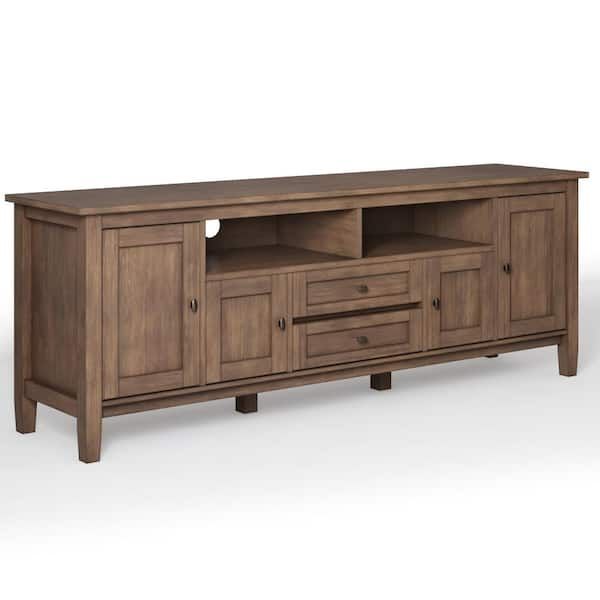
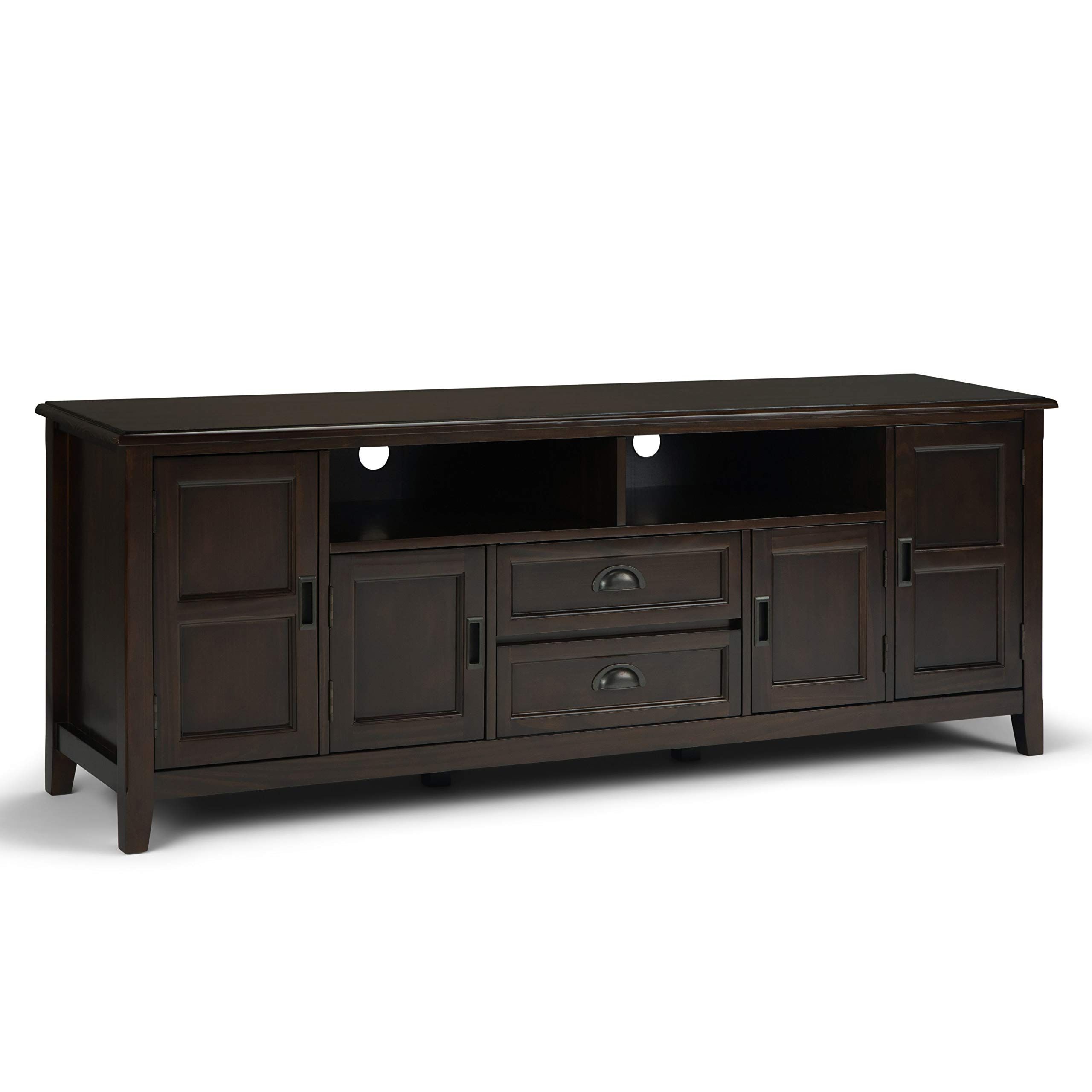
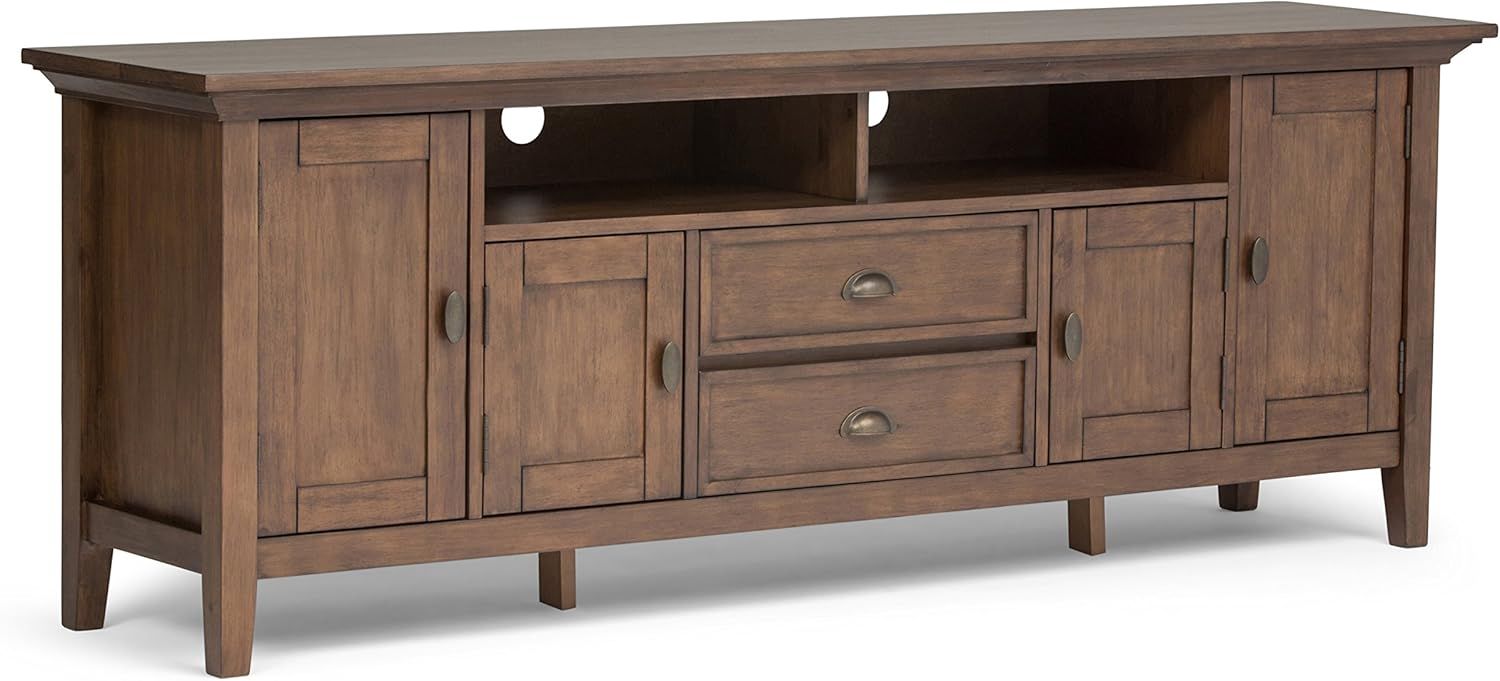
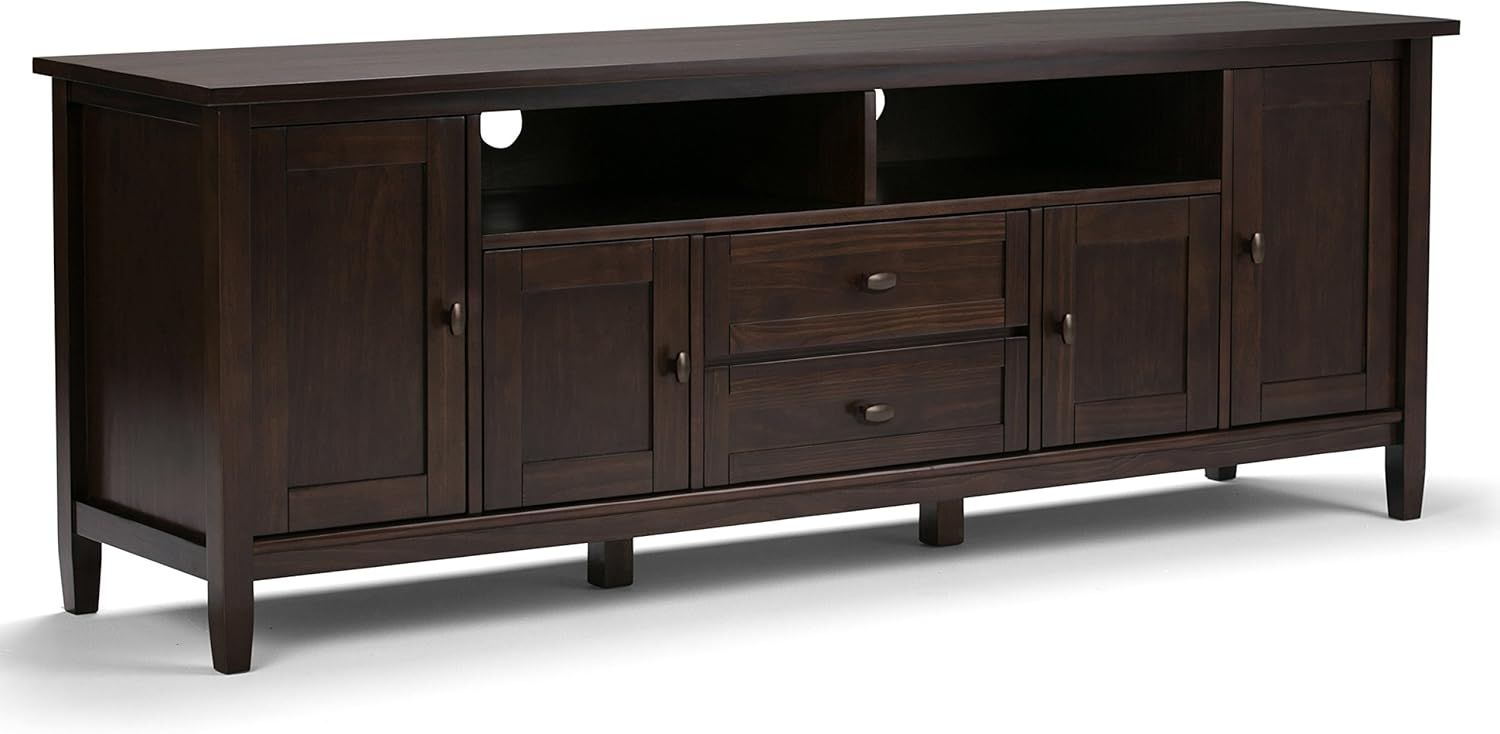
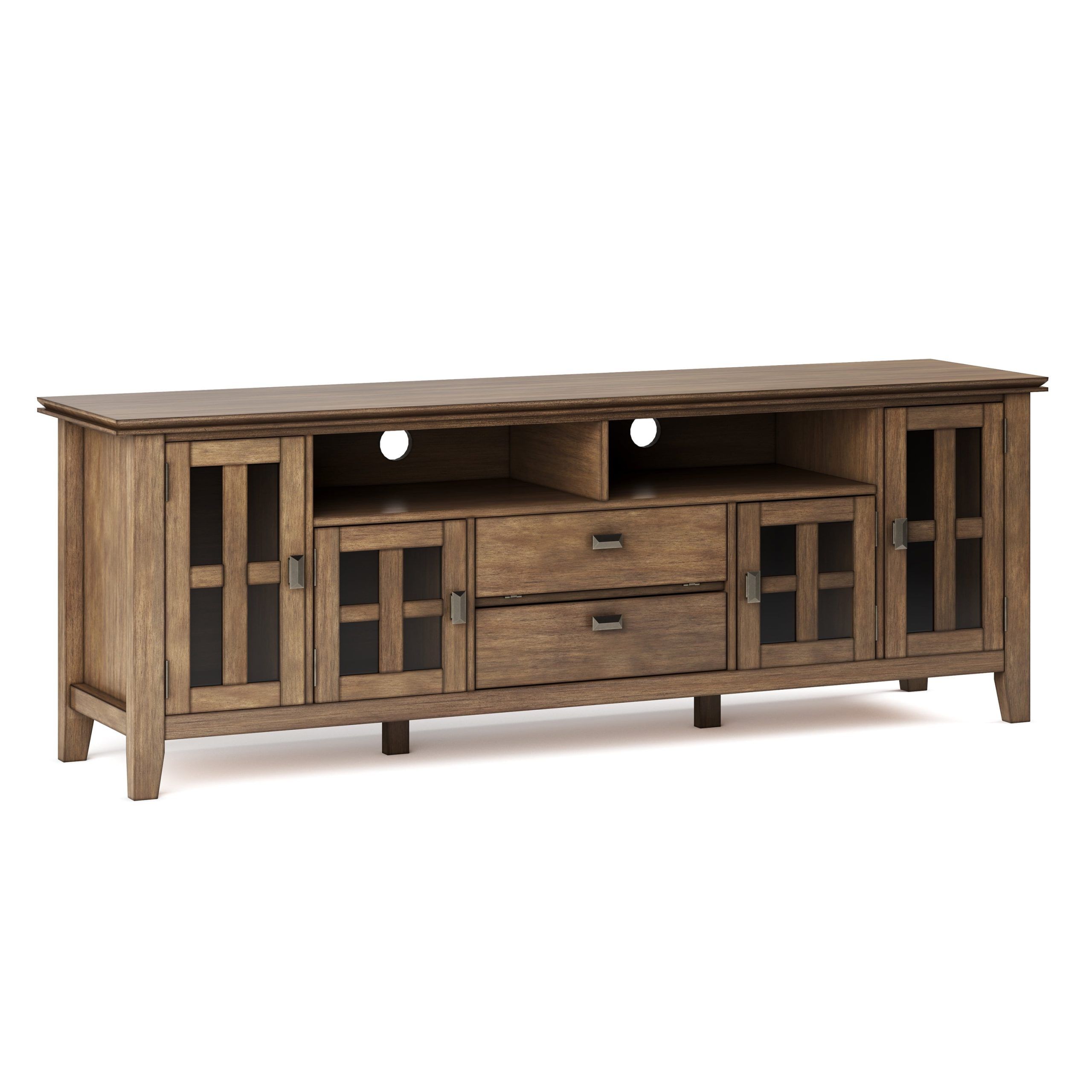
In today’s digital age, where entertainment systems sprawl across living rooms like sprawling tech ecosystems, the humble wooden cabinet has undergone a remarkable transformation. What started as simple storage solutions has evolved into sophisticated design statements that blend seamlessly with modern interiors while serving practical needs. The marriage of traditional woodworking craftsmanship with contemporary design principles has created something truly special in home media organization.
Think about your living room. Chances are, somewhere in that space sits a collection of electronics that demands organization. Whether it’s a stack of streaming devices, a soundbar, gaming consoles, or perhaps a vintage television, the challenge remains the same: how do we keep everything functional yet visually appealing? Enter the world of woodworking-inspired media organization solutions. These aren’t just storage units anymore – they’re architectural elements that speak to our desire for both form and function. The evolution of these wooden marvels reflects not just changing tastes, but also our growing understanding of how materials and design can enhance our daily lives. From minimalist Scandinavian aesthetics to bold industrial influences, woodworking trends in media organization are reshaping how we think about home entertainment spaces.
The Rise of Custom Wooden Media Centers
Custom wooden media centers have become the gold standard for homeowners seeking to blend functionality with aesthetic appeal. Unlike mass-produced alternatives, these bespoke solutions offer unparalleled flexibility in terms of size, shape, and finish. Consider a family room where the entertainment center matches the grain pattern of the hardwood floors, creating visual continuity throughout the space. The beauty lies in how each piece becomes uniquely tailored to its environment.
What makes custom wood solutions particularly compelling is their adaptability. A homeowner might want to accommodate future technology upgrades, so they incorporate hidden cable management systems and adjustable shelving. These features allow for growth without requiring complete replacements. The craftsmanship involved often means better construction quality too – solid wood frames, precision joints, and attention to detail that simply isn’t possible with cheaper alternatives.
Many custom makers now offer modular options, allowing clients to start small and expand over time. This approach makes the investment more accessible while still providing the premium feel that comes with handcrafted pieces. It’s not just about storage anymore – it’s about creating a focal point that enhances the entire room.
Minimalist Design Philosophy in Woodwork
The minimalist movement has had a profound impact on how wooden media solutions are conceived and executed. Clean lines, uncluttered surfaces, and purposeful design elements dominate this approach. Think of a sleek black ash cabinet that sits flush against the wall, with barely visible hardware and subtle lighting integrated into its design. This philosophy emphasizes what’s essential while eliminating anything that doesn’t serve a clear purpose.
This trend isn’t about sacrificing style for simplicity. Instead, it focuses on creating pieces that are beautiful in their restraint. The wood itself becomes the star, with finishes that highlight natural grain patterns rather than masking them. Light woods like maple or birch often feature prominently in minimalist designs because they reflect light well and create a sense of spaciousness.
The integration of smart technology within these minimalist frameworks has been particularly successful. Hidden speakers, concealed power outlets, and discreet ventilation systems all work together to maintain the clean aesthetic while ensuring proper function. The result is an entertainment center that looks like it belongs in a modern art gallery rather than a typical living room.
Industrial Wood and Metal Combinations
Perhaps no trend has captured attention quite like the combination of rustic wood with industrial metal elements. These hybrid pieces showcase the best of both worlds – the warmth and organic beauty of wood paired with the strength and contemporary appeal of steel and aluminum. Picture a media console with a reclaimed oak top and steel brackets that provide structural support while adding visual interest.
This fusion creates a striking contrast that appeals to those who appreciate both traditional craftsmanship and modern sensibilities. The industrial components often take on functional roles – metal shelves that double as mounting points for electronics, or steel rails that guide cables neatly out of sight. The metal elements also tend to age gracefully, developing patinas that add character over time.
One particularly interesting aspect of this trend is how it allows for creative expression. Some manufacturers now offer modular systems where homeowners can mix and match different wood species with various metal finishes. This approach lets individuals create unique combinations that reflect their personal taste while maintaining the overall cohesion of the design scheme.
Sustainable Wood Practices and Eco-Friendly Options
As environmental consciousness grows, so does the demand for sustainable wood solutions in media organization. This shift represents more than just a marketing trend – it’s a genuine movement toward responsible consumption and environmental stewardship. Reclaimed wood, for instance, offers incredible character while reducing demand for new timber harvesting.
The benefits extend beyond environmental impact. Reclaimed wood often features unique characteristics that make each piece one-of-a-kind. Weathering patterns, nail holes, and natural imperfections tell stories of previous uses and add authenticity to modern designs. Many reclaimed wood pieces come from old barns, factories, and historic buildings, bringing a sense of history into contemporary homes.
Eco-conscious woodworkers are also embracing alternative materials and processes. Bamboo, which grows rapidly and requires minimal resources, has emerged as a popular substitute for traditional hardwoods. Engineered wood products made from recycled materials offer consistent quality while reducing waste. These innovations show how sustainability and design can work hand-in-hand to create solutions that are both beautiful and responsible.
Smart Integration and Hidden Technology
Modern woodworking has embraced the reality that technology must be seamlessly integrated into design rather than fought against. This evolution has led to clever solutions that hide wires, manage heat dissipation, and accommodate evolving electronic needs. Consider a cabinet with built-in cooling systems that automatically adjust based on internal temperatures, or drawers that conceal charging stations for multiple devices.
The integration of smart home technologies has opened up new possibilities for wood-based media solutions. Voice-controlled lighting systems, automated drawer mechanisms, and even touch-sensitive surfaces are becoming common features. These additions don’t compromise the wooden aesthetic – instead, they enhance it by making the furniture more interactive and responsive to user needs.
Cable management has become an art form in itself. Some designers now incorporate hidden pathways within the wood structure itself, using specialized channels and panels that keep everything organized and out of sight. This approach addresses one of the biggest complaints about traditional entertainment centers: the tangled mess of wires that detract from otherwise elegant spaces.
Regional Styles and Cultural Influences
Woodworking traditions from around the world continue to influence modern media organization solutions, bringing unique perspectives and techniques to contemporary design. Scandinavian approaches emphasize clean lines and natural materials, while Japanese aesthetics focus on minimalism and harmony with nature. These cultural influences create diverse offerings that speak to different tastes and lifestyles.
The popularity of these regional styles reflects our increasing appreciation for global design perspectives. A Danish-inspired media cabinet might feature soft curves and light woods, while a Mid-century American design could showcase bold geometric shapes and rich stains. Each style brings its own philosophy about how furniture should function and look in a modern context.
Some designers are combining elements from multiple traditions to create entirely new hybrid approaches. For example, a piece might incorporate the structural integrity of traditional European joinery with the clean aesthetic of contemporary Japanese design. These cross-cultural influences remind us that good design transcends borders and speaks to universal human desires for beauty, function, and comfort.
The intersection of woodworking and modern home media organization represents much more than a passing trend – it’s a reflection of how we’ve learned to balance our technological needs with our aesthetic desires. These wooden solutions have evolved from simple storage boxes into sophisticated architectural elements that enhance our living spaces. Whether through the careful selection of sustainable materials, the seamless integration of smart technology, or the thoughtful combination of traditional craftsmanship with contemporary design principles, these pieces demonstrate that good design never goes out of style.
The ongoing innovation in this field suggests that we’re only beginning to see what’s possible when traditional woodworking meets modern living. As our homes continue to evolve, so too will the solutions that help us organize and enjoy our entertainment collections. The future promises even more exciting developments, where the line between furniture and technology becomes increasingly blurred, but where the fundamental human need for beautiful, functional spaces remains constant. What started as a simple problem – how to store electronics neatly – has become an opportunity to express creativity, embrace sustainability, and celebrate the enduring appeal of well-made wooden furniture.