Imagine walking into a room where every element works together seamlessly. The television sits perfectly in the center, surrounded by comfortable seating that flows naturally. Lighting accents the space without overwhelming it, and all the technology blends invisibly into the decor. This isn’t just wishful thinking – it’s achievable when you approach home entertainment design with intention and purpose. Every component, from furniture placement to color schemes, plays a role in creating that cohesive feeling that makes a space truly livable.
Home entertainment spaces have evolved far beyond simple TV rooms. Today’s living areas serve as multifunctional hubs where families gather for movies, games, music, and socializing. But here’s the thing – when these spaces lack cohesion, they become chaotic rather than comforting. You know that feeling when you walk into a room and everything feels disconnected? Like the furniture was chosen randomly, the colors clash, and the technology looks like an afterthought? That’s not just unattractive – it’s frustrating. The secret to avoiding this mess lies in thoughtful design principles that create visual harmony and functional flow. It’s about making your entertainment area feel intentional, not haphazard.
Understanding Visual Unity
Visual unity isn’t about matching everything exactly – it’s about creating relationships between elements. Think of it like a conversation where each piece speaks to the others in a coherent way. Start with a foundation color palette that includes your main walls, floors, and large furniture pieces. Then build around that with accent colors that complement rather than compete. For example, if you have deep blue leather sofas, consider adding navy throw pillows, silver accessories, and perhaps some brass fixtures. These choices create a sense of continuity. The key is consistency in texture, shape, or style rather than identical items. A collection of three different armchairs in similar shades and fabrics will feel much more connected than having one chair that’s completely different from the rest.
Strategic Furniture Placement
Where you place your furniture says a lot about how you want to use the space. The golden rule is to create zones that support both intimate conversations and group activities. Position your main seating facing the screen, but leave enough space for people to move freely. Consider the ‘golden triangle’ concept – create a triangle between your primary seating, the entertainment unit, and a focal point like a fireplace or window. This arrangement naturally draws attention and creates a sense of purpose. Don’t forget about circulation paths. You should be able to walk around your seating arrangement without bumping into anything. When you think about how people will actually use the space, it becomes easier to make decisions about placement that work for everyone.
Technology Integration Without Compromise
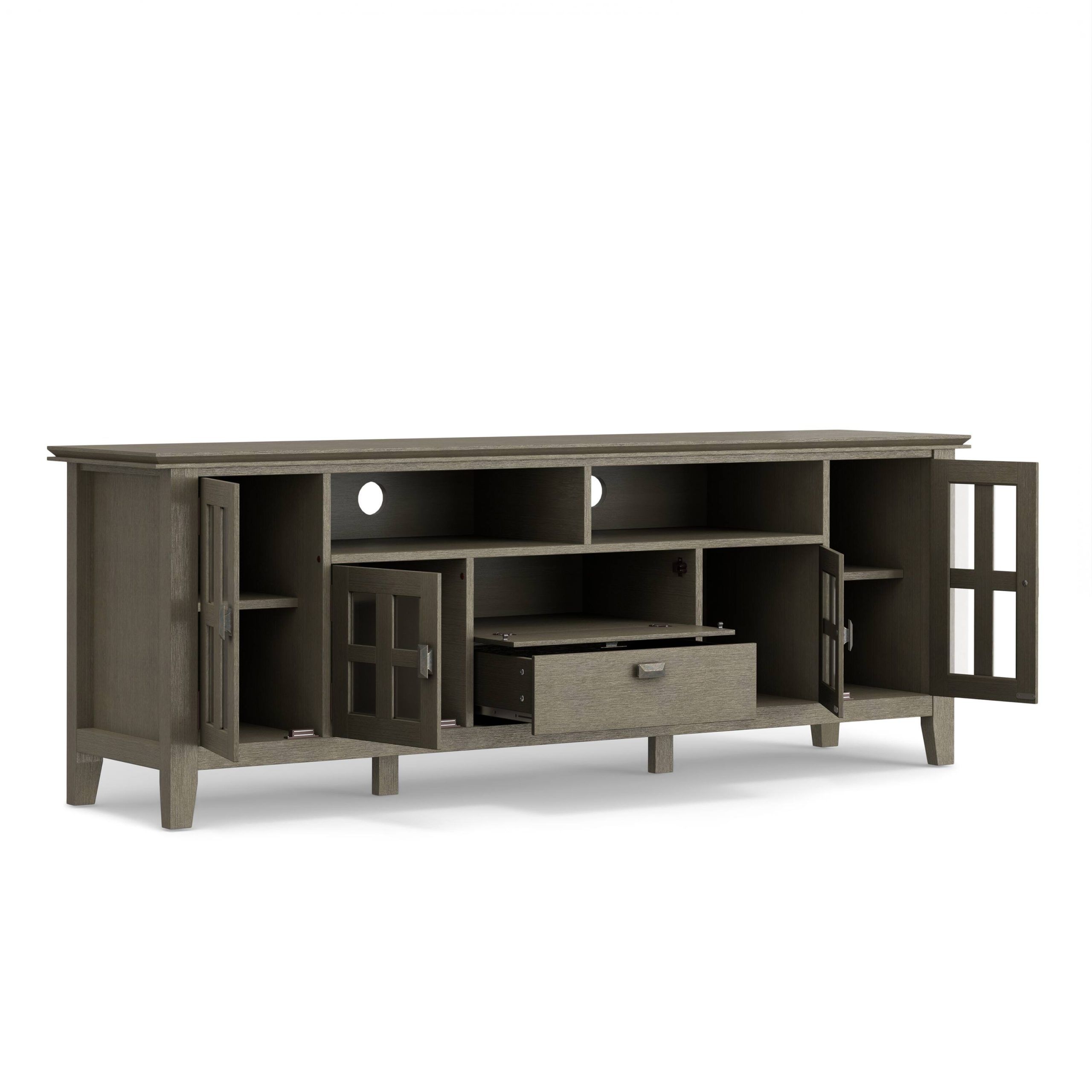
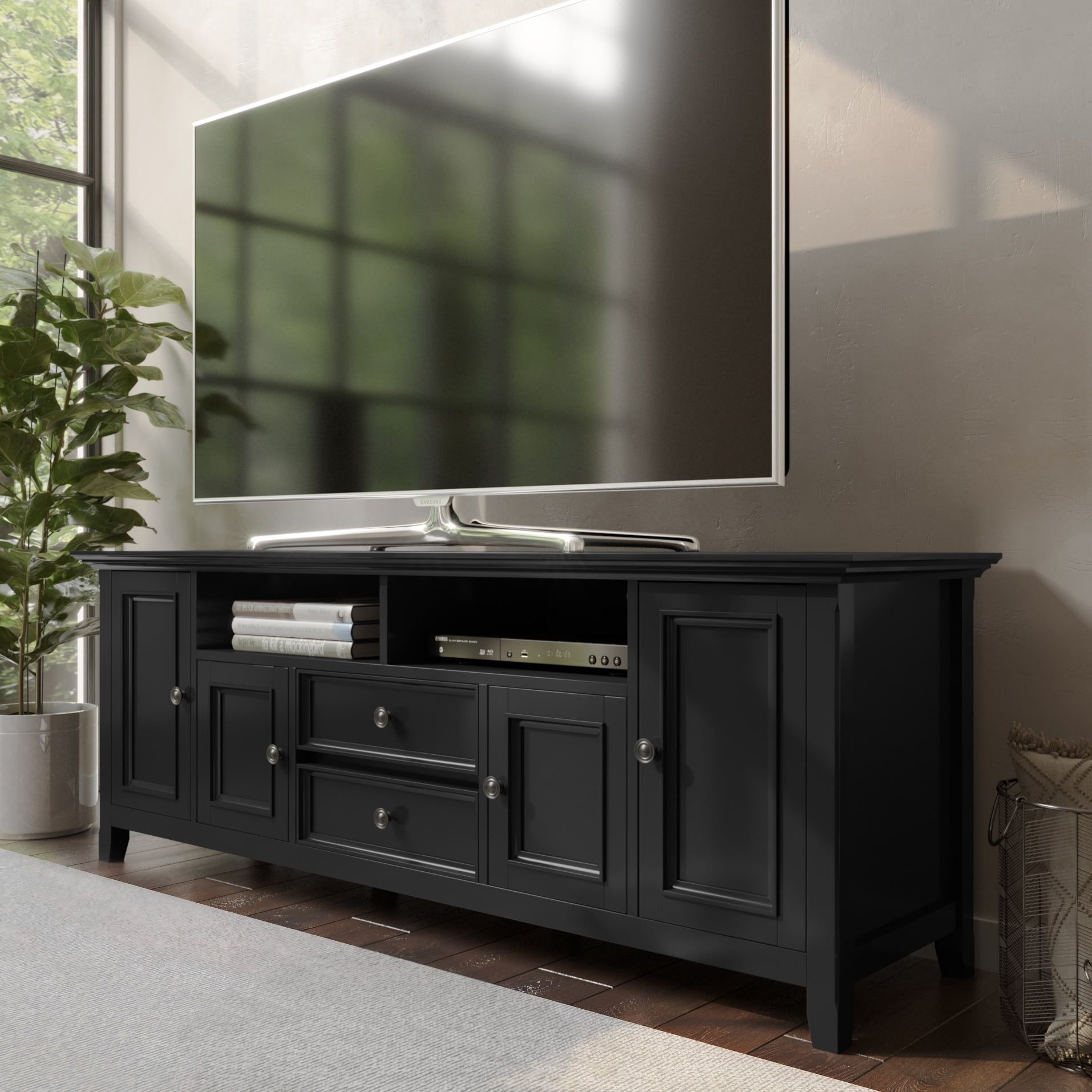
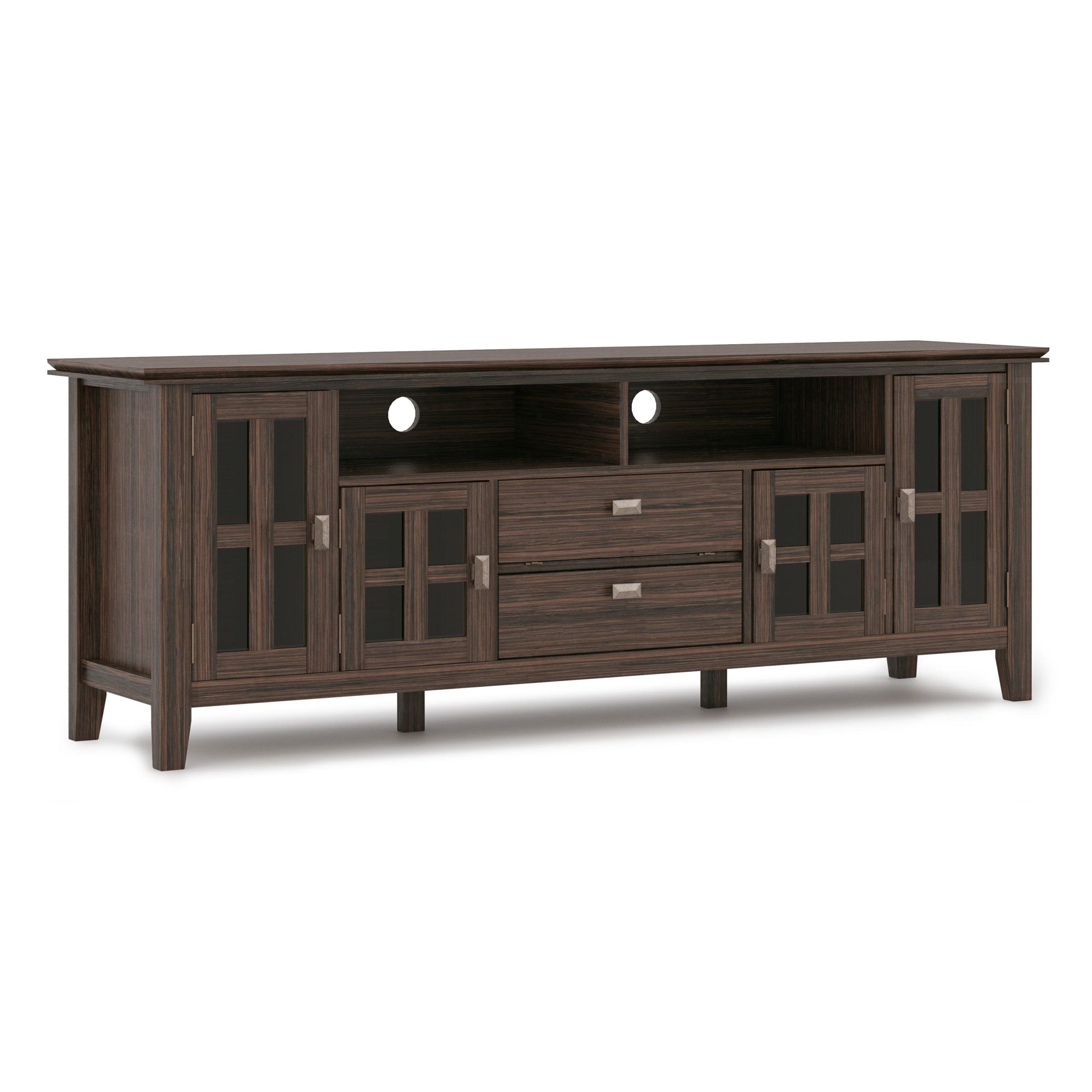
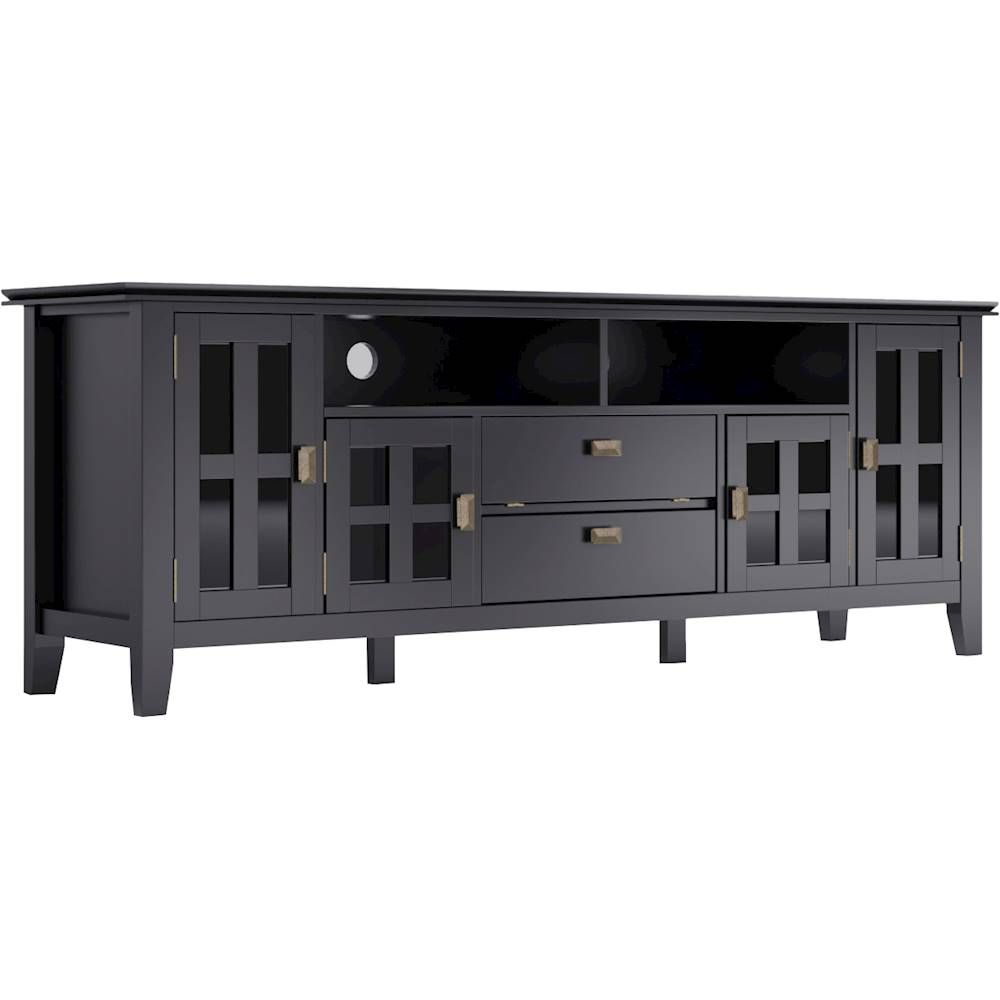
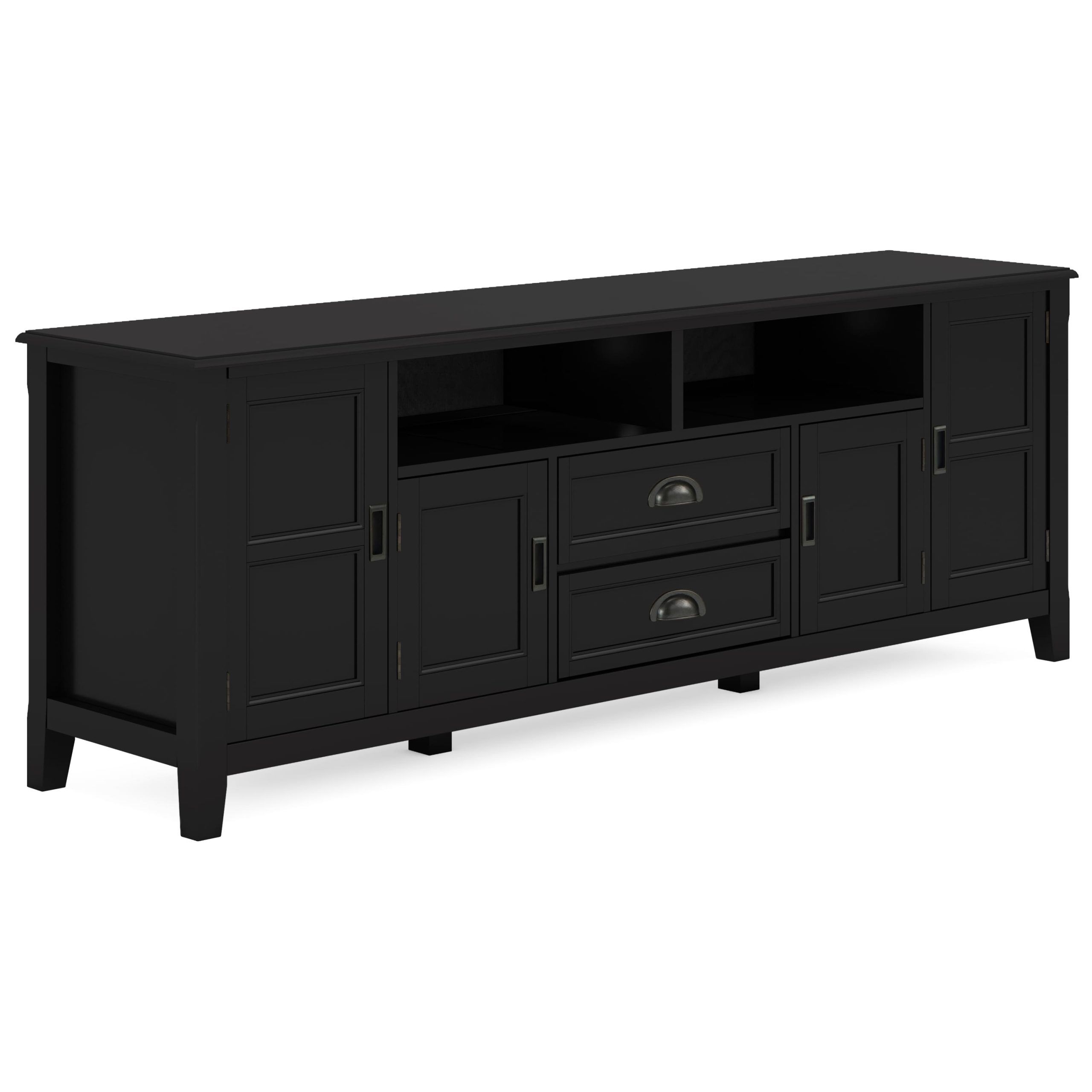
Modern entertainment spaces must accommodate multiple devices, from streaming boxes to gaming consoles. The trick is to make this technology invisible rather than obvious. Hidden cable management systems keep wires tucked away while maintaining clean lines. Mount screens high enough that they’re easy to see from any seat, but not so high that people have to crane their necks. Consider built-in storage solutions that can house electronics while maintaining the aesthetic of the room. The goal isn’t to hide technology completely – that can look forced – but to integrate it so it feels like part of the environment. A well-designed entertainment center can be both functional and beautiful, serving as a focal point rather than a technological eyesore.
Lighting That Enhances Rather Than Distracts
Lighting sets the mood and affects how we experience a space. In entertainment areas, you want flexibility – lighting that works for watching movies, playing games, or relaxing. Layered lighting approaches work best. Start with ambient lighting – general overhead lights that provide overall illumination. Add task lighting for specific activities like reading or gaming. Finally, consider accent lighting to highlight architectural features or artwork. Smart lighting systems allow you to adjust brightness and color temperature based on what you’re doing. For example, warm white light during movie nights creates a cozy atmosphere, while cool white light during gaming sessions helps maintain alertness. The right lighting can transform a room from drab to dynamic without changing a single piece of furniture.
Color Psychology and Emotional Impact
Colors influence our moods and behaviors in ways we might not realize. In entertainment spaces, choose colors that promote relaxation and engagement. Blues and greens tend to be calming and encourage extended viewing time. Warm earth tones like browns and oranges create inviting, intimate spaces perfect for family gatherings. If you’re planning to host regular game nights, consider bold colors that energize and stimulate. But remember, no single color should dominate the entire space. Use a color wheel to find complementary colors that work together. A neutral base with one or two accent colors creates visual interest while maintaining harmony. Sometimes, the most powerful design choice is simply choosing a color scheme that makes you feel good when you’re in the room.
Personal Touches That Tell Your Story
The best entertainment spaces reflect the people who use them. Personal items like family photos, travel souvenirs, or favorite books add character and warmth. But these elements need to be thoughtfully placed to avoid clutter. Create designated spots for personal items – maybe a gallery wall featuring family memories or a bookshelf filled with books that represent your interests. These touches make a space feel lived-in and authentic rather than sterile. Consider how you want to spend time in this room – are you more interested in quiet movie nights or lively game sessions? Your personal touches should support those activities. For instance, if you love collecting vintage records, display them prominently on a custom-built shelf rather than hiding them away. These items become conversation starters and help define your unique personality within the space.
Creating a cohesive home entertainment space isn’t about following rigid rules – it’s about understanding how elements interact and influence each other. When you approach design with intention, considering everything from color to lighting to furniture placement, you create an environment that feels both functional and beautiful. The result is a space that brings people together rather than pulling them apart. Whether you’re planning a complete renovation or just updating your current setup, remember that cohesion comes from thoughtful consideration of how each element supports the others. It’s not about perfection – it’s about creating a space that reflects your lifestyle and enhances your enjoyment of entertainment time. The most successful designs are those that feel like they were made specifically for the people who live there.