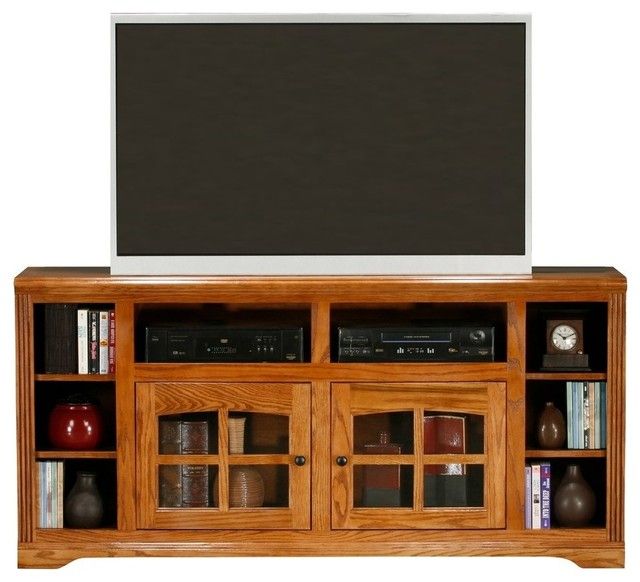
Imagine walking into a room where every piece of furniture seems to float on air, where walls feel wider, and there’s never a moment of clutter. This isn’t just a dream – it’s the reality that thin profile furniture brings to compact spaces. These clever designs don’t just save space; they transform the entire feeling of a room. When you think about small living, most people picture cramped corners and awkward furniture arrangements. But what if we told you that the secret to spaciousness lies not in buying bigger items, but in choosing smarter, thinner ones? That’s exactly what thin profile furniture does – it creates the illusion of more space while delivering real functionality.
In our increasingly urbanized world, smaller living spaces have become the norm rather than the exception. Whether you’re navigating a studio apartment, a cozy bedroom, or a compact home office, the challenge remains the same: how do you make everything work without making the space feel cramped? Enter thin profile furniture – those sleek, minimalist pieces that seem to disappear into the background while providing all the functionality you need. It’s not just about looking good; it’s about creating a living environment that feels open, airy, and completely functional. Think of it like a magic trick, but one that actually works in real life. The right thin profile pieces can make a 400-square-foot studio feel like a 600-square-foot home. They’re not just furniture – they’re solutions to modern living challenges.
Understanding Thin Profile Design
Thin profile furniture isn’t just about being skinny – it’s about thoughtful design that maximizes both form and function. These pieces typically feature minimal depth, often measuring less than 12 inches from front to back. This design philosophy stems from the desire to reduce visual bulk while maintaining structural integrity. Consider a dining table that’s only four inches deep – it might look like it’s barely there, but it still holds a full meal for four people. The key is in the engineering. Modern manufacturers use lightweight materials and clever construction techniques to ensure these slim pieces aren’t flimsy. They’ve learned that people want their furniture to be beautiful, functional, and invisible. The result? Furniture that appears to have no weight at all, yet can handle daily use without complaint.
What makes thin profile furniture truly special is its ability to change how we see space. A narrow bookshelf that’s only six inches deep can hold dozens of books without making the room feel cluttered. The shallow depth means you can place it right against a wall, leaving more floor space for movement. You’ll find that when you have a series of these thin pieces, they create a visual pathway through the room that guides the eye outward, making walls appear farther apart.
The Psychology of Visual Space
Our brains naturally perceive space differently based on what they see. When we look at thick furniture, our minds register it as occupying physical space, even if it’s just a few inches deeper. Thin profile pieces work against this perception. They create a sense of openness that’s almost magical. This happens because we associate thickness with mass and weight. When something is thin, it becomes part of the background rather than a foreground obstacle.
Think about how different a room feels when you have a thick sideboard versus a slim console table. The former seems to block light and create barriers, while the latter allows light to flow freely. This psychological effect is powerful. It’s why architects often recommend thin profile elements in small spaces. The visual reduction of furniture depth creates a mental shift that makes rooms feel larger than they actually are.
This phenomenon extends beyond just furniture. Even the way you arrange these pieces matters. Placing thin shelves along a wall creates a sense of depth that pulls the eye back, rather than pushing it forward. The result is a room that feels more expansive, even with the same amount of square footage.
Essential Thin Profile Pieces for Small Spaces
Not all thin furniture is created equal, but some pieces work better in compact environments than others. Here are the most effective types:
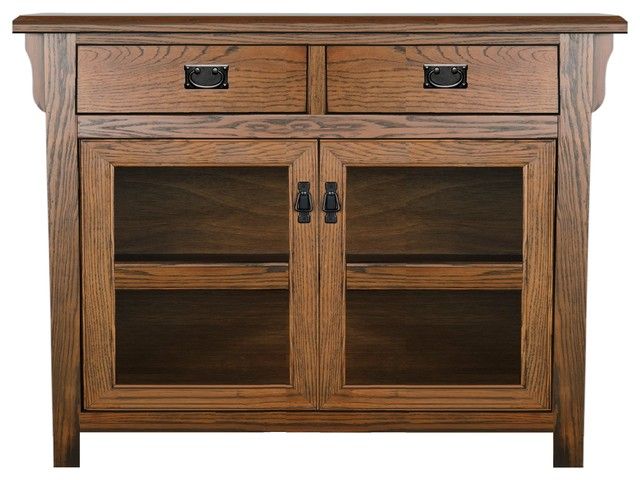
• Sliding door storage units – These can be anywhere from 8 to 12 inches deep, offering maximum storage with minimal footprint
• Wall-mounted shelves – Some can be as thin as two inches, yet hold impressive loads
• Narrow console tables – Perfect for entryways, they’re often only 10-12 inches wide
• Slim bookcases – These can be 6-8 inches deep and still accommodate hundreds of books
• Minimalist beds – Many modern bed frames are only 6-8 inches high, creating a floating effect
• Ultra-thin desks – Designed specifically for small offices, they can be 18 inches deep or less
Each of these pieces serves a specific purpose while maintaining the visual lightness that makes small spaces feel more comfortable. The key is choosing pieces that complement each other in both style and function. When you combine several thin elements, you create a cohesive look that feels intentional rather than haphazard.
Material Choices and Their Impact
The materials used in thin profile furniture play a crucial role in both appearance and durability. Wood remains a popular choice because it brings warmth to any space, but it requires careful construction to maintain thin proportions. Plywood and engineered wood offer excellent strength-to-weight ratios, making them ideal for slimmer designs. Metal frames provide a modern aesthetic and can be incredibly sturdy despite their reduced dimensions. Glass elements add transparency and lightness, making them perfect for small spaces where you want to maintain visibility.
Consider the difference between a wooden shelf that’s 12 inches deep versus one that’s only 6 inches deep. The thinner version will feel lighter and less imposing, even if it holds the same amount of weight. This is especially important in small spaces where every visual element matters. Materials also affect how light moves through a room. Transparent or reflective surfaces can bounce light around, making a space feel brighter and more open.
Budget considerations also come into play. While some premium materials may cost more upfront, they often last longer and maintain their appearance better over time. The investment in quality thin profile furniture can pay dividends in the long run, especially in high-traffic areas where furniture sees constant use.
Practical Applications and Real-Life Examples
Let’s take a look at how thin profile furniture transforms actual small spaces. In a typical 10×10 foot apartment, a single slim console table can make the entranceway feel twice as spacious. The table’s shallow depth allows people to walk past it without feeling cramped, while its clean lines draw attention upward rather than inward. Similarly, a narrow bookcase that’s only 6 inches deep can hold 300 books and still leave plenty of room for a chair to sit nearby.
Kitchen applications show how thin profile furniture can solve common problems. A slim refrigerator that’s only 24 inches deep can fit perfectly in a narrow kitchen corner, freeing up precious floor space for movement. These appliances often have innovative internal layouts that maximize storage capacity despite their reduced external dimensions.
Bedroom transformations are particularly striking. A low-profile bed frame that sits only 6 inches off the ground can make a small bedroom feel taller and more open. The visual reduction of height draws the eye upward, creating an illusion of greater ceiling height. Adding thin nightstands on either side can complete the look while keeping the space feeling uncluttered and airy.
Tips for Choosing and Arranging Thin Profile Furniture
When selecting thin profile pieces for small spaces, consider these key factors:
• Measure everything carefully – Before purchasing, measure your space multiple times. A piece that looks perfect in a catalog might not work in your actual room
• Think about proportions – Ensure your thin furniture fits well with existing room elements. A 12-inch wide shelf won’t look right next to a 30-inch wide cabinet
• Plan your traffic flow – Make sure there’s enough clearance around furniture for easy movement
• Consider storage needs – Even though these pieces are thin, they still need to hold things. Plan accordingly
• Choose consistent styles – Mixing too many different looks can make a space feel chaotic
Arrangement is equally important. Place thin pieces close to walls to create a sense of depth. Use vertical space effectively by stacking thin elements from floor to ceiling. This creates visual interest while maintaining the open feeling that small spaces need. Remember that thin profile furniture works best when you use multiple pieces rather than trying to solve everything with one item. The cumulative effect of several slim elements creates a more dramatic transformation than any single piece alone.
Thin profile furniture represents more than just a design trend – it’s a practical solution for modern living. By understanding how these pieces work with space, psychology, and functionality, you can transform even the smallest area into something that feels spacious and comfortable. The key isn’t just buying thinner furniture, but thinking strategically about how each piece contributes to the overall environment. When you choose wisely and arrange thoughtfully, thin profile furniture can make all the difference between feeling cramped and feeling liberated. The beauty of this approach is that it doesn’t sacrifice style for function. Instead, it proves that less can truly be more. So next time you’re dealing with a tight space, remember that sometimes the best way to make room is to make the furniture itself take up less room. It’s a simple concept, but one that can completely change your relationship with your living space.