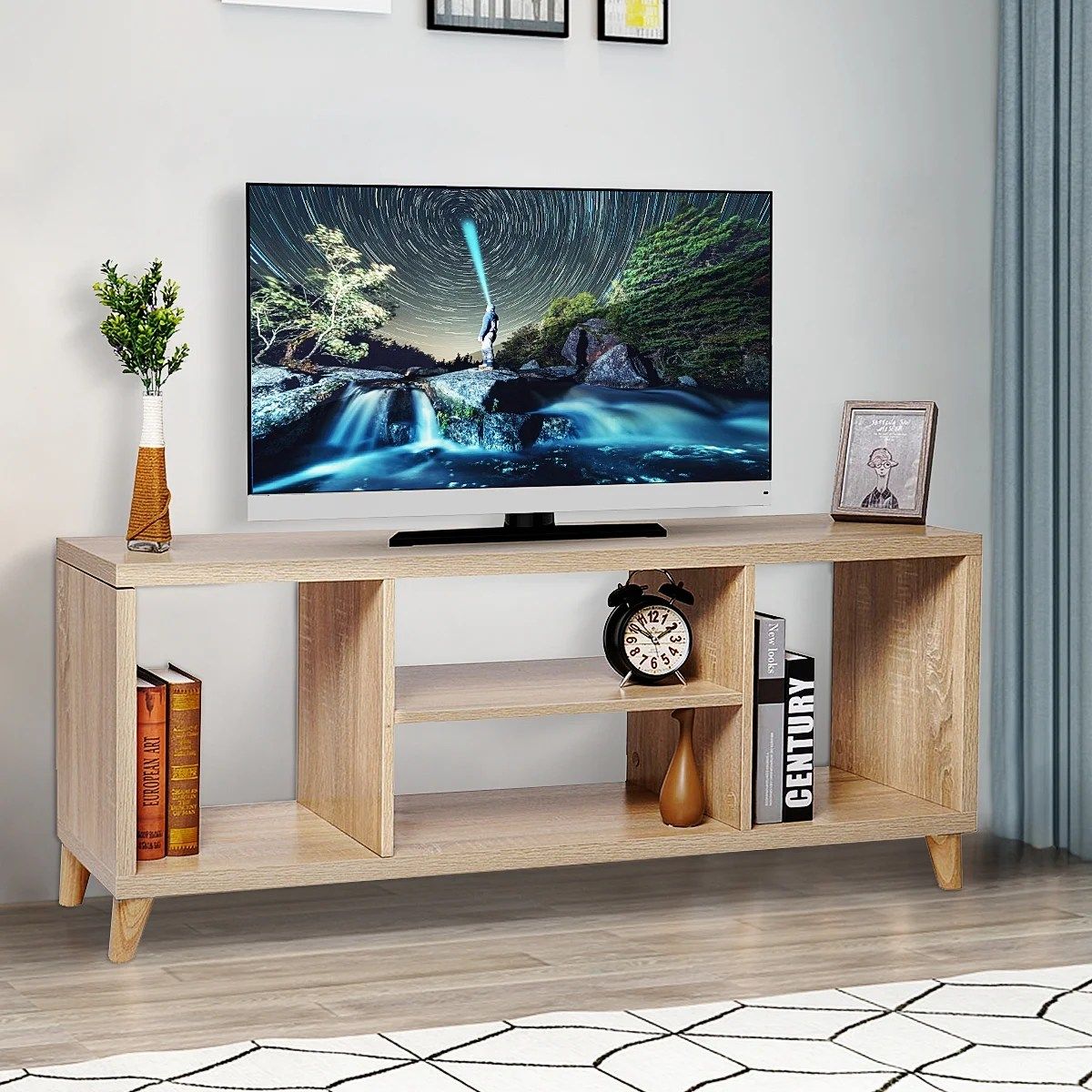
Think about your living room. What comes to mind? Is it the cozy corner where you curl up with a book, or perhaps the spot where friends gather for evening conversations? The furniture you choose for this space does more than just fill the room—it shapes how you live, work, and connect with others. Today, we’re diving deep into the art of crafting a living room that doesn’t just look good, but actually works for your life.
Contemporary living room design has evolved far beyond simple decoration. We now live in an era where every piece must serve multiple purposes while maintaining visual appeal. This shift represents a fundamental change in how we approach our homes—moving from purely ornamental spaces to functional environments that support our daily lives. The challenge lies in finding furniture that meets our practical needs without sacrificing the aesthetic experience we crave. Whether you’re furnishing a new home or refreshing an existing space, understanding this balance can transform your living room from merely comfortable to truly exceptional.
Understanding Modern Living Room Needs
Before we dive into specific design elements, it’s crucial to recognize what modern living rooms actually require. People today spend more time at home than ever before. Your living room isn’t just a place for guests to visit—it’s a multifunctional hub for work, relaxation, socializing, and entertainment. This means furniture needs to accommodate various activities throughout the day.
Consider how many different ways you use your space:
• Watching television or streaming content
• Working from home or studying
• Hosting guests for casual conversation
• Relaxing with family or alone time
• Storing books, electronics, and personal items
These diverse functions mean that furniture must be both practical and visually appealing. The best designs seamlessly integrate form and function, making each piece feel essential rather than decorative. Think about your lifestyle first, then let aesthetics follow naturally.
Key Principles of Functional Design
Good furniture design follows certain principles that ensure both beauty and usability. The most important concept is proportion—the relationship between different elements within a piece. When furniture looks balanced and harmonious, it creates visual stability that makes a space feel intentional rather than chaotic.
Another fundamental principle is flexibility. Modern living rooms benefit from pieces that can adapt to changing needs. A coffee table that doubles as a workspace, or a sofa that transforms into a guest bed, offers incredible value. These solutions don’t compromise style—they enhance it by proving that good design can be clever and beautiful at the same time.
Consider also the concept of ‘honest design.’ This means creating pieces that reveal their purpose clearly. A storage ottoman that’s obviously meant for storing things, or a side table that’s designed specifically for holding drinks and books, creates clarity for users. There’s something satisfying about furniture that doesn’t try to hide its function—it wears its usefulness like a badge of honor.
Color and Material Selection Strategies
The right combination of colors and materials can make or break a living room’s overall impact. Contemporary design often favors neutral tones that provide a calm backdrop for personal touches. But that doesn’t mean you have to sacrifice personality. Consider using accent colors strategically through accessories, artwork, or smaller furniture pieces.
Materials play an equally important role. Natural wood brings warmth and texture to a space, while metal can add industrial sophistication. Textiles like velvet or linen offer comfort and visual interest, and glass provides lightness and openness. The key is mixing these elements thoughtfully.
Take a look at successful contemporary designs—many feature a base palette of whites, grays, or earth tones, with one or two bold accents. This approach allows furniture to stand out while maintaining cohesion. For instance, a charcoal gray sectional might anchor a room, while a bright yellow accent chair adds energy without overwhelming the space.
Multi-Purpose Furniture Solutions
Space-saving innovations have revolutionized how we think about living room furniture. Multi-functional pieces are no longer just a clever hack—they’re essential for modern living. A bench with hidden storage underneath can serve as seating while providing space for blankets, magazines, or seasonal items. Similarly, dining tables that fold down into wall-mounted units can double as extra seating when needed.
The secret to successful multi-purpose furniture is ensuring that the additional function doesn’t detract from the primary purpose. A storage ottoman should still look like a beautiful piece of furniture first, with storage being a bonus feature. The best designs make you forget they’re doing double duty until you need them.
Consider these practical examples:
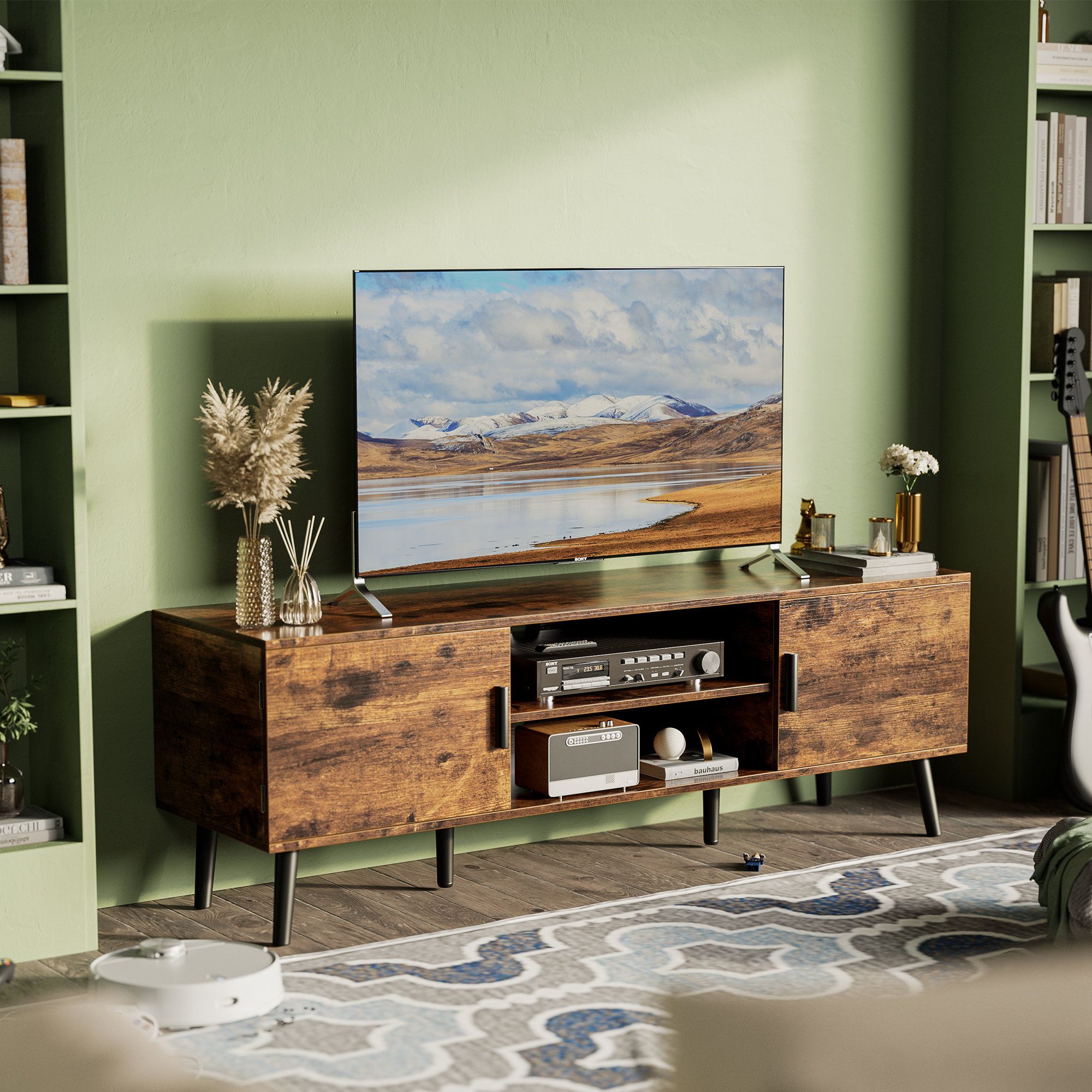
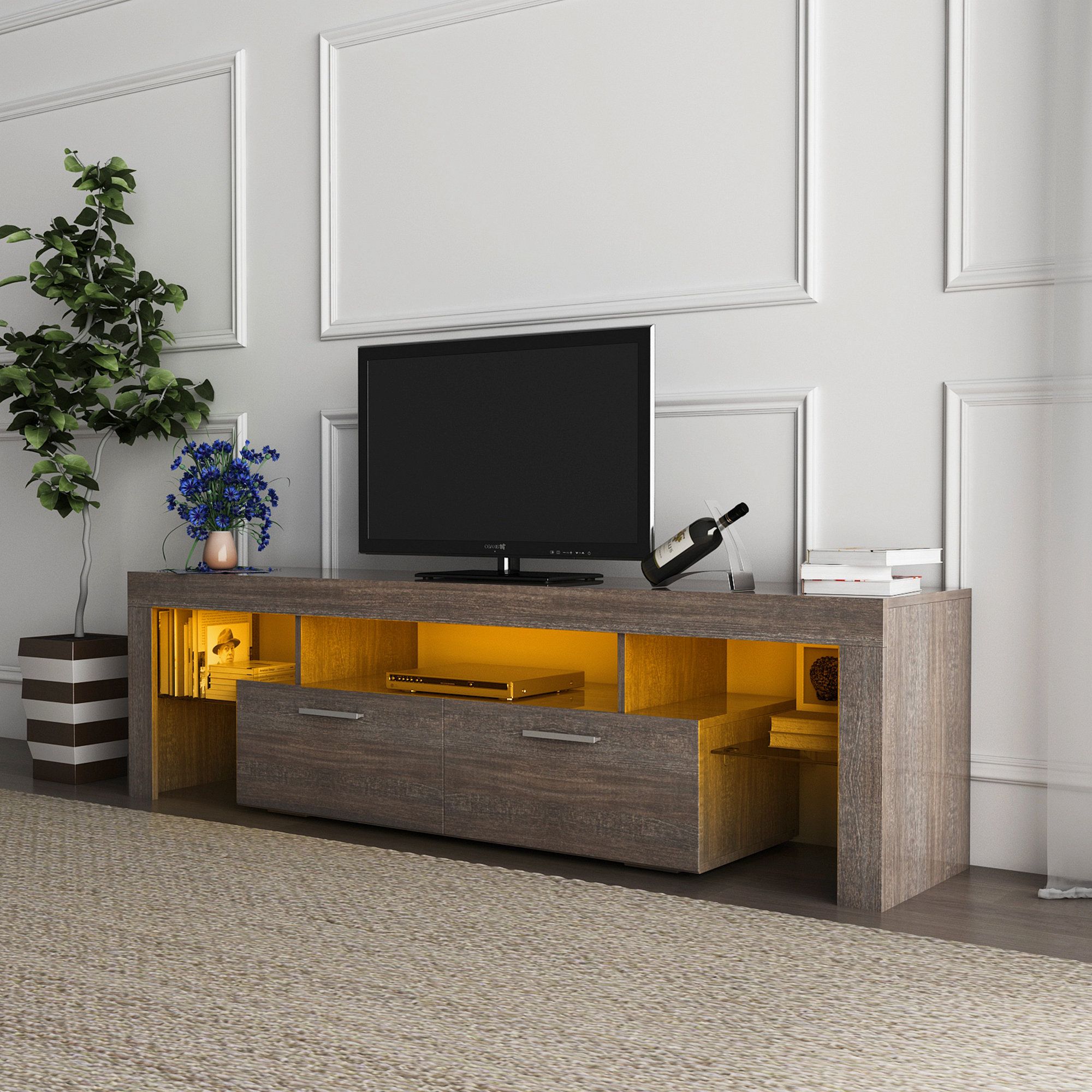
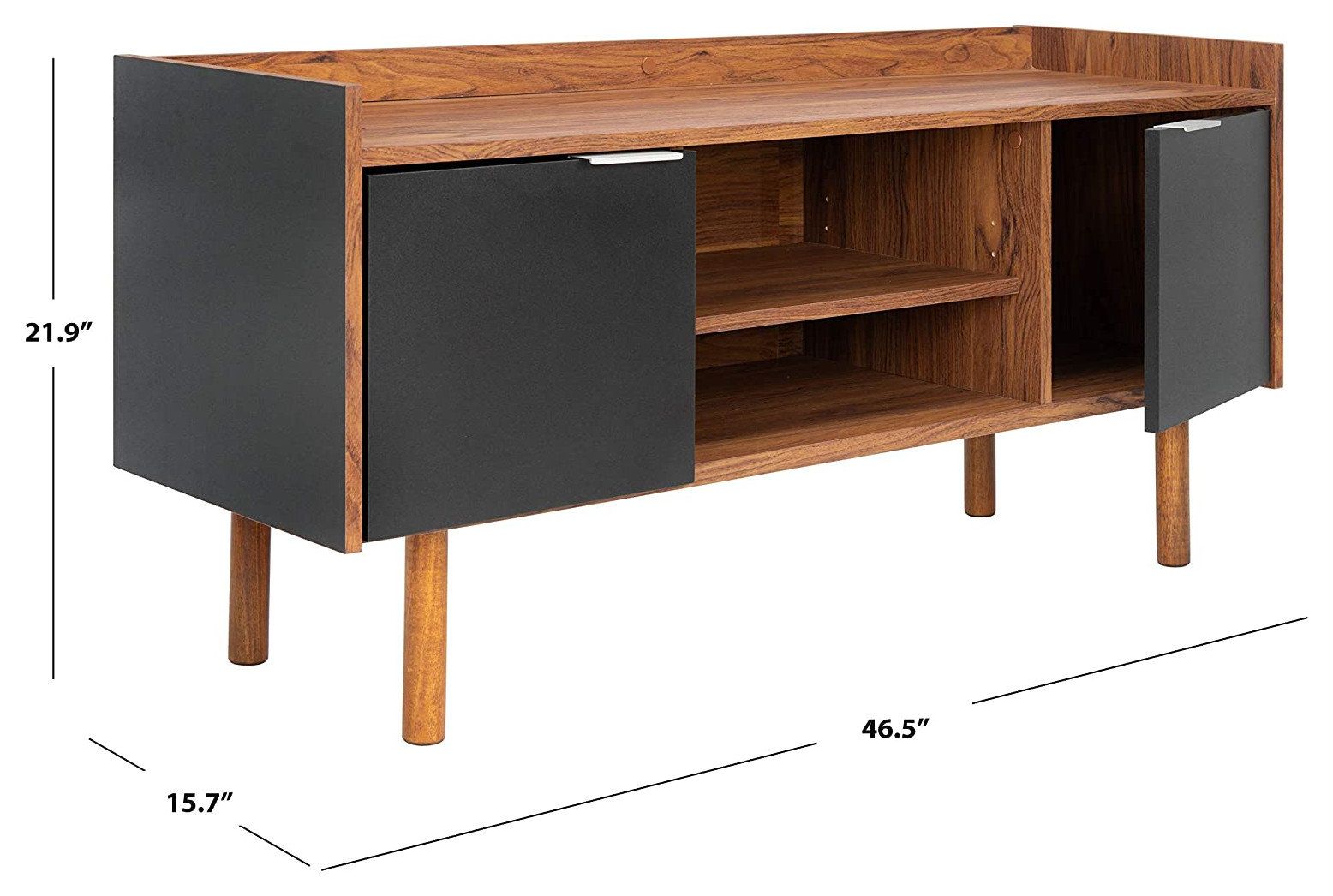
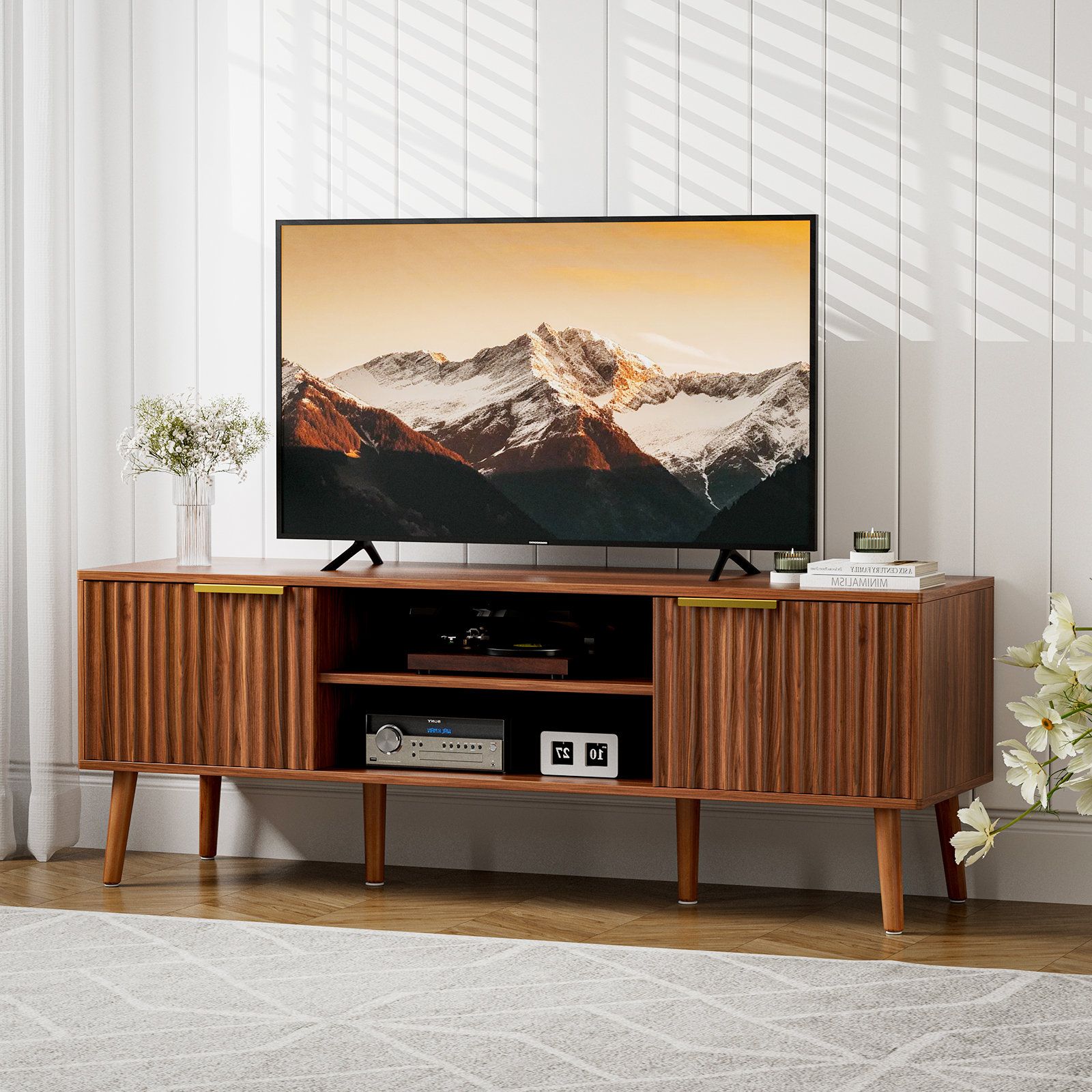
• A console table that can be used as a TV stand and also as a place to display photos and plants
• Modular seating that can be rearranged for different groupings
• Coffee tables with built-in charging stations for electronic devices
• Benches that can be used as seats and also as room dividers
Layout and Flow Considerations
Even the most beautiful furniture will fail if it doesn’t work well within the room’s physical space. Understanding how people move through a room and where they naturally gather is crucial. The layout should encourage conversation while allowing easy access to all areas.
Start with the room’s natural focal point—the fireplace, large window, or television. Arrange furniture around this centerpiece, ensuring there’s enough space for people to walk around comfortably. A general rule is to leave at least 36 inches of clear space between seating arrangements.
Think about traffic flow too. You want to avoid having people bump into furniture or having to navigate around obstacles. Consider how people enter the room and where they’ll naturally position themselves during different activities.
The right arrangement makes everything feel effortless. It’s not just about placing furniture in a circle or row—it’s about creating zones that support different activities while maintaining visual connection between them.
Personalization Without Overwhelming
The most successful living rooms reflect their owners’ personalities while remaining cohesive and inviting. This requires careful balance between personal touches and overall harmony. Too many individual elements can make a space feel cluttered and chaotic.
Start with a few key pieces that truly speak to you—perhaps a favorite armchair, a family heirloom, or a piece of art that brings joy. These items should anchor the space and give it character. Then build around them with complementary furniture that supports the overall vision.
Consider the concept of ‘the rule of three.’ Having three similar elements in a space creates visual rhythm and unity. It could be three matching side tables, or three pieces of artwork with similar color schemes. This principle helps prevent the room from feeling scattered.
Remember that personalization doesn’t always mean bold statements. Sometimes subtle details—like choosing a particular fabric pattern, selecting vintage accessories, or adding plants—can make a space feel uniquely yours without overwhelming the design.
Creating a living room that perfectly balances functionality and aesthetics is both an art and a science. It requires understanding your lifestyle, knowing how to select appropriate furniture, and having the confidence to make decisions that reflect both practical needs and personal taste. The key insight is that these elements aren’t competing against each other—they’re working together to create a space that feels both beautiful and lived-in.
Remember, the best contemporary living room furniture doesn’t try to do everything at once. Instead, it focuses on doing a few things exceptionally well. Whether that’s providing comfortable seating for family gatherings, offering convenient storage solutions, or simply creating a visually pleasing environment for everyday life, great furniture design serves its users while making the space feel special. The result is a home that truly supports how you want to live, not just how you think you should live. Your living room should feel like a reflection of your life, not a museum piece that’s admired from a distance.