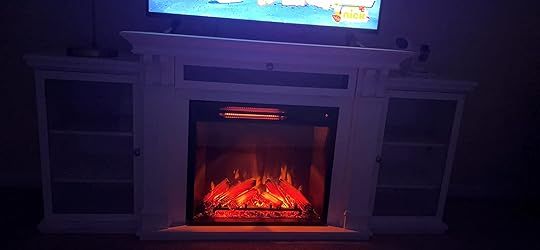
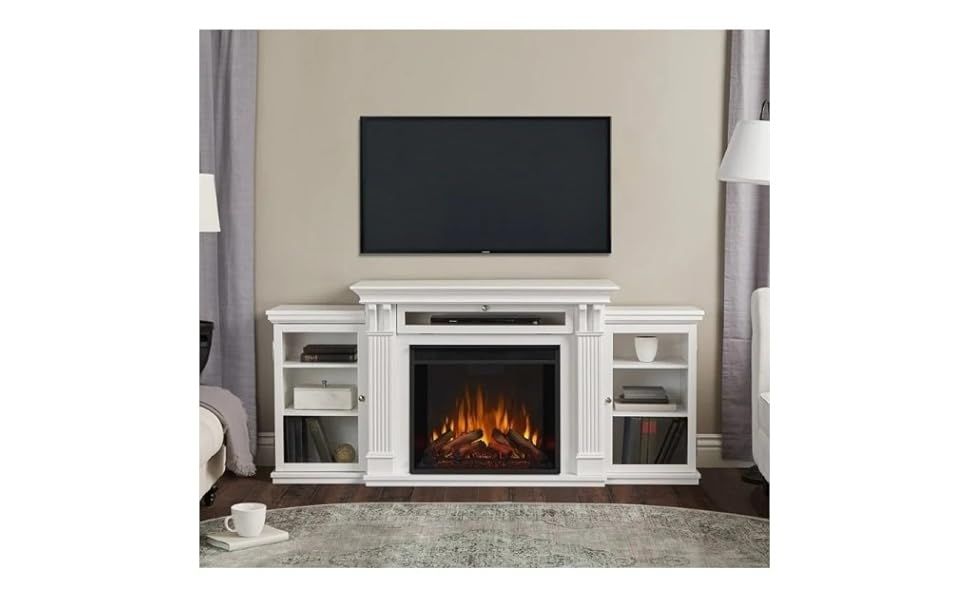
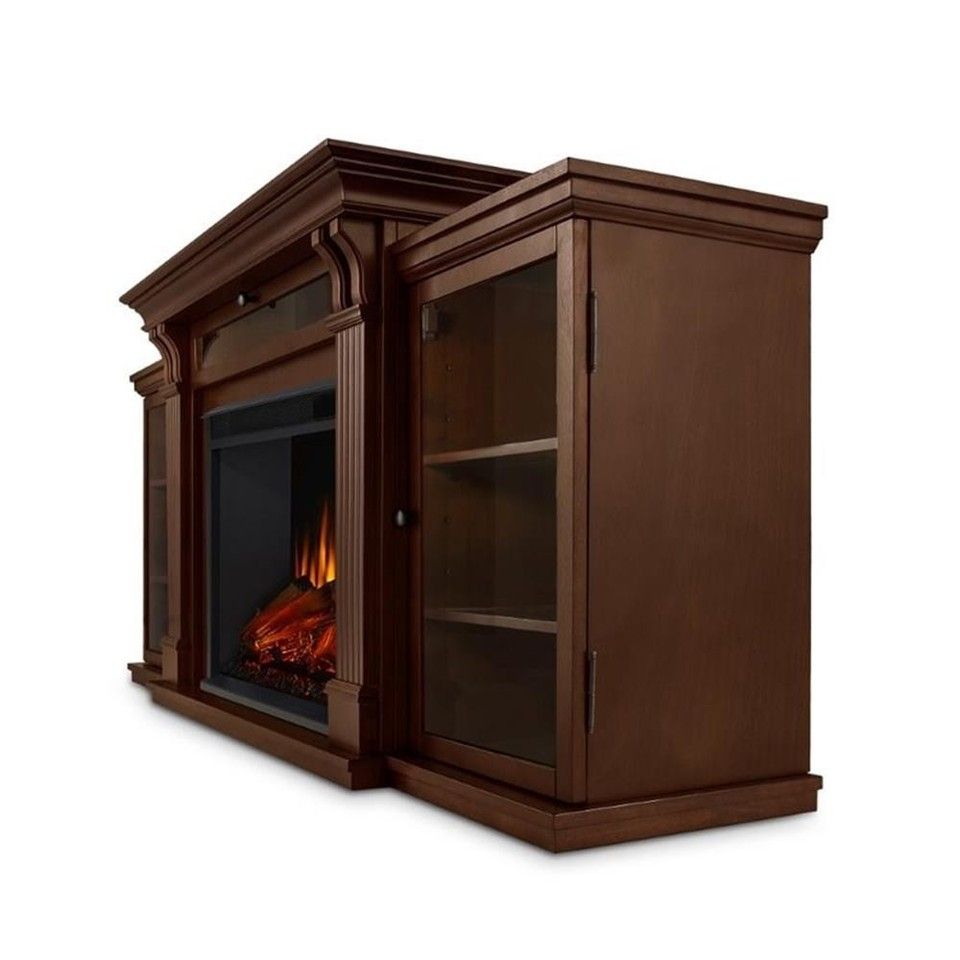
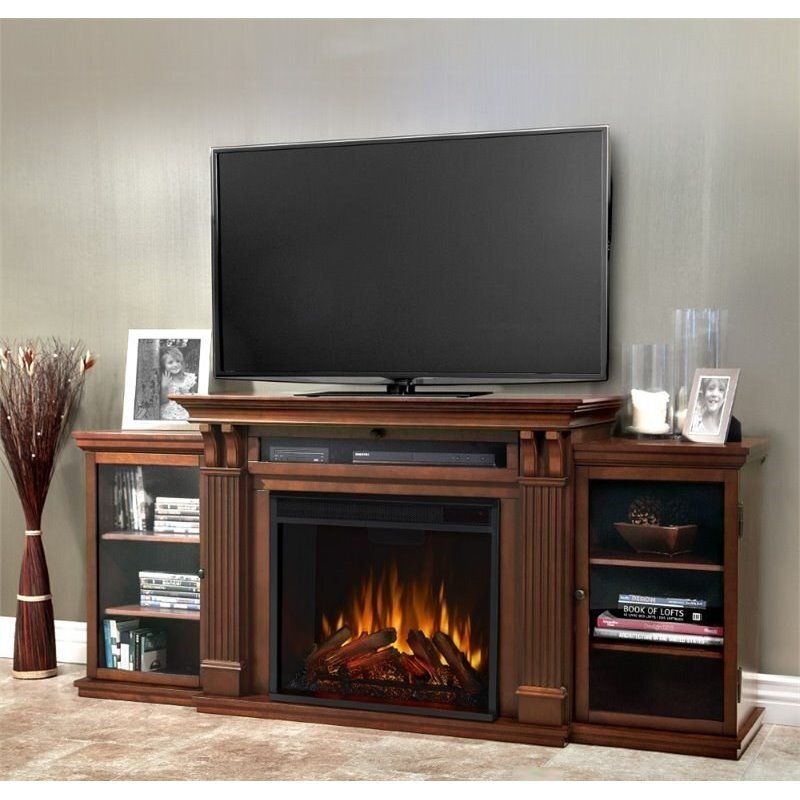
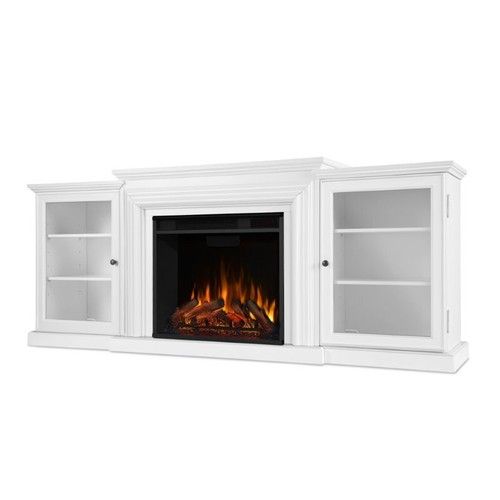
Picture this: a cozy living room with a crackling fire and a television mounted above it. This scene might seem ordinary now, but the furniture that holds our TVs has undergone quite the transformation over the decades. What started as simple wooden shelves has blossomed into sophisticated, multifunctional pieces that blend form and function in ways we never imagined.
When we think about fireplace TV stands, we often picture something straightforward – maybe a wooden shelf or a simple console table. But these humble pieces have actually gone through a remarkable evolution. From the early days of basic craftsmanship to today’s sleek, high-tech marvels, these stands have reflected changing tastes, technological advances, and our evolving relationship with home entertainment. Let’s take a journey through time to see how these essential pieces transformed.
The Early Days: Simple Beginnings
In the early 1900s, fireplace TV stands were nothing fancy. They were essentially wooden shelves or tables that sat directly on the floor or against the wall. These early versions were built for function rather than fashion. The materials were straightforward – usually solid wood like oak, pine, or maple. Craftsmen made them by hand, often using traditional joinery techniques that required skill and patience. You’d find these simple stands in homes across America, serving as the foundation for what would become a beloved part of family living rooms.
The typical stand of this era was low to the ground, designed to accommodate the small, bulky televisions of the time. These pieces had no fancy features – just a flat surface to place your TV on, sometimes with a few drawers or cabinets for storage. The focus was purely on stability and simplicity. Many of these early stands featured carved details or simple geometric patterns, reflecting the craftsmanship traditions of their time. They were meant to last forever, built with thick wood and sturdy construction. The beauty of these pieces lay in their honesty – they showed their materials, their age, and their purpose without trying to hide anything.
Mid-Century Magic: The Golden Age of Wood
The 1950s and 1960s marked a turning point for fireplace TV stands. This period saw the rise of mid-century modern design principles, bringing new aesthetics to furniture. Suddenly, stands became more elegant and thoughtfully designed. The wood choices expanded beyond basics, with exotic woods like teak and bamboo gaining popularity. Designers began incorporating curved lines, tapered legs, and clean geometric shapes.
During this era, stands became more than just functional pieces – they became statements of taste. The famous Danish designer Hans Wegner influenced American furniture makers, introducing minimalist approaches that emphasized natural materials and clean lines. These stands often featured sliding doors, hidden storage compartments, and clever organizational systems. The classic ‘L’ shaped designs emerged, allowing for better placement of multiple items around the fireplace. Some stands even incorporated built-in shelving units that could hold books, plants, or decorative objects. The overall aesthetic was one of sophistication without sacrificing practicality. These stands represented a shift toward considering furniture as both art and utility. The craftsmanship improved dramatically, with more precise joinery and attention to detail. People began treating these pieces as investments, choosing quality materials and timeless designs that would endure for generations.
The 70s and 80s: Bold Moves and New Materials
The 1970s brought bold changes to fireplace TV stands. This was the era of excess, and furniture reflected that spirit. Colors became more vibrant, materials more experimental, and designs more dramatic. Metallic elements started appearing alongside traditional wood. Stainless steel, aluminum, and even plastic became acceptable materials for these pieces. The decade introduced stands with bold geometric patterns, chunky legs, and contrasting finishes.
In the 1980s, technology began influencing design decisions. As TVs grew larger and more sophisticated, stands needed to adapt. This period saw the emergence of stands specifically designed to accommodate the growing size of television sets. The concept of ‘media centers’ began taking shape, though they weren’t called that yet. These stands often featured integrated cable management systems, multiple shelves for various electronics, and sometimes even built-in speakers. The styling became more angular and futuristic, with sharp edges and metallic accents. Some stands even incorporated LED lighting to highlight displays. The emphasis shifted toward creating cohesive entertainment spaces rather than just placing a TV on a stand. These stands were often more expensive, reflecting the growing consumer desire for luxury and innovation in home furnishings. The variety of styles increased dramatically, with options ranging from ultra-modern to retro-futuristic designs.
The Digital Revolution: Smart Integration
As we entered the digital age, fireplace TV stands had to evolve once again. The internet, streaming services, and smart home technologies changed everything. Stands needed to accommodate not just TVs, but entire entertainment ecosystems. This period introduced stands with built-in wireless charging pads, HDMI ports, and even smartphone integration capabilities. The focus shifted toward creating seamless experiences rather than just displaying equipment.
Modern stands began featuring modular designs that could adapt to different room configurations. Some came with adjustable shelving, allowing users to reconfigure their setup as technology evolved. The concept of ‘cable management’ became crucial, with many stands incorporating hidden wire pathways and organization systems. The rise of smart TVs meant stands needed to support wireless connectivity, often featuring integrated Wi-Fi routers or Bluetooth capabilities. Designers started thinking about sustainability, using recycled materials and energy-efficient components. These stands became more about creating personalized entertainment spaces than just holding devices. The aesthetics moved toward clean, minimalist lines that could blend with contemporary interiors. Today’s stands often incorporate sensors, automatic dimming, and even voice control features. The idea of a simple shelf evolved into a complete entertainment hub.
Contemporary Trends: Minimalism Meets Functionality
Today’s fireplace TV stands represent a perfect balance between minimalism and functionality. The clean lines and neutral color palettes reflect our current preference for understated elegance. Modern designers focus heavily on versatility, creating pieces that can work in multiple settings and accommodate various technologies. The trend toward open-concept living spaces has influenced stand designs, with many featuring sleek profiles that don’t overwhelm small spaces.
Current stands often emphasize natural materials like reclaimed wood, stone, and metal. There’s a strong movement toward sustainable manufacturing practices, with many brands focusing on eco-friendly production methods. Smart technology integration continues to advance, with some stands featuring touchscreens, app connectivity, and automated lighting systems. The concept of ‘multi-purpose’ furniture has become central to modern design philosophy. These stands might serve as room dividers, storage solutions, or even seating areas. The color schemes tend to be muted and sophisticated, with popular choices including charcoal gray, warm beige, and natural wood tones. Customization options have increased significantly, allowing homeowners to personalize their stands to match specific interior styles. The emphasis on quality over quantity means these stands are built to last, often coming with extended warranties and premium materials.
Future Visions: What’s Next for Fireplace TV Stands
Looking ahead, fireplace TV stands are poised for even more dramatic changes. Emerging technologies like augmented reality and holographic displays will likely influence future designs. We’re already seeing early prototypes of stands that can adjust their shape or configuration based on user preferences or room conditions. The Internet of Things (IoT) will probably make stands more interactive and responsive to their environment.
Sustainability will continue to drive innovation, with manufacturers exploring new bio-based materials and circular economy principles. Expect to see more stands designed for easy repair and component replacement rather than complete disposal. Artificial intelligence might soon play a role in how stands adapt to user behavior and preferences. Imagine a stand that learns when you typically watch TV and automatically adjusts lighting and temperature accordingly. The possibilities are endless, but one thing remains constant – the fundamental need for these pieces to serve both practical and aesthetic purposes. Future stands will likely be more intuitive, more connected, and more adaptable than anything we’ve seen before. The evolution continues, and we’re just beginning to glimpse what’s possible.
The journey of fireplace TV stands from simple wooden shelves to sophisticated entertainment hubs tells us a lot about our changing relationship with technology and home design. Each era left its mark on these essential pieces, reflecting not just what we wanted to display, but who we were as a society. From the craftsmanship of early builders to the smart technology of today, these stands have evolved alongside us. They’ve adapted to new media formats, embraced changing lifestyles, and continued to serve their core purpose: bringing families together around shared entertainment experiences. Whether you prefer the warmth of traditional wood or the sleekness of modern steel, there’s a fireplace TV stand out there that speaks to your style and needs. The evolution isn’t over yet, and that’s what makes this story so exciting to follow. The next generation of stands will undoubtedly surprise us all, just as previous generations did.