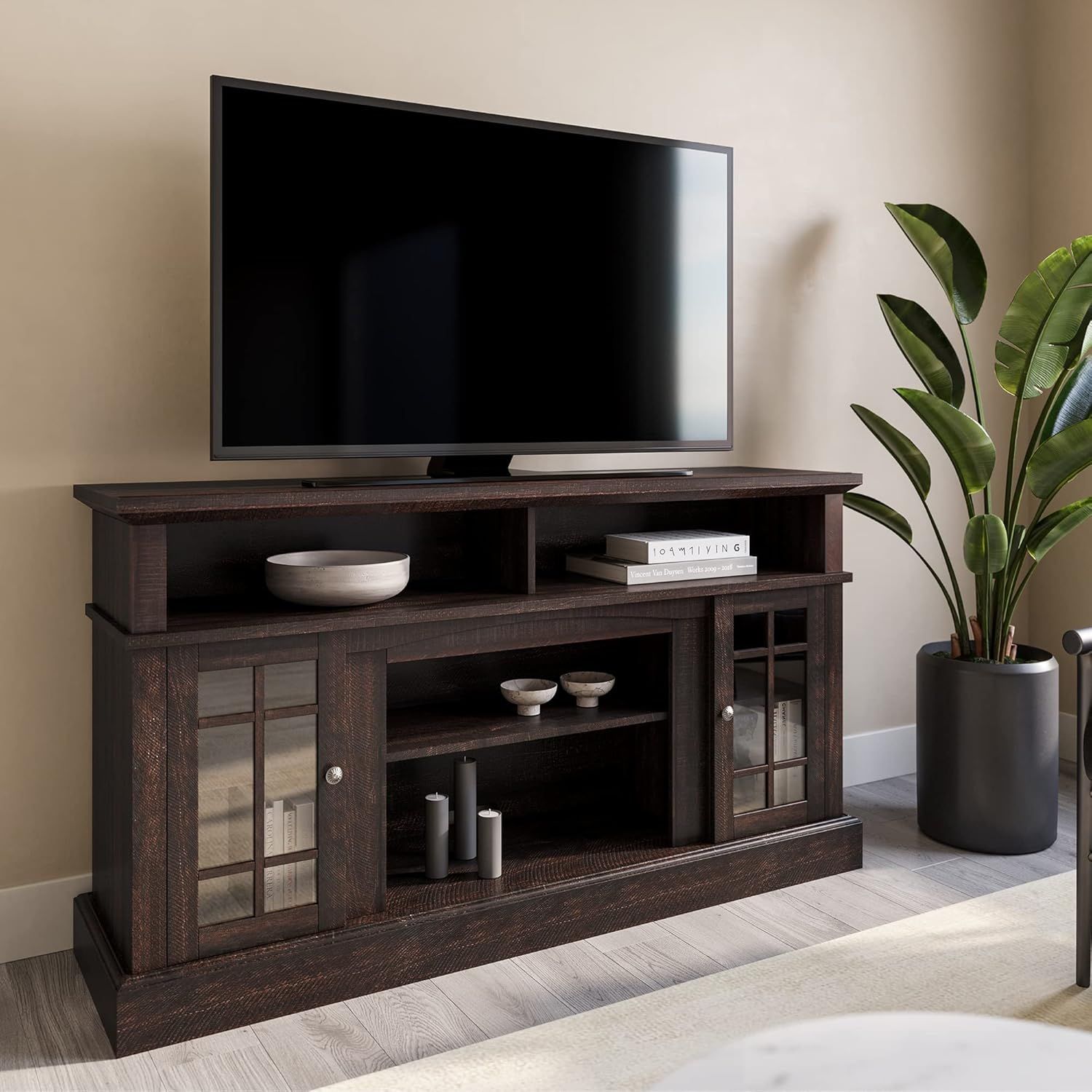
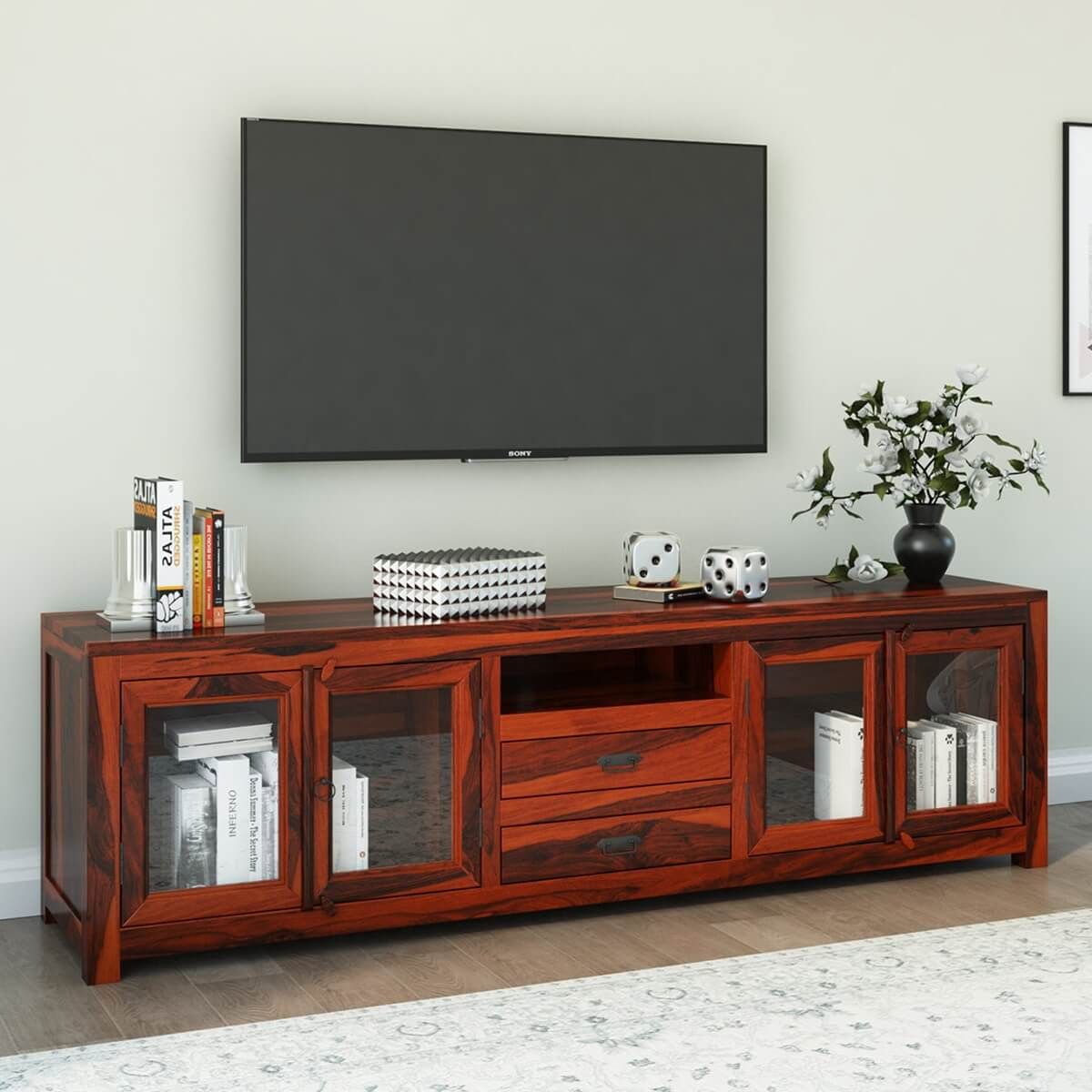
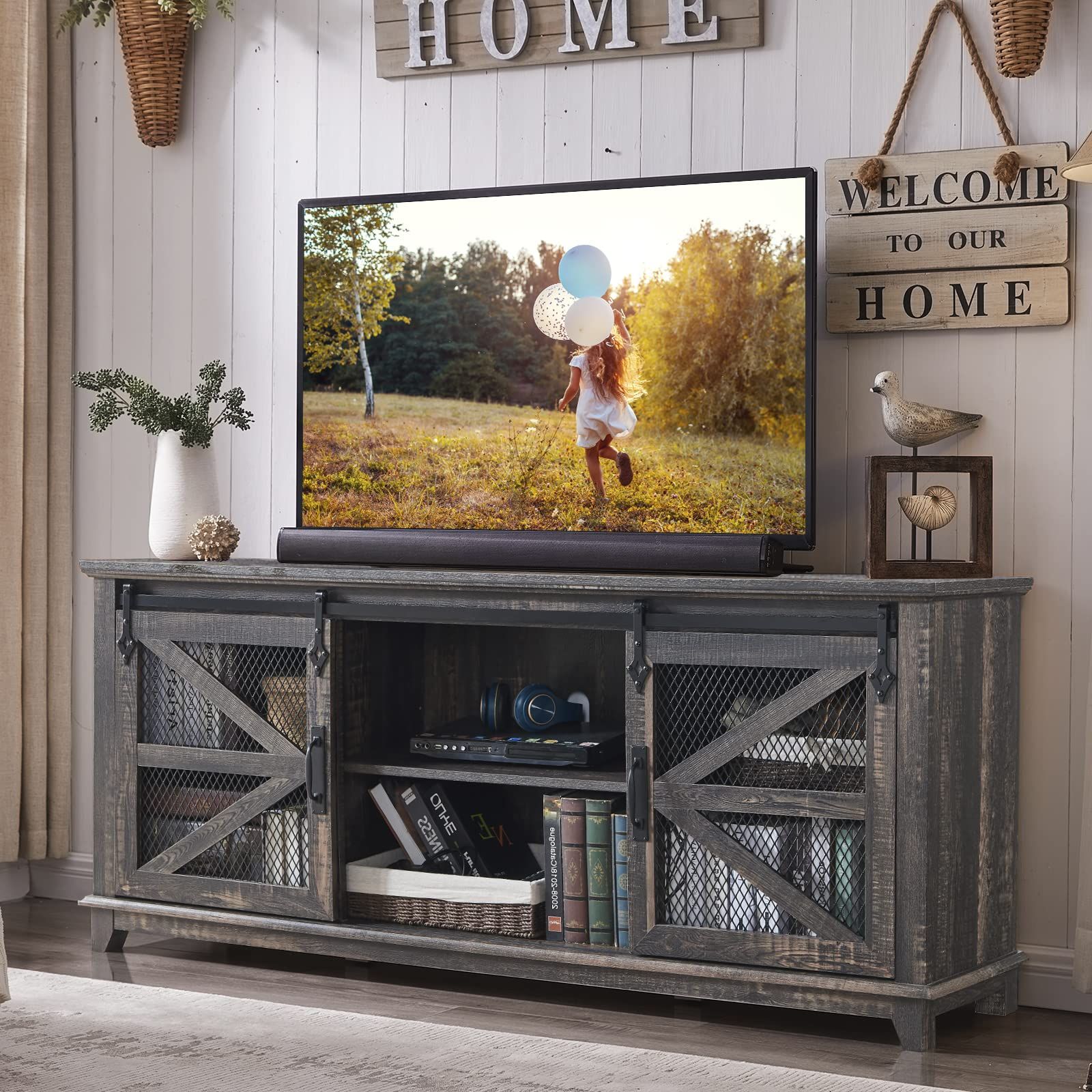
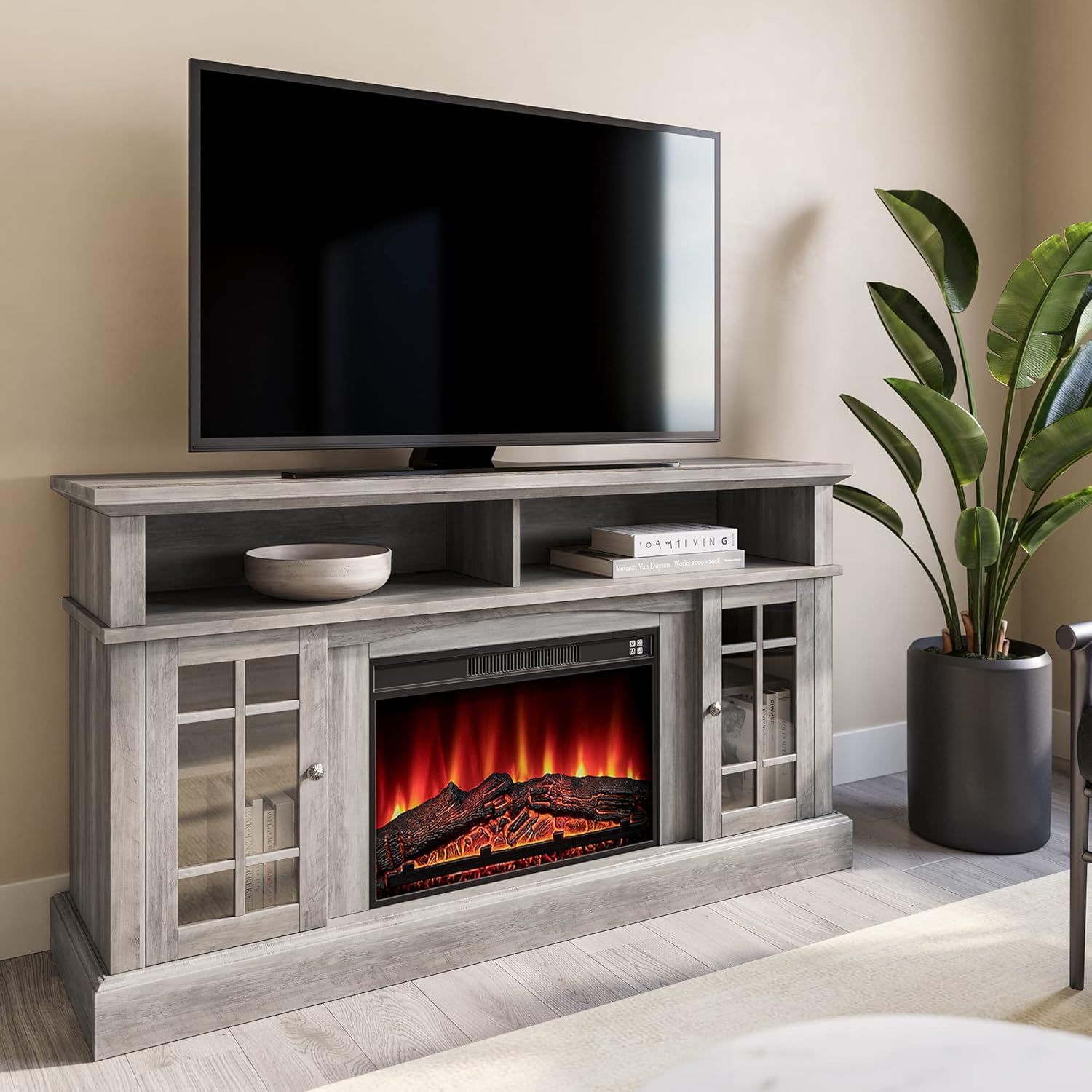
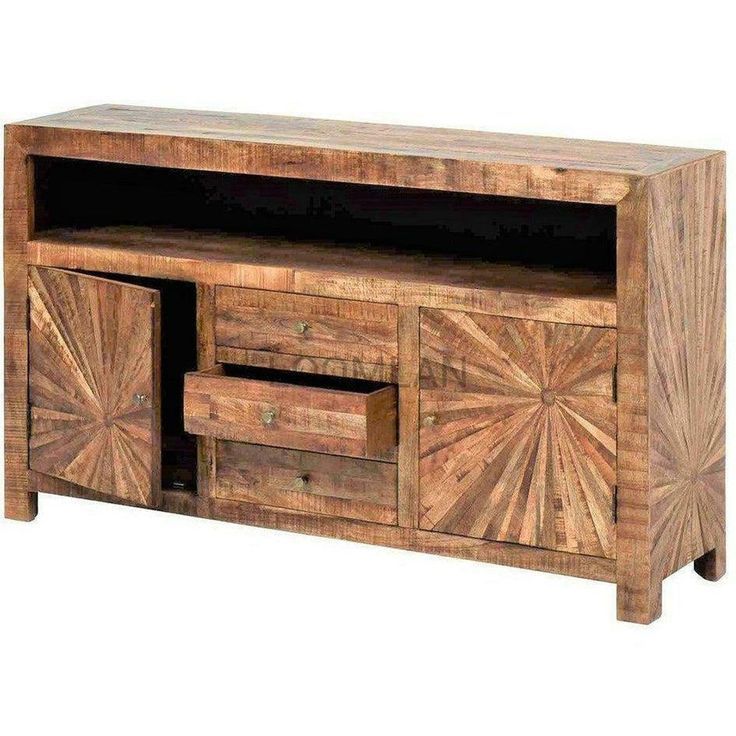
There’s something deeply comforting about wood grain that’s been weathered by time, or the gentle imperfections that come from nature itself. In today’s world of sleek, minimalist aesthetics, rustic furniture has emerged as a powerful counterbalance. It’s not just about nostalgia – it’s about creating spaces that feel alive, grounded, and authentically human. Whether you’re renovating your entire home or simply adding a few carefully chosen pieces, rustic elements offer a warmth that no amount of technology can replicate.
In recent years, the intersection of rustic charm and contemporary design has created a beautiful harmony that many homeowners find irresistible. We’ve moved beyond the idea that rustic means ‘old-fashioned’ or ‘clunky.’ Instead, we now see rustic furniture as a sophisticated way to bring texture, character, and genuine warmth into our living spaces. This evolution isn’t just about style – it’s about creating homes that feel more connected to the earth, to history, and to ourselves. The appeal lies in its ability to bridge the gap between the past and present, offering comfort without sacrificing modernity.
The Rise of Natural Materials in Modern Design
The shift toward natural materials represents one of the most significant changes in home decor over the last decade. People are increasingly drawn to pieces made from genuine wood, stone, and metal that have been minimally processed. This movement isn’t just about looking back – it’s about finding solutions that work better with our environment. Think about how a reclaimed oak dining table creates conversation starters while providing decades of durability. These materials age gracefully, developing patinas and character that grow with your home.
Natural materials also offer tangible benefits. Wood absorbs sound, stone provides stability, and metals like wrought iron add strength. When you choose furniture that respects these materials’ inherent properties, you’re not just decorating – you’re creating a space that supports both your lifestyle and your well-being. The beauty of this approach is that it works across all price points, from budget-friendly options to luxury pieces.
Mixing Old and New: The Art of Contrasting Styles
One of the most exciting aspects of rustic furniture trends is how they encourage mixing different eras and styles. You might pair a vintage wooden chair with a contemporary glass coffee table, or blend handcrafted metalwork with clean-lined modern shelving. This juxtaposition creates visual interest and tells a story about your personal journey. The key isn’t to match everything perfectly – it’s to find balance.
Consider this approach: if you have a rustic wooden sideboard, pair it with sleek, low-profile seating. If you’ve got a modern sofa, add some rustic accent chairs. The contrast makes each piece stand out more effectively. It’s like musical composition – when you layer different elements, you create harmony rather than chaos. This technique works especially well in open-concept spaces where you want to define areas without using walls.
Color Palettes That Embrace Earthiness
Rustic design favors colors that come from the natural world. Think warm browns, muted greens, deep reds, and soft creams. These hues aren’t just aesthetically pleasing – they have psychological benefits too. They create calm environments that help reduce stress and promote relaxation. A room painted in warm taupe with touches of forest green feels instantly more welcoming than stark whites or cold grays.
The beauty of earth-toned palettes is their versatility. You can start small with throw pillows or artwork, then gradually expand to larger furniture pieces. Consider how a rich chestnut-colored armchair can anchor a room, or how a sage green accent wall can provide a peaceful backdrop for daily activities. These colors also tend to be more forgiving – they hide wear and tear better than bright, bold hues.
Functional Beauty: Practicality Meets Aesthetics
Modern rustic furniture excels because it doesn’t sacrifice function for form. A well-designed rustic bookshelf might feature built-in lighting, adjustable shelves, and storage solutions that work with your lifestyle. Similarly, a dining table made from reclaimed wood often includes features that make it practical for daily use. The craftsmanship involved in rustic pieces often means they’ll last longer and require less maintenance than mass-produced alternatives.
This emphasis on utility extends beyond the furniture itself. Rustic design often incorporates elements like built-in storage, multi-purpose pieces, and clever organizational solutions. A rustic bench might double as extra seating and storage for shoes or blankets. The goal is to create pieces that serve multiple roles while maintaining their aesthetic appeal. This approach makes sense financially too – investing in quality pieces that last longer often costs less over time.
The Role of Texture in Creating Depth
Texture adds dimension to any space, and rustic furniture excels at this. Rough-hewn wood, smooth stone, weathered metal, and soft textiles all contribute to a tactile experience that engages our senses. When you touch a piece of furniture and feel its surface, you’re connecting with it on a deeper level. This physical connection enhances the emotional attachment to your home.
Think about how a woven rope chair brings a different feeling than a polished wooden chair. How does the rough bark of a tree trunk differ from the smooth finish of modern furniture? These differences create layers of interest that make a room feel lived-in rather than staged. Texture also affects how light reflects off surfaces, creating shadows and highlights that change throughout the day. This dynamic quality keeps your space interesting even after months of being in the same configuration.
Sustainable Choices for Modern Living
Rustic furniture often aligns with sustainable living practices. Reclaimed wood, locally sourced materials, and time-tested construction methods all contribute to environmentally conscious choices. When you choose furniture made from reclaimed materials, you’re reducing demand for new resources and giving old materials new life. This approach reduces waste and supports circular economy principles.
Many rustic pieces are also built to last. Unlike fast fashion furniture that breaks after a few years, quality rustic items often become family heirlooms. This longevity reduces the environmental impact of frequent replacements. Additionally, traditional woodworking techniques often use fewer chemicals and processes than modern manufacturing. When you invest in sustainable rustic furniture, you’re making a choice that benefits both your home and the planet.
Rustic furniture trends represent more than just a passing fad – they embody a fundamental shift in how we think about home design. By embracing natural materials, mixing styles thoughtfully, and choosing pieces that combine beauty with function, we’re creating spaces that feel more authentic and enduring. The appeal of rustic elements lies in their ability to ground us in something larger than our daily routines. They remind us of simpler times while supporting our modern lives. Whether you’re starting fresh or updating existing pieces, incorporating rustic elements can transform your home into a place that feels both comfortable and inspiring. The key is to approach it with intention and respect for both the materials and the stories they carry.