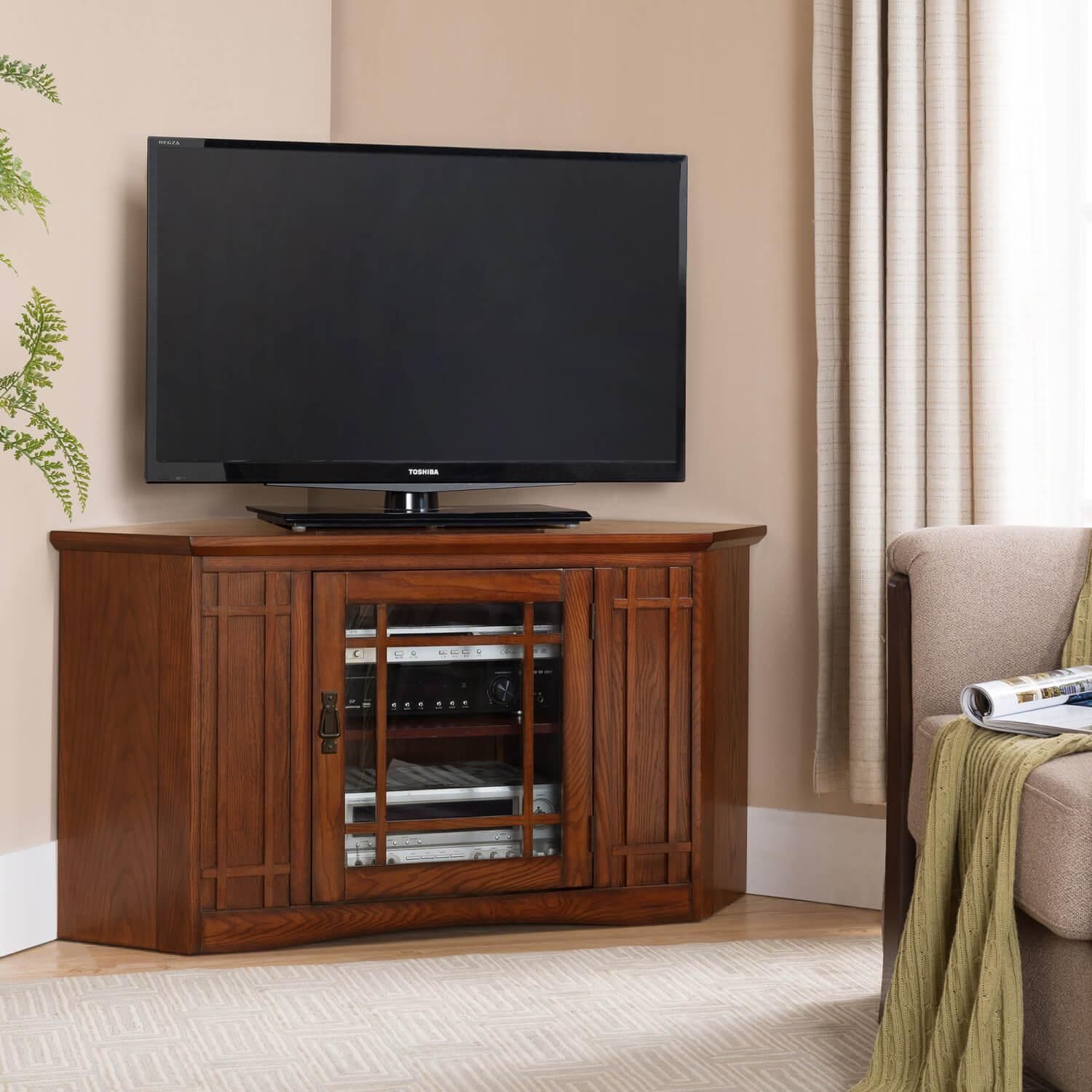
There’s something deeply satisfying about the clean lines and honest materials of mission style woodwork. It speaks to our desire for authenticity in an age of mass production. This design movement, born in the late 1800s, still holds strong appeal for those seeking quality craftsmanship and simple elegance. What makes these pieces so enduring? Let’s explore the elements that define this remarkable style.
Mission style woodwork emerged during a time when Americans were searching for something different from the ornate Victorian designs that dominated the era. The movement was part of a broader cultural shift toward simplicity, honesty, and functionality. These pieces weren’t just furniture—they were statements about values and lifestyle. Today, when we see a well-crafted mission style table or cabinet, we’re witnessing decades of craftsmanship traditions that have stood the test of time. The beauty lies not just in their appearance but in the story they tell about the people who made them and the era they represent.
Origins and Historical Context
Mission style woodwork traces its roots back to the late 19th century, particularly the 1870s through 1910s. It was influenced by the Arts and Crafts movement that emphasized handcrafted goods over machine-made alternatives. The name itself comes from the Spanish missions of California, where early settlers found inspiration in the simple, functional architecture. These wooden pieces reflected the values of hard work, honesty, and connection to nature. The style was championed by designers like Gustav Stickley, who believed that beautiful, useful objects should be accessible to everyone. He argued that good design shouldn’t be reserved for the wealthy alone. This philosophy helped mission style spread beyond elite circles into middle-class homes across America. The movement was also heavily influenced by the Arts and Crafts philosophy that celebrated traditional craftsmanship over industrial production. It represented a reaction against the overly decorated and mass-produced items of the Victorian era. Many pieces were designed to be both beautiful and practical, serving daily functions while maintaining aesthetic appeal. You might find yourself drawn to these pieces because they offer a sense of permanence and quality that’s often missing from modern manufactured goods.
Core Design Principles
What really defines mission style woodwork? It’s all about the principles that guide every piece. First and foremost is the emphasis on natural materials, particularly wood. The grain patterns are often highlighted rather than hidden, celebrating the inherent beauty of the wood itself. Simple geometric shapes dominate the design language. Think rectangles, squares, and straight lines. There’s no fancy carving or excessive ornamentation. Everything serves a purpose, and every element has meaning. The proportions are carefully considered, creating a sense of balance and harmony. Clean lines mean that the eye can follow the design naturally without distractions. This approach creates pieces that feel both substantial and elegant. Many mission pieces feature exposed joinery techniques that show off the construction methods. The overall effect is one of honesty and transparency in design. These aren’t pieces that try to hide what they are or how they’re made. They proudly display their construction, which adds to their appeal for many collectors and enthusiasts. The design philosophy is essentially about doing less but doing it better. Every element contributes to the whole rather than competing with it. This makes the pieces feel grounded and reliable.
Key Visual Characteristics
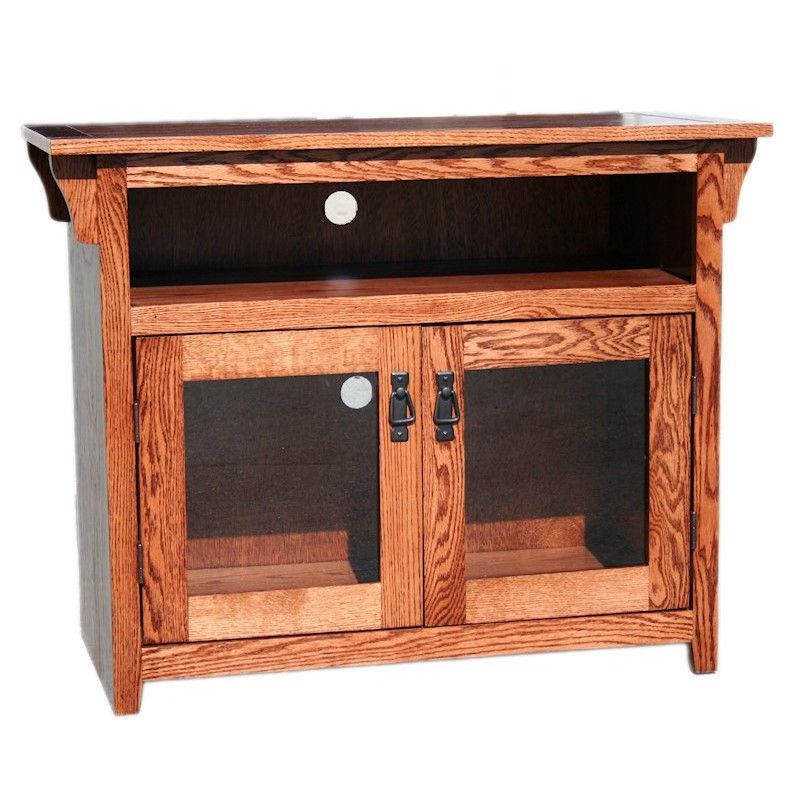
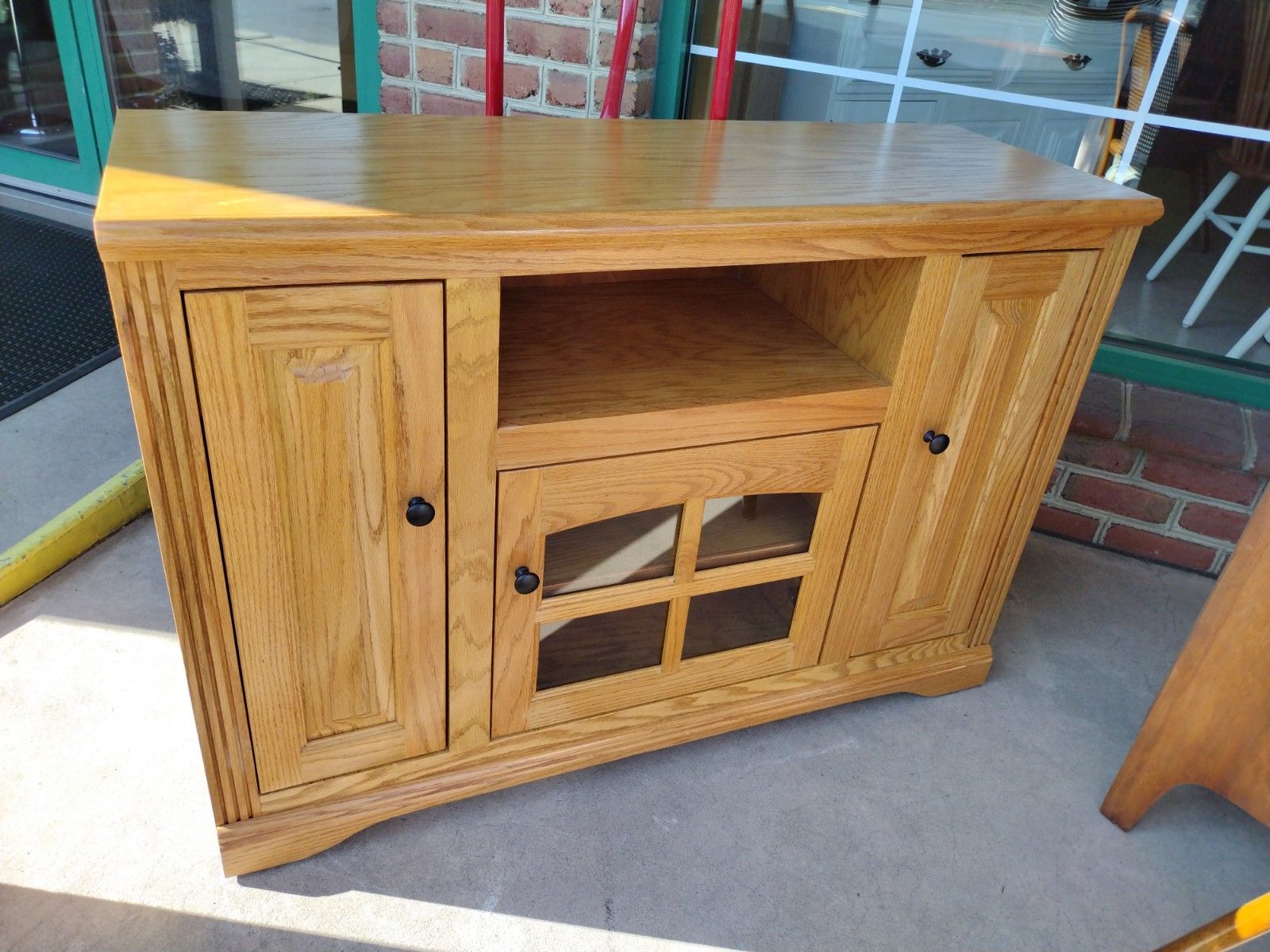
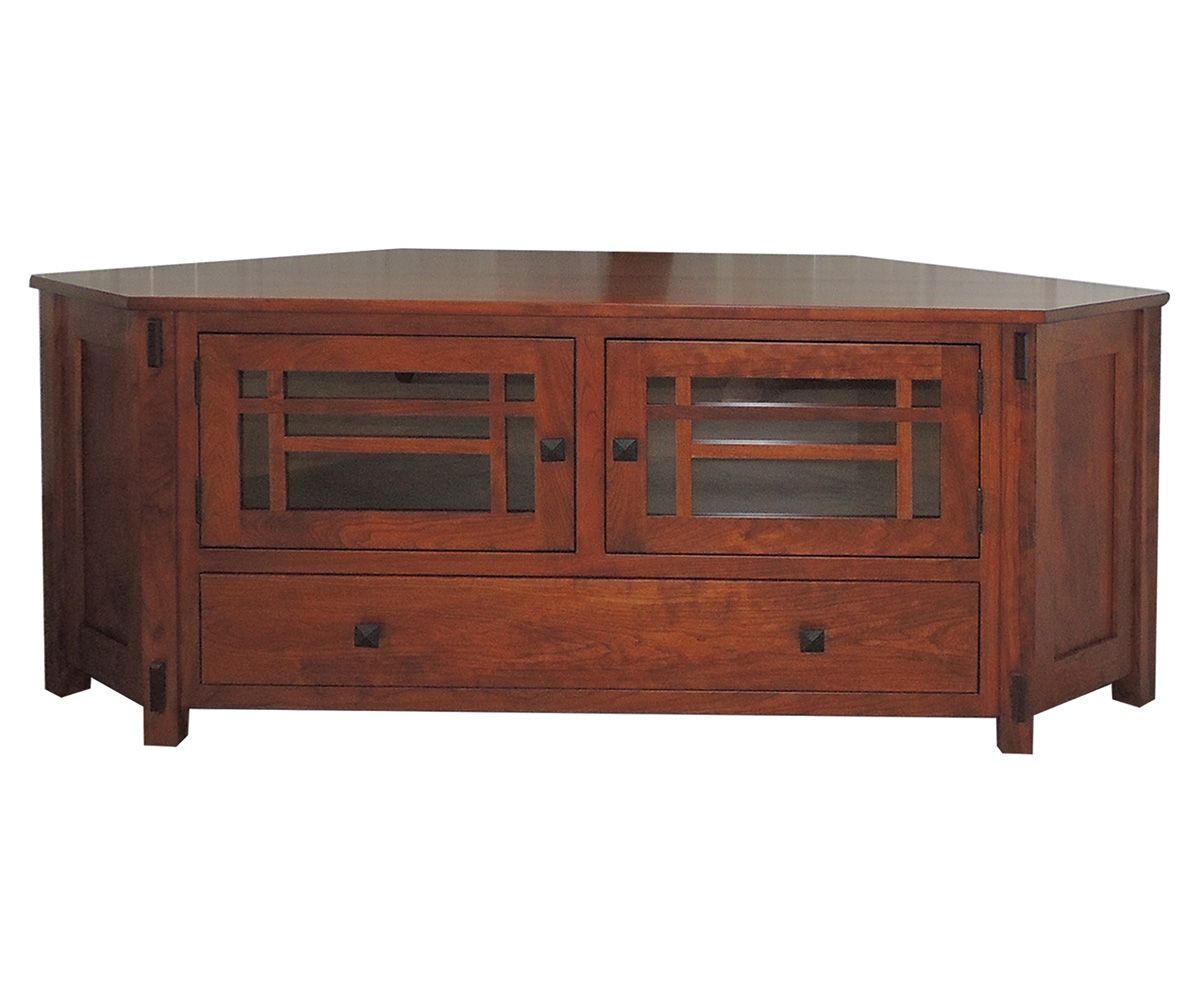
Look closely at mission style woodwork and you’ll notice certain recurring visual elements. The most obvious is the use of solid, heavy woods like oak, maple, cherry, and walnut. These woods aren’t just chosen for their beauty but for their durability and strength. The grain patterns are typically prominent and often left visible. This isn’t about hiding the wood—it’s about celebrating it. The color palette tends to be earth tones and warm browns. You rarely see bright colors or stark contrasts. Instead, there’s a subtle harmony between different wood tones and finishes. Hardware is usually simple and functional, often brass or iron in basic shapes. The hardware isn’t decorative but serves its purpose well. Many pieces feature straight, horizontal lines that emphasize stability and strength. Vertical elements are kept minimal and purposeful. Some pieces incorporate subtle geometric patterns or simple motifs, but never anything too busy or distracting. The overall look is understated yet powerful. It’s the kind of design that grows on you over time. The beauty isn’t immediately flashy but reveals itself gradually. This makes mission style pieces excellent investments for those who appreciate timeless aesthetics. The visual characteristics create a sense of calm and order that many people find appealing in their living spaces.
Construction Techniques and Materials
The way mission style pieces are built tells part of their story. Traditional joinery methods like mortise and tenon or dovetail joints are common. These aren’t just structural choices—they’re design decisions that showcase craftsmanship. The pieces are often built to last for generations, not just for a few years. Solid wood construction means these items can be refinished multiple times over decades. The wood is typically cut and shaped using traditional hand tools when possible, though modern machinery may also be used. The attention to detail in construction shows in how edges are finished and how surfaces are sanded and polished. Many craftspeople still prefer hand-finishing methods because they produce a better texture and feel. The glue and fasteners used are often chosen for their longevity and compatibility with wood. Some pieces even feature visible screws or bolts that serve both functional and aesthetic purposes. This openness to construction details sets mission style apart from many contemporary alternatives. The construction process reflects the same values that drive the design philosophy—honesty, durability, and respect for materials. When you hold a well-made mission style piece, you can feel the care that went into its creation. The materials and techniques used ensure that these items won’t just look good but will actually last.
Popular Mission Style Furniture Types
Mission style woodwork encompasses a wide range of furniture types, each with its own distinctive characteristics. Dining tables are perhaps the most iconic pieces, featuring thick, sturdy tops and simple legs. These tables often have straight edges and minimal decoration. Sideboards and buffets are popular for their storage capabilities and elegant proportions. They typically have flat tops with simple, rectangular shapes. Bookcases and shelving units showcase the wood’s natural beauty while providing practical organization. These pieces often feature open designs with simple brackets or supports. Bedroom furniture like beds and dressers maintain the same principles of simplicity and functionality. The headboards and side panels are usually straight and unadorned. Office furniture such as desks and filing cabinets demonstrate how mission style can work in professional settings. These pieces combine the necessary storage and work surfaces with the characteristic clean lines. Wardrobes and chests of drawers provide both beauty and utility in a single package. The overall effect is one of calm functionality that doesn’t compromise on style. Each type of furniture maintains the core principles while adapting to specific needs. This versatility is part of what makes mission style so enduring and adaptable to different spaces and uses. The furniture types reflect the movement’s commitment to practicality without sacrificing aesthetic appeal.
Modern Relevance and Contemporary Applications
Mission style woodwork isn’t just a historical curiosity—it’s very much alive in today’s design landscape. Modern architects and interior designers frequently incorporate mission elements into contemporary spaces. The clean lines and natural materials fit perfectly with minimalist and Scandinavian design trends. Many new builders and custom craftsmen are reviving traditional mission techniques while using modern tools. The style works exceptionally well in both traditional and modern homes. In contemporary settings, mission style pieces often serve as focal points that anchor a room. They bring warmth and authenticity to spaces that might otherwise feel cold or sterile. The durability of mission style pieces means they can easily adapt to changing tastes and styles over time. You can find modern interpretations that blend classic mission elements with current design sensibilities. Some designers even create pieces that pay homage to the original style while incorporating new materials or finishing techniques. The timeless nature of the design means that pieces can be easily integrated into various interior schemes. Whether you’re looking to add character to a modern kitchen or create a cozy reading nook, mission style woodwork offers versatile solutions. The style’s emphasis on quality and craftsmanship also appeals to consumers who want to invest in pieces that will last. This makes it particularly attractive to people who value sustainability and longevity in their home furnishings.
Mission style woodwork represents more than just a design aesthetic—it embodies a philosophy about craftsmanship, functionality, and lasting beauty. These pieces connect us to a time when quality mattered more than quantity, when the maker’s skill could be seen in every joint and finish. The enduring popularity of mission style proves that good design transcends trends and seasons. Whether you’re considering adding a mission style table to your dining room or simply admiring the workmanship in a vintage piece, there’s something special about these creations. They remind us that thoughtful design can be both beautiful and useful. The principles that guided these craftspeople centuries ago remain as relevant today as they were when the movement first began. In a world full of disposable items, mission style woodwork stands as a testament to the value of making things that truly last. These pieces don’t just fill rooms—they fill them with history, integrity, and genuine craftsmanship that continues to inspire.