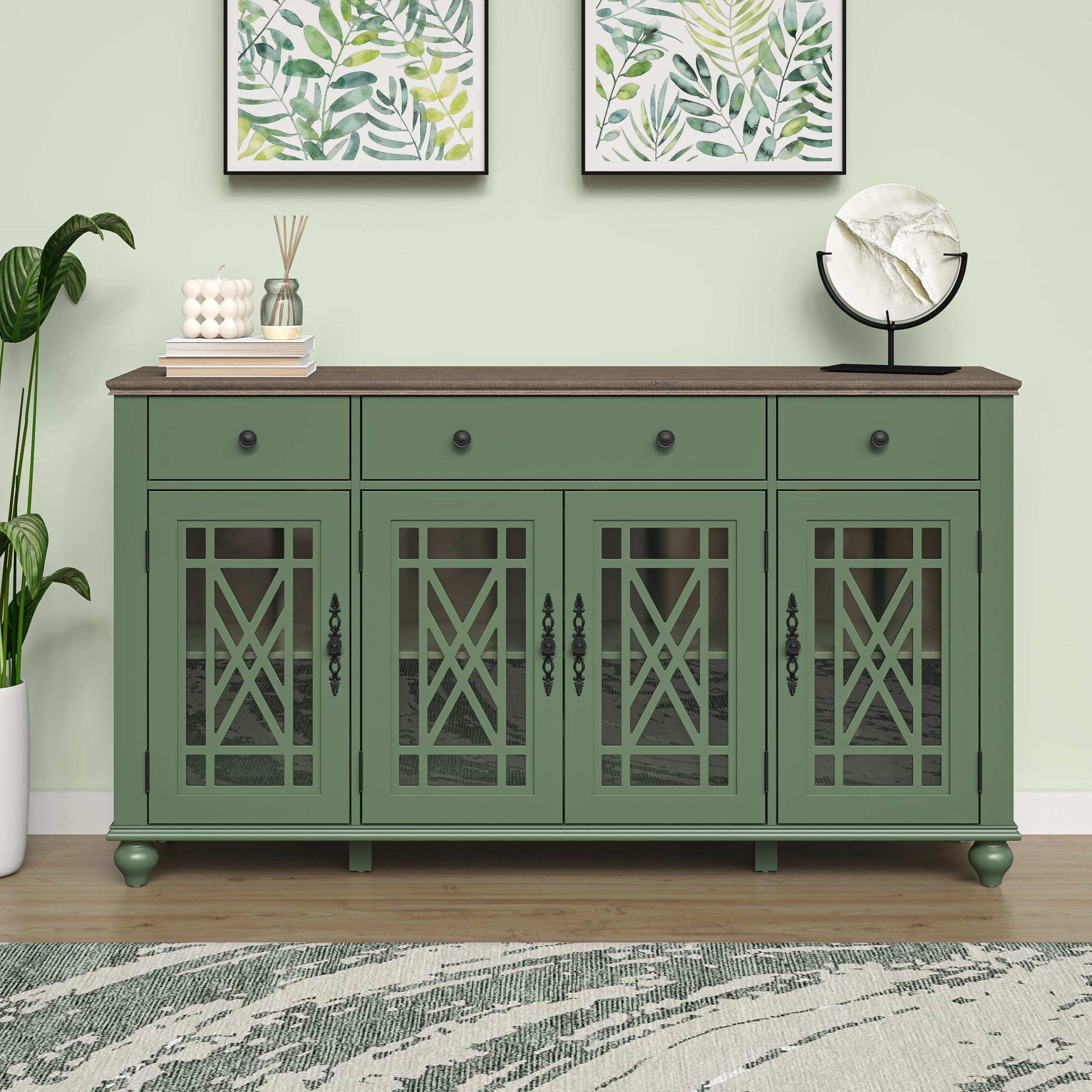
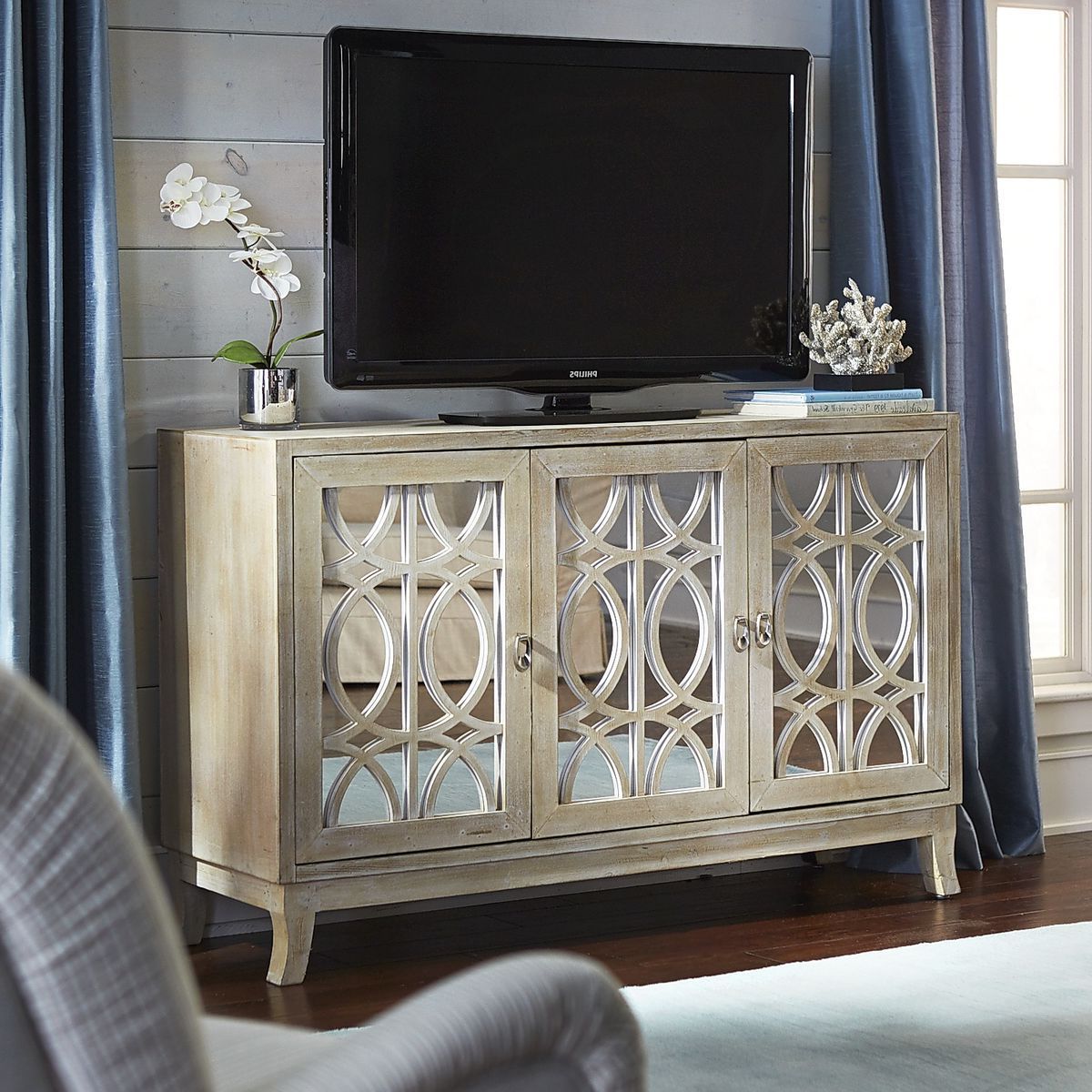
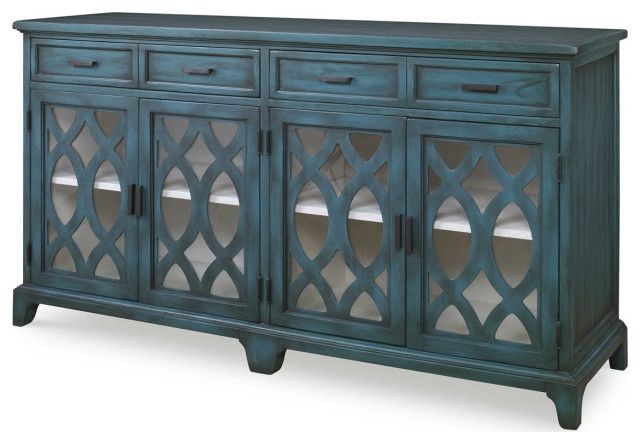
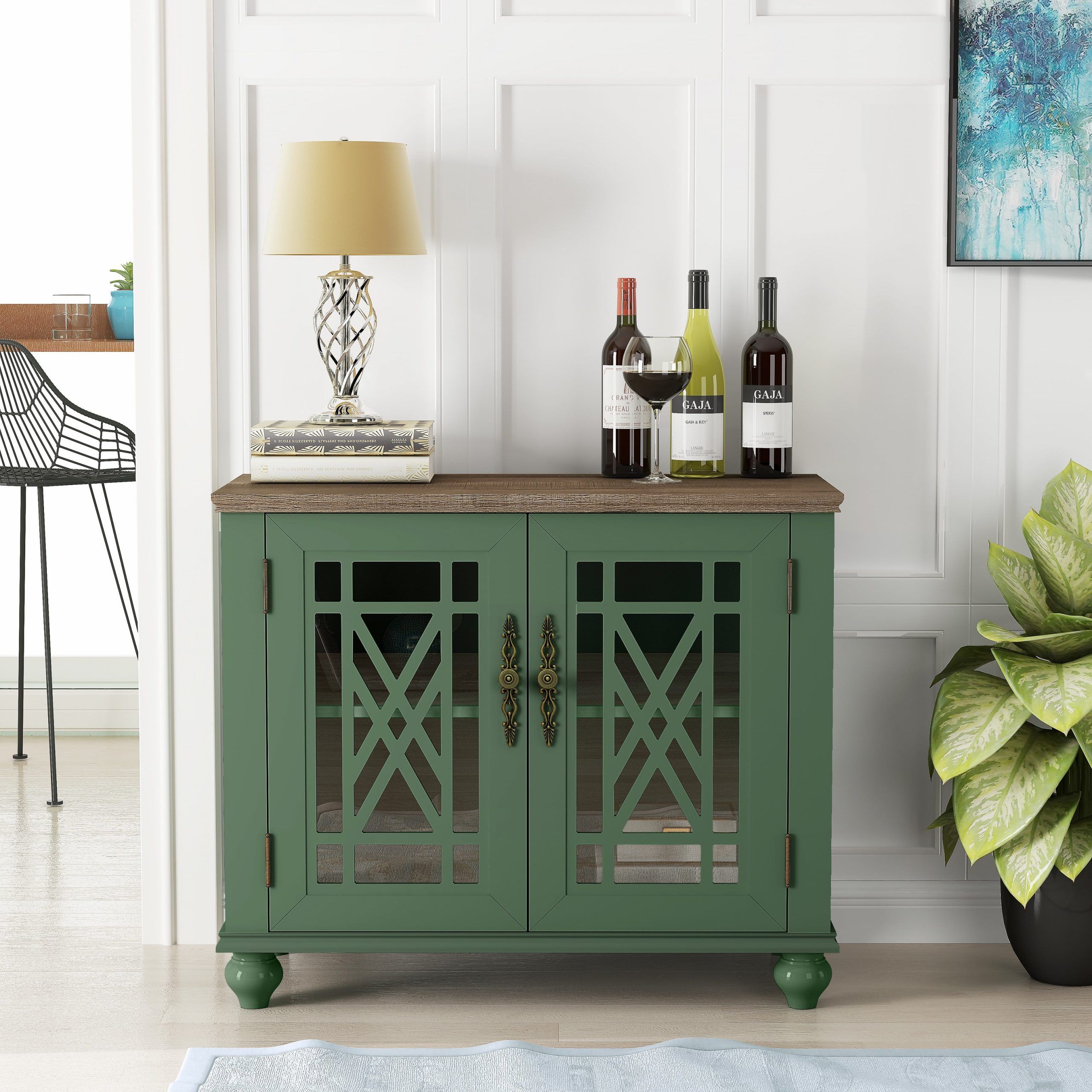
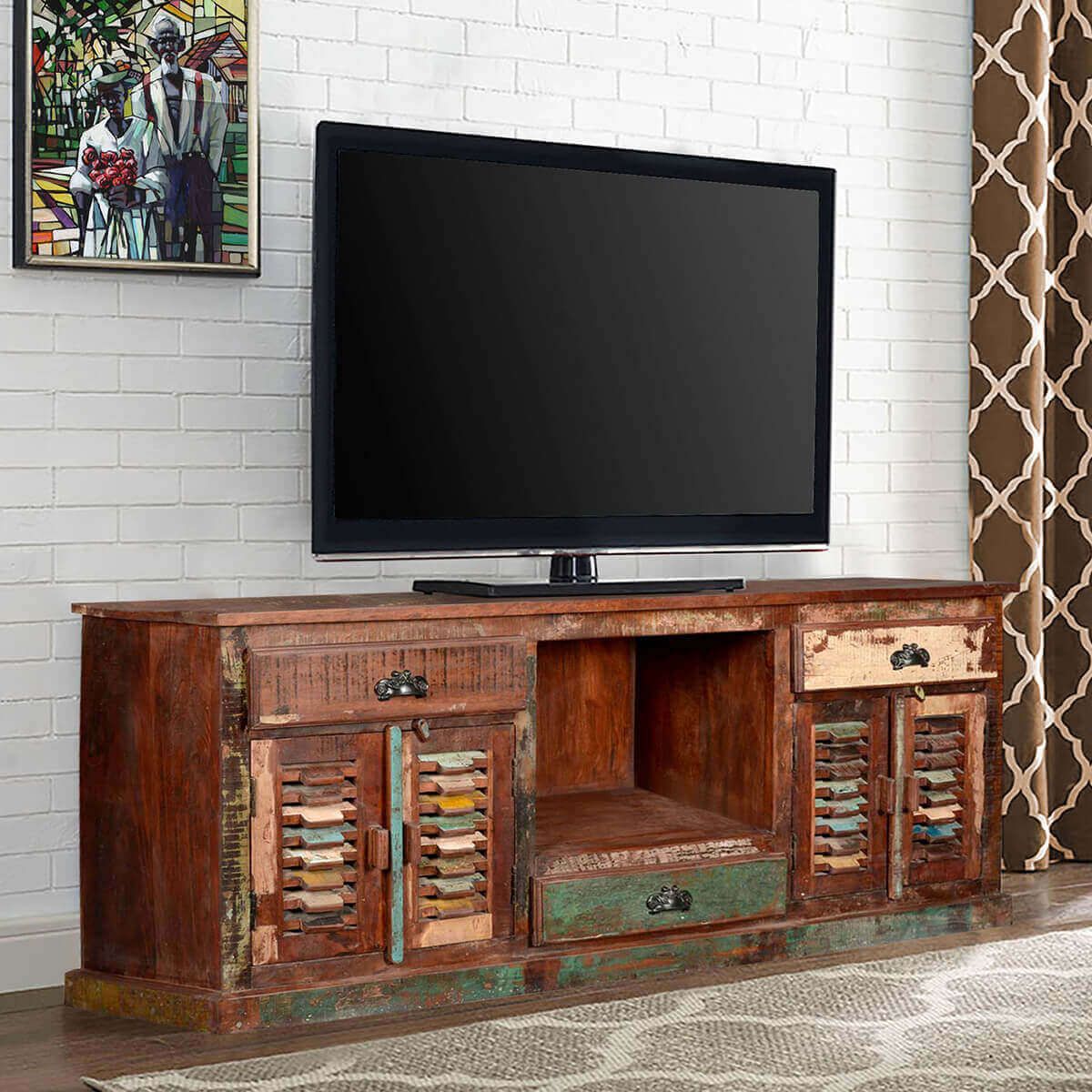
There’s something magical about a well-crafted vintage media cabinet. It’s not just storage—it’s a statement piece that brings character and warmth to any room. Whether you’re drawn to the elegant lines of mid-century modern or the rich textures of rustic farmhouse design, creating authentic vintage-style media cabinets requires more than just good tools. It demands understanding of time-honored woodworking techniques, careful attention to detail, and a deep appreciation for craftsmanship that spans generations.
Building a vintage-style media cabinet isn’t just about following a recipe. It’s about connecting with the past while serving present-day needs. These pieces have stood the test of time because they combine form and function in ways that feel both nostalgic and contemporary. When you sit down with your tools and a piece of wood, you’re not just creating furniture—you’re continuing a tradition that’s been passed down through countless hands over decades. The secret lies in understanding how to work with wood grain, embrace imperfections, and apply finishing techniques that honor the material’s natural beauty.
Understanding Vintage Design Aesthetics
Vintage media cabinets come in many forms, each with its own distinctive characteristics. The key to authenticity lies in recognizing the defining elements of different eras and styles. For instance, mid-century modern pieces often feature clean lines, organic shapes, and bold geometric patterns. They typically showcase the natural beauty of wood with minimal decorative elements. On the other hand, traditional Victorian designs might incorporate intricate carving, ornate hardware, and rich, dark stains. The 1970s brought a more casual approach with floating shelves and minimalist profiles. What matters most is identifying the core visual elements that define your chosen vintage style.
Essential Wood Selection and Preparation
Choosing the right wood is crucial for achieving that authentic vintage look. Hardwoods like oak, maple, cherry, and walnut offer durability and beautiful grain patterns that age gracefully. Oak provides that classic, sturdy appearance that works well for traditional designs. Maple offers a clean, uniform surface that’s ideal for modern vintage looks. Cherry develops a lovely patina over time, while walnut brings rich, deep tones that suit many vintage styles. Before cutting, always inspect your wood for defects like knots, splits, or warping. Proper drying is equally important—wood that’s too moist will shrink and crack over time. Some craftsmen prefer air-dried lumber, while others favor kiln-dried pieces depending on their specific project needs.
Traditional Joinery Methods That Last
The heart of authentic vintage construction lies in proper joinery. These methods were developed over centuries and continue to be relevant today. Dovetail joints, for example, are prized for their strength and visual appeal. They’re particularly effective in drawer construction and can be seen in many classic cabinet designs. Mortise and tenon joints provide exceptional structural integrity, especially in larger pieces. The classic dovetail joint requires precision and patience, but the results are worth every moment spent. Other traditional techniques include dados, rabbets, and butt joints reinforced with wood glue and screws. Each method serves a purpose, and choosing the right one depends on the load requirements and aesthetic goals of your cabinet.
Working with Wood Grain and Character
One of the most appealing aspects of vintage furniture is how it celebrates wood character rather than hiding it. This means learning to work with grain patterns, figuring out how to highlight natural beauty, and embracing minor imperfections that add personality. Start by planning your layout to showcase interesting grain directions. Sometimes, a piece of wood that appears flawed might actually become the most striking element in your cabinet. Learn to recognize the difference between problematic defects and charming variations. The way light hits a wood surface can dramatically change how it looks, so consider how your finished piece will appear under different lighting conditions. This attention to grain and texture creates that authentic, lived-in quality that makes vintage pieces special.
Finishing Techniques for Genuine Authenticity
The final layer of your cabinet tells the story of its creation. Traditional finishes not only protect the wood but also enhance its natural beauty. Oil-based finishes like linseed oil or tung oil penetrate deeply into the wood fibers, providing protection while maintaining the wood’s natural feel. These are often preferred for vintage pieces because they age gracefully and can be easily repaired. Shellac offers a quick application and excellent adhesion, making it popular for restoration projects. Varnish provides maximum durability and can be applied in various sheens. The key is matching your finish to both the wood type and the desired vintage aesthetic. Applying multiple thin coats with appropriate drying times ensures a professional-looking result that ages beautifully.
Attention to Detail and Period Accuracy
Authentic vintage cabinets require meticulous attention to small details that often go unnoticed but make all the difference. Hardware selection plays a major role—antique brass handles, brushed nickel pulls, or traditional wooden knobs can completely transform a piece’s appearance. Consider the era you’re trying to replicate when choosing proportions and measurements. The height-to-width ratios, drawer depths, and overall silhouettes should reflect the time period. Even the way you cut your wood edges matters—rounded corners were common in certain periods, while sharp edges were more typical in others. Studying reference photos and original pieces helps ensure your cabinet captures the essence of its vintage inspiration rather than just copying superficial features.
Crafting an authentic vintage-style media cabinet is more than a woodworking project—it’s a way of connecting with craftsmanship traditions that stretch back centuries. Every cut, every joint, every finish choice contributes to a piece that carries both functional purpose and historical significance. The beauty of these cabinets lies not just in their appearance but in the stories they tell about the people who made them and the lives they’ve touched. Whether you’re building for personal enjoyment or to share with others, remember that the most important element is your dedication to quality and authenticity. With patience, practice, and respect for traditional methods, you’ll create something that transcends mere furniture to become a true heirloom piece.