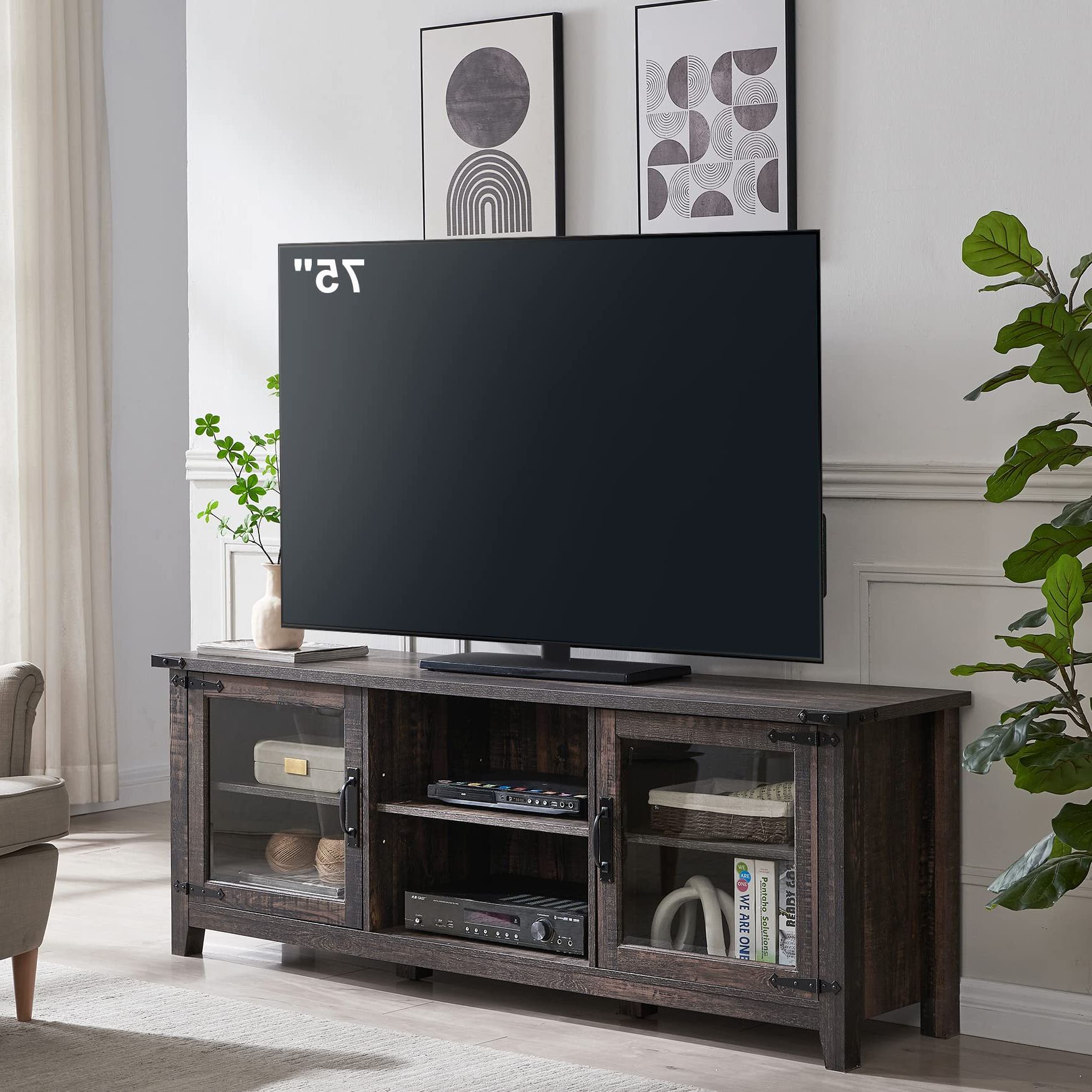
Picture this: You’ve just finished watching your favorite series, and suddenly your living room looks like a digital disaster zone. The remote controls are scattered everywhere, cables are tangled like a web of chaos, and your collection of DVDs and Blu-rays is more of a mountain than a neat stack. It’s not just about aesthetics anymore – it’s about creating a space where technology enhances rather than overwhelms your home life.
Modern living rooms have transformed from simple gathering spaces into sophisticated entertainment hubs. Today’s homes often house multiple screens, streaming devices, gaming consoles, and countless digital media files. This evolution has brought with it a new challenge: how do we keep our media collections organized while maintaining the clean, inviting atmosphere that makes our homes feel like retreats? The truth is, many of us struggle with this balance every day. We want our technology to work seamlessly, but we also want our spaces to feel peaceful and curated. It’s a delicate dance that requires thoughtful planning and some practical know-how.
The Digital Jungle: Understanding Modern Media Complexity
Let’s face it – our media landscape has become incredibly complex. One decade ago, you might have had a DVD player, a VCR, and maybe a few CDs. Today, that same setup could include a smart TV, streaming boxes, gaming systems, multiple soundbars, wireless speakers, and dozens of devices that all need to connect somehow. It’s no wonder that our living spaces feel cluttered and chaotic. The key isn’t to eliminate all these devices – they serve important purposes in our lives. Instead, we need to create systems that allow them to coexist peacefully.
Consider this scenario: You’re hosting a dinner party and want to show a movie on your large screen. If everything is properly organized, you can quickly locate your streaming device, plug in your HDMI cable, and have everything running within minutes. But if your cable management is a mess, you’ll spend precious time hunting for the right connection. That’s when organization becomes more than just visual appeal – it becomes functional necessity.
The Foundation: Cable Management Essentials
Cables are the invisible enemy of modern living room organization. They create tangles, take up space, and make even the most beautiful setup look messy. Here’s how to handle them effectively:
• Label everything: Use small tags or color-coded labels to identify each cable’s purpose. A red label for your gaming console, blue for your streaming device, green for your sound system.
• Use cable organizers: These come in various forms – velcro ties, cable management boxes, or even decorative sleeves. The goal is to bundle and hide.
• Plan your layout: Before installing anything, think about where each device will go and how cables will travel. Consider using wall channels or baseboard routing for a cleaner look.
• Keep extras handy: Always have a few extra cables of different types available. You never know when you’ll need a replacement or upgrade.
A well-managed cable system can transform your setup from chaotic to professional-looking in just a few hours. The investment in proper cable management pays off in reduced stress and easier troubleshooting.
Storage Solutions: Where to Put What
Smart storage choices make a huge difference in how your media collection looks and functions. Think beyond just shelves and cabinets – consider the psychology of placement too.
For frequently used items: Keep them easily accessible. Your remote controls, streaming devices, and commonly used accessories should be within arm’s reach or in clearly marked drawers.
For seasonal items: Use vertical storage solutions like tall bookcases or specialized media storage units. These can hold everything from holiday movies to special collections without taking over your main entertainment area.
For hidden items: Consider furniture with built-in storage or decorative boxes that blend seamlessly with your decor. The goal is to make everything accessible without making it visible.
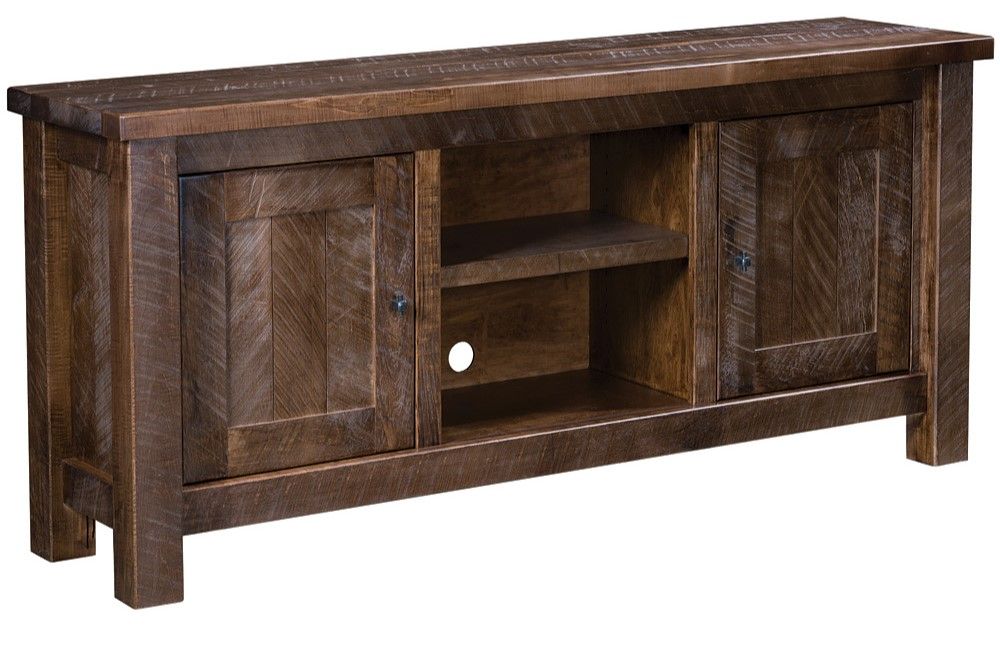
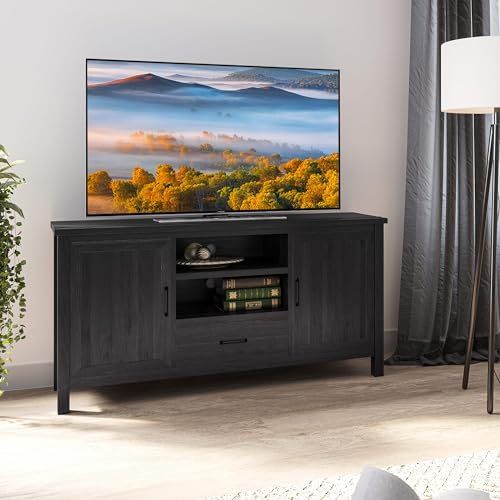
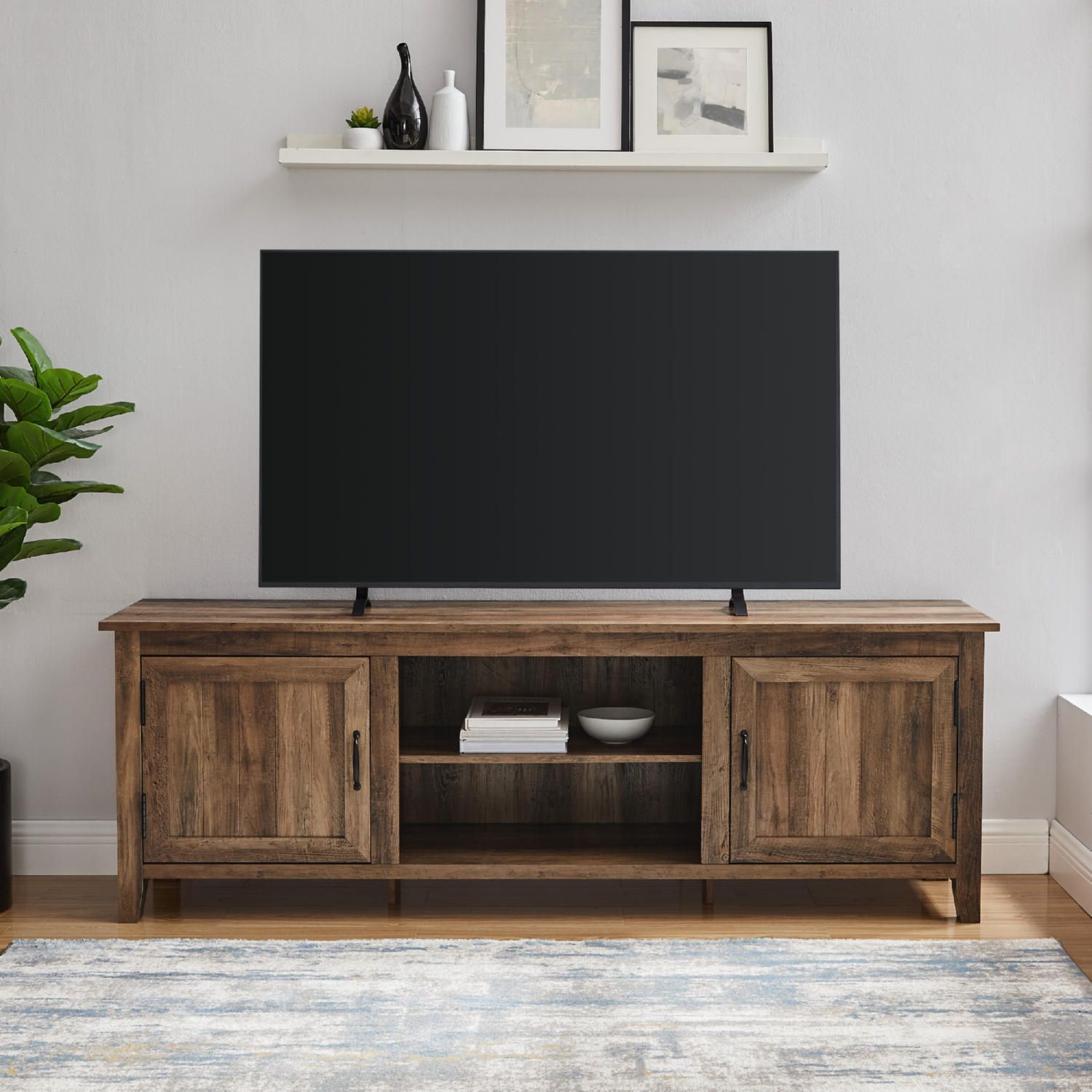
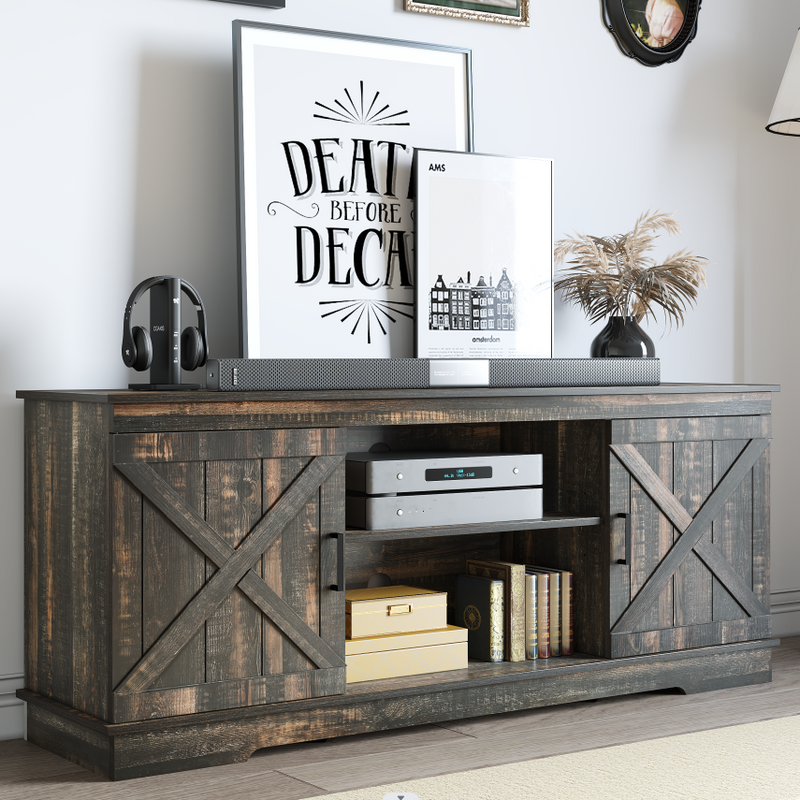
Multi-functional furniture can be a game-changer. Look for entertainment centers that offer both storage and display options. Some even have sliding panels or doors that can conceal everything when you want a clean look.
Real-world example: A family with two children might store their gaming equipment in a locked cabinet that’s out of sight but still secure. Meanwhile, their movie collection remains visible and easily accessible for casual viewing.
Digital Organization: Beyond Physical Storage
In our digital age, organization extends far beyond physical storage. Your media library needs structure too. Many people have thousands of movies and shows stored across multiple devices, and without a good system, finding anything becomes a nightmare.
Create logical folders: Group your digital content by category, genre, or usage frequency. For instance, you might have folders for ‘Family Movies,’ ‘Documentaries,’ ‘Action Films,’ and ‘TV Shows.’
Use metadata effectively: Most digital media players can read information about your files, including titles, release dates, and ratings. Take advantage of this by ensuring your files are properly tagged.
Implement a backup strategy: Digital media is vulnerable to loss. Regular backups ensure that your carefully organized collection survives hardware failures or accidental deletions.
Consider cloud storage: Services like Google Drive or Dropbox can help organize and access your media from anywhere. Just remember to keep your local copies organized too.
One couple found that organizing their digital media by "watched vs unwatched" created a simple but effective system. They could quickly see what they’d already seen and what was still on their list, making movie night decisions much easier.
Design Integration: Making Technology Blend In
The most successful media organization systems don’t fight against your existing design – they work with it. This means choosing solutions that complement rather than compete with your space.
Color coordination: Select storage solutions and organizational tools that match your existing color scheme. Whether you prefer neutral tones or bold accent colors, consistency helps everything look intentional.
Scale and proportion: Large entertainment units should feel balanced with your room size. Small spaces benefit from compact, multi-purpose furniture that doesn’t overwhelm.
Material matching: If your coffee table is wood, consider storage solutions made from similar materials. This creates a cohesive look that feels intentional rather than random.
Lighting considerations: Proper lighting can make all the difference. LED strips behind shelves or under-cabinet lighting can highlight your collection while providing useful illumination.
Think about how your media setup will look during different times of day. Natural light changes throughout the day, and your organization should remain visually pleasing regardless of when someone enters the room.
Maintenance: Keeping Your System Working Long-Term
An organized system only works if you maintain it regularly. This doesn’t mean daily cleanup, but rather consistent habits that prevent chaos from building up.
Weekly checks: Spend five minutes each week ensuring everything is in its place and cables are still properly managed.
Monthly reviews: Every month, take a moment to assess whether your current system is working well. Do you need to rearrange anything? Are there new devices you should accommodate?
Seasonal resets: At the beginning of each season, review your entire collection. Move seasonal items to appropriate storage areas and update your organization system accordingly.
Equipment updates: When you replace old devices, don’t just discard them carelessly. Properly dispose of old cables and devices, and plan how to integrate new ones into your existing system.
A common mistake people make is thinking that once they’ve organized their space, they’re done. But media organization is an ongoing process. As new devices arrive and old ones get replaced, your system needs to evolve with your lifestyle.
Organizing media collections in modern living rooms isn’t just about looking good – it’s about creating functional, enjoyable spaces that serve your lifestyle. The key lies in understanding that organization isn’t about eliminating technology, but rather helping it work better for you. By focusing on cable management, strategic storage, digital systems, design integration, and regular maintenance, you can transform your entertainment hub from chaotic to completely manageable. Remember, the best organization systems are those that fit naturally into your daily routine and support your personal needs. Don’t try to force a solution that doesn’t work for your specific situation. Start small, test different approaches, and gradually build a system that truly serves you. Your future self will thank you when you’re relaxing in a perfectly organized space, ready to enjoy whatever media you choose to watch next.