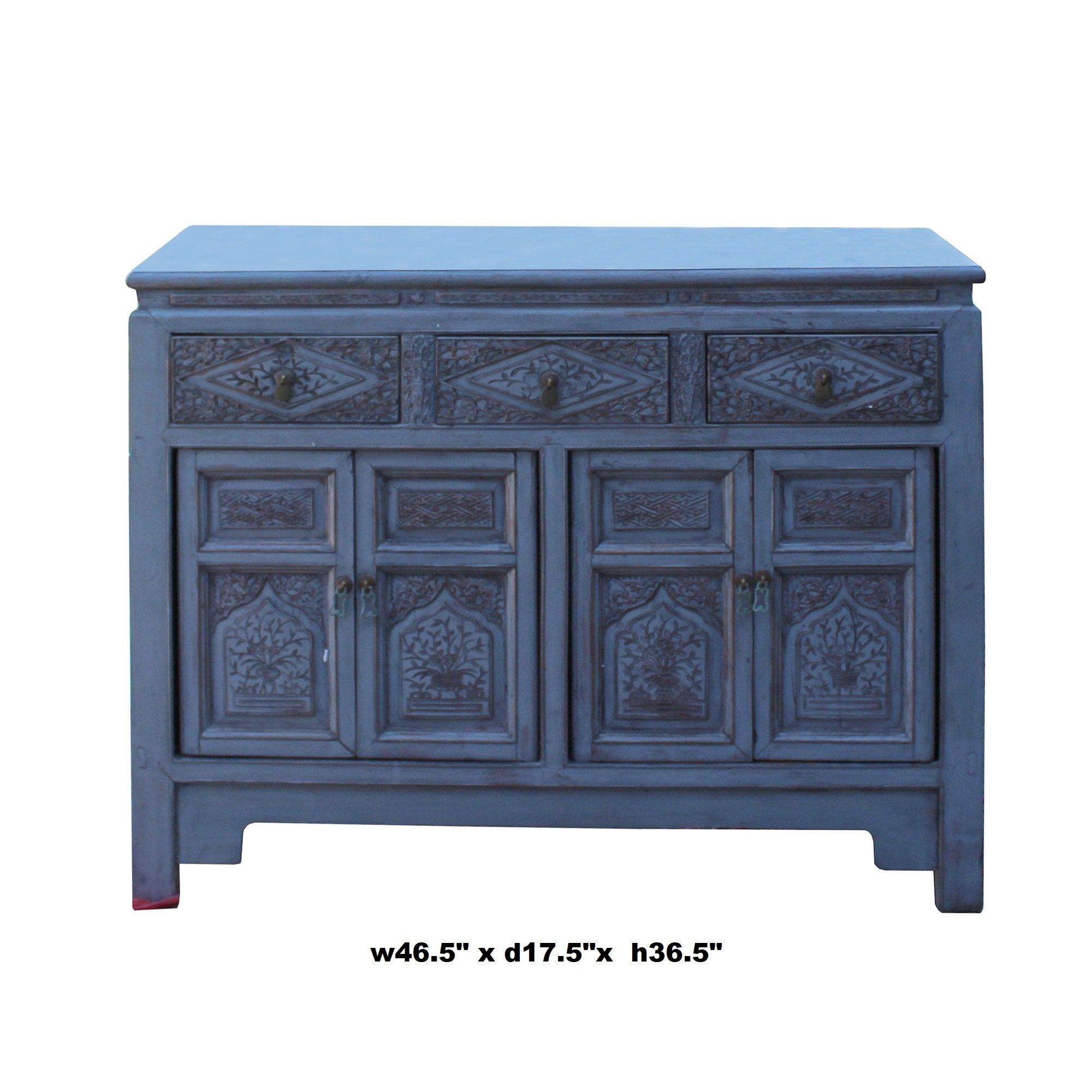
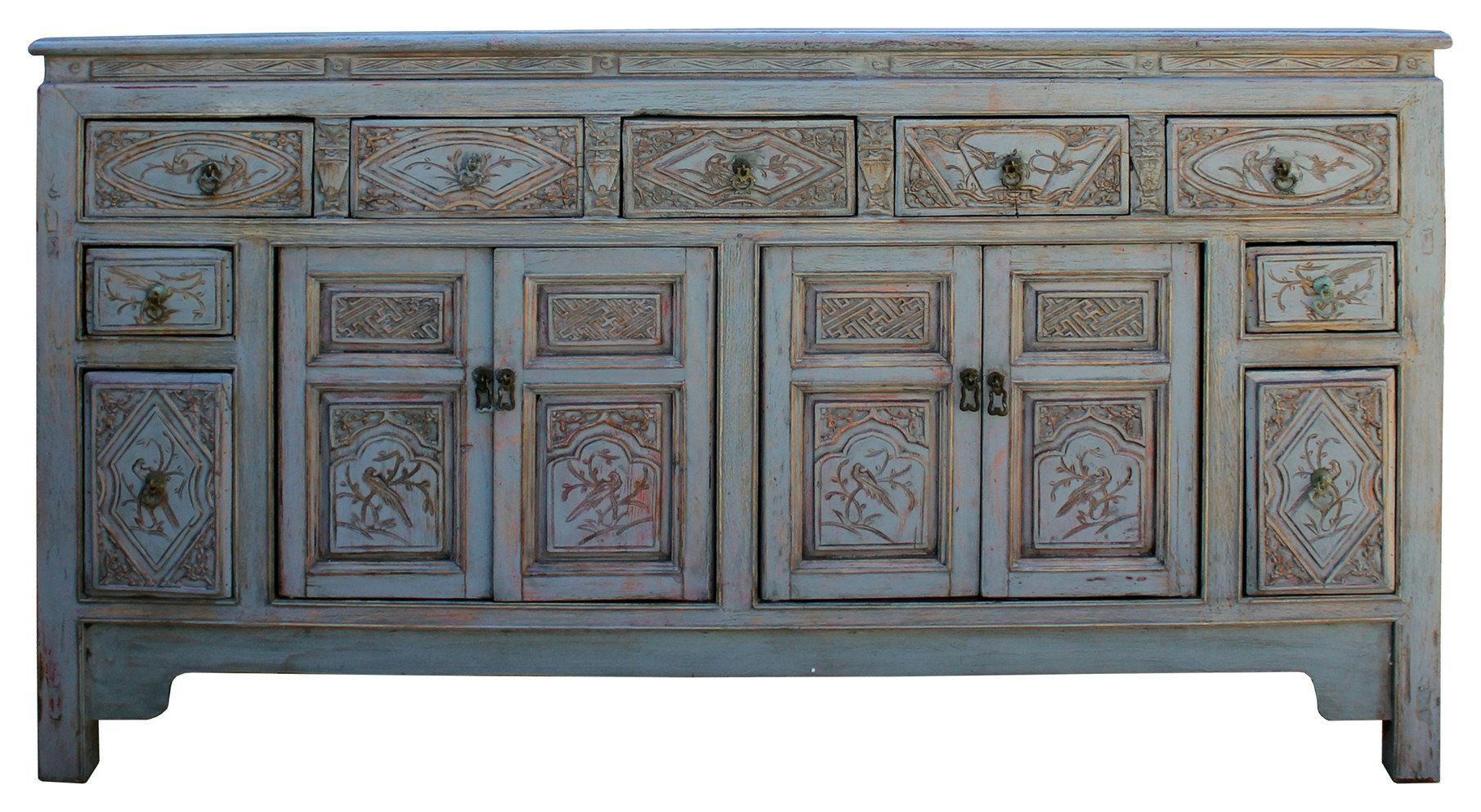
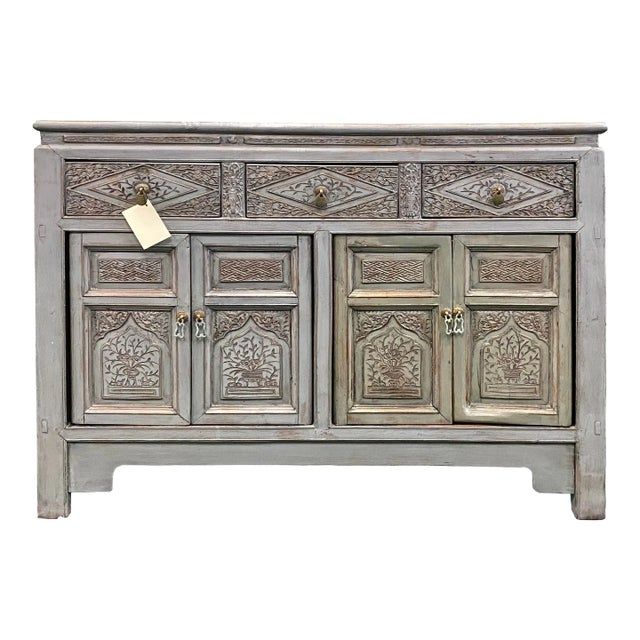
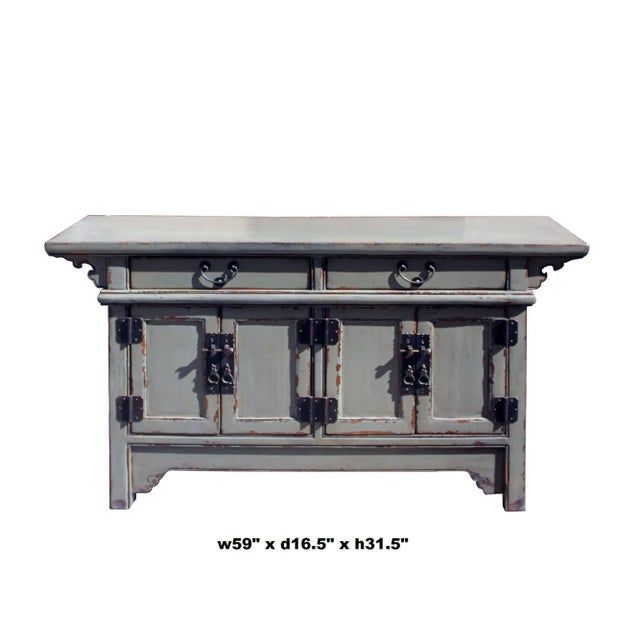
Picture this: a stunning wooden table, carved with intricate designs, sitting proudly in a traditional Chinese home. This isn’t just furniture – it’s a piece of living history. These console tables have been gracing homes for centuries, carrying stories of artisans, families, and cultural traditions. What makes them so special? Let’s uncover the fascinating world of Chinese console table heritage.
Chinese console tables represent far more than functional pieces of furniture. They are artistic expressions that tell stories of craftsmanship, cultural values, and aesthetic philosophy. These elegant tables have been part of Chinese households for generations, serving both practical purposes and symbolic meanings. Whether you’re a collector, designer, or simply someone who appreciates beautiful craftsmanship, understanding their heritage adds depth to your appreciation. Every scratch, every carved detail, every carefully chosen wood grain tells a story of dedication and tradition.
Historical Origins and Cultural Significance
The origins of Chinese console tables stretch back thousands of years, rooted deeply in Chinese culture and philosophy. These tables weren’t merely decorative items – they were essential elements of Chinese domestic life. In traditional Chinese homes, these tables often served as focal points in living rooms and reception areas. They represented wealth, status, and respect for family elders. The design principles followed ancient Chinese concepts of balance and harmony. Many tables featured symmetrical patterns reflecting the philosophical idea of yin and yang. During the Ming and Qing dynasties, these tables became even more elaborate, showcasing the finest craftsmanship available. The cultural significance extended beyond the home – they were often given as gifts between families, symbolizing friendship and good fortune.
Traditional Materials and Construction Techniques
The materials used in traditional Chinese console tables reflect both practicality and beauty. Teak, rosewood, and ebony were among the most prized woods, each offering unique characteristics. Teak was valued for its durability and resistance to moisture, making it ideal for outdoor use. Rosewood, with its rich reddish-brown color, was considered the most luxurious choice. Ebony provided striking contrast with its deep black finish. The construction techniques were equally impressive. Master craftsmen employed joinery methods that didn’t require nails or glue. Instead, they used interlocking joints that could last for centuries. These techniques required years of training to master and demonstrated the artisan’s skill. The process often involved multiple stages: selecting the wood, carving the design, applying finishes, and finally, assembly. Each step demanded precision and patience.
Iconic Design Elements and Motifs
Traditional Chinese console tables are renowned for their distinctive decorative elements. Dragons, phoenixes, and mythical creatures appear frequently, symbolizing power and good luck. Lotus flowers, peonies, and bamboo motifs represent purity, prosperity, and resilience respectively. These symbols weren’t chosen randomly – they carried deep meanings within Chinese culture. Carved scenes depicting landscapes, scholars, or daily life were common. The designs often told stories or conveyed moral lessons. Geometric patterns, such as cloud motifs and wave designs, added visual interest while maintaining cultural significance. Some tables featured inset mirrors or mother-of-pearl inlays, creating stunning visual effects. The overall aesthetic emphasized elegance over ostentation, following Chinese principles of understated sophistication. Every element served both decorative and symbolic purposes.
Regional Variations and Local Styles
Just like Chinese cuisine varies across regions, so do console table styles. Cantonese tables from southern China tend to be more ornate and colorful, featuring intricate carvings and bright finishes. Beijing-style tables emphasize grandeur and symmetry, often incorporating gold leaf accents. Suzhou tables are known for their delicate workmanship and refined aesthetics. Each region developed its own techniques and preferences based on local materials and cultural influences. Southern tables might use more tropical hardwoods, while northern tables favored denser, harder woods. The regional differences show how Chinese culture adapted to different environments and tastes. Even today, collectors can distinguish between regional styles by examining details like carving techniques, wood types, and decorative motifs. These variations make each piece unique and historically significant.
Modern Interpretations and Contemporary Relevance
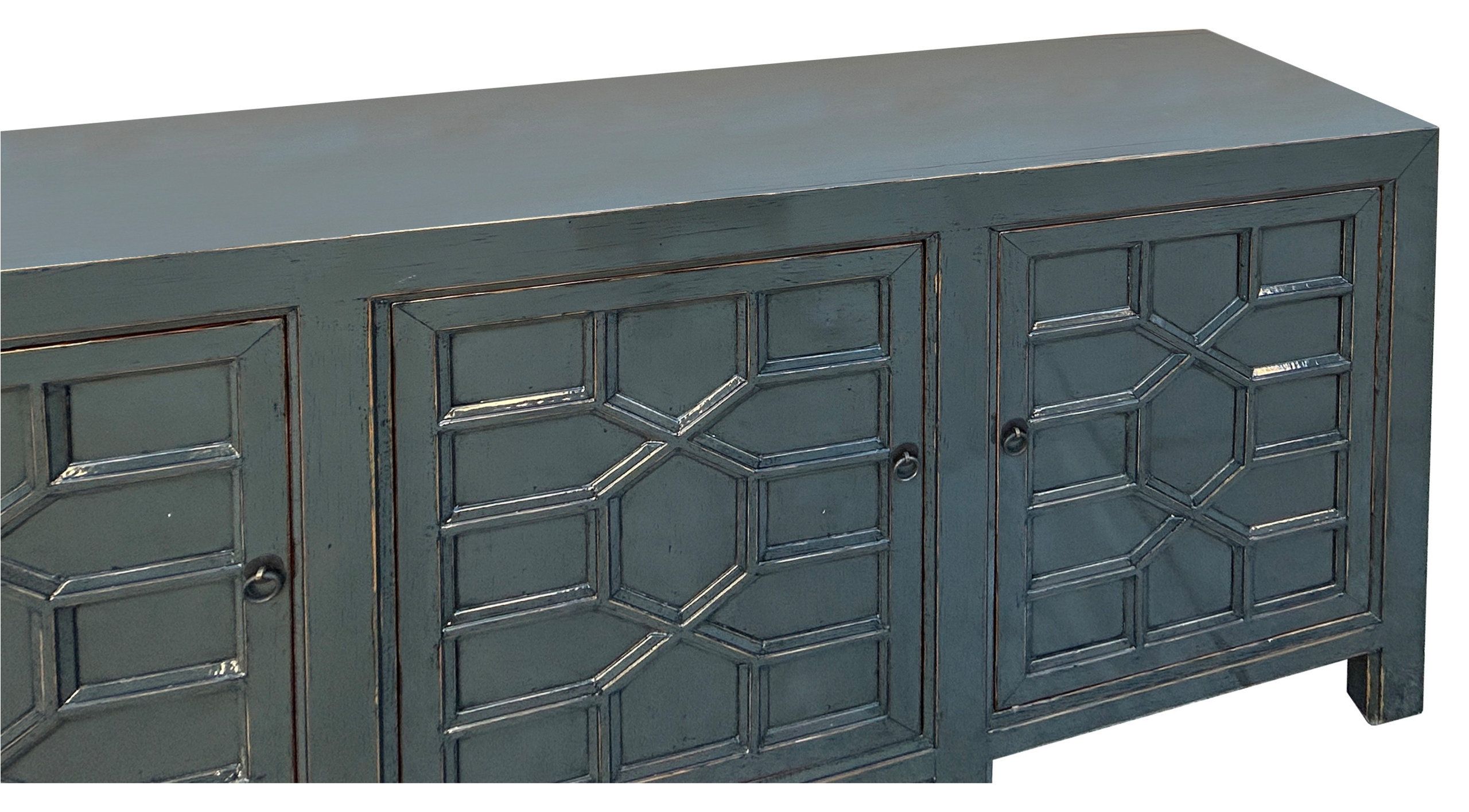
Today’s designers continue to draw inspiration from traditional Chinese console tables. Modern interpretations blend classic elements with contemporary needs. Some manufacturers create tables that maintain traditional proportions but use modern finishes or materials. Others focus on preserving authentic techniques while adapting designs for modern spaces. The appeal extends beyond Chinese communities – international buyers appreciate the craftsmanship and cultural storytelling. Contemporary designers often incorporate traditional Chinese elements into Western interior design. These tables serve as conversation starters, bringing cultural richness to modern homes. Many museums now feature displays highlighting the evolution from traditional to modern versions. The enduring popularity shows that timeless design transcends cultural boundaries. People still connect emotionally with these pieces, recognizing their craftsmanship and historical value.
Preservation and Appreciation Tips
If you’re fortunate enough to own or encounter a traditional Chinese console table, proper care is essential. Regular dusting with soft cloths helps preserve the finish. Avoid harsh chemicals that might damage the wood or inlays. For deeper cleaning, use specialized wood cleaners recommended by professionals. Store items away from direct sunlight to prevent fading. Humidity control is crucial – extreme conditions can cause wood to warp or crack. Professional restoration should only be done by experts familiar with traditional techniques. When purchasing, look for signs of authenticity like hand-carved details and traditional joinery methods. Research the maker or dynasty if possible. Consider the provenance and history of the piece. These tables are investments in cultural heritage, not just furniture. Understanding their value helps ensure their preservation for future generations.
Traditional Chinese console tables embody centuries of craftsmanship, cultural wisdom, and artistic vision. They remind us that furniture can be more than functional – it can be a bridge between past and present. Every table carries stories of artisans who dedicated their lives to perfecting their craft. Their legacy continues through modern interpretations that honor tradition while meeting contemporary needs. Whether displayed in a museum or cherished in a home, these tables connect us to something larger than ourselves. They represent the beauty of patience, the value of skill, and the importance of preserving cultural heritage. Next time you see one of these magnificent pieces, take a moment to appreciate not just its appearance, but the centuries of knowledge and artistry that went into its creation. It’s more than furniture – it’s a living testament to human creativity and cultural continuity.