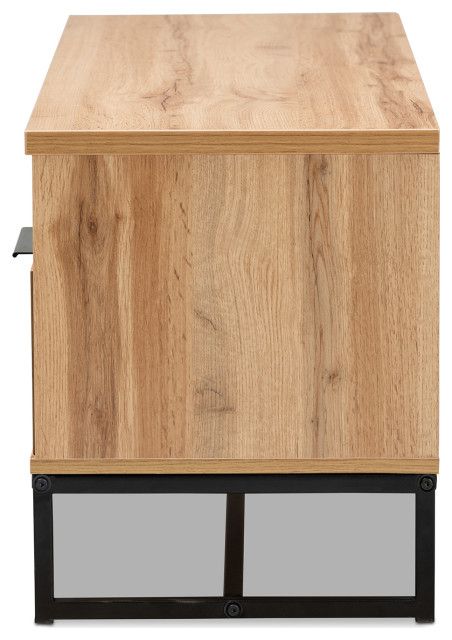
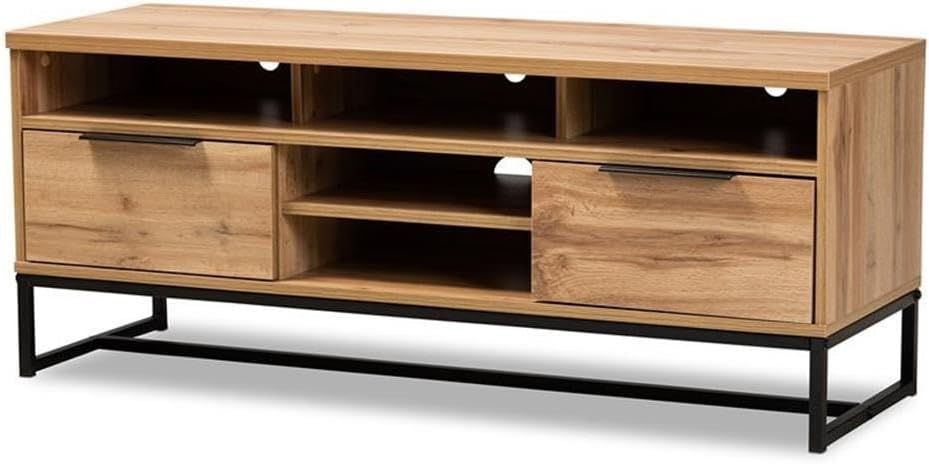
Industrial-style entertainment centers have taken over living rooms across the nation, bringing raw energy and urban sophistication to home spaces. But creating the right balance isn’t just about having the right pieces. It’s about understanding how elements work together to create a cohesive look that feels intentional rather than chaotic.
Picture this: You walk into a room where exposed brick meets polished steel, where vintage pipes blend with modern electronics, and where every element seems to belong but also stands out. That’s the magic of industrial design. But let’s be honest – it’s easy to go overboard and end up with a space that feels more like a construction site than a comfortable home. The secret lies in achieving visual balance. This isn’t just about aesthetics; it’s about creating a space that feels both exciting and restful. When done right, industrial entertainment centers become the heart of a home, drawing people in with their bold personality while maintaining that essential harmony that makes a space feel complete.
Understanding Industrial Design Elements
Before diving into balance, you need to know what makes industrial design tick. Think exposed brick walls, metal beams, reclaimed wood, and raw materials. These elements create that characteristic rugged appeal that draws people in. The key is recognizing how each piece contributes to the overall aesthetic. For instance, a steel frame might provide structure, while reclaimed wood adds warmth. When you mix these elements thoughtfully, you create layers that make the space interesting without overwhelming it. What matters most is ensuring each component supports the others rather than competing for attention.
The Role of Scale and Proportion
Scale creates the foundation of any balanced space. An oversized entertainment center can dominate a room like a giant, while a tiny unit might get lost in the chaos. The trick lies in matching your entertainment center’s size to the room’s dimensions. A large, open space might handle a grand industrial console, but a small living area needs something more compact. Consider the proportions of everything else in the room too. If you have tall bookshelves, maybe choose a lower entertainment unit to maintain visual equilibrium. Sometimes, less is more, and sometimes, big is beautiful – it all depends on how well everything works together.
Color Palette Harmony
Industrial spaces often lean toward neutral tones, but that doesn’t mean they have to look boring. Think charcoal grays, warm browns, and crisp whites. These colors create a calm backdrop that allows your industrial elements to shine. However, don’t forget about accents. A splash of rust orange, deep forest green, or even bright blue can bring life to a monochromatic scheme. The key is using these accent colors strategically – maybe in throw pillows, artwork, or a statement lamp. Too many bright colors can disrupt the industrial vibe, so keep them subtle and purposeful. Remember, the goal is to enhance rather than overpower.
Texture and Material Mix
One of the most powerful aspects of industrial design is texture variety. Combining rough brick with smooth metal, or soft fabrics with hard surfaces, creates visual interest that keeps the eye moving. For example, pair a steel entertainment center with a velvet sofa and a woven area rug. The contrast between materials prevents the space from feeling flat or repetitive. But here’s the catch – you want enough variety to be exciting, but not so much that it becomes chaotic. A few well-chosen textures work better than dozens of similar materials thrown together. Let one material be the star, then use others to support it.
Lighting as Balance Enhancer
Lighting plays a crucial role in creating visual balance. Industrial spaces often benefit from layered lighting – ambient, task, and accent lights all working together. Pendant lights with metal finishes complement the industrial theme perfectly. Table lamps with exposed bulbs add character and warmth. Don’t forget about natural light too – large windows can soften the harshness of industrial elements. The goal is to create different moods throughout the day and space. A dimmed lamp might make the room cozy for movie nights, while bright overhead lighting can make the space feel fresh and energizing. Lighting helps tie everything together visually, making sure no single element overwhelms the others.
Storage and Organization Strategies
Industrial entertainment centers often come with built-in storage, but how you fill that space matters immensely. Cluttered shelves create visual imbalance, while empty spaces can feel hollow. The key is strategic organization. Group items by category – maybe all electronics together, then books, then decorative objects. Use some items as focal points and others as supporting elements. Consider the rule of three – having groups of three items creates a pleasing visual rhythm. Also, think about what you actually use versus what you display. Some pieces might be purely decorative, while others serve a functional purpose. Balancing both types helps create a space that feels lived-in and authentic.
Creating visual balance with industrial-style entertainment centers is both an art and a science. It requires understanding how different elements interact, how scale affects perception, and how to layer textures and colors effectively. The beauty of industrial design lies in its ability to be both bold and harmonious. When you master these principles, your entertainment center becomes more than just furniture – it becomes a statement piece that defines your space. Remember, the goal isn’t to replicate someone else’s vision exactly. It’s to create something that feels uniquely yours while maintaining that essential balance that makes a space truly livable. Whether you’re starting from scratch or updating an existing setup, these principles will guide you toward a more intentional and beautiful result. After all, the best industrial spaces aren’t those that shout the loudest – they’re those that whisper with style and purpose.