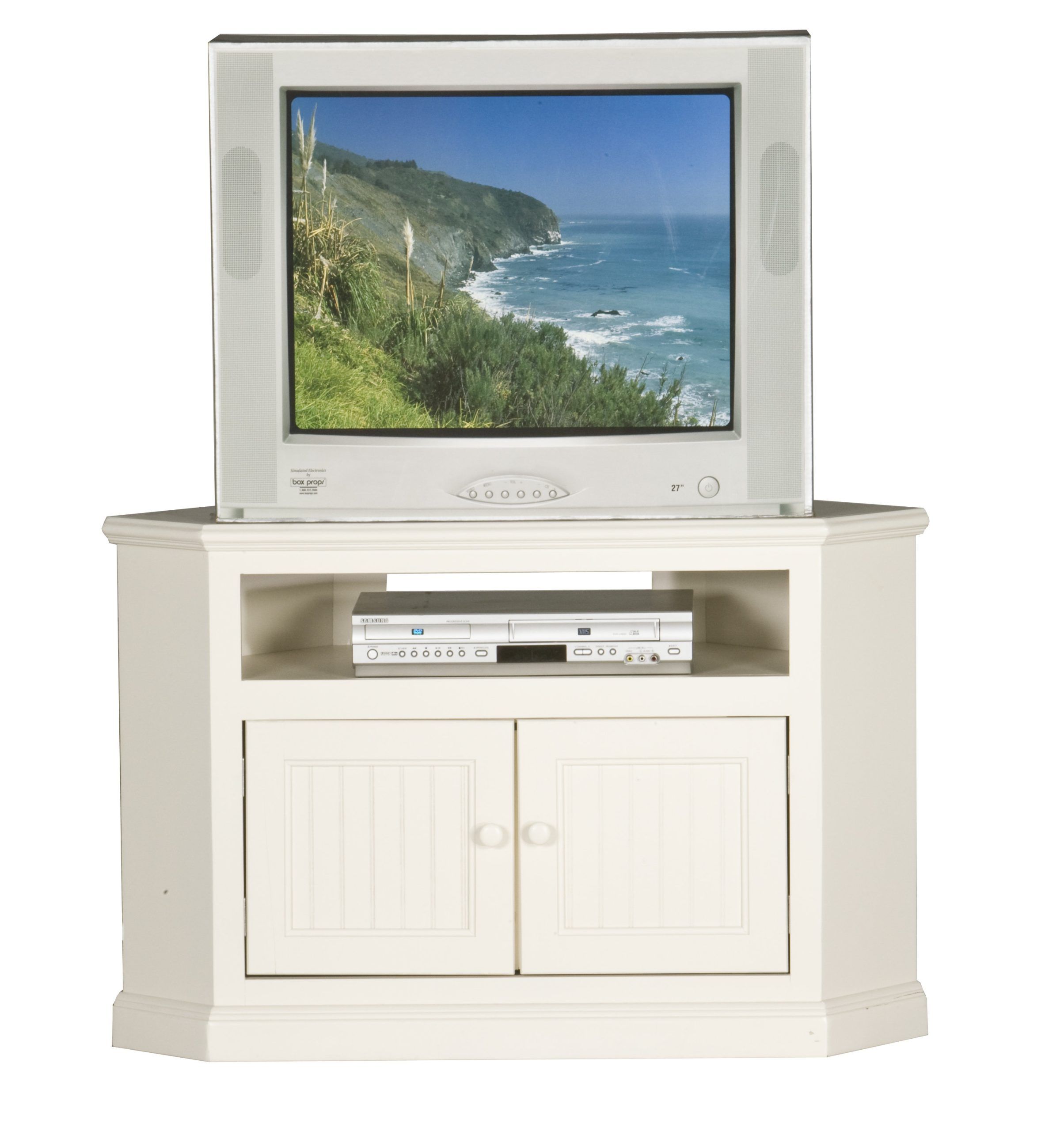
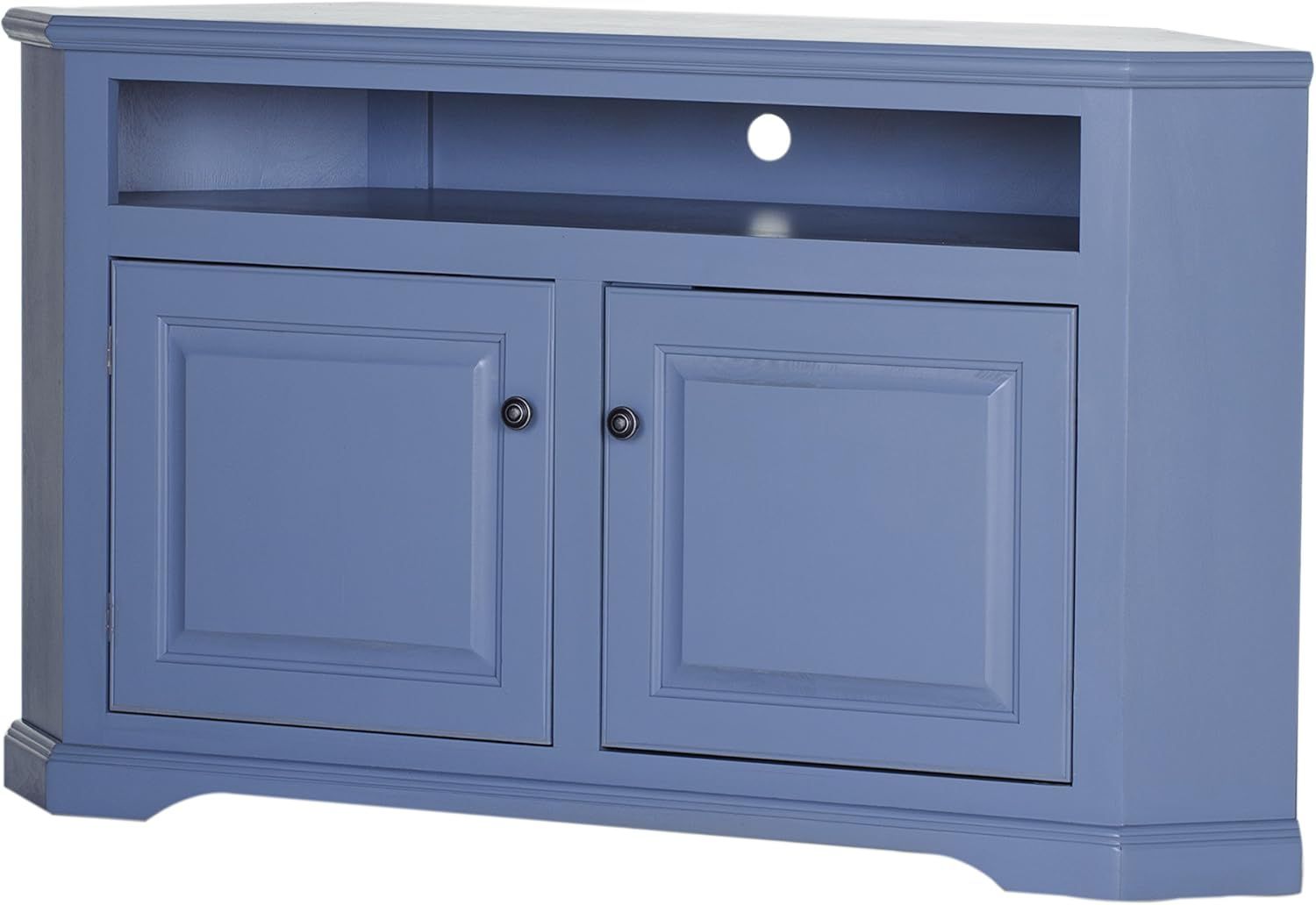
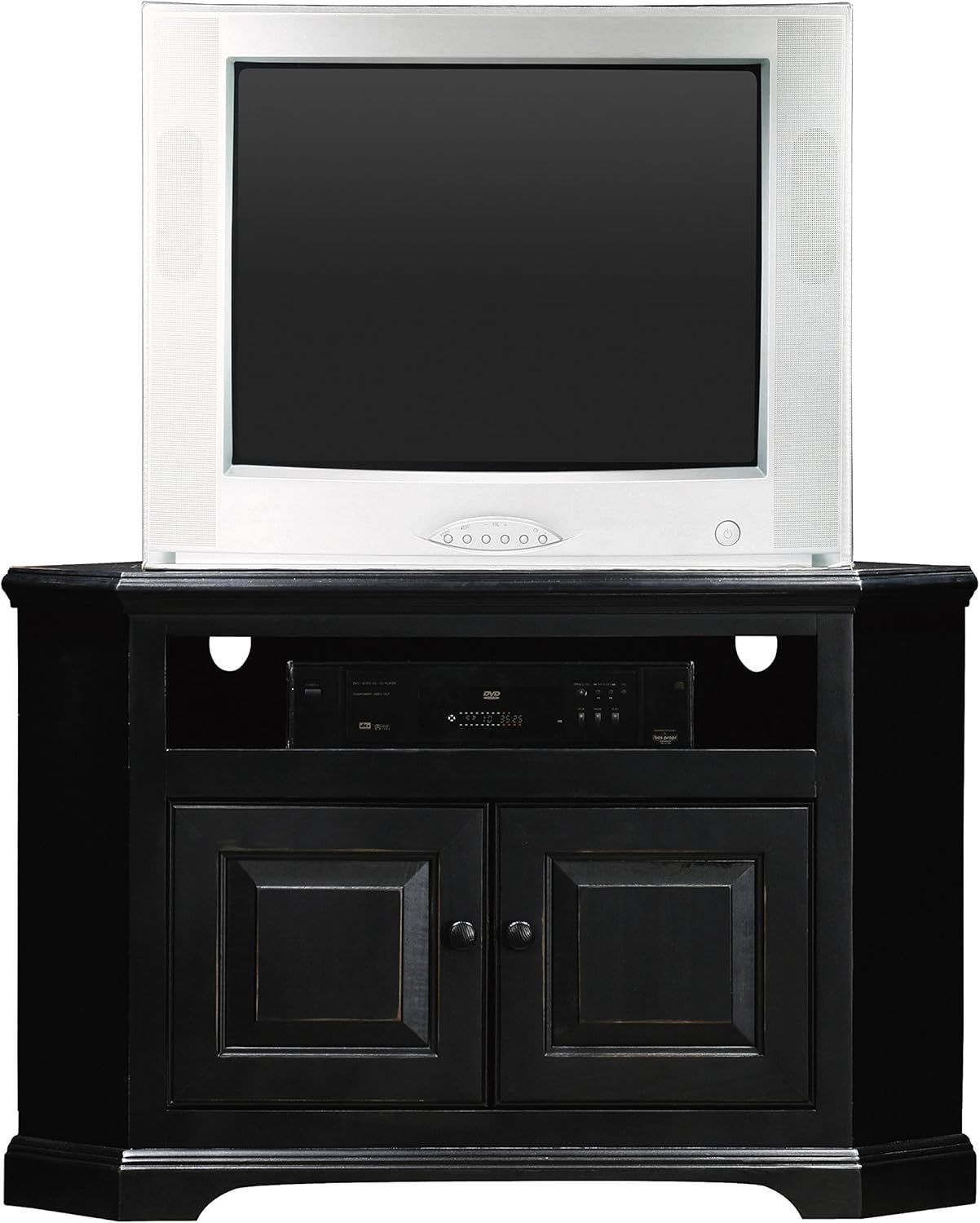
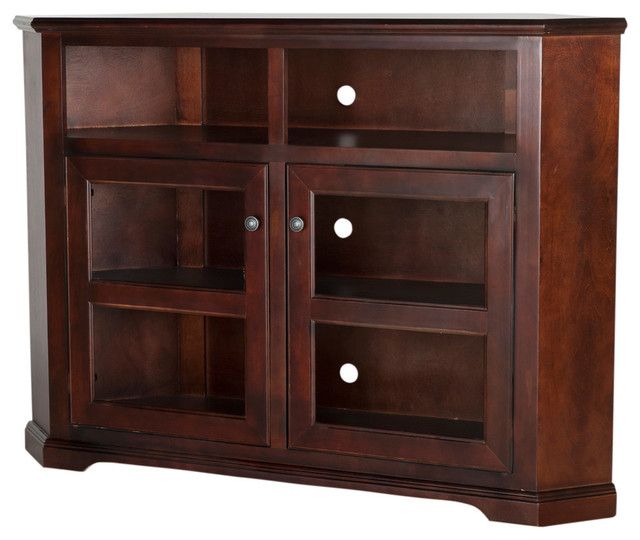
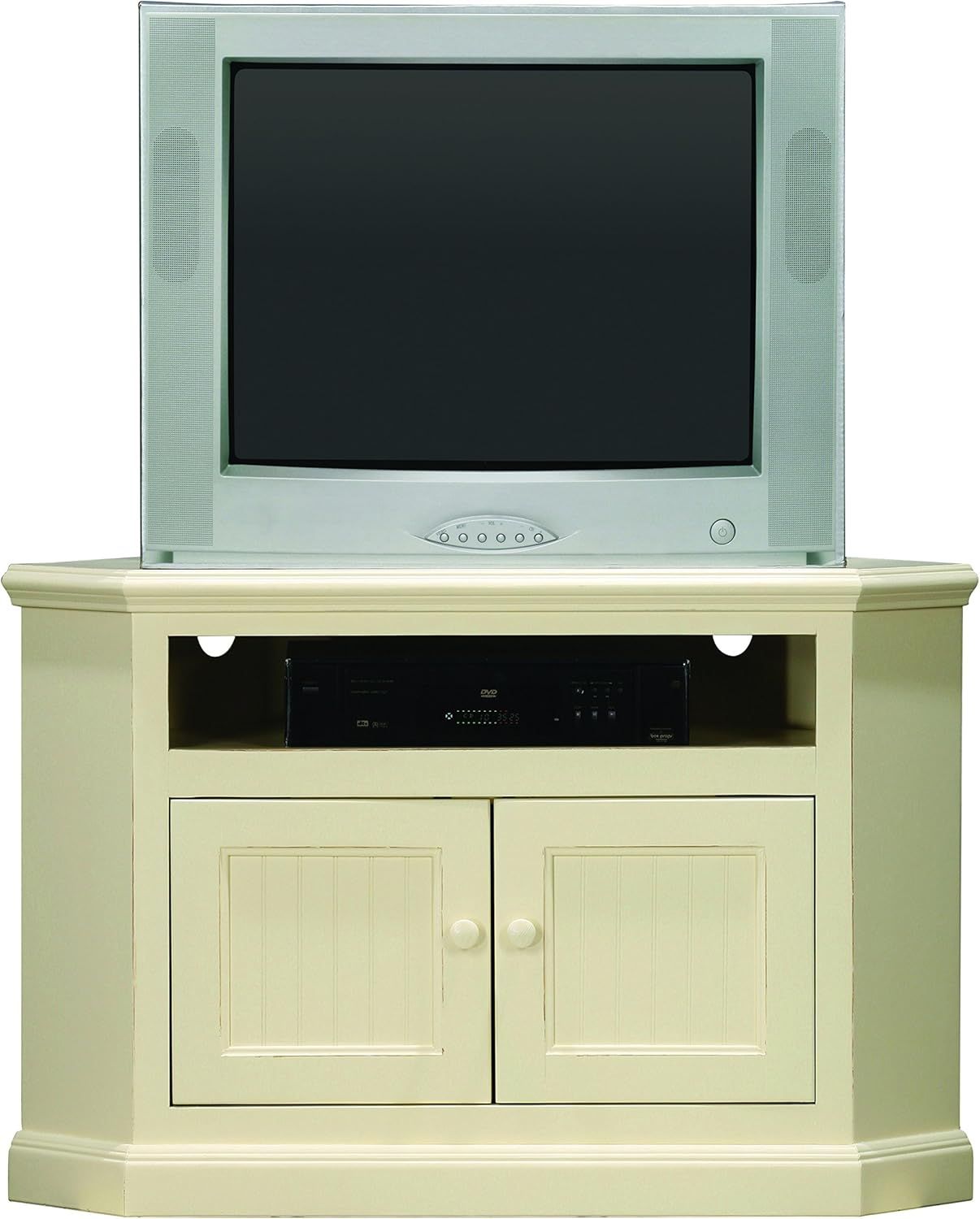
Imagine walking into a living room and seeing a stunning corner unit that seems to have been crafted by a master artisan. This isn’t just a piece of furniture – it’s a story told through wood grain, design philosophy, and cultural shifts. For centuries, these corner pieces have evolved from simple storage solutions to sophisticated statements of style. What started as basic wooden cabinets has transformed into sleek, modern marvels that define entire rooms.
Corner entertainment furniture represents one of the most interesting design transformations in home furnishings history. These units have moved far beyond their humble beginnings as simple storage spaces to become focal points that showcase our personalities and lifestyles. Think about how many homes today feature these corner pieces as the centerpiece of their living spaces. They’ve gone from being overlooked elements to celebrated architectural features. The shift from traditional to contemporary design reflects broader changes in how we live, work, and interact with our surroundings. Today’s corner units aren’t just about storing electronics and media – they’re about creating experiences, defining spaces, and expressing individual taste.
Traditional Foundations
Traditional corner entertainment furniture emerged during the 18th and 19th centuries, when craftsmanship was paramount. These early designs featured heavy wooden frames, often made from oak, mahogany, or cherry. The focus was on durability and permanence rather than aesthetics. Imagine sitting in a parlor where a massive wooden cabinet dominated the corner, filled with books, china, and perhaps a small music player. These pieces were built to last generations. The construction techniques were meticulous, with hand-carved details and joinery methods that required skilled artisans. Many featured ornate hardware, brass fittings, and decorative moldings that spoke to the owner’s social status. The design philosophy was simple: if it wasn’t sturdy enough to hold decades of use, it wasn’t worth building. Traditional units often had doors that could be closed to hide the contents, keeping the interior neat and tidy. These weren’t just storage units; they were symbols of wealth and sophistication.
Mid-Century Modern Revolution
The mid-1900s brought dramatic changes to corner furniture design. This era introduced clean lines, functional simplicity, and a move away from ornate decoration. Suddenly, corners became opportunities for bold geometric shapes and innovative materials. Think of the iconic 1950s designs featuring plywood, glass, and metal components. The emphasis shifted from hiding items to displaying them proudly. These new units embraced the idea that furniture could be both beautiful and practical. The rise of television in the 1960s meant that entertainment centers needed to accommodate new technology while maintaining aesthetic appeal. Designers began experimenting with open shelving, integrated lighting, and modular components. The color palette shifted toward earth tones, pastels, and stark whites. This period saw the birth of the modern entertainment center as we know it today. People started viewing these units as artistic expressions rather than purely functional objects. The concept of ‘form follows function’ became the guiding principle, leading to designs that were both visually striking and highly practical.
The Rise of Minimalism
As the 1970s and 1980s progressed, minimalism took hold in design circles. Corner entertainment furniture began reflecting this philosophy with clean, uncluttered approaches. The focus moved from elaborate decoration to essential elements. These units featured neutral colors like beige, gray, and white, with simple geometric forms. The idea was to create spaces that felt calm and organized, allowing the entertainment equipment to be the star of the show. Materials became more diverse, including particle board, laminates, and synthetic finishes. This era emphasized the importance of negative space and visual breathing room. Designers learned that sometimes less truly was more. The minimalist approach influenced everything from proportions to hardware choices. Even the placement of components became strategic, with careful consideration given to how each element contributed to the overall composition. These units often had fewer visible screws, cleaner edges, and a more uniform appearance. The goal was to create furniture that didn’t compete with the content it held.
Technology Integration Era
The digital revolution of the late 1990s and 2000s completely transformed corner furniture design. Suddenly, these units had to accommodate not just TVs and stereos, but computers, gaming systems, streaming devices, and countless cables. Designers had to think about cable management, ventilation, and accessibility. This period saw the introduction of hidden compartments, adjustable shelves, and built-in outlets. The concept of smart furniture emerged, with units designed to work seamlessly with modern technology. Features like LED lighting strips, temperature control, and even wireless charging stations became common. The size and shape of these units evolved dramatically to match larger screen sizes and different viewing preferences. Manufacturers began creating modular systems that could be reconfigured as needs changed. This was also when we first saw corner units that could be customized with different finishes, materials, and configurations. The integration of technology required designers to consider ergonomics and user experience in ways they never had before. These units became more than storage solutions – they became technology hubs.
Contemporary Innovation
Today’s corner entertainment furniture represents the pinnacle of design innovation. These units incorporate sustainable materials, smart technology, and customizable features. Modern designers are pushing boundaries with unusual materials like recycled metals, bamboo, and eco-friendly composites. The emphasis has shifted toward personalization, allowing homeowners to create unique pieces that reflect their individual style. Smart features now include voice control, app connectivity, and automated lighting. Some units even integrate with home automation systems, responding to occupancy sensors and ambient light levels. The form has become incredibly diverse, from ultra-modern sleek designs to rustic reclaimed wood pieces. Contemporary units often feature hidden storage solutions, multi-functional components, and artistic elements that blur the line between furniture and art. The price range has expanded dramatically, offering options for every budget while maintaining quality and design standards. Sustainability has become a major factor, with many manufacturers focusing on eco-friendly production methods and materials.
Future Trends and Predictions
Looking ahead, corner entertainment furniture will continue evolving with emerging technologies and changing lifestyle patterns. We’re already seeing concepts that incorporate augmented reality displays, advanced climate control, and even biometric sensors. The trend toward multifunctional spaces means these units will likely become even more versatile, potentially serving as workspaces, entertainment centers, and storage solutions all in one. Sustainability will remain crucial, with circular economy principles influencing design decisions. Expect to see more modular components that can be easily upgraded or replaced rather than discarded entirely. Artificial intelligence might soon influence how these units adapt to user preferences and habits. The growing popularity of remote work and hybrid living arrangements will drive demand for flexible, adaptable furniture solutions. As homes become more tech-savvy, we’ll probably see corner units that can transform based on the time of day or specific activities planned. The future promises even more seamless integration between physical furniture and digital experiences.
The journey of corner entertainment furniture from traditional to contemporary design tells us a lot about how our society has changed over the past few centuries. What started as simple storage solutions has evolved into sophisticated pieces that reflect our values, lifestyles, and technological capabilities. Each era left its mark on these designs, creating a rich tapestry of influences that continue to shape modern furniture. Today’s corner units represent not just a solution for organizing entertainment equipment, but a way to express personal style and create welcoming spaces. The evolution shows how good design adapts to meet human needs while pushing creative boundaries. Whether you prefer classic wooden cabinets or sleek modern pieces, there’s something about corner entertainment furniture that speaks to our desire to create beautiful, functional spaces. As we look forward, one thing remains certain – these units will continue to evolve, adapting to new technologies and changing lifestyles while maintaining their essential role in our homes. The next generation of corner furniture will likely surprise us with innovations we can barely imagine today, proving that good design always finds a way to meet our needs.