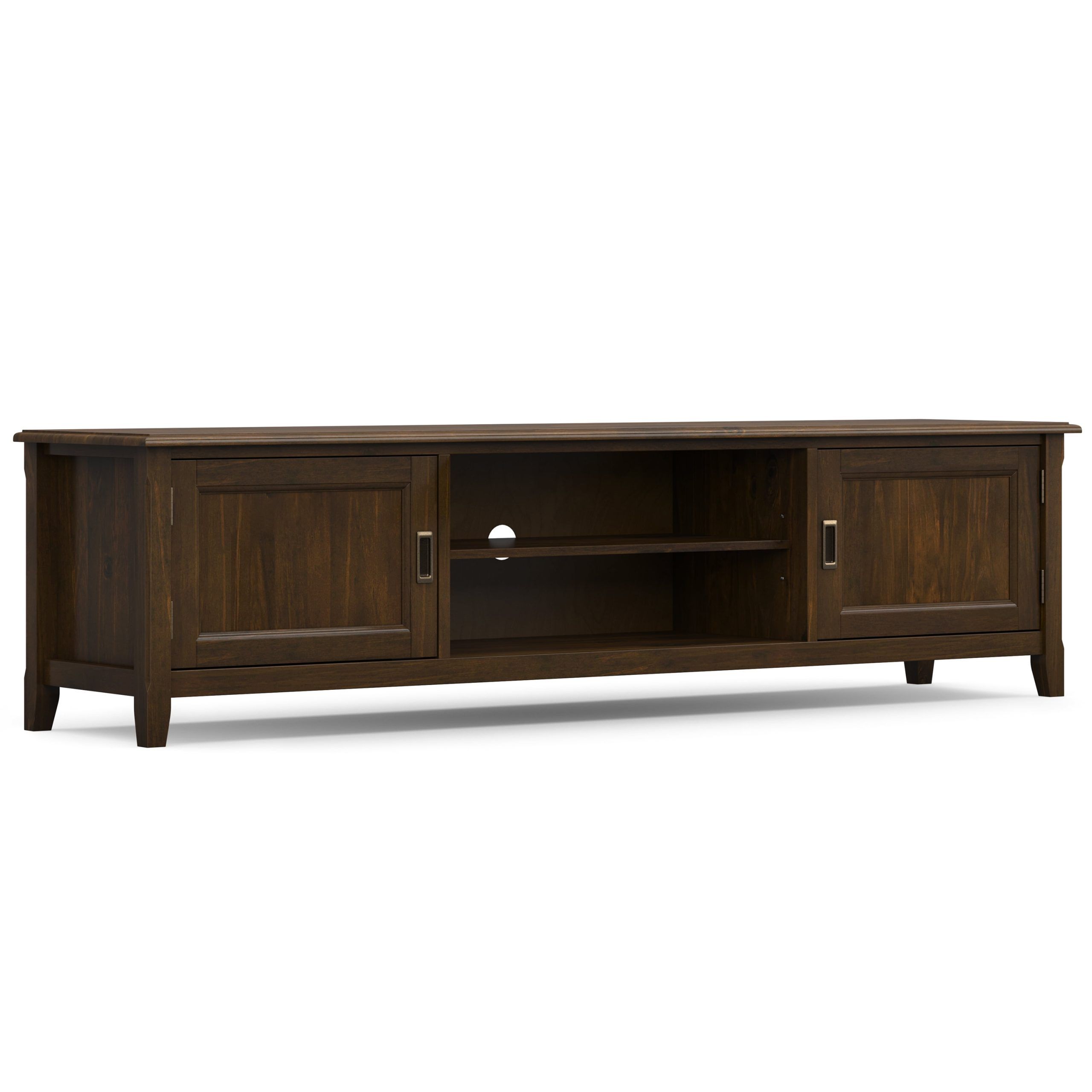
Every home theater enthusiast knows the struggle of finding that one perfect media stand. It’s not just about aesthetics, but about functionality, proportion, and making sure your television looks as good as it performs. Whether you’ve just bought a brand new 65-inch beast or inherited a classic 42-inch set, the right stand can make all the difference in how your entertainment center looks and works.
Let’s face it – nobody wants their television to look like it’s sitting on top of a pile of random boxes or a mismatched piece of furniture. A proper media stand isn’t just about looking good; it’s about protecting your investment, organizing your gear, and creating a cohesive look in your living space. But here’s the tricky part: there’s no one-size-fits-all solution when it comes to TV stands. The right size depends on several factors, from the dimensions of your screen to the available space in your room, and even your personal style preferences. This guide will walk you through everything you need to know to choose a media stand that’s perfectly suited to your setup.
Understanding Your TV Dimensions
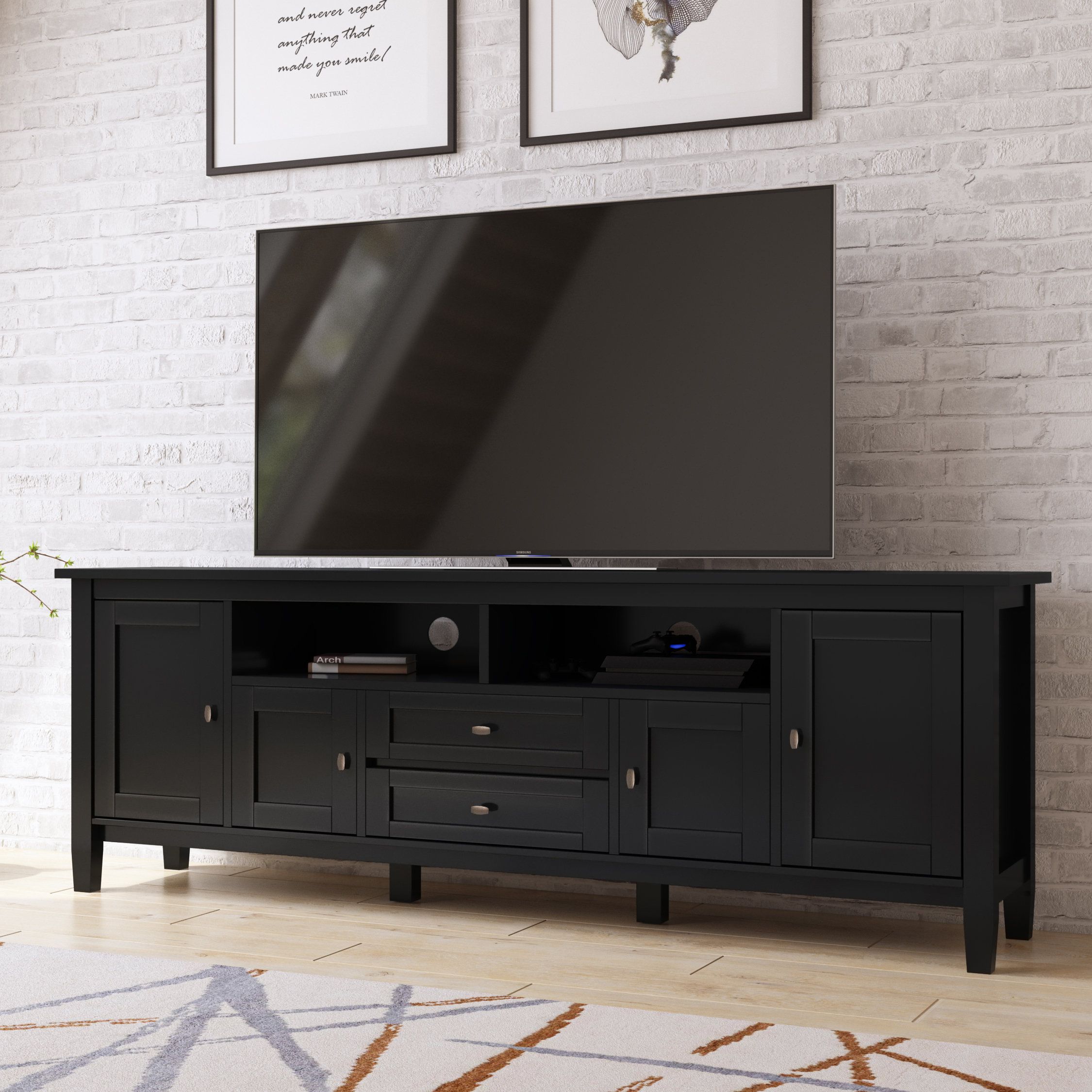
Before you start shopping for a media stand, you need to know exactly what you’re working with. Start by measuring your television carefully. You’ll want to measure the width, height, and depth of your screen. But don’t stop there – measure the entire footprint of your TV including any stands or mounts that might already be attached. Here’s where it gets interesting: many people forget to account for the extra space needed for cables, audio equipment, and other accessories. Think about how much room you’ll need for your streaming devices, soundbars, gaming consoles, and maybe even a small plant or two. Consider the actual usable area of your TV, not just the screen size. For instance, a 55-inch TV might have a footprint of about 48 inches wide, but with its stand included, it could be closer to 52 inches. If you’re planning to mount your TV instead of using a traditional stand, make sure you account for the mounting hardware too. The key is to measure everything twice, because you don’t want to end up with a stand that’s either too big or too small for your setup.
Room Size and Proportions Matter
The size of your room plays a crucial role in determining the appropriate stand size. In a small apartment, a large media stand might overwhelm the space and make everything feel cramped. On the other hand, in a spacious living room, a tiny stand might get lost and look underwhelming. Let’s talk about proportions. A general rule of thumb is that your media stand should be roughly 70-80% the width of your television. So if you have a 60-inch TV, your stand should ideally be between 42 and 48 inches wide. But remember, this is just a starting point. You also need to consider the height of your room, the placement of windows and doors, and how much visual weight you want to add to the space. In rooms with high ceilings, you might want to go for taller stands to create a sense of balance. In low-ceiling spaces, you’ll want to keep things more compact. And don’t forget about the viewing distance. If you sit very close to your TV, you’ll want a stand that doesn’t make the whole setup look too bulky. But if you’re watching from a distance, a more substantial stand can actually enhance the overall look.
What You Plan to Store Inside
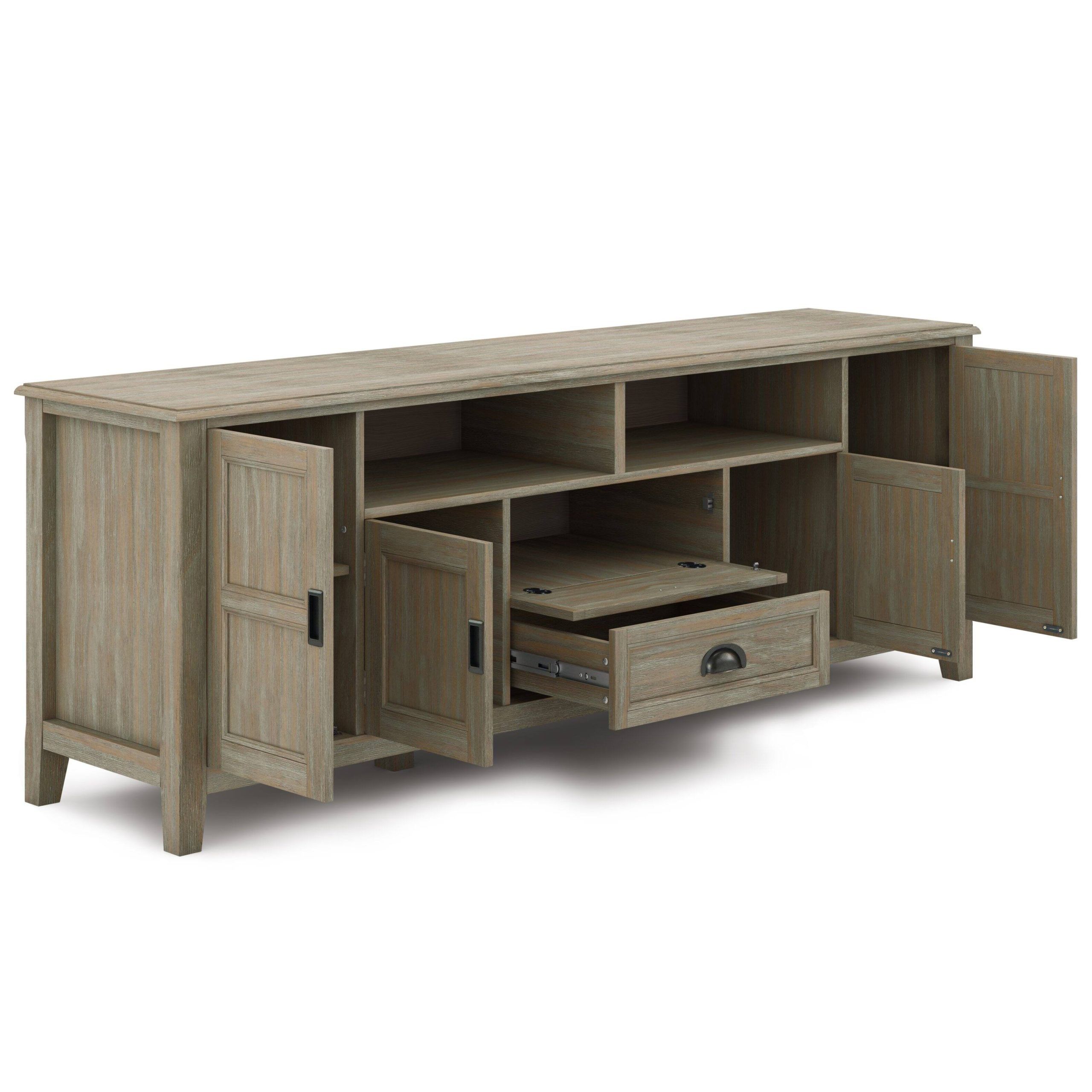
This is where most people make their biggest mistake. They focus solely on the TV itself and forget about everything else that needs to live in the stand. Think about what you’re going to put on top of your media stand. Do you have a collection of streaming devices? Maybe a soundbar and speakers? Gaming systems? A few books or decorative items? Each of these elements adds to the total footprint and weight requirements. Some stands come with built-in storage compartments, while others offer open shelving. If you’re planning to house multiple devices, you’ll want a stand with enough internal space to accommodate everything neatly. Consider cable management options too – some stands have built-in holes or channels for running wires. Also, think about the weight capacity. Your stand needs to support not just the TV, but all the accessories and anything else you might want to place on top of it. A typical 55-inch TV weighs around 40-50 pounds, plus whatever else you add on top of that. Make sure your chosen stand can handle the total load safely.
Style and Design Compatibility
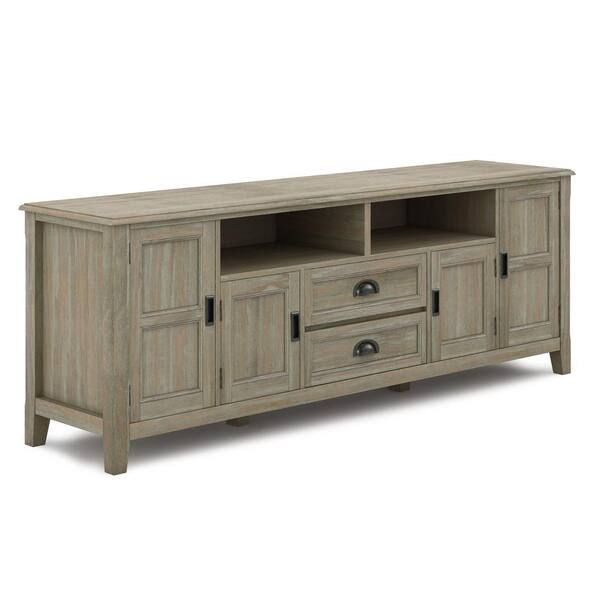
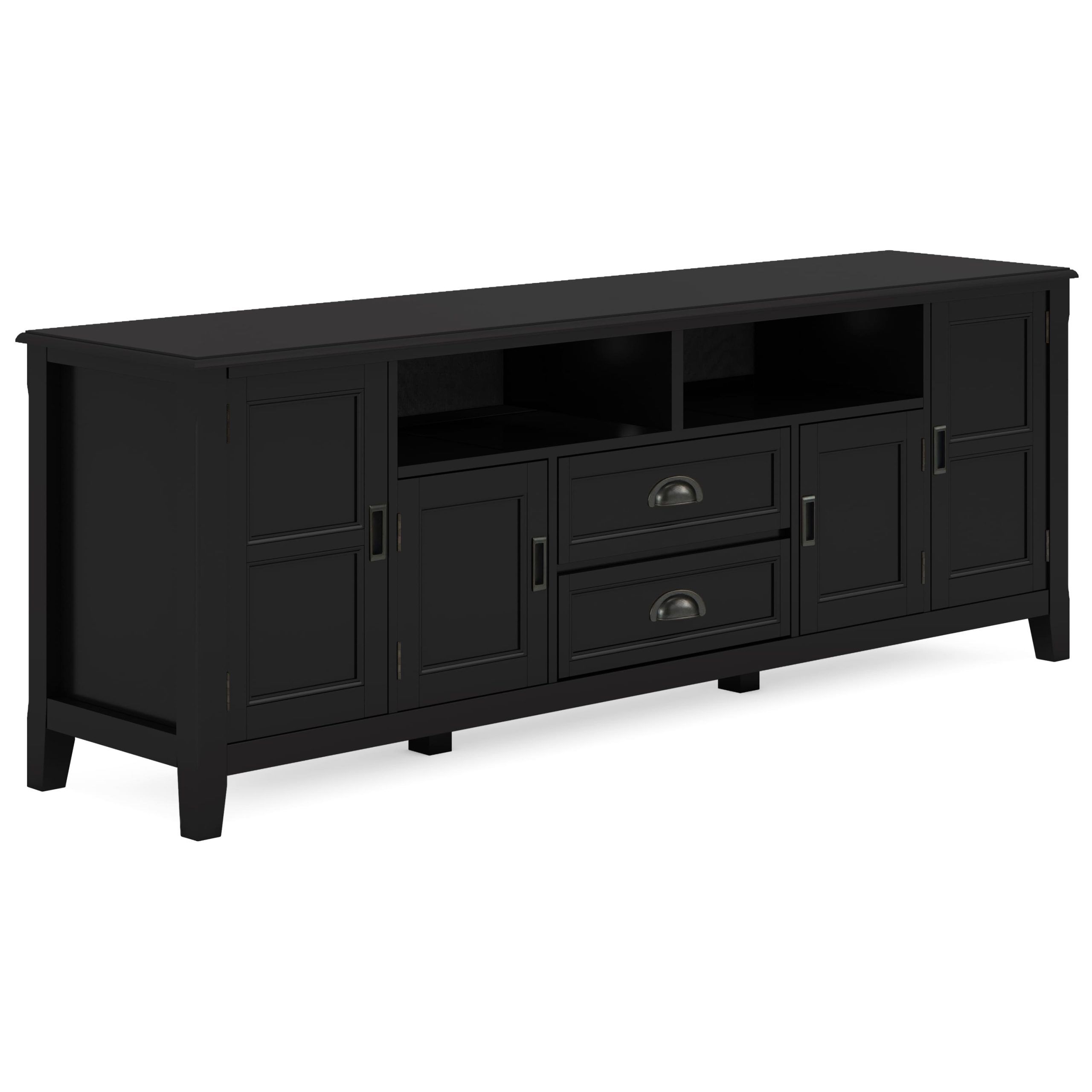
The visual appeal of your media stand goes beyond just matching your TV size. It’s about creating a cohesive look that fits with your existing furniture and décor. Modern minimalist designs often work best with clean lines and neutral colors. If you have a rustic or farmhouse-style living room, you might want to consider wood finishes or vintage-inspired designs. The material matters too. Wood gives a warm, classic feel, while metal offers a sleek contemporary vibe. Glass elements can add elegance but require more maintenance. When choosing your stand, think about how it will interact with surrounding furniture. Does it complement your coffee table? Will it clash with your sofa? Will it match your bookshelves? Sometimes, a simple black or white stand can tie together a variety of different design styles. Other times, you might want something that makes a bold statement and becomes a focal point in the room. Consider the finish of your stand in relation to your walls, floor, and other elements in the space. The last thing you want is a stand that looks completely out of place.
Installation and Mounting Options
Not everyone wants to use a traditional floor-standing media stand. Many people prefer wall-mounted solutions or floating shelves. These alternatives can save space and create a cleaner look, but they also have their own set of considerations. If you’re planning to mount your TV directly to the wall, you’ll need to factor in the size of the mounting bracket and any additional hardware required. Wall-mounted setups typically require less horizontal space but need strong wall support. Floating shelves can be beautiful but may not provide enough support for heavy TVs. Consider the accessibility of your equipment when choosing a mounting option. Can you easily reach all the ports and connections? Will you be able to change your cables or move devices around regularly? Some mounting solutions allow for easy access, while others might require removing the entire setup to make adjustments. Think about whether you want to leave room for future upgrades or if you’re happy with a fixed setup. Also, consider the installation process itself. Do you have the tools and skills to install it yourself, or do you need professional help? This can significantly impact both cost and timing.
Budget and Quality Considerations
Price tags vary dramatically for media stands, ranging from budget-friendly options to premium designs that can cost hundreds of dollars. But here’s the thing – you don’t always get what you pay for. A cheaper stand might seem like a good deal, but it could lack durability or stability. When setting your budget, consider what features matter most to you. Do you need extra storage space? Or are you more concerned about the stand’s ability to support your TV safely? Quality materials often translate to better longevity and performance. Look for stands made with solid wood, quality metals, or reinforced construction. Check reviews from people who have similar TV sizes and setups to yours. Pay attention to comments about stability, especially if you have pets or children who might accidentally bump into the setup. Some stands come with warranties, which can give you peace of mind. Remember that investing in a quality stand early can prevent costly replacements or repairs later. Also, consider ongoing costs such as maintenance and potential upgrades to your setup over time.
Choosing the right size media stand for your television setup isn’t just about finding something that fits physically. It’s about creating a harmonious relationship between your technology, your space, and your lifestyle. Take your time with the measurements, consider your room’s proportions, and think about what you’ll actually use the stand for. Don’t overlook the importance of style and compatibility with your existing décor. Remember that a well-chosen stand can elevate your entire entertainment experience, making your TV feel like a true centerpiece rather than an afterthought. Whether you’re dealing with a small apartment or a spacious living room, there’s a perfect stand waiting to be discovered. The key is to approach this decision thoughtfully, considering not just today’s needs but tomorrow’s possibilities. With the right research and careful consideration, you’ll find a media stand that not only holds your television securely but also enhances your home’s overall aesthetic. After all, your entertainment setup deserves a stand that matches its importance in your daily life.