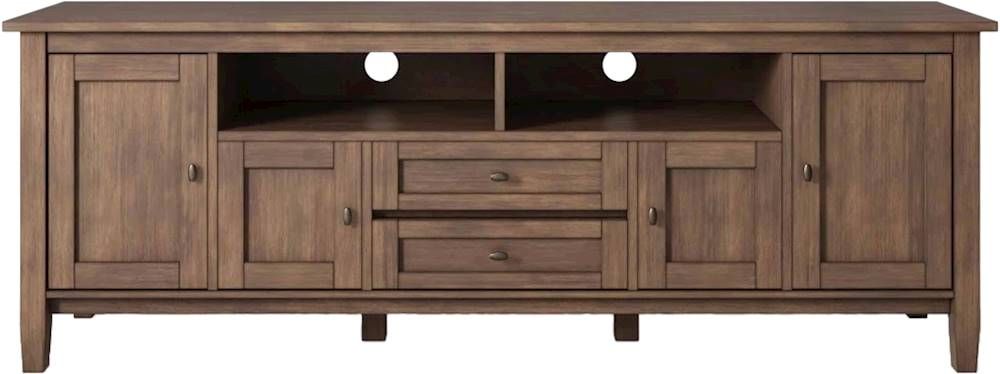
Picture this: you’ve finally created the ultimate media room. It’s got all the bells and whistles – state-of-the-art sound system, massive screen, comfortable seating – but something feels off. Maybe it looks too clinical, or perhaps the tech setup is so complex it’s more trouble than it’s worth. What if I told you that the secret lies in striking the right balance between form and function? This isn’t just about having pretty things or having lots of gadgets. It’s about creating a space that works seamlessly for your lifestyle while looking absolutely fantastic.
When it comes to designing a media room, there’s a fine line between creating a stunning visual experience and building a practical entertainment hub. Many people fall into the trap of focusing on one aspect over the other, but the most successful media rooms strike a delicate balance between beautiful design and smart functionality. Think about it – how often do you find yourself in spaces that look amazing but are practically unusable? Or worse, spaces that work perfectly but look like they belong in a warehouse? The magic happens when you blend aesthetic appeal with real-world usability.
Understanding the Core Principles
At its heart, media room design is about creating harmony. You’re essentially trying to solve multiple problems at once: acoustics, lighting, technology integration, comfort, and style. The best designers approach this like a puzzle where every piece must fit perfectly. Consider what you actually want to do in your space. Do you host movie nights with friends? Do you prefer quiet solo viewing sessions? Are you a gamer who needs high-performance equipment? Understanding your usage patterns helps determine what elements are essential versus decorative.
The fundamental rule is simple: everything in your media room should serve a purpose, whether that purpose is visual, auditory, or emotional. A beautiful screen might look impressive, but if it’s placed in a way that makes it hard to see from your seating area, it’s failing its primary function. Similarly, an amazing sound system that’s impossible to control defeats the whole point of having it.
Visual Appeal Without Compromise
Let’s talk about aesthetics because nobody wants a space that looks like it came straight from a tech store. Good design means creating a visual experience that’s both pleasing and functional. This starts with understanding how light affects your space. Natural light can be beautiful, but it can also create glare on screens and make your viewing experience less enjoyable. That’s why many designers opt for blackout curtains or smart window treatments that can adjust based on time of day.
Color plays a huge role too. Dark colors can absorb sound and create a more cinematic atmosphere, but they can also make a room feel smaller and more enclosed. Lighter tones reflect light and make spaces feel bigger, but they might not provide the ambient environment you want for movies. The solution often involves layering different textures and materials to create depth and interest.
Consider the concept of "visual weight" – some elements naturally draw attention more than others. A large flat-screen TV might be the focal point, but it shouldn’t overwhelm the entire space. Other elements like artwork, built-in shelving, or even carefully chosen furniture can provide balance and prevent the room from feeling one-dimensional.
The Technology Integration Challenge
This is where things get tricky. Technology should be invisible, not obvious. When you’re designing a media room, think about how you want to control everything. Do you want to use a single remote, or do you prefer smartphone apps? Should your lighting automatically dim when you start watching something? How will you manage cables?
One common mistake is overloading a room with too many visible wires and devices. The key is planning ahead. Built-in speaker systems, hidden cable management solutions, and integrated control panels can make a world of difference. Some modern designs incorporate technology into the very structure of the room – like recessed speakers built into walls or built-in storage that conceals equipment.
Smart home integration can be incredibly powerful. Imagine being able to set up a "movie night" scene with one touch that adjusts lighting, closes blinds, turns on the TV, and sets your sound system to optimal settings. It’s not just convenient – it transforms the entire experience of using your media room.
Comfort and Ergonomics Matter
A room that looks great but makes you uncomfortable is like a car that looks amazing but has terrible seats. Your seating choices have a direct impact on how much you’ll enjoy your media room. Think about the viewing distance and angle. A 75-inch screen might look impressive, but if it’s positioned too low or too high, it creates neck strain during extended viewing sessions.
Ergonomic seating isn’t just about comfort – it’s about prolonging your enjoyment of the space. Recliners with good lumbar support can make a difference when you’re watching a two-hour movie. But consider also the social aspect. If you’re hosting guests, you’ll want to ensure that everyone has a good view and feels comfortable. This might mean choosing seating arrangements that encourage conversation rather than just facing the screen.
Temperature control is another often-overlooked factor. A media room that gets too hot during action sequences can ruin the experience. Proper ventilation and climate control ensure that everyone stays comfortable regardless of what’s happening on screen.
Acoustic Excellence for Realistic Sound
Sound is where many media rooms go wrong. It’s easy to focus on visuals, but poor acoustics can make even the best equipment sound terrible. The goal is to create an environment where sound feels natural and immersive.
Room shape matters. Square rooms with parallel walls can create echoes and standing waves that distort sound quality. Curved walls or irregular shapes can help break up sound waves and create a more balanced acoustic environment. However, these changes aren’t always practical, so other solutions come into play.
Materials are crucial. Soft furnishings like carpets, curtains, and upholstered furniture help absorb sound and reduce echo. Hard surfaces like tile or wood floors reflect sound, which can be useful in small spaces but problematic in larger rooms. Strategic placement of acoustic panels can help control sound without sacrificing aesthetics.
The positioning of speakers is critical. Front speakers should be positioned at ear level, and surround speakers should create an enveloping sound field. It’s not just about volume – it’s about creating a seamless audio experience that makes you feel like you’re inside the action.
Practical Tips for Your Own Space
Here are some actionable steps to help you balance form and function in your media room:
• Start with a clear vision of how you’ll use the space. What activities will dominate your time there?
• Plan your layout before buying anything. Measure twice, buy once.
• Invest in quality cables and connections. Cheap cables might save money initially, but they cause headaches later.
• Consider modular furniture that can adapt as your needs change.
• Don’t forget about accessibility – make sure controls and equipment are within reach.
• Create zones within your space if you have multiple uses. A dedicated gaming area, for example, might need different lighting than a movie-watching zone.
• Test everything before finalizing your design. Watch a full-length movie with your planned seating arrangement to see how it works in practice.
Remember, this isn’t a one-time project. Your media room should evolve with your preferences and technology advances. The best designs are those that can adapt while maintaining their core aesthetic appeal and functionality.
Designing a successful media room is more than just choosing pretty things or installing the latest gadgets. It’s about creating a space that truly enhances your life while reflecting your personal style. When form and function work together, you get something magical – a room that’s not just beautiful to look at, but also a joy to use. The key is understanding that these elements aren’t competing against each other, but rather supporting each other. Every decision you make, from the color scheme to the placement of your speakers, should contribute to both the visual experience and practical usability. Whether you’re designing a new space or renovating an existing one, keep in mind that the most memorable media rooms are those that feel like they were made specifically for you. They’re spaces that make you want to spend time in them, not just use them. That’s the true art of balancing form and function in media room design.