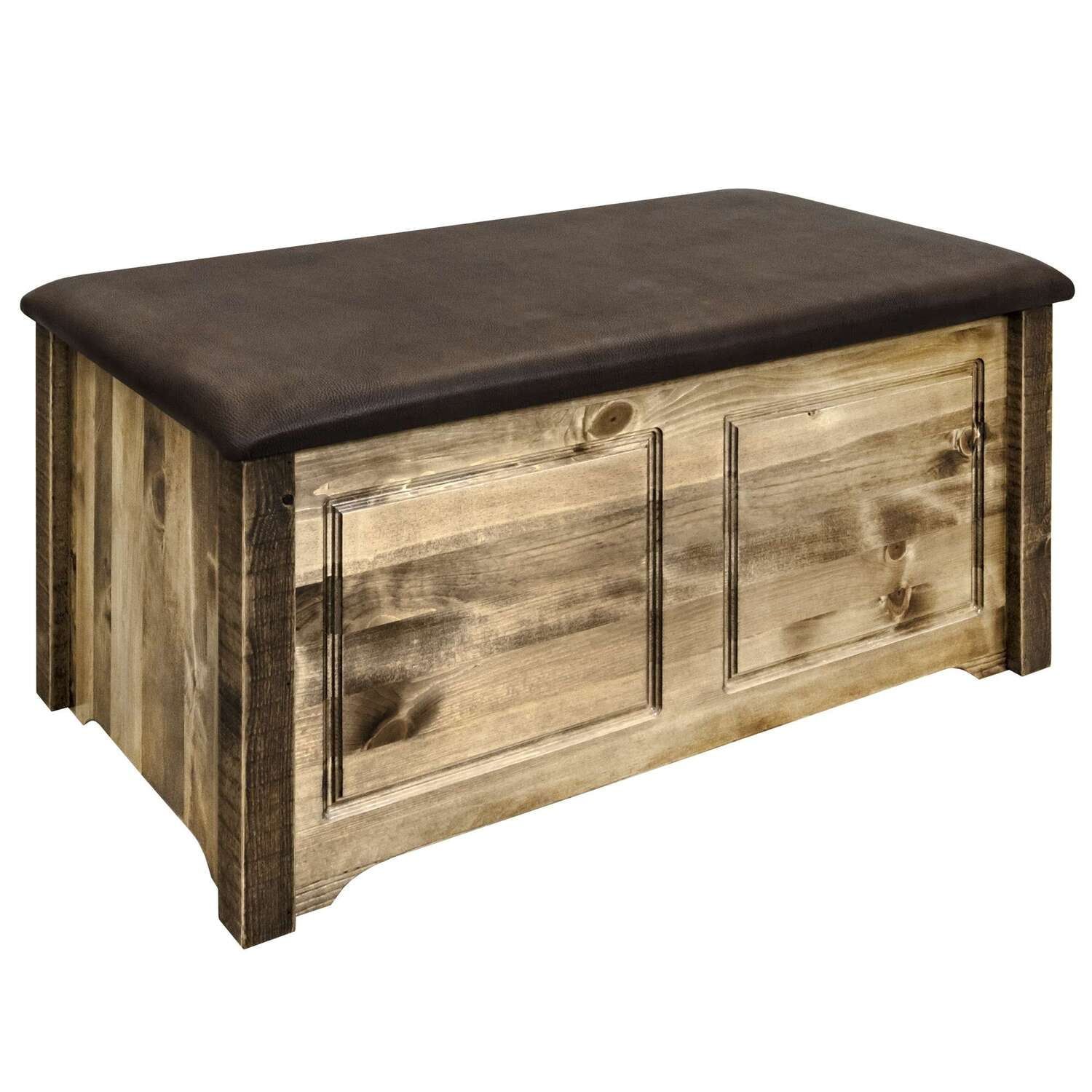
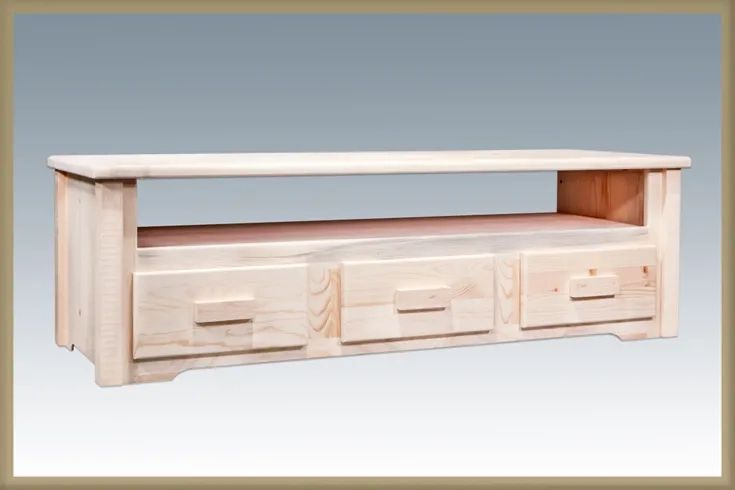
Every sitting chest tells a story. Not just about its history or craftsmanship, but about the surface that protects and enhances its beauty. Whether you’re looking to restore an old piece or start fresh with a new purchase, choosing the right finish isn’t just about aesthetics. It’s about protection, durability, and making sure your investment lasts. Think of it like choosing the right coat for a winter day – you want something that keeps you warm and looks good doing it.
When you think about sitting chests, most people focus on the wood type or design. But there’s another crucial element that often gets overlooked: the finish. That protective layer that covers your furniture isn’t just decoration – it’s a lifeline. It shields the wood from daily wear, moisture, and the occasional coffee stain. The right finish can transform a simple piece into a lasting heirloom. The wrong one might leave you with a beautiful-looking piece that falls apart within months. So how do you navigate this crucial decision? Let’s break it down together.
Understanding Your Wood Type
Before diving into finishes, you need to know your wood. Different woods react differently to various treatments. Hardwoods like oak, maple, and cherry are dense and durable, making them excellent candidates for many finishes. Softwoods such as pine or cedar have different characteristics and may require special considerations.
For instance, oak’s tight grain makes it perfect for oil-based finishes that penetrate deeply. Pine, being softer, benefits from protective coatings that won’t easily scratch off. Cherry wood naturally darkens over time, so if you want to preserve that rich, reddish hue, certain finishes will help maintain that color change rather than masking it.
What matters most is understanding whether your sitting chest is made from hardwood or softwood, and how that impacts the finish selection process.
The Great Debate: Oil vs. Lacquer vs. Paint
The three main contenders in the finish world each bring unique advantages to the table:
• Oil finishes offer deep penetration and enhance the natural beauty of wood. They’re breathable, allowing wood to expand and contract naturally. However, they require more maintenance and are less resistant to water damage.
• Lacquer provides a hard, protective surface that resists scratches and spills. It dries quickly and offers a glossy appearance that many find appealing. On the downside, it can yellow over time and is difficult to repair if damaged.
• Paint completely covers the wood grain, offering maximum protection and a wide range of colors. It’s easy to touch up and very forgiving of imperfections. But it hides the natural beauty of the wood and can chip or peel if not applied properly.
Each choice reflects your priorities: natural look, maximum protection, or complete customization.
Consider Your Environment
Where your sitting chest lives matters more than you might think. A piece in a busy kitchen needs different treatment than one in a quiet bedroom. High humidity areas, like bathrooms or basements, demand finishes that resist moisture and warping. Direct sunlight can fade or discolor finishes over time.
If you live in a humid climate, consider finishes that repel moisture better, like polyurethane or specialized marine-grade options. For sunny spots, look for UV-resistant coatings. In high-traffic areas, prioritize durability – maybe a harder finish that can handle daily abuse.
Think about how much time you want to spend maintaining your furniture. Some finishes require regular buffing or reapplication, while others offer decades of low-maintenance performance.
Matching Your Lifestyle
Your daily routine should guide your finish choice. If you have small children or pets, you’ll want something tough enough to handle knocks and scratches. Families with kids often lean toward paint or lacquer because they’re easier to repair when scuffed.
For those who prefer a more natural look, oil finishes work well for homes with less activity. They’re forgiving and can be refreshed easily. But if you’re someone who likes to see every grain and imperfection in your furniture, oil might actually be perfect.
The key is matching your lifestyle with the finish’s characteristics. Consider how often you’ll clean, whether you’re prone to spills, and how much effort you’re willing to put into upkeep.
Professional vs. DIY Application
Applying finish is where things get interesting. Professional refinishing offers precision and consistency, but it comes at a cost. If you’re handy and have the time, doing it yourself can save money and give you control over the outcome.
Oil finishes are generally easier for DIY projects because they’re forgiving and don’t require special equipment. Lacquer, however, requires proper ventilation and experience to avoid issues like runs or bubbles. Paint is probably the easiest for beginners, but it still requires preparation and skill to get a smooth finish.
Don’t underestimate the importance of prep work. Sanding, cleaning, and applying the right number of coats all contribute to success. Sometimes, even the best finish fails because of poor preparation.
Budget Considerations and Long-Term Value
Cost isn’t just about the initial price of the finish. You need to factor in long-term expenses too. A cheaper finish might seem smart initially, but it could mean more frequent repairs or replacement.
High-quality finishes typically last longer and provide better protection. They might cost more upfront, but they save money over time. For example, a good polyurethane coating might cost twice as much as a basic one, but it could double the life of your furniture.
Also consider the resale value. Buyers often appreciate well-finished pieces, especially those with traditional or natural finishes. A beautifully finished sitting chest can increase your home’s appeal and value.
Choosing the right finish for your sitting chest is both an art and a science. It combines your aesthetic preferences with practical needs and long-term goals. Whether you’re restoring a family heirloom or starting fresh with a new piece, take time to consider all the factors involved. Remember that the finish is just as important as the wood itself. It’s the final touch that brings everything together, protecting your investment while showcasing its beauty. With careful thought and consideration, you’ll find a finish that works perfectly for your situation. The result? A sitting chest that’s not only functional but also a true reflection of your style and values.