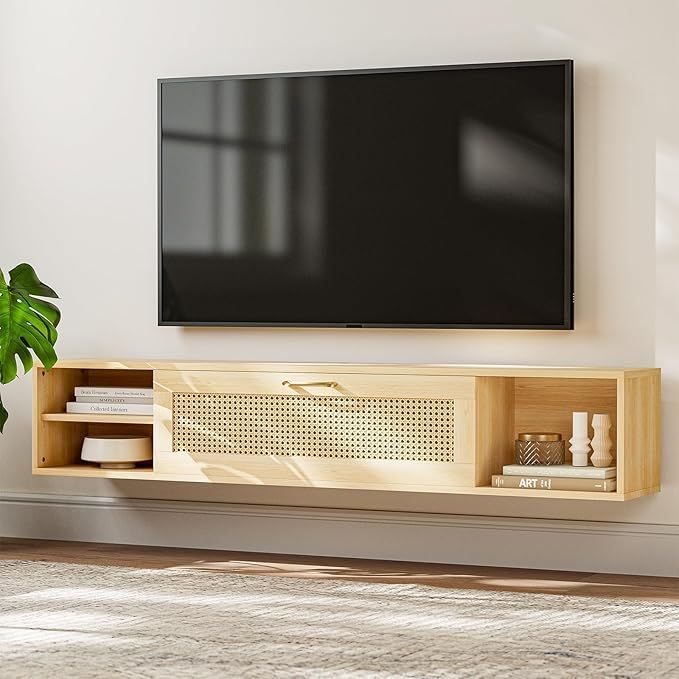
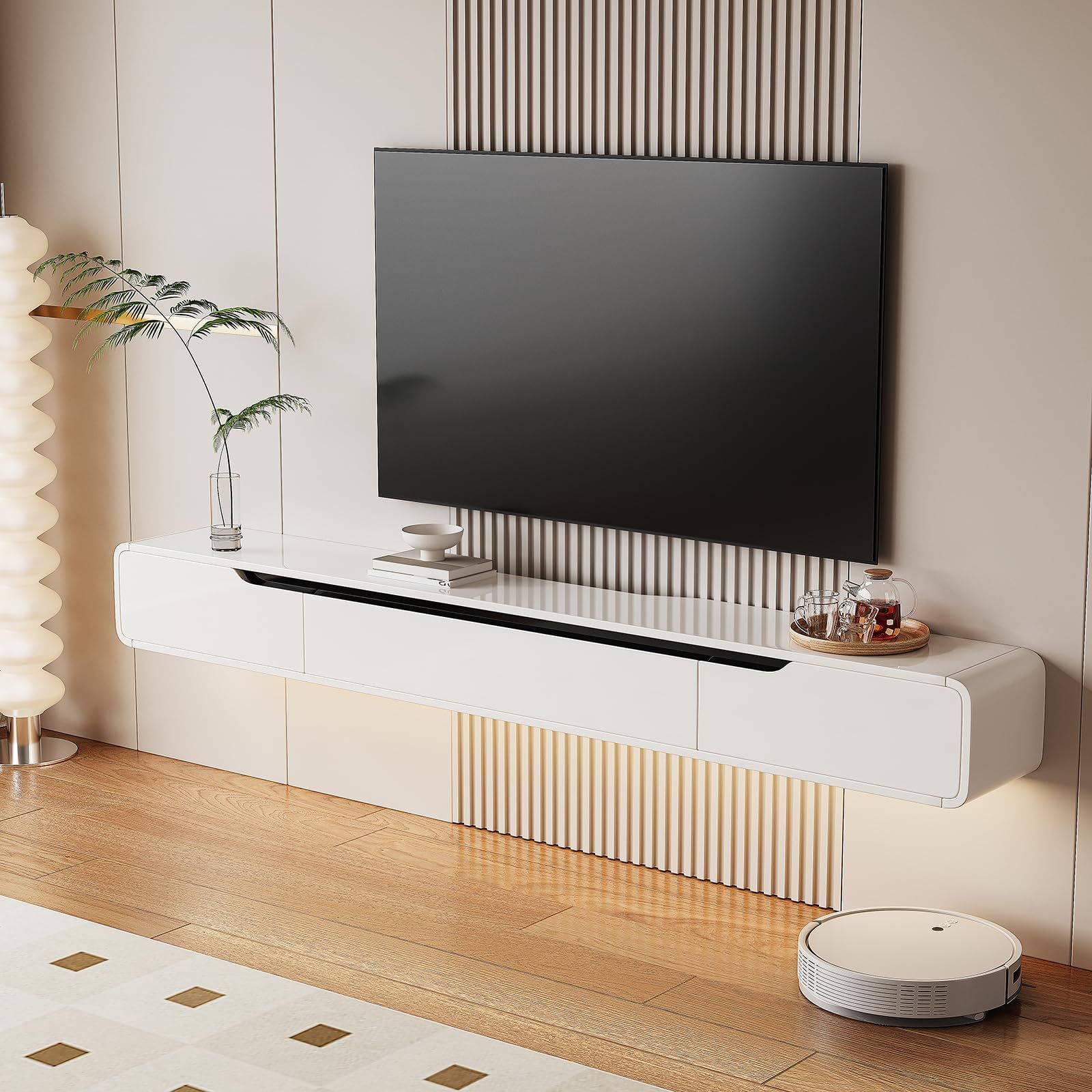
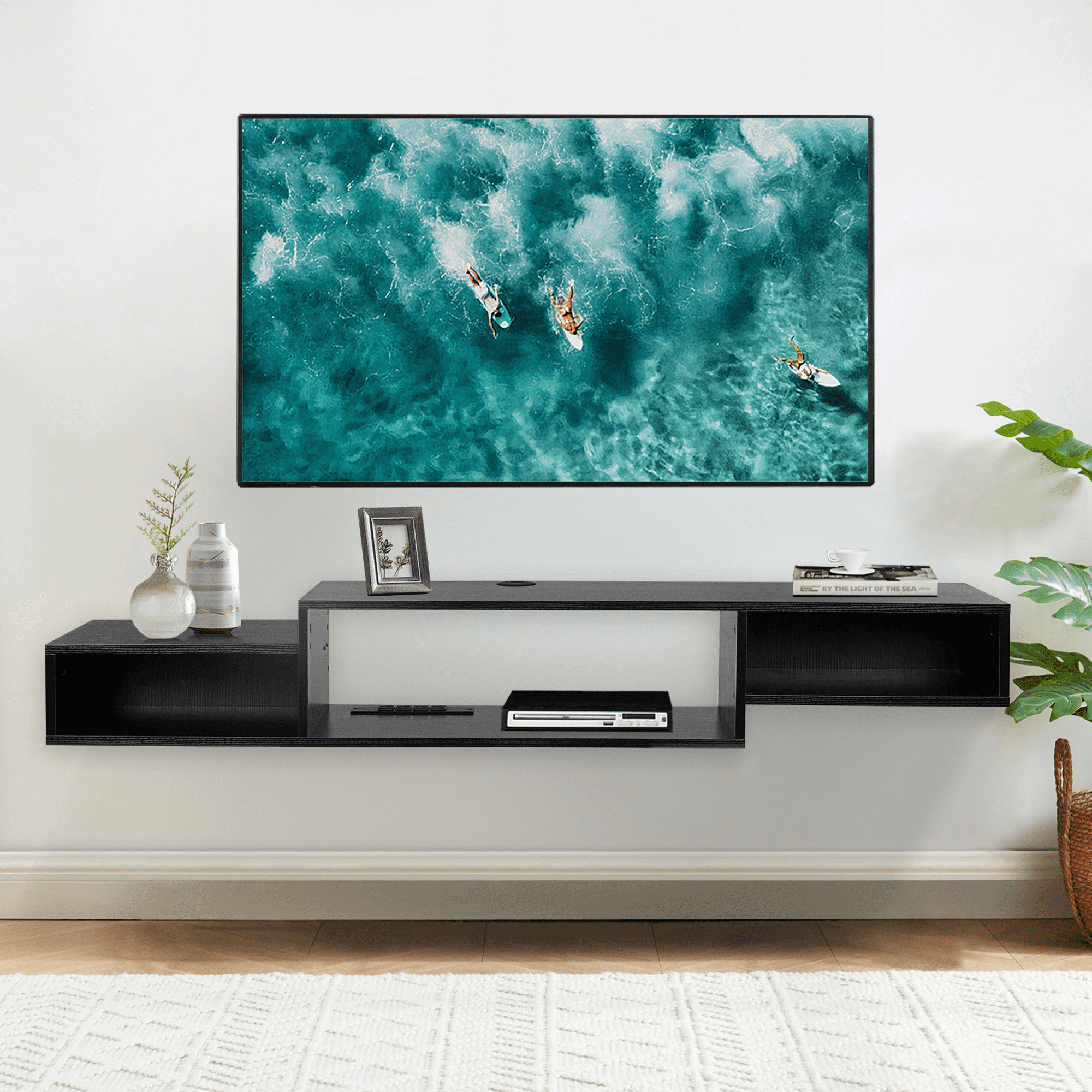
When you’ve got a big screen TV and limited floor space, floating stands might just be your best friend. These clever solutions let you make the most of every inch of wall space while keeping your entertainment setup looking clean and modern. Imagine having that stunning 65-inch display mounted high on your wall, creating a focal point without taking up precious room on the floor. It’s like having a magic trick that makes your living room feel bigger and more organized.
Picture this: You’ve just bought that dream 75-inch television, but your living room feels cramped already. The furniture seems to be taking over every available surface, and you’re wondering how to make it all work together. Enter floating TV stands – those sleek, wall-mounted solutions that seem to defy gravity while bringing your entertainment setup to new heights. These aren’t just about saving floor space; they’re about creating a seamless look that makes your room feel more open and sophisticated. Whether you’re dealing with a small apartment or a cozy family room, floating stands offer creative ways to showcase your large screen without the clutter.
Understanding Floating TV Stand Basics
Floating TV stands are essentially wall-mounted brackets or platforms designed specifically for large screen televisions. Unlike traditional TV stands that sit on the floor, these systems attach directly to your wall, creating a suspended effect that appears to float above your furniture. This design philosophy isn’t just aesthetic – it’s functional too. When you think about it, the average living room has a lot of visual weight from furniture, decorations, and even people moving around. By mounting your TV higher on the wall, you’re actually changing the entire dynamic of how your space looks and feels.
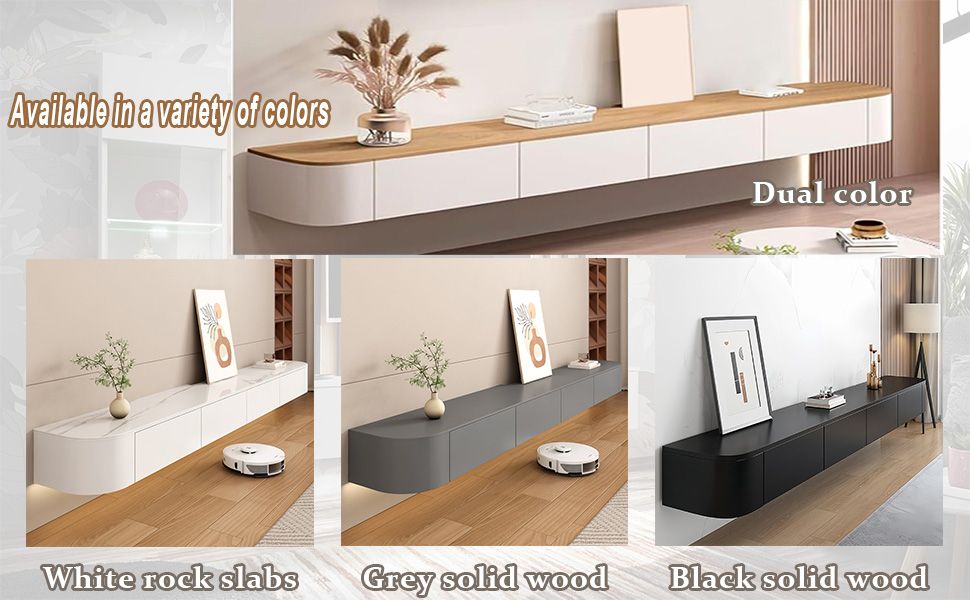
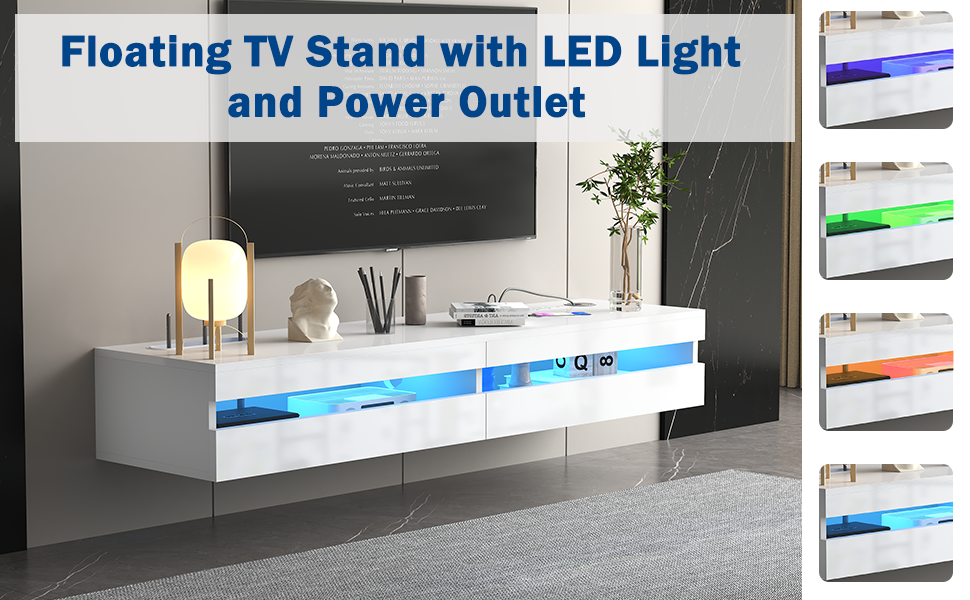
The beauty of these stands lies in their versatility. They come in various sizes, materials, and designs to match different interior styles. Some feature adjustable arms that let you position your screen exactly where you want it. Others offer additional storage space for media devices, books, or decorative items. The key is understanding that these aren’t just TV holders – they’re statement pieces that can define the look of your entire room.
Space-Saving Benefits Beyond Just Floor Area
While we often think of floating TV stands as simple floor-space savers, their true magic happens in the subtle ways they transform your room’s functionality. Let’s talk about what happens when you remove the TV stand from the floor. Suddenly, you have an entire section of your room that’s no longer occupied by bulky furniture. That’s huge for smaller spaces, where every square foot counts.
Consider how much easier it becomes to move furniture around when there’s no heavy TV stand blocking your path. You can rearrange your seating arrangement, move your coffee table to a different spot, or even add a small side table where your TV used to be. This flexibility alone can completely change how you interact with your space. Plus, with less furniture on the floor, you get better circulation and a cleaner visual appearance. It’s amazing how much more spacious a room can feel with fewer physical obstacles.
Design Integration and Aesthetic Appeal
One of the biggest advantages of floating TV stands is how well they blend with modern interior design trends. These systems often feature minimalist profiles that complement contemporary aesthetics perfectly. Think about it – when you have a large screen mounted on the wall, you’re creating a visual anchor that draws the eye upward rather than across the room. This creates a sense of vertical movement that makes your space feel taller and more elegant.
Many floating stands incorporate hidden cable management systems, which means your entertainment setup stays neat and organized. No more unsightly wires running along the floor or hanging from the back of your TV. The result is a clean, professional look that makes your home feel more put-together. Additionally, some stands are designed to accommodate multiple devices and accessories, allowing you to create a complete entertainment center that looks intentional and thoughtful.
Safety Considerations and Installation Best Practices
Before jumping into installation, it’s important to understand that floating TV stands require proper planning and secure mounting. Unlike floor-standing units, these systems rely entirely on the strength of your wall structure and the quality of installation. This means choosing the right hardware and ensuring your wall can support the weight of your large screen.
Here’s where things get practical: always check your wall type before purchasing. Drywall might need special anchors, while concrete or brick walls may require different mounting solutions. Many professionals recommend using a stud finder to locate the strongest points in your wall. And don’t forget about the weight capacity – make sure your chosen stand can handle your TV’s full weight plus any additional accessories.
Another crucial element is the height at which you mount your screen. The viewing angle should be comfortable for everyone in the room, typically between 40 and 45 inches from the floor to the center of the screen. This ensures you’re not straining your neck while watching, which is especially important for larger screens that can easily dominate a room.
Choosing the Right Size and Style for Your Space
Matching your floating TV stand to your room’s dimensions and style requires careful consideration. Start by measuring both your TV and the area where you plan to mount it. You’ll want to ensure there’s adequate clearance around the screen for ventilation and access to connections. Too little space can cause overheating issues, while too much can make your setup look disconnected.
Style choices matter just as much as size. If you have a modern, minimalist home, look for stands with clean lines and neutral finishes. For more eclectic spaces, consider stands with unique materials like wood or metal that can add character. Some stands even offer modular options that allow you to customize the length based on your needs.
Think about what else you’ll want to display alongside your TV. Will you need extra storage for streaming devices, gaming consoles, or books? Some floating stands include shelves or compartments that provide convenient spots for these items. This approach transforms your entertainment center from a single-purpose fixture into a multi-functional space element.
Maintenance and Long-Term Care Tips
Once installed, floating TV stands require relatively low maintenance compared to traditional furniture solutions. However, regular care keeps them looking their best and ensures they continue to function properly. Dusting is usually sufficient for keeping the surfaces clean, though some materials may need specific cleaning products.
It’s worth checking the mounting hardware periodically to ensure everything remains secure. Over time, vibrations from your TV or daily activity can loosen fasteners. Tightening these occasionally prevents potential damage and maintains safety. Also, consider how often you’ll need to access your TV’s ports or controls. A well-designed floating stand should allow easy access without requiring you to remove the entire unit.
Another aspect to consider is how your environment affects the stand. Humidity levels, direct sunlight exposure, and temperature changes can impact certain materials differently. If you live in a particularly dry climate, wood finishes may need occasional conditioning to prevent cracking. Understanding these factors helps you maintain your investment and extend its lifespan.
Floating TV stands represent more than just a clever solution for large screen TVs – they’re a way to re-imagine how we use our living spaces. By freeing up floor area, integrating seamlessly with modern design, and offering practical benefits beyond just storage, these systems help create rooms that feel both functional and beautiful. Whether you’re working with a small apartment or trying to optimize a larger space, the right floating stand can transform your entertainment setup from a necessary compromise to a stylish centerpiece. The key is finding the right balance between form and function, ensuring your investment not only looks great but also works well for your lifestyle. After all, the best solutions are those that make our lives easier while enhancing our homes’ beauty.