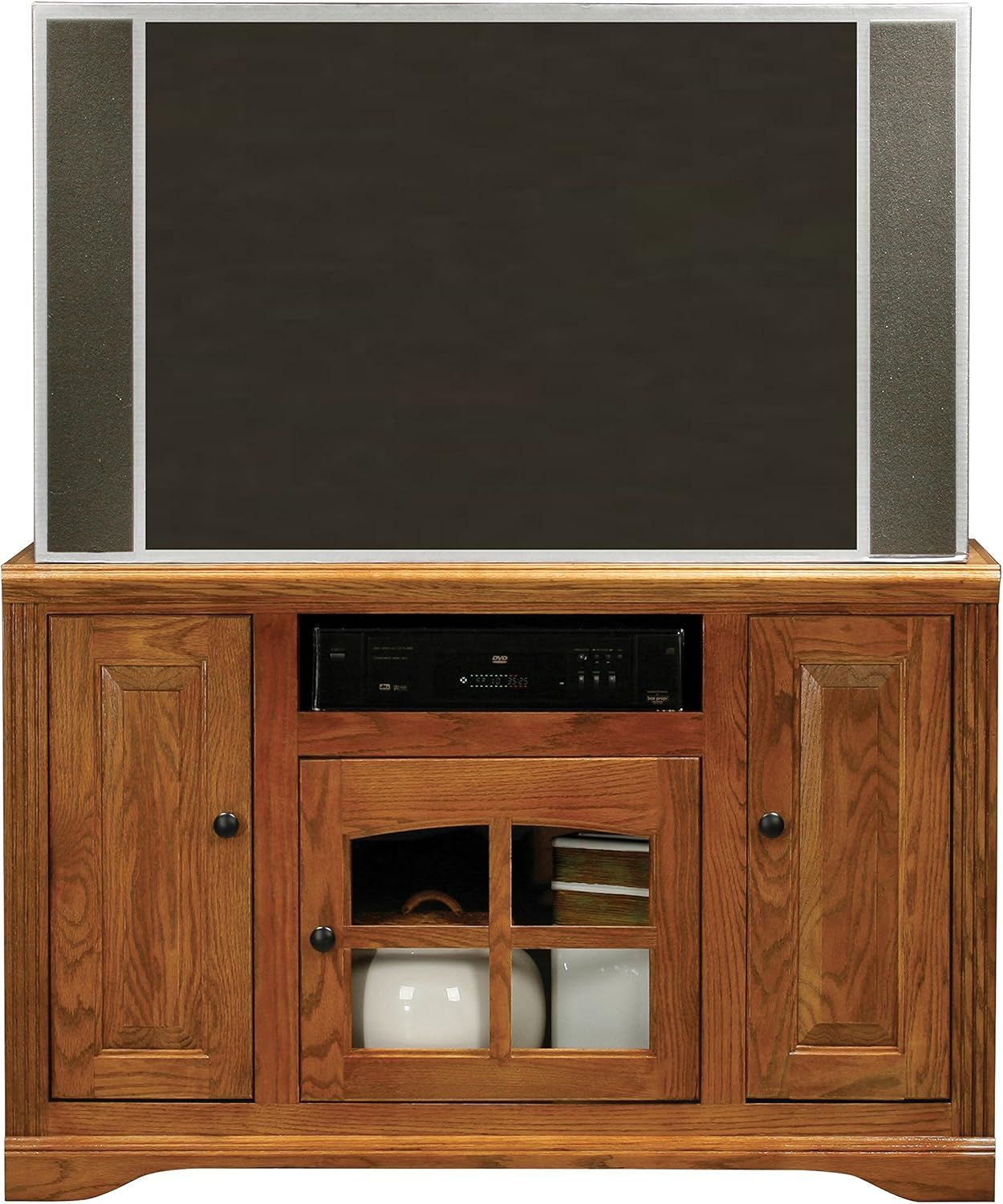
Think about the last time you sat down to watch your favorite show. Did you notice how the room felt? Was there something that caught your eye, or did everything just seem to work together perfectly? That’s visual harmony – and it’s not just about pretty pictures. It’s about how all the elements in your space talk to each other, creating a sense of balance and flow that makes your home feel like a true sanctuary.
When you think about your living room, what comes to mind? Is it the cozy couch where you spend hours reading, or perhaps the big screen that brings movies to life? The entertainment center sits right at the heart of it all – the centerpiece that ties everything together. But here’s the thing: choosing the right entertainment center isn’t just about finding a place to stash your TV. It’s about crafting a visual conversation between your technology, furniture, and décor. What if we told you that the right entertainment center could transform your entire room? That’s exactly what happens when you master the art of visual harmony.
Understanding Visual Harmony Basics
Visual harmony is like music – it’s about balance and rhythm. When elements in a room work together, they create a feeling of completeness. Imagine walking into a space where everything feels just right. There’s no jarring contrast, no overwhelming focal points, and certainly no chaos. That’s harmony. It’s not about making everything identical – though that can work – but about ensuring all components complement one another. For your entertainment center, this means considering how its shape, color, material, and size interact with surrounding elements. Think about it like a conversation. If you’re talking to someone, you don’t want to shout over them or speak so quietly they can’t hear you. You find a rhythm that works for both parties. The same applies to your entertainment center and the rest of your room.
The Role of Proportion and Scale
Proportion and scale are fundamental principles that determine how well your entertainment center fits into the room. A massive entertainment unit might dominate a small space and make it feel cramped, while a tiny one might get lost in a large room. The key is matching your centerpiece to the room’s dimensions. Picture this: you have a 65-inch TV and a room that’s 15 feet wide. Would a 7-foot entertainment center feel right? Probably not. But a 4-foot unit might feel too small. Finding that sweet spot matters. Scale also involves understanding how different elements relate to each other. A tall, narrow cabinet next to a low, wide sofa creates a pleasing vertical contrast. But if you put a tall unit next to a short coffee table, you might end up with a look that feels unbalanced. Consider the height of your TV, the width of your seating area, and how much wall space you have available. These measurements become your guide to creating a proportional masterpiece.
Color Theory in Entertainment Center Design
Colors have power – they influence mood, energy, and perception. When selecting an entertainment center, consider how its colors interact with your existing palette. Neutral tones like white, beige, or gray tend to blend seamlessly with most decor styles. They’re safe choices that let other elements shine. But don’t mistake neutral for boring. A white entertainment center can be striking when paired with bold accessories. Warm colors such as wood tones, terracotta, or burnt orange add energy and warmth. Cool colors like navy blue or slate gray bring calmness and sophistication. The trick is to choose a base color that complements rather than competes with your room’s dominant hues. For instance, if your walls are a soft sage green, a wooden entertainment center might create a beautiful harmony. If you’re unsure about color combinations, try using a color wheel to explore options. Remember, the goal isn’t to match every color perfectly, but to create a cohesive visual story.
Material Selection for Cohesion
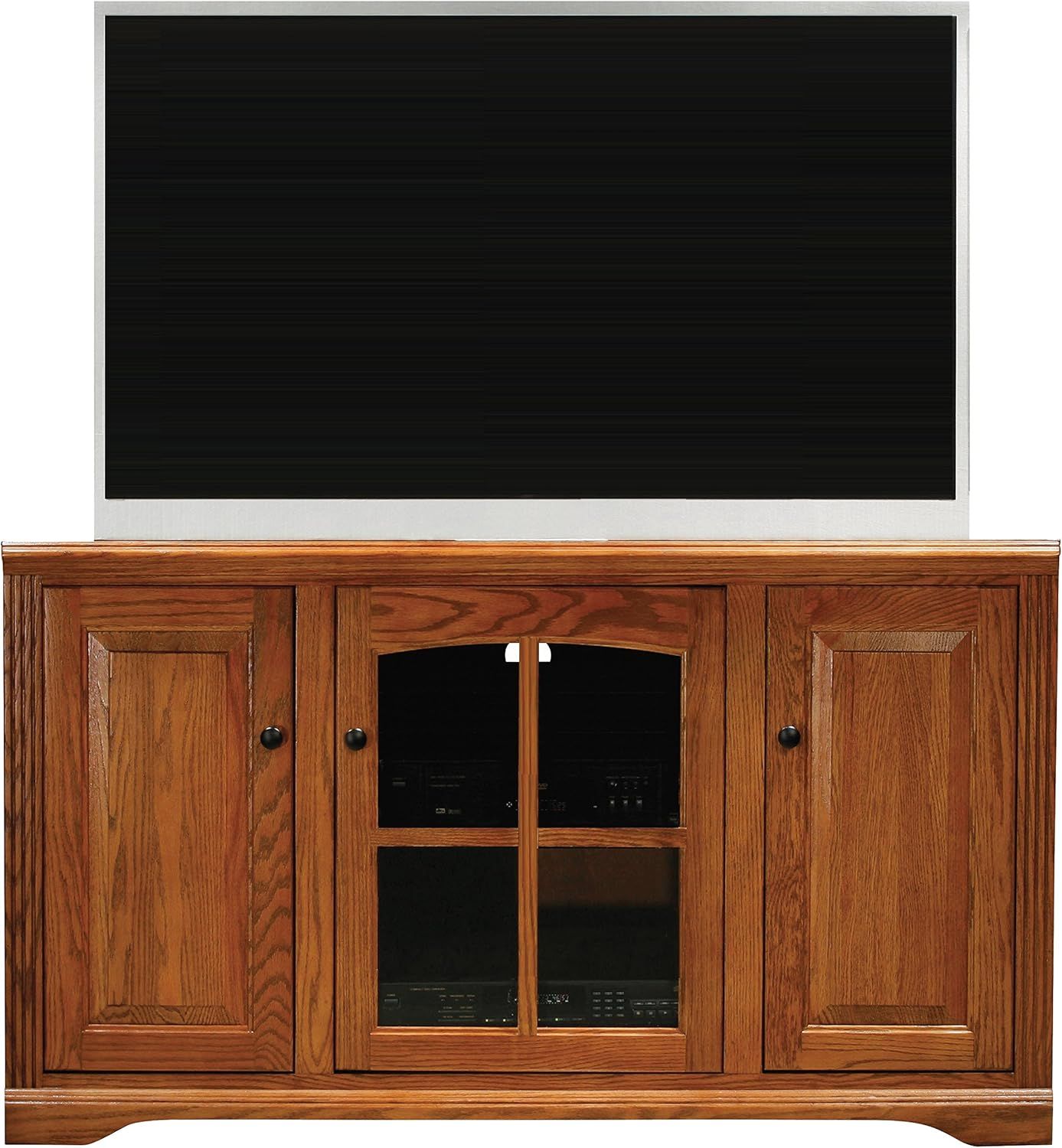
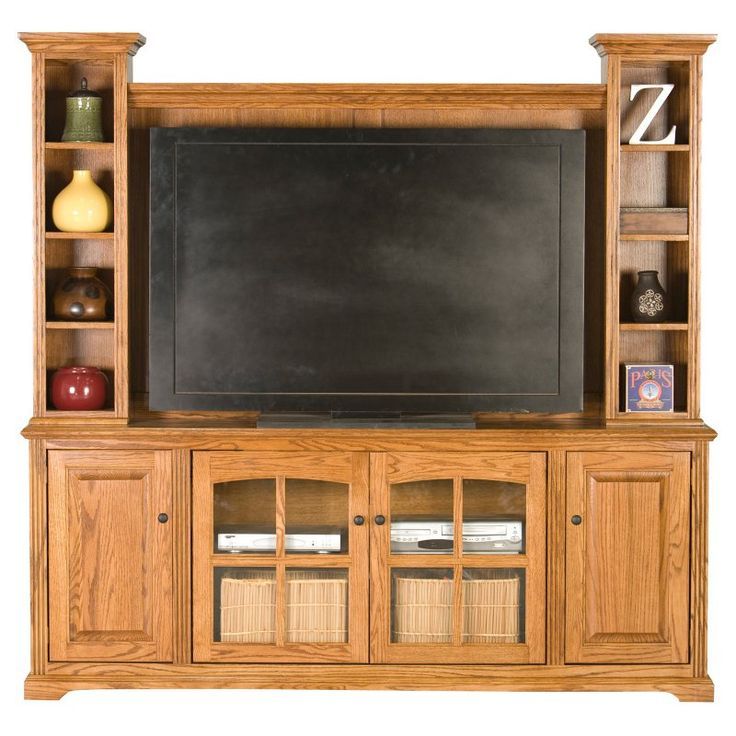
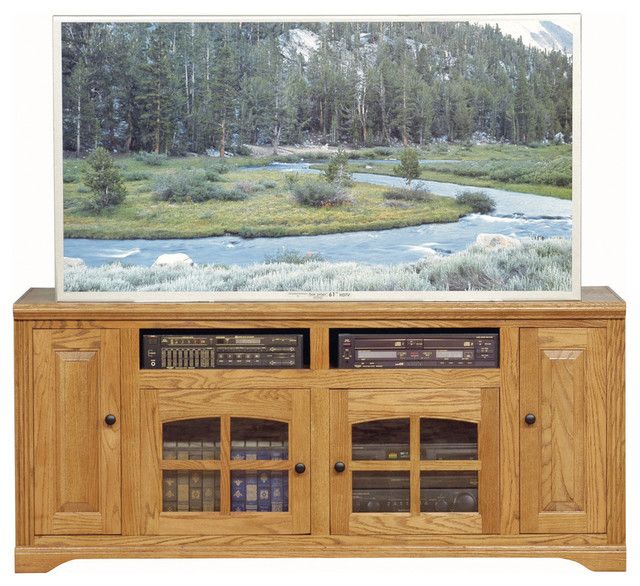
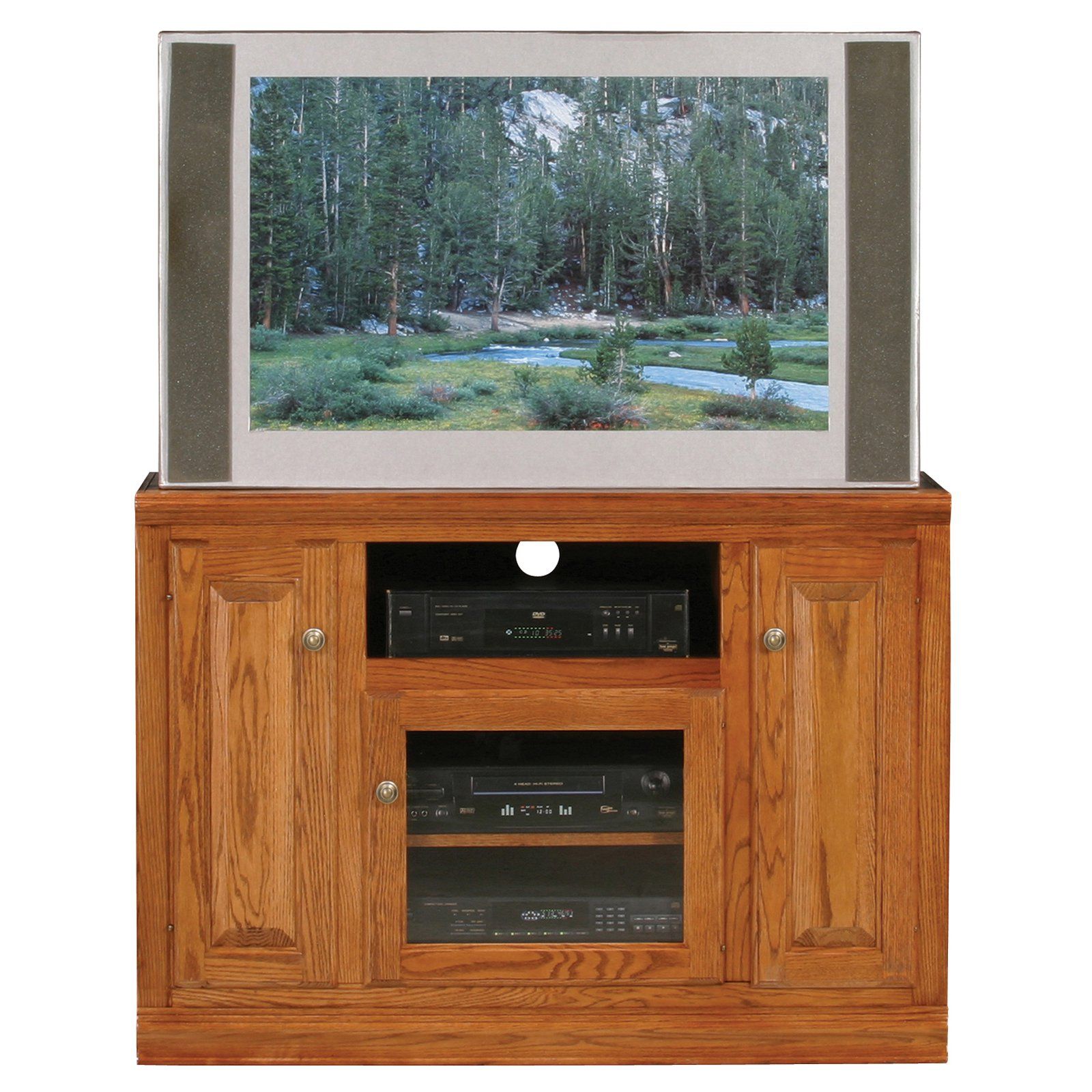
Materials tell stories. Wood brings warmth and natural texture, while metal adds modernity and sleekness. Glass creates openness and lightness, and stone offers a touch of luxury and permanence. When choosing materials for your entertainment center, think about how they’ll interact with other surfaces in your room. A wooden entertainment center might pair beautifully with a leather sofa and natural fiber rugs. But if your room features lots of metal accents, mixing wood with metal can create an interesting contrast. The key is consistency. If you’re going for a rustic vibe, stick with natural materials like reclaimed wood and stone. For a contemporary space, sleek metals and glass work well together. Don’t feel limited to one material either. Combining textures can make your entertainment center more interesting. Just make sure the combination feels intentional, not random. Consider how the materials will age and whether they’ll continue to look good over time.
Lighting Integration and Ambiance
Lighting plays a crucial role in how your entertainment center looks and feels. Natural light changes throughout the day, affecting how colors appear and how shadows fall. Artificial lighting can enhance or diminish your centerpiece’s impact. Consider installing adjustable LED strips behind your entertainment center for subtle backlighting. This technique can make your unit stand out while adding depth to the room. Task lighting above your entertainment area helps reduce glare on your screen. Table lamps or floor lamps positioned strategically can create visual interest and highlight architectural features. Dimmer switches allow you to adjust the atmosphere based on the activity – bright and energizing for watching sports, or soft and relaxing for movie nights. Don’t forget about the lighting on your TV itself. Too much ambient light can wash out your picture, while too little can cause eye strain. Find the right balance for your viewing experience.
Practical Considerations for Real Life
While aesthetics are important, functionality cannot be ignored. Your entertainment center needs to serve your lifestyle. How often do you use it? Do you have multiple devices that need hiding? Will you be storing books, games, or collectibles? These questions shape your design decisions. Consider built-in storage solutions for items you use regularly. Open shelving works great for displaying favorite items, but keep it curated. Too many things can create visual clutter. Hidden compartments and doors help maintain a clean appearance while keeping things organized. Cable management is essential – no one wants to see a jungle of wires. Invest in cable covers or built-in routing systems. Also think about accessibility. You should be able to reach everything easily, especially items you use daily. The center should be comfortable for everyone in your household to use. Consider the height of your seating arrangement and how it relates to your entertainment center. Everything should work together for maximum enjoyment and minimal frustration.
Choosing the right entertainment center is more than just picking something that holds your TV. It’s about creating a visual dialogue between your technology and your space. When you consider proportion, color, materials, lighting, and practicality, you’re building more than just a functional piece of furniture – you’re crafting a room that feels intentional and harmonious. Remember, there’s no one-size-fits-all solution. Every home is unique, with its own personality and needs. Take your time with the selection process. Look at what already exists in your space and let that guide your choices. The result? A room that not only looks great but also enhances your daily life. Whether you’re hosting friends or enjoying quiet moments alone, your entertainment center should support your lifestyle and reflect your taste. After all, your home should feel like a reflection of who you are – and that includes the way your entertainment center fits into your world.