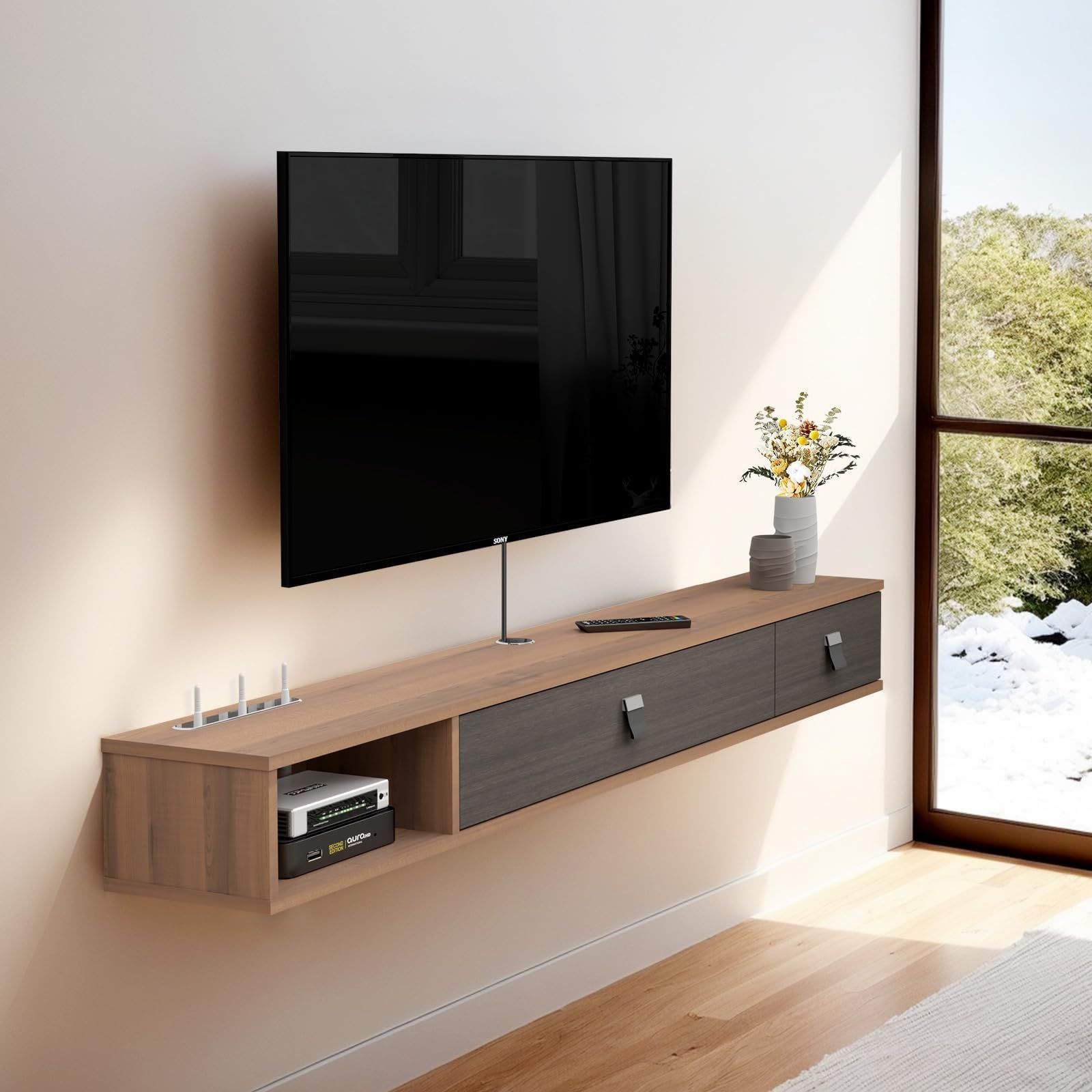
Picture this: You’re sitting in your living room, surrounded by beautiful furniture, warm lighting, and artistic touches. But there’s a sleek television mounted on the wall, a collection of gadgets scattered around, and cables snaking across the floor like digital arteries. How do you make all these elements work together instead of competing with each other? This is the challenge many people face today – how to seamlessly integrate modern electronics into their interior design without losing the aesthetic appeal of their space.
In our increasingly digital world, we’re surrounded by technology that has become essential to daily life. Smartphones, tablets, laptops, streaming devices, and countless other gadgets fill our homes. But how do we keep our spaces looking elegant and intentional while accommodating all these electronic necessities? The secret lies in understanding that electronics aren’t just functional items – they can also be design elements themselves. When done right, your tech can enhance rather than detract from your interior design vision. It’s not about hiding everything away or sacrificing functionality for beauty. Instead, it’s about thoughtful integration that creates a unified, harmonious environment.
Understanding the Foundation of Design Cohesion
Before diving into specific strategies, it’s important to grasp what makes design elements work together. Cohesion in interior design comes from shared visual elements, consistent color palettes, similar textures, and a unified style language. Electronics, when integrated properly, can contribute to this harmony rather than disrupt it.
Think about how a well-placed lamp can complement the color scheme of a room. Similarly, a carefully chosen television stand can echo the wood tones of your coffee table. The key is recognizing that every element in a room, including electronics, has the potential to either support or conflict with the overall design story you’re telling.
This principle applies even more strongly when considering how different types of technology interact with various design aesthetics. A minimalist modern home might require sleek, unobtrusive solutions, while a rustic cabin could embrace vintage-style electronics that fit naturally into the space.
Color Coordination Strategies for Electronic Integration
One of the most straightforward ways to achieve cohesion is through careful color coordination. Electronics often come in stark black or silver, which can immediately clash with warm, earthy tones or vibrant colors in a room.
Consider matching your electronics to existing color schemes in the room. If you have a neutral palette with warm browns and creams, choose electronics in soft grays or warm whites. For bold, colorful spaces, look for tech with subtle metallic finishes that complement rather than compete with the existing palette.
Here are some practical approaches:
• Match the hue of your electronics to dominant colors in the room
• Choose finishes that reflect the warmth of your furniture or decor
• Select accessories like phone cases or laptop sleeves that blend with your overall scheme
A simple example: In a room dominated by deep blues and teals, a matte black television or tablet might feel jarring. Instead, opt for a silver or brushed aluminum finish that echoes the cool tones in your space.
The Power of Strategic Placement
Where you place your electronics matters more than you might think. Strategic positioning can make the difference between a chaotic mess and a polished, intentional space.
Consider the concept of focal points. Every room needs one or two main visual anchors – perhaps a beautiful piece of art, a striking piece of furniture, or an architectural feature. Electronics should either serve as part of that focal point or be positioned to avoid competing with it.
For instance, if your living room features a stunning fireplace, don’t put your television directly above it. Instead, consider mounting it to the side or creating a designated media area that doesn’t interrupt the visual flow of the room.
Another crucial factor is sightlines. People naturally notice what they see first. If you have a beautiful console table with decorative objects, make sure your electronics don’t block the view or create visual clutter. Position them where they’re functional but not distracting.
Think about the flow of traffic in your space too. Electronics shouldn’t create obstacles or safety hazards. They should enhance the movement through the room rather than impede it.
Cable Management: Hidden Solutions for Visible Problems
Perhaps no aspect of electronic integration causes more frustration than managing cables. Those tangled wires can ruin even the most carefully planned design scheme.
The solution isn’t to hide cables completely, but to manage them in ways that are both functional and visually pleasing. Here are several approaches:
• Use cable raceways that match your trim or baseboards
• Incorporate furniture with built-in cable management systems
• Utilize decorative cable covers that blend with your decor
• Hide cables behind furniture or within walls when possible
Modern cable management solutions are surprisingly elegant. You can find raceways that look like crown molding, or decorative boxes that double as storage. Some companies even offer cables in colors that match common wall paints.
The key is thinking of cables not as a problem to be solved, but as a design opportunity. When cables are properly managed, they become invisible elements that support your design rather than disrupting it.
A practical tip: Plan your cable routes before installation. Measure carefully and anticipate where you’ll need outlets. This proactive approach prevents last-minute scrambling and ensures everything looks intentional.
Choosing Electronics That Complement Your Style
Not all electronics are created equal when it comes to design compatibility. Some are inherently more adaptable than others. The goal is selecting devices that either naturally fit your existing aesthetic or can be easily adapted to do so.
For traditional spaces, look for electronics with classic silhouettes and warm materials. Wooden accents, soft curves, and muted colors tend to blend well with traditional design elements.
In contemporary settings, clean lines and minimalistic forms work best. Black, white, and gray dominate modern electronics, but you can add personality through accessories or by choosing models with interesting textures.
Industrial design lovers might appreciate electronics with exposed metal, raw finishes, and utilitarian shapes. These can actually enhance the industrial vibe rather than clash with it.
Consider the materiality of your electronics too. If you have a lot of wood in your space, look for tech with wood grain finishes or natural materials. If your decor features lots of metal, go for sleek, polished finishes.
Remember, it’s not just about appearance – the shape and form of electronics should also support the overall balance of your room. A large, bulky television might overwhelm a small, intimate space, while a tiny tablet might get lost in a grand, spacious room.
Practical Tips for Everyday Integration
Here are some actionable strategies that can make a significant difference in how well your electronics integrate with your interior design:
• Create dedicated technology zones rather than scattering devices throughout the room
• Use furniture pieces that naturally accommodate electronics, such as media consoles or side tables with built-in charging stations
• Invest in universal remote controls to reduce the number of visible devices
• Choose multi-functional furniture that can house multiple electronics while maintaining the room’s aesthetic
• Consider smart home systems that allow you to control multiple devices through a single interface
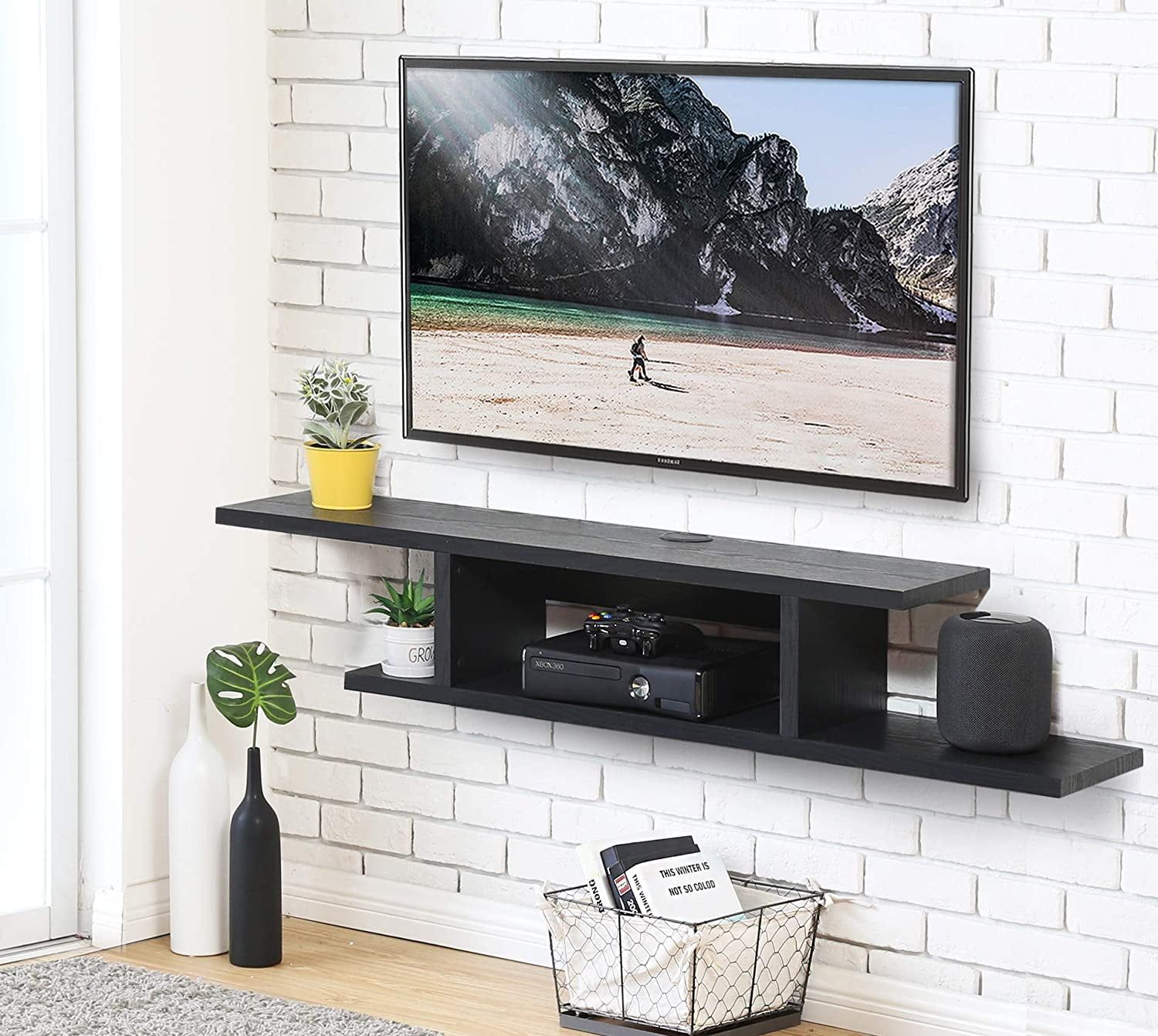
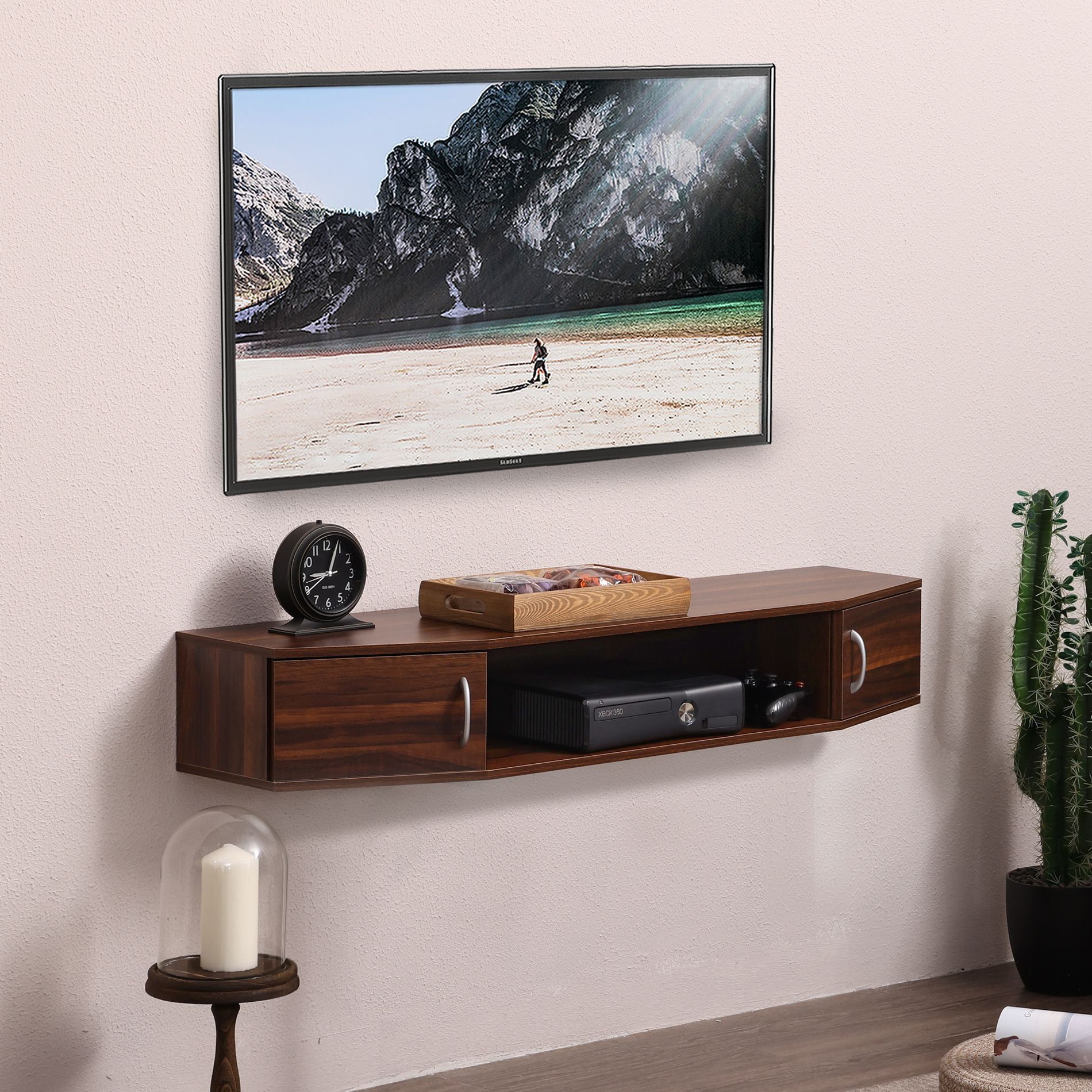
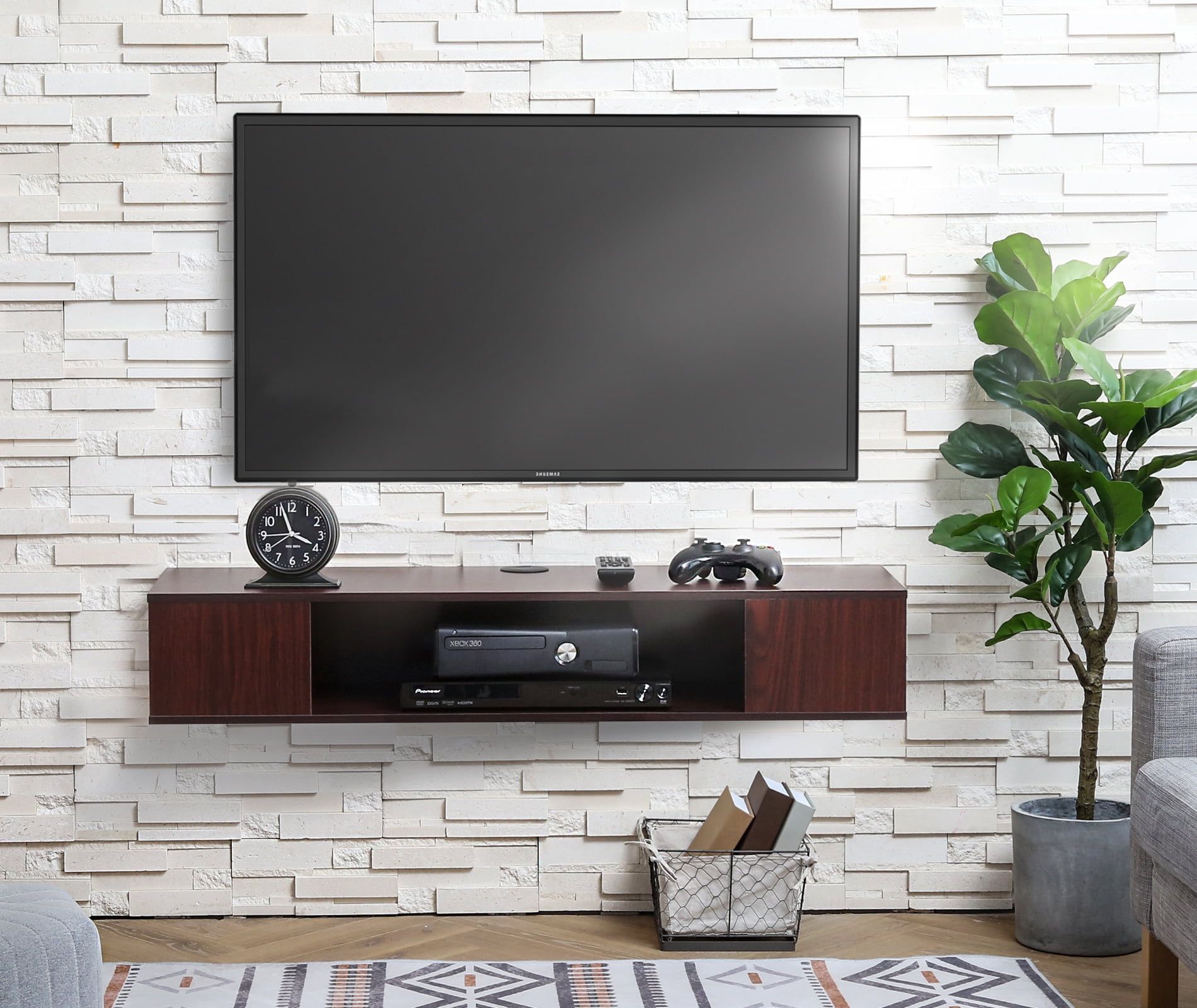
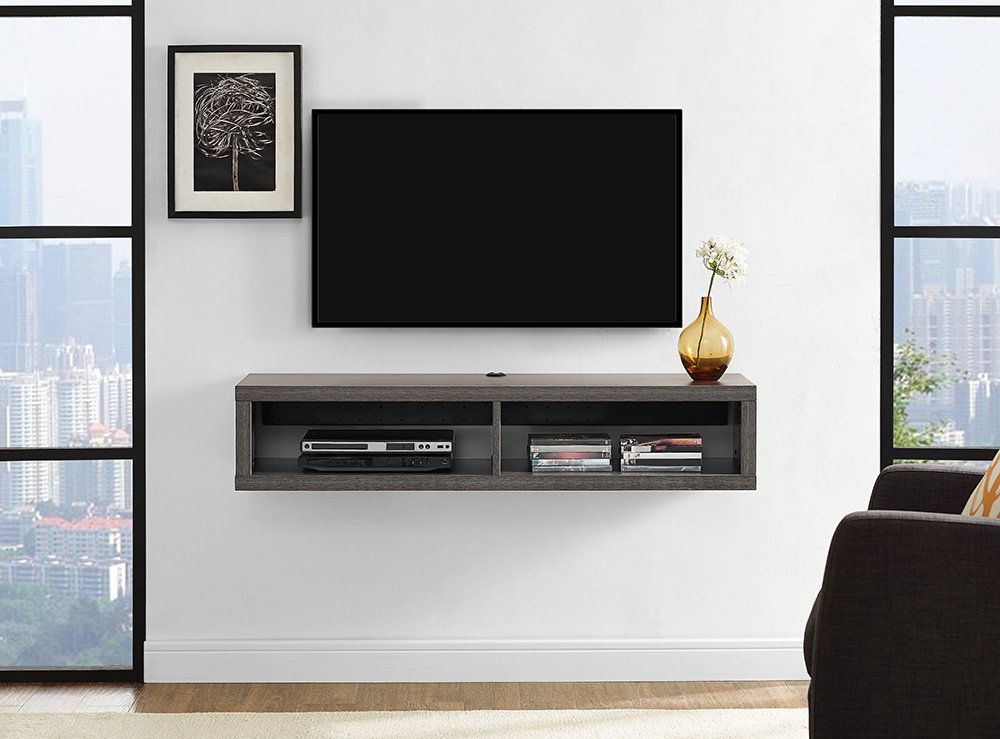
One particularly effective approach is to treat electronics like artwork or decorative objects. Display them thoughtfully, perhaps on shelves with books or plants, or incorporate them into built-in cabinetry. This transforms them from necessary evils into intentional design choices.
Don’t forget about lighting. Proper illumination can make electronics appear more integrated and less jarring. LED strips under furniture or accent lighting near screens can help them blend better with their surroundings.
The most successful integrations happen when you approach electronics not as separate items to be tacked onto your design, but as components of the overall design story. This mindset shift can transform how you think about technology in your home.
Creating harmony between electronics and interior design isn’t about perfect matching or complete concealment. It’s about thoughtful consideration and intentional placement. When you approach technology with the same care and attention you give to your furniture and artwork, you’ll find that your electronics can become powerful allies in creating a beautiful, functional space.
The journey toward cohesive design isn’t always easy, especially when new devices constantly enter our lives. But with patience, creativity, and a willingness to think beyond simple functionality, you can build a home where technology enhances rather than interrupts your aesthetic vision. Remember, the goal isn’t to eliminate the digital age from your space – it’s to welcome it in a way that feels natural and authentic to your personal style. Whether you’re designing a new space or updating an existing one, consider how your electronics can become part of the story your room tells. The result will be a home that feels both modern and timeless, connected and comfortable.