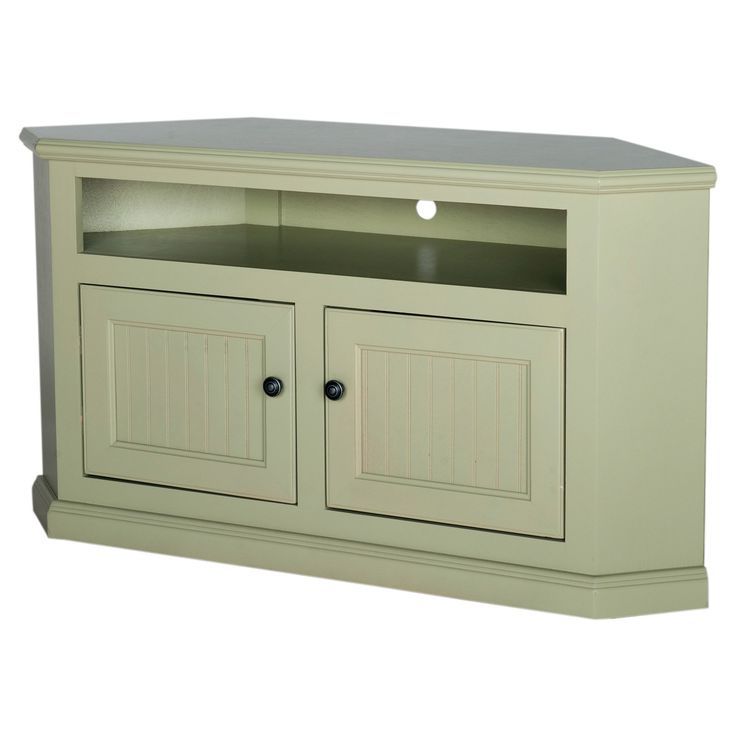
Picture this: you’re lounging in your living room, watching your favorite show, while the sound of waves gently rolls in through the window. That’s the magic of coastal TV furniture – it brings the serene beauty of the ocean directly into your home. But what makes this design style so captivating? What’s the secret behind its enduring appeal?
When you think of coastal design, images of sandy beaches, turquoise waters, and weathered wood probably come to mind. But there’s something even more powerful happening in the world of interior design – the evolution of coastal TV furniture. This isn’t just about matching your sofa to a beach towel pattern. It’s about creating spaces that evoke the feeling of being by the sea, even when you’re miles away from the nearest shore.
Coastal TV furniture represents more than aesthetic choices. It’s a philosophy that blends functionality with emotional connection, transforming your entertainment area into a peaceful retreat. Whether you live in a beachfront mansion or a modest apartment, the right coastal TV furniture can instantly transport you to a tranquil seaside setting.
The Core Elements of Coastal Design
Before diving into furniture specifics, it’s essential to understand what makes coastal design distinct. Think of it as nature’s palette – soft blues and greens, warm neutrals, and natural textures. The philosophy centers around bringing the outdoors in, creating a sense of calm and openness.
Natural materials dominate this aesthetic. You’ll find plenty of wood, rattan, and wicker throughout coastal interiors. These elements aren’t just decorative – they carry the story of the ocean and shoreline. The grain of wood reflects the movement of water, while woven textures mimic the gentle rhythm of waves.
Color plays a crucial role too. Coastal palettes typically feature soothing tones like seafoam green, sky blue, sandy beige, and soft gray. These colors aren’t chosen randomly. They’re designed to reduce stress and create a peaceful atmosphere. When you’re surrounded by these hues, your mind naturally shifts toward relaxation.
The overall vibe is one of effortless elegance. Coastal design doesn’t strive for perfection; instead, it celebrates the natural imperfections that make things feel lived-in and authentic. This philosophy extends to everything from wall art to kitchenware – including your television furniture.
Material Selection and Its Impact
The materials used in coastal TV furniture tell a story. Let’s start with wood, which serves as the foundation for most coastal designs. Light woods like cedar, pine, and bamboo work particularly well because they reflect light beautifully and have natural weathering properties.
Think about how weathered wood looks after years of sun exposure and salt air. That aged appearance isn’t a flaw – it’s a feature. Coastal furniture embraces this patina, often using reclaimed wood or applying techniques that simulate natural aging. The result is furniture that feels like it belongs in a seaside cottage rather than a sterile showroom.
Rattan and wicker add texture and visual interest. These materials bring organic curves and a sense of movement to rigid spaces. They’re also incredibly practical – resistant to moisture and easy to clean. You might notice these materials used in storage units or accent pieces that complement your main television stand.
Metal accents, especially those with weathered finishes, provide contrast and sophistication. Rustic iron or brushed steel can add industrial touches while maintaining the coastal theme. The key is balance – too much metal can feel harsh, while too little might seem incomplete.
Textiles play their part too. Natural fibers like cotton, linen, and jute create comfort and warmth. These materials breathe well, which is important in humid environments near the coast. They also soften the hard lines of furniture, creating a more inviting space.
Form and Functionality in Coastal Spaces
Coastal design isn’t just about looking good – it’s about working well too. The philosophy emphasizes practicality without sacrificing aesthetics. This means every piece of furniture should serve a purpose while contributing to the overall mood.
Consider how your TV stand functions daily. Does it accommodate all your devices neatly? Can you easily access cables and controls? Coastal furniture designers understand that form follows function, but they also know that function should look beautiful.
Storage solutions are particularly important in coastal design. You need space for books, games, and other entertainment items. The best coastal TV furniture integrates storage seamlessly into the design. Hidden compartments, built-in shelving, and clever organizational systems keep clutter at bay while maintaining the clean lines that define coastal style.
Proportions matter enormously. Coastal furniture tends to favor larger, more substantial pieces that feel grounded and stable. This is different from the sleek, minimalist approach found in urban settings. The idea is to create furniture that feels permanent and substantial, like it could withstand years of ocean spray and salty air.
The height and scale of coastal furniture also deserve attention. Tall, slender pieces can draw the eye upward, creating a sense of openness. Meanwhile, lower, wider pieces ground the space and provide comfortable seating areas. This balance between vertical and horizontal elements creates visual harmony.
Color Psychology and Emotional Connection
Colors in coastal furniture aren’t chosen just for decoration – they’re carefully selected to influence mood and behavior. Blue, for instance, is known to reduce stress and promote calmness. When you’re surrounded by blues and greens, your body naturally responds by relaxing.
The color palette of coastal furniture often includes neutral backgrounds with pops of vibrant colors. This creates visual interest without overwhelming the senses. A soft gray base with a splash of coral or turquoise can energize a space while maintaining the peaceful coastal vibe.
Warm tones like sand and driftwood brown add comfort and grounding. These colors make spaces feel cozy and welcoming, perfect for family gatherings or quiet evening shows. They’re particularly effective in larger rooms where you want to create intimate zones.
The psychology behind these choices goes deeper than simple preference. Coastal colors are associated with memories of summer days, warm evenings, and the sound of wind through palm trees. When you see these hues, your brain immediately connects them to positive experiences.
It’s worth noting that coastal design also embraces variations in color temperature. Some pieces might lean toward cool tones, while others feature warmer undertones. This subtle interplay keeps spaces dynamic and interesting over time. The key is ensuring that all colors work together in harmony, rather than competing with each other.
Practical Considerations for Coastal Environments
Living near the coast presents unique challenges for furniture selection. Salt air, humidity, and direct sunlight can damage traditional materials quickly. Coastal TV furniture must be built to withstand these conditions.
Water resistance becomes a primary concern. Many coastal pieces feature special treatments or coatings that protect against moisture damage. Some manufacturers use marine-grade materials specifically designed for seaside applications. These materials resist warping, fading, and deterioration caused by environmental factors.
UV protection is equally important. Sunlight can cause colors to fade rapidly and materials to crack. Coastal furniture often includes UV-resistant finishes or materials that naturally resist sun damage. This ensures your investment maintains its appearance for years to come.
Ventilation matters too. Coastal homes often have high humidity levels, especially during certain seasons. Furniture needs to allow for proper air circulation to prevent mold and mildew growth. This is why many coastal designs feature open-back construction or perforated elements.
Maintenance requirements also factor into the decision-making process. Coastal furniture should be easy to clean and maintain. Smooth surfaces that wipe clean easily are preferred over intricate details that trap dirt and salt. The philosophy is simple: beautiful furniture that works well in harsh conditions.
Creating a Cohesive Coastal Living Experience
Coastal TV furniture doesn’t exist in isolation. It’s part of a larger design ecosystem that includes lighting, textiles, artwork, and accessories. The key to success lies in creating visual continuity across all elements.
Start with your main focal point – your television setup. From there, build outward using similar materials, colors, and textures. If your TV stand features natural wood, consider incorporating wood elements in your coffee table, bookshelves, and side tables. This repetition reinforces the coastal theme.
Lighting plays a crucial role in coastal design. Soft, warm lighting creates the right atmosphere for relaxation. Pendant lights with natural materials like rattan or wood work exceptionally well. They provide focused illumination while adding to the overall aesthetic.
Accessories amplify the coastal feeling. Seashells, driftwood, nautical elements, and botanical prints can transform a basic space into a coastal paradise. These items don’t need to be expensive – they just need to feel authentic and appropriate to the setting.
Consider how your furniture interacts with the rest of your home. If you have large windows that overlook the ocean, your coastal TV furniture should complement rather than compete with the natural beauty outside. The goal is to create a seamless transition from indoor to outdoor living spaces.
Personal touches make all the difference. Coastal design celebrates individuality and personal stories. Your choice of movies, books, and family photos can enhance the coastal atmosphere. The furniture becomes a canvas for your life, not just a functional piece.
Coastal TV furniture represents more than just a design trend – it’s a way of bringing peace and serenity into our busy lives. The philosophy behind it is rooted in understanding how environment affects our wellbeing, how materials tell stories, and how design can create emotional connections with our surroundings.
Whether you’re building a new home or renovating an existing space, coastal TV furniture offers a pathway to creating a more calming, functional living environment. The key is recognizing that good coastal design isn’t about following rules – it’s about capturing the essence of what makes coastal living special.
Remember, the best coastal furniture works with your lifestyle, not against it. It should feel comfortable, practical, and beautiful. When you choose pieces that reflect your personality while honoring the coastal aesthetic, you’re creating a space that truly feels like home – even if you never leave the house. The ocean may be far away, but with the right furniture choices, you can bring its tranquility directly into your living room.