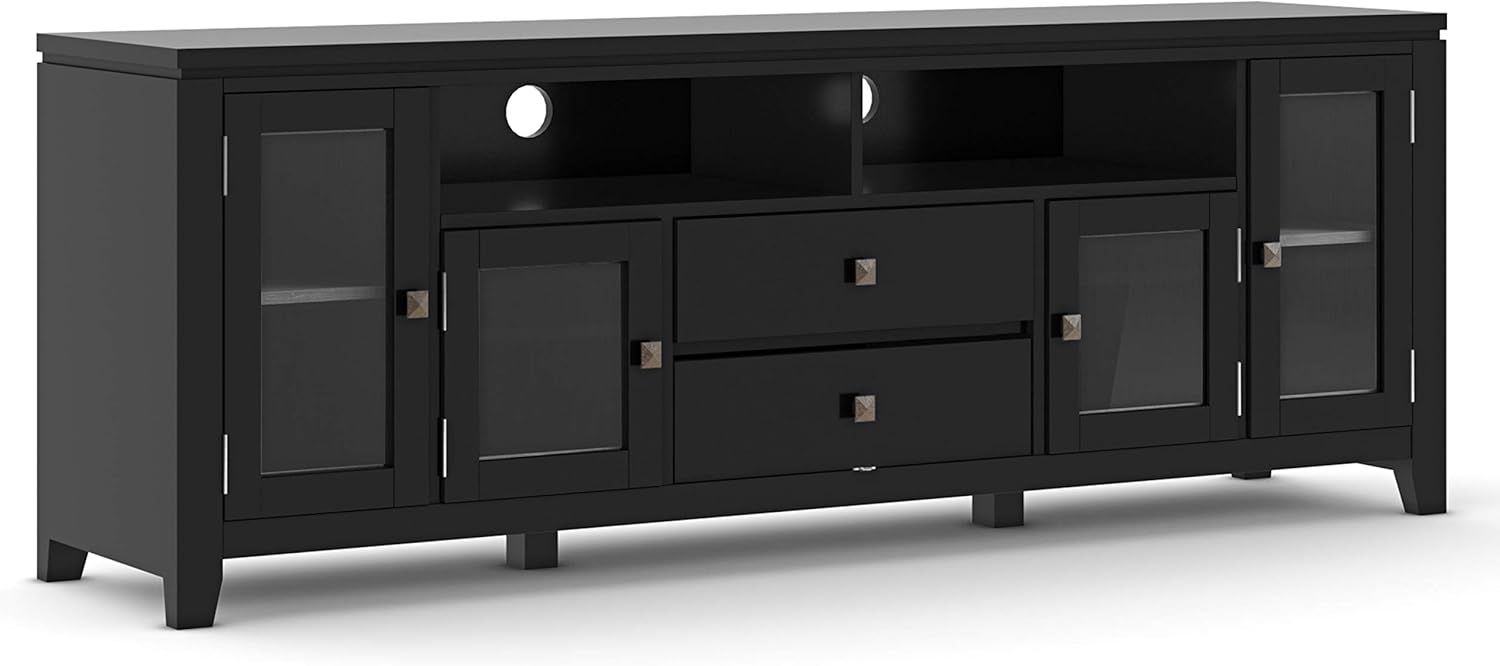
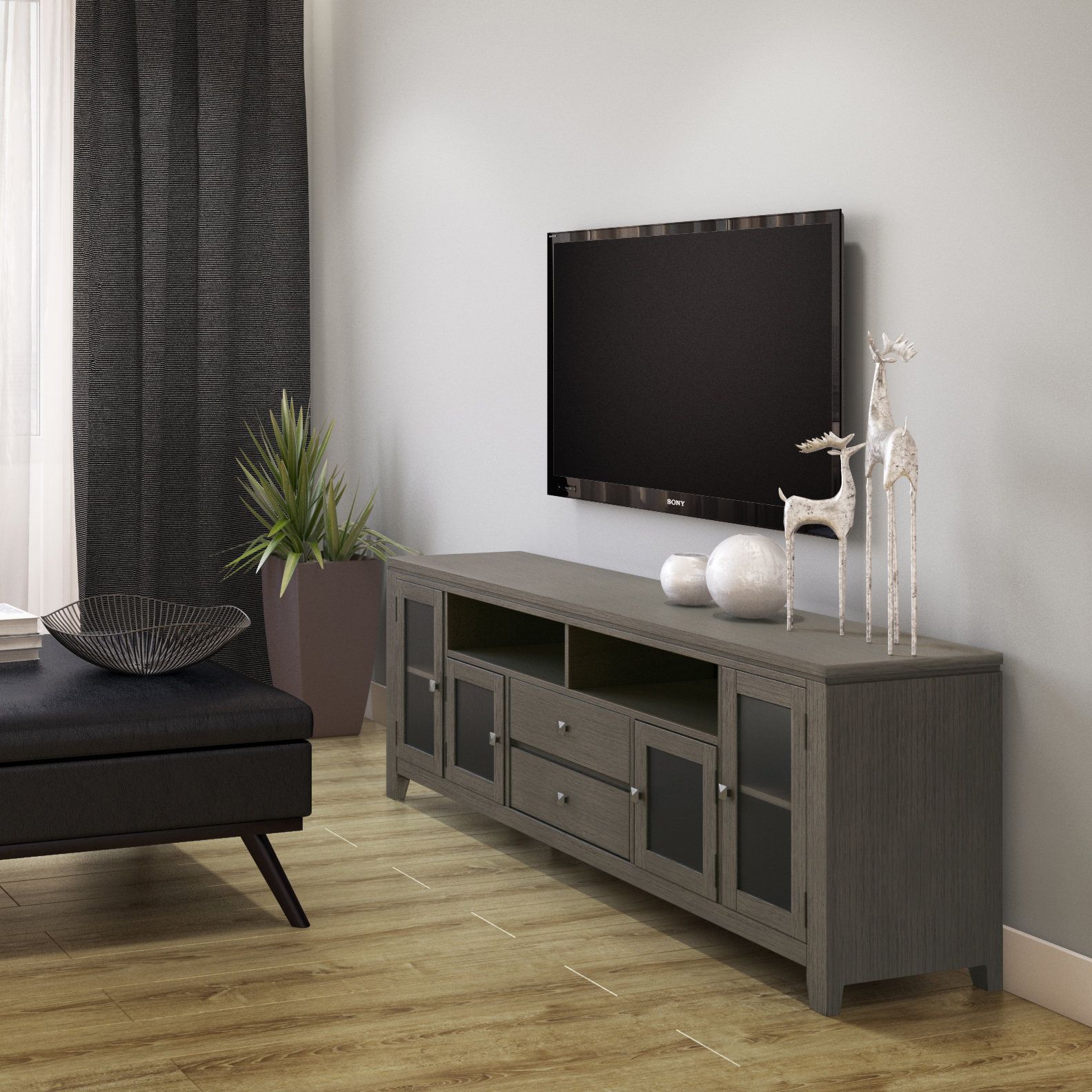
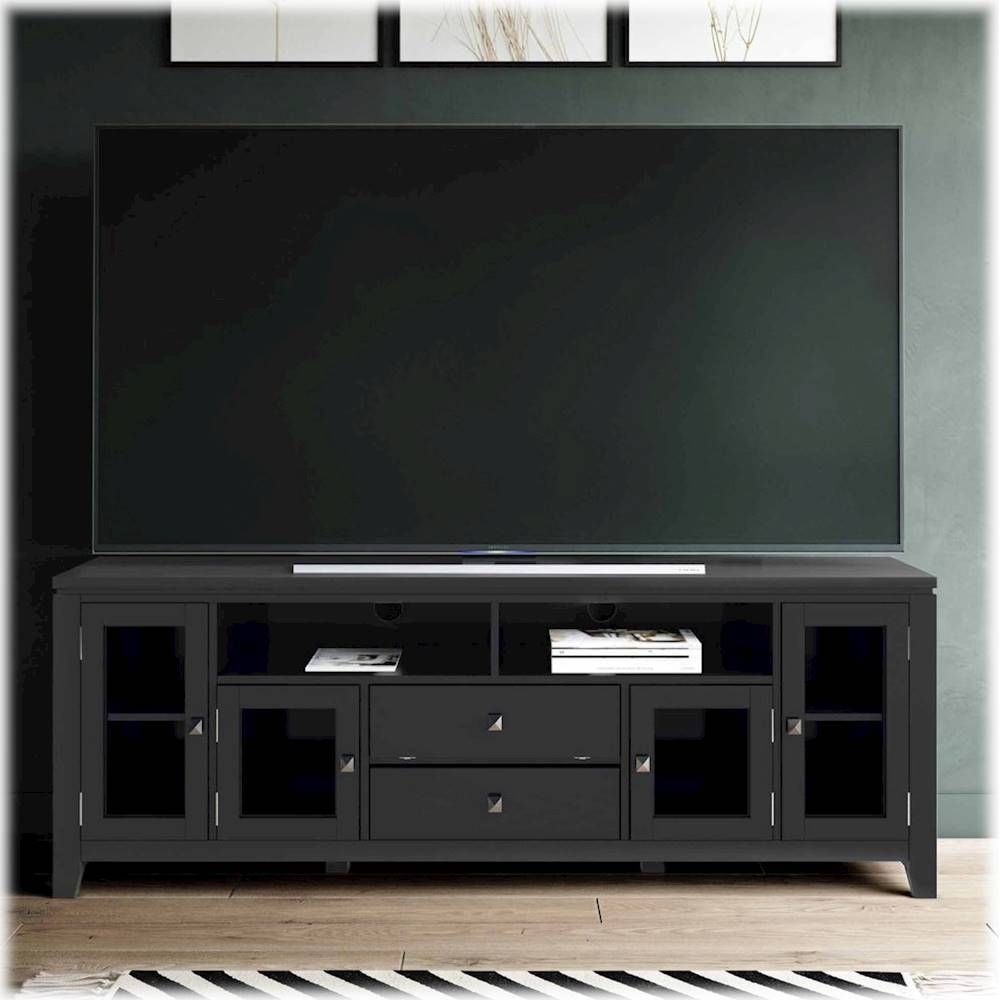
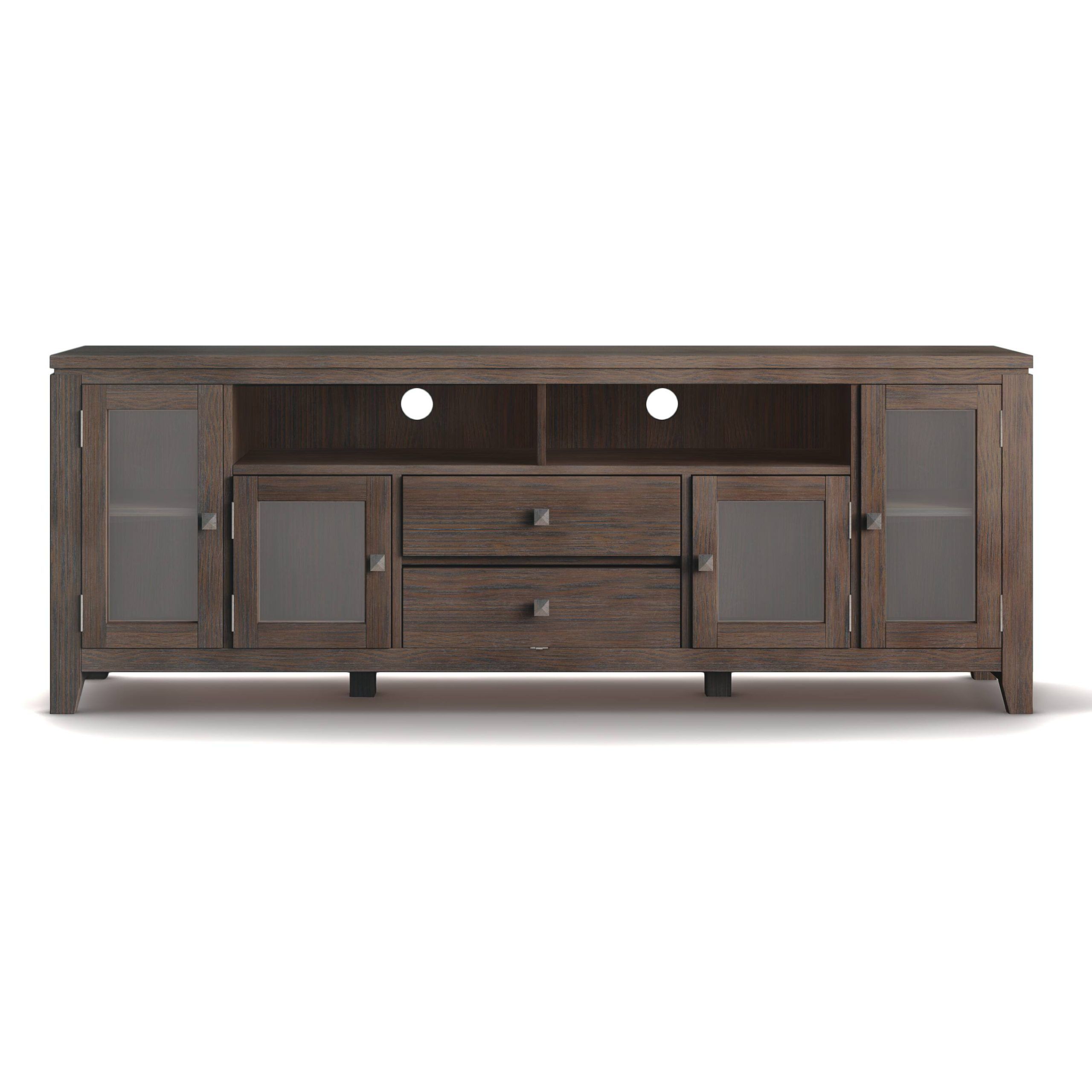
Think about your favorite room. What makes it feel just right? Maybe it’s the way light filters through windows, or how colors dance together. But there’s something else that often goes unnoticed – the role of wooden media furniture in creating that perfect balance. These aren’t just pieces of furniture; they’re the unsung heroes that shape our spaces and influence our moods.
In today’s world of sleek electronics and minimalist design, we often overlook one of the most important elements in room composition: wooden media furniture. These pieces don’t just hold our devices – they anchor our living spaces with warmth, stability, and visual harmony. Whether it’s a console table in the entryway or a media stand in the living room, wood brings something fundamental to interior design that other materials simply cannot match. The grain patterns tell stories, the textures invite touch, and the presence of wood creates a sense of groundedness that many find deeply comforting.
The Foundation of Visual Stability
Wooden media furniture serves as the backbone of balanced room composition. Unlike metal or glass pieces that can feel cold or fragile, wood offers a sense of permanence and reliability. This foundational quality helps ground other elements in the space, preventing rooms from feeling too light or airy. Consider how a wooden entertainment center can anchor a living room – it provides weight that makes the entire arrangement feel secure and intentional. The natural variations in wood grain create visual interest without overwhelming the eye. Each piece becomes a conversation starter, drawing attention to its craftsmanship while maintaining overall harmony. When you look at well-designed spaces, you’ll notice that wooden furniture often sits at the heart of composition, providing a stable base for everything else to build upon.
Natural Warmth in Modern Design
One of the most compelling aspects of wooden media furniture is its ability to infuse warmth into contemporary environments. While modern aesthetics often favor clean lines and neutral tones, wood adds a human element that makes spaces feel lived-in and welcoming. This warmth isn’t just aesthetic – it affects how we actually feel in the room. Research suggests that natural materials like wood can reduce stress levels and create a more relaxed atmosphere. Think about how a wooden media console feels different from a plastic or metal alternative. The texture invites touch, the color palette feels organic, and the overall presence feels more connected to nature. In spaces dominated by screens and digital interfaces, wooden furniture creates a beautiful contrast that balances our technological lives with natural comfort.
Versatility Across Different Room Types
Wooden media furniture adapts beautifully to various room functions and design styles. In bedrooms, a wooden nightstand with built-in charging stations can create a peaceful sanctuary. In kitchens, a wooden island or bar cart brings functionality and visual appeal to food preparation areas. Entryways benefit from wooden console tables that provide storage while creating a welcoming first impression. The versatility extends beyond just placement – wood works equally well in traditional, modern, rustic, and eclectic designs. A simple wooden media cabinet can transform from a functional piece in a contemporary living room to a statement piece in a farmhouse-style kitchen. The key lies in understanding how different wood species and finishes can complement existing design elements. For instance, oak brings strength and durability, while cherry offers rich, warm tones that deepen with age.
Functional Integration with Modern Technology
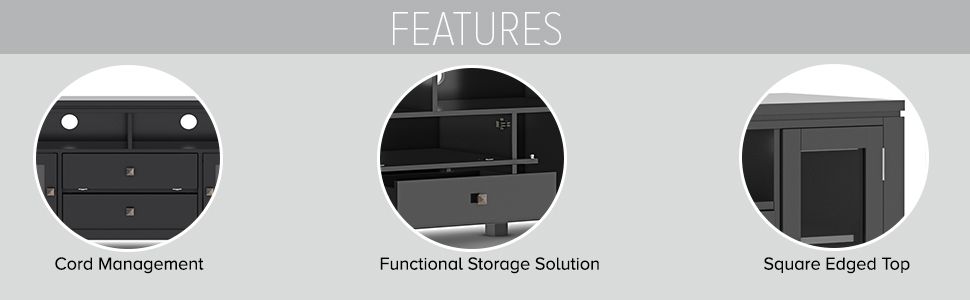
Today’s wooden media furniture isn’t just about looks – it’s designed to seamlessly integrate with our technology needs. Modern designers understand that people want their entertainment centers to be both beautiful and functional. This means thoughtful cable management, appropriate shelving heights, and strategic placement of outlets and ports. Many wooden media units now feature hidden compartments for electronics, built-in speakers, and adjustable lighting that enhances the viewing experience. The beauty of wood is that it can hide these technological elements elegantly while still allowing them to function effectively. When you combine a wooden media cabinet with smart home features, you get a piece that serves multiple purposes – it’s a display case, a storage solution, and a technology hub all rolled into one. This integration creates a sense of unity in the room rather than having separate, disconnected elements.
Quality That Lasts Through Time
One of the most significant advantages of wooden media furniture is its longevity. Unlike cheaper alternatives that may warp, fade, or break after a few years, quality wood furniture can last decades with proper care. This durability translates into better value over time and reduces the environmental impact of frequent replacements. Many wooden pieces develop character over time, with natural aging processes adding depth and richness to their appearance. A well-made wooden media cabinet might start with a bright finish and gradually develop a patina that tells the story of daily life. This evolution makes the piece feel personal and meaningful rather than generic. The investment in quality wood furniture often pays off not just financially, but emotionally as well, since these pieces become part of family memories and traditions.
Environmental Benefits and Sustainable Choices
Choosing wooden media furniture often means choosing sustainability. Many manufacturers now source wood responsibly, using reclaimed materials or working with certified sustainable forestry programs. This conscious choice impacts not just individual households but broader environmental health. When selecting wood furniture, consider factors like the type of wood used, whether it’s locally sourced, and if it comes from sustainable sources. Some woods like bamboo grow rapidly and are highly renewable, while others such as oak and maple offer exceptional durability. The environmental benefits extend beyond just the material itself – wood furniture often requires less energy to produce than synthetic alternatives, and it can be easily recycled or repurposed at the end of its life cycle. Making informed choices about wood furniture creates a positive impact on both personal spaces and the planet.
Wooden media furniture represents much more than simple storage or display solutions. It’s a bridge between our digital lives and our need for physical, natural connection. These pieces help create balance in our homes by offering stability, warmth, and timeless beauty. As we continue to navigate the complexities of modern living, the simple presence of wood in our spaces reminds us of what matters most – creating environments that feel good, last long, and connect us to something larger than ourselves. The next time you walk into a room, pay attention to how wooden furniture influences your experience. You might be surprised by how much these pieces contribute to making a space truly feel like home. The art of creating balance through wooden media furniture isn’t just about design – it’s about creating experiences that matter.