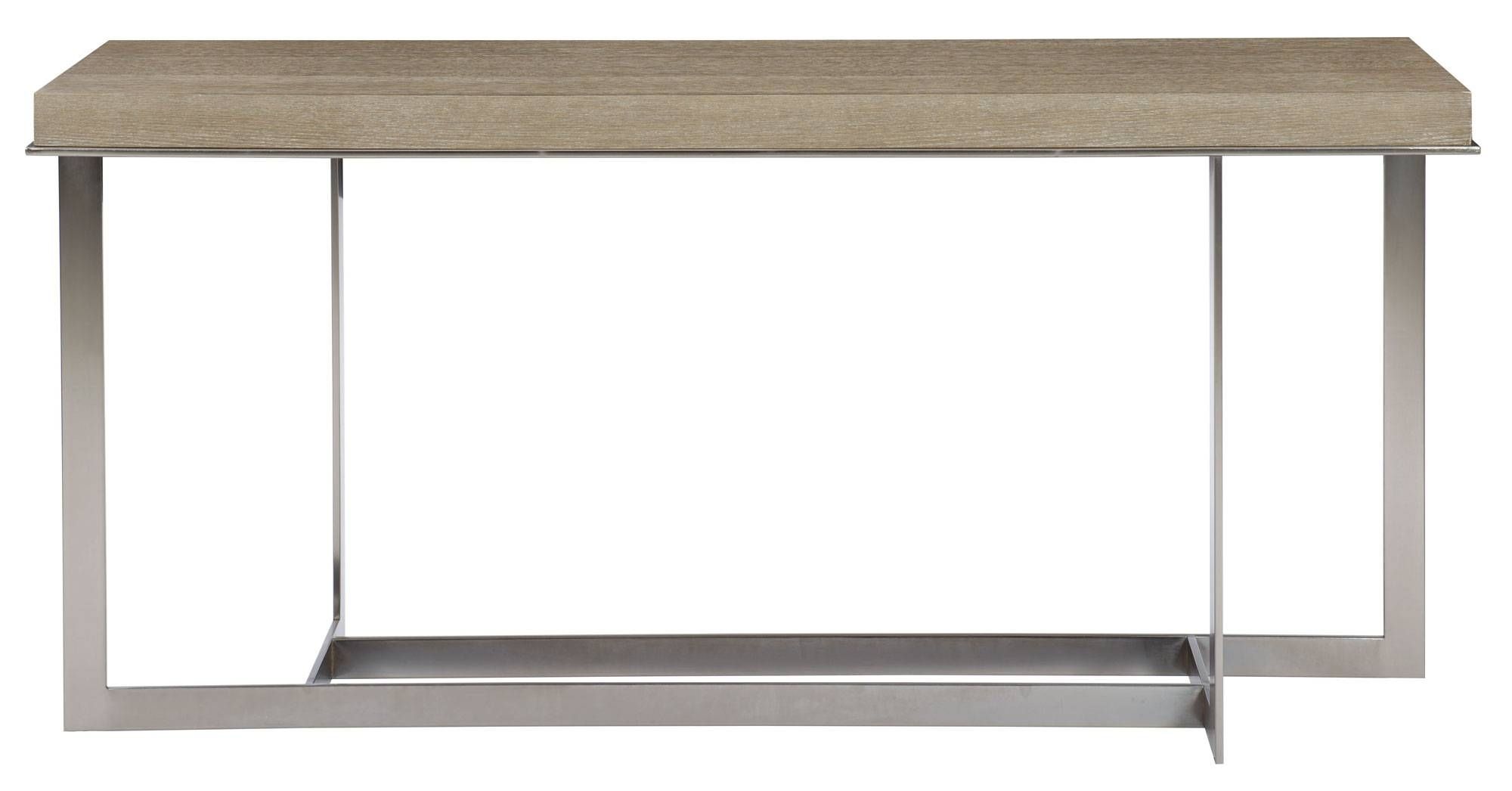
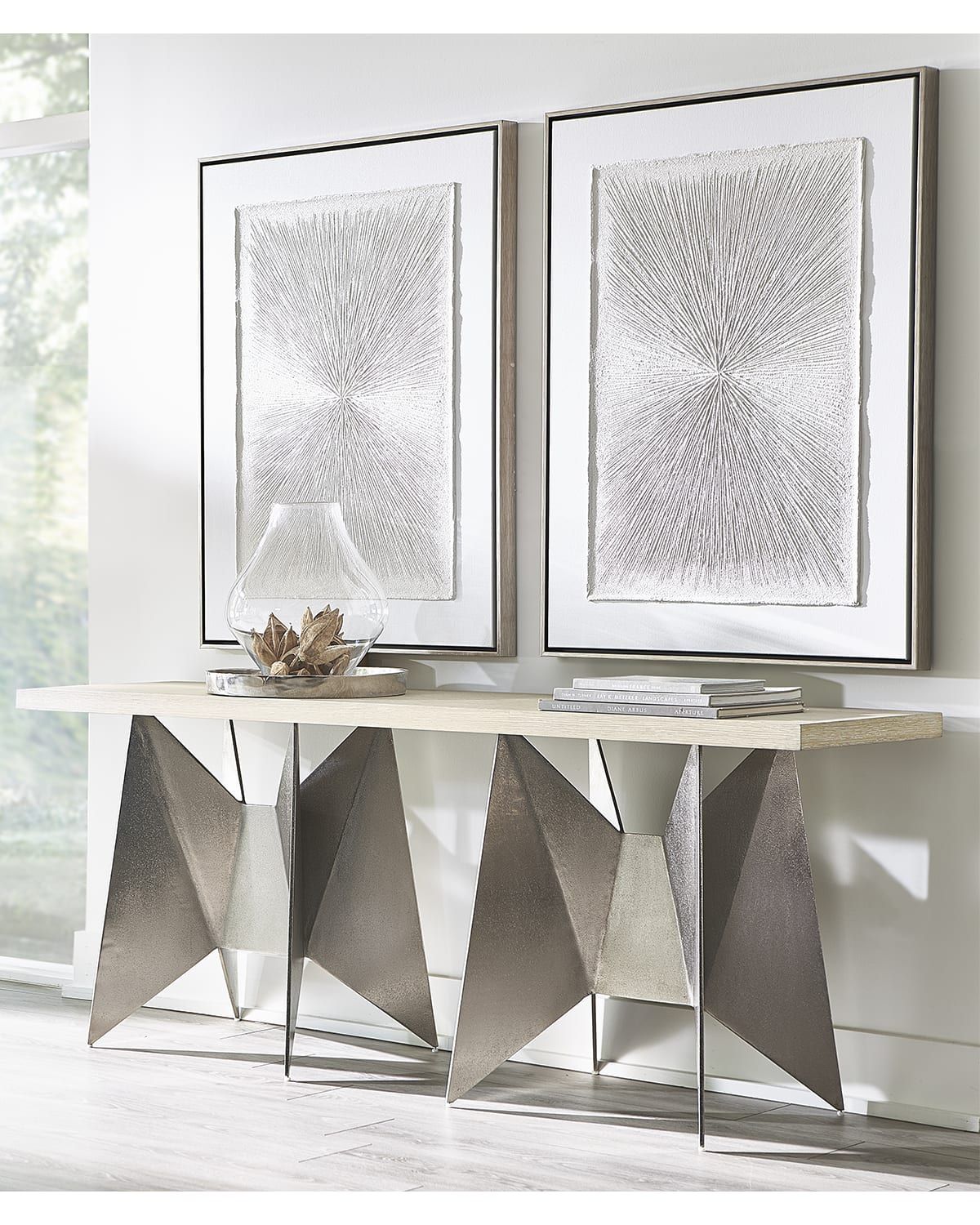
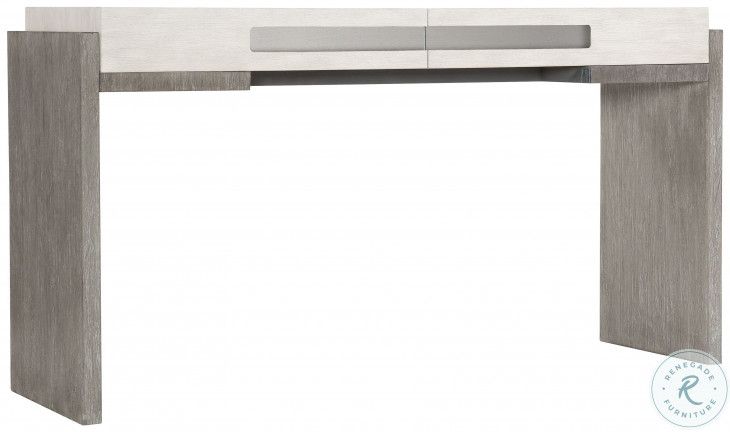
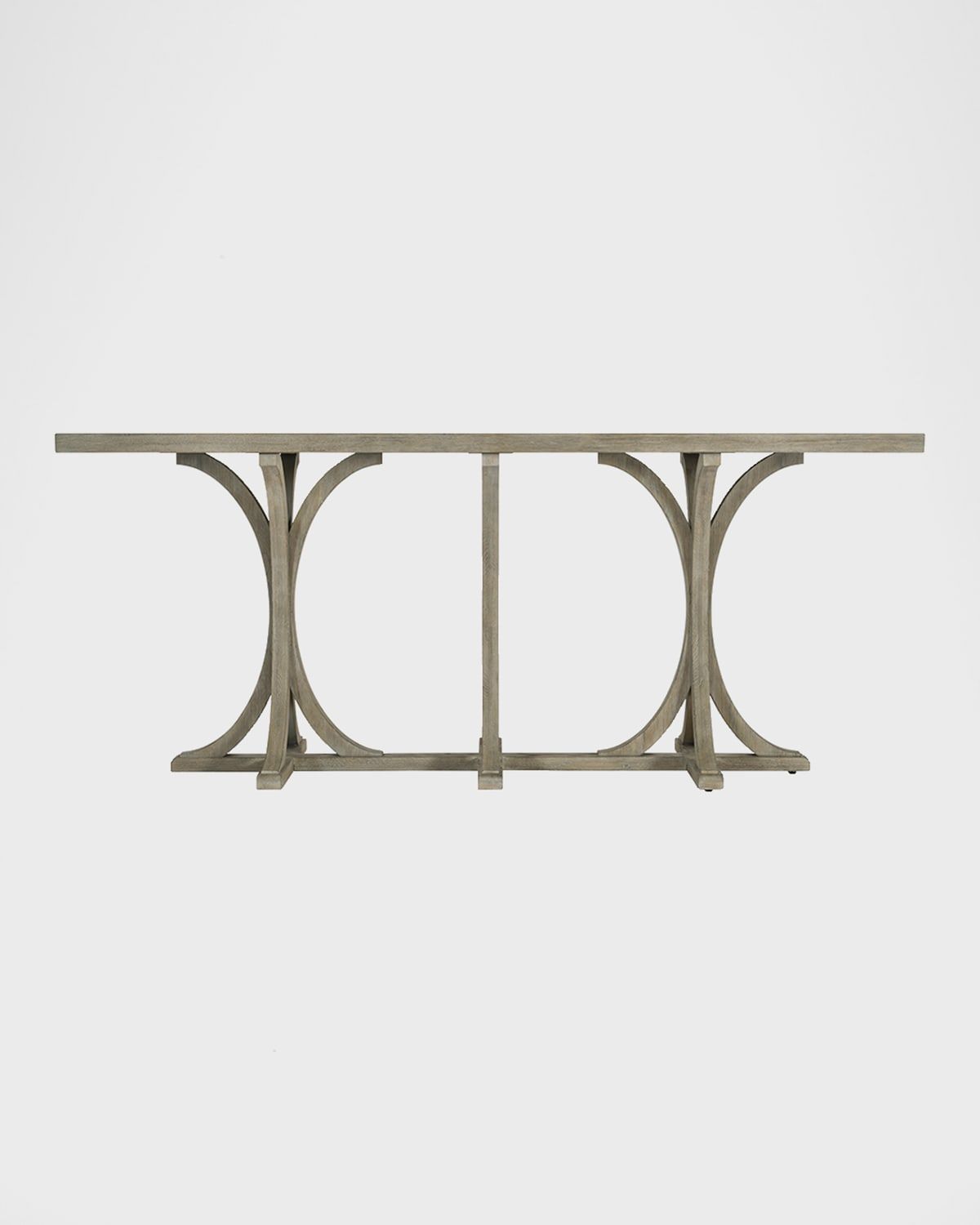
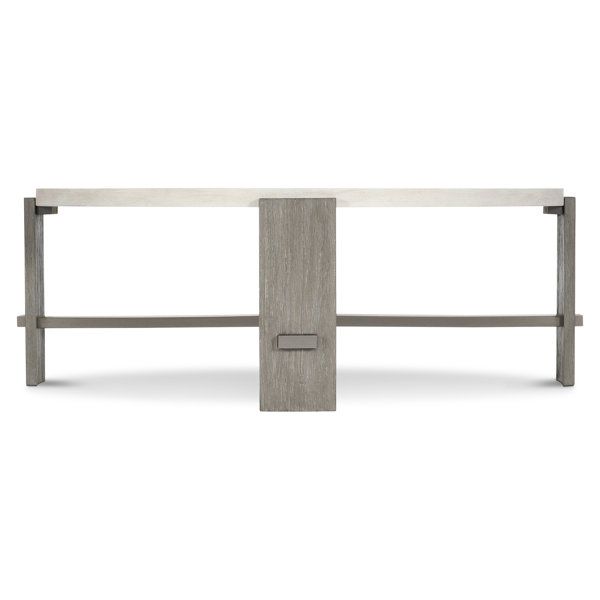
Picture this: a room that feels both timeless and fresh, where every piece tells a story. For decades, Bernhardt Foundations console tables have been doing just that. These aren’t just furniture pieces – they’re vessels of design evolution, carrying the spirit of each era they’ve touched. From the 1970s’ bold geometric lines to today’s minimalist elegance, these tables have witnessed and shaped how we live, work, and entertain.
When you think about iconic furniture pieces that define interior spaces, Bernhardt Foundations console tables often come to mind. What makes them special isn’t just their functionality, but their remarkable journey through time. These tables have evolved from simple wooden pieces into sophisticated design statements that reflect changing tastes, materials, and lifestyles. The story of Bernhardt’s console tables is really the story of how American design has grown and adapted over the past several decades. It’s a tale of craftsmanship meeting creativity, tradition meeting innovation, and how furniture can become a mirror of society itself.
The Foundation Years: 1970s – 1980s
The early days of Bernhardt Foundations console tables were marked by boldness and optimism. During the 1970s, furniture was all about making a statement. These tables featured clean lines with dramatic geometric shapes that caught the eye. Think of angular designs with distinctive silhouettes that didn’t just sit in a room – they commanded attention. The materials of choice were often rich woods like oak and cherry, sometimes accented with metal details. This was when Bernhardt began establishing its reputation for combining form and function in ways that surprised people. The tables weren’t just decorative elements – they were conversation starters. The 1980s brought even more experimentation with materials and finishes, including laminates and new synthetic options. This era saw the beginning of the company’s focus on creating pieces that could adapt to different interior styles while maintaining their core identity. Many of these early tables still exist today, and collectors often seek out pieces from this period because they represent the foundation of what would become a design legacy.
The Transitional Era: 1990s – Early 2000s
The 1990s brought a shift toward more refined aesthetics. This period saw Bernhardt’s console tables becoming more sophisticated in their approach to design. The focus moved from bold statements to subtle sophistication. Woods became more varied, with exotic species like teak and walnut gaining popularity. The tables developed cleaner profiles, with less ornamental detail and more emphasis on quality craftsmanship. This was also when the company started paying more attention to proportions and balance. The early 2000s introduced some interesting innovations in manufacturing processes, allowing for more precise construction and better finishing. Designers began incorporating more natural textures into their work, bringing organic elements into what had previously been very structured pieces. The tables from this era often featured layered materials and carefully considered color palettes. These pieces represented a bridge between the boldness of the previous decades and the sleek minimalism that would follow. The evolution during this time was subtle but significant – it was about refinement rather than revolution.
Modern Minimalism: Mid-2000s – 2010s
As we entered the mid-2000s, the design world was embracing minimalism more fully. Bernhardt’s console tables responded perfectly to this trend. The focus shifted toward clean lines, neutral colors, and understated elegance. Materials became more refined – solid wood remained popular, but with smoother finishes and more careful attention to grain patterns. The tables grew thinner and lighter, emphasizing space and openness in modern homes. This period also saw increased attention to sustainable materials and ethical production practices. Many of these tables featured reclaimed wood or responsibly sourced timber. The aesthetic choices became more thoughtful, with designers considering how each piece would fit into various interior environments. The consoles from this era often had a sense of quiet luxury – they looked expensive without being ostentatious. The company began experimenting with new hardware and finishing techniques that enhanced rather than overwhelmed the natural beauty of the materials. These tables were designed to be versatile, working well in traditional, contemporary, and eclectic spaces alike.
Contemporary Innovation: 2010s – Present
Today’s Bernhardt console tables represent the culmination of decades of design evolution. The company has embraced technology and modern manufacturing while maintaining its commitment to quality craftsmanship. Contemporary designs feature innovative materials like engineered woods and composite materials that offer durability without sacrificing aesthetics. The tables now incorporate smart features such as integrated lighting or wireless charging capabilities. However, the fundamental appeal remains unchanged – beautiful, functional furniture that enhances living spaces. Modern designs often blend traditional woodworking techniques with contemporary industrial processes. There’s a strong emphasis on customization, allowing customers to choose from various finishes, sizes, and configurations. Sustainability continues to play a major role in material selection and production methods. The current generation of console tables showcases a balance between timeless design principles and cutting-edge innovation. They’re built to last, which reflects growing consumer awareness about environmental impact and long-term value. These tables have become symbols of conscious consumption and quality design.
Cultural Impact and Social Shifts
The evolution of Bernhardt’s console tables mirrors broader social and cultural changes. In the 1970s, when home décor was about making bold personal statements, these tables reflected that confidence. As society moved toward more subdued aesthetics in later decades, the tables evolved accordingly. The shift toward open-concept living spaces influenced table designs, leading to more streamlined and flexible pieces. The rise of the internet and social media has also impacted how these tables are perceived and used. Today’s consumers want furniture that works both visually and practically in shared digital spaces. The tables have become part of larger conversations about home design, sustainability, and personal style. They’ve helped define what modern living looks like in terms of furniture choices. The way people entertain and gather in their homes has changed dramatically, and these tables have adapted to support new social behaviors and lifestyle preferences.
Future Trends and Legacy
Looking ahead, Bernhardt’s console tables continue to evolve with emerging trends and technologies. Sustainability will likely remain a central theme, with increasing focus on circular economy principles and renewable materials. Smart home integration will probably become more seamless and unobtrusive. The company may explore new manufacturing techniques that reduce waste while improving quality. The legacy of these tables lies not just in their physical presence in homes, but in their role as design catalysts. They’ve influenced how people think about space, function, and beauty in their living environments. The future will likely see continued innovation while honoring the craftsmanship traditions that made these pieces special in the first place. These tables represent more than furniture – they embody the ongoing conversation between past and future in American design.
The journey of Bernhardt Foundations console tables through the decades reveals much more than just changes in design aesthetics. It shows us how furniture can be both deeply personal and broadly influential. From their bold beginnings to today’s sophisticated minimalism, these tables have consistently adapted to meet the needs and desires of each generation. What remains constant is the fundamental commitment to quality, craftsmanship, and thoughtful design. Whether you’re drawn to the dramatic lines of the 1970s or the clean simplicity of modern pieces, these tables offer something for everyone. They remind us that great design isn’t about following trends – it’s about creating pieces that enhance our daily lives and bring joy to our spaces. The story of Bernhardt’s console tables is far from over, but their legacy already stands as a testament to the enduring power of well-designed furniture.