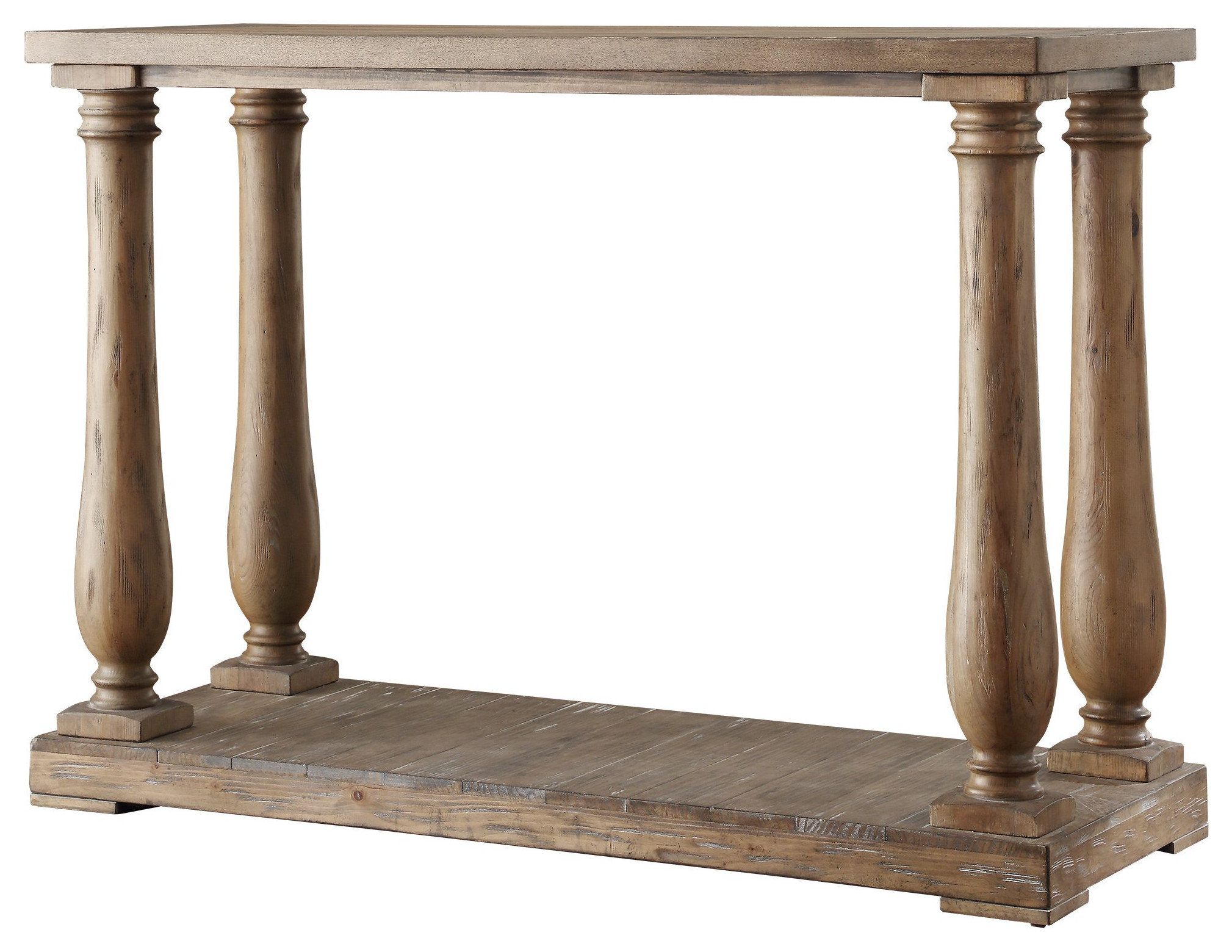
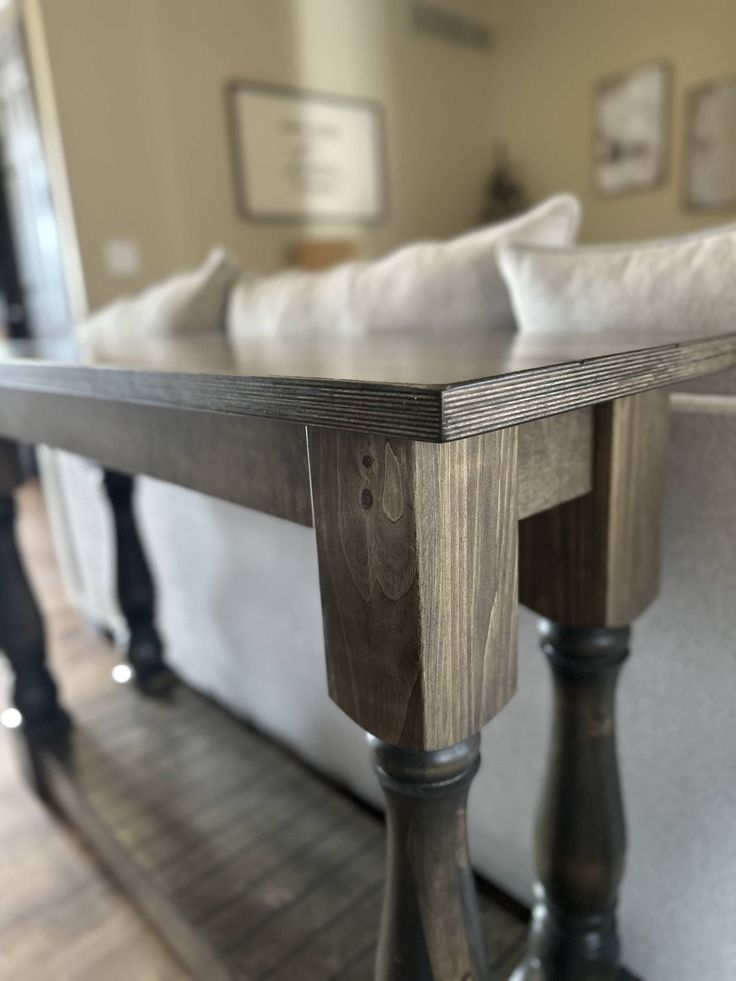
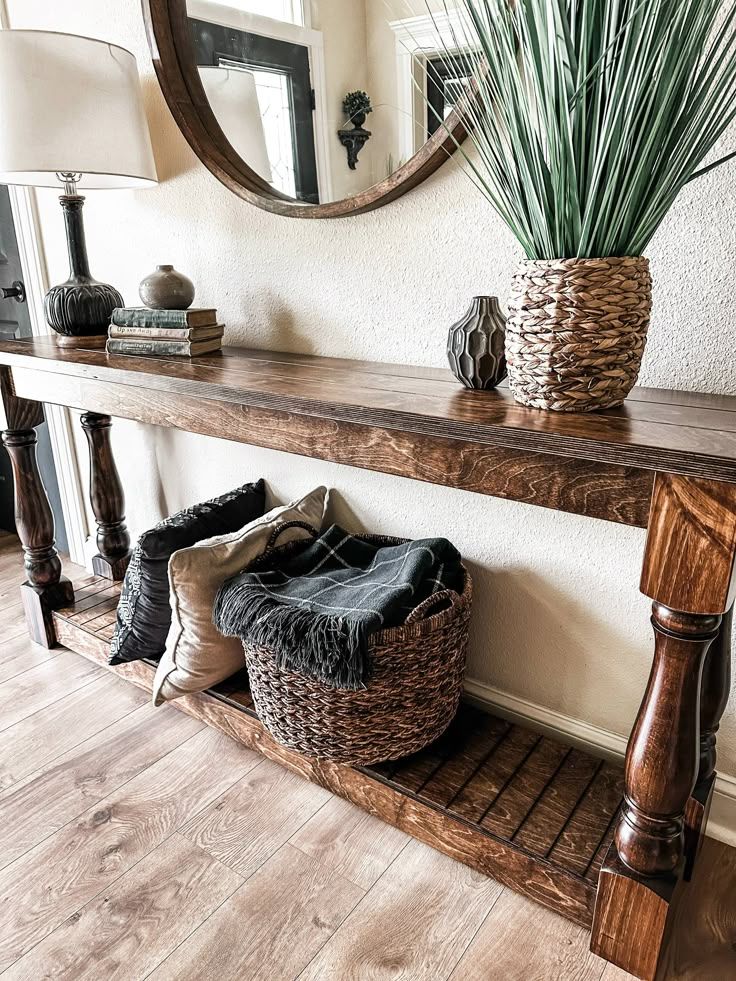
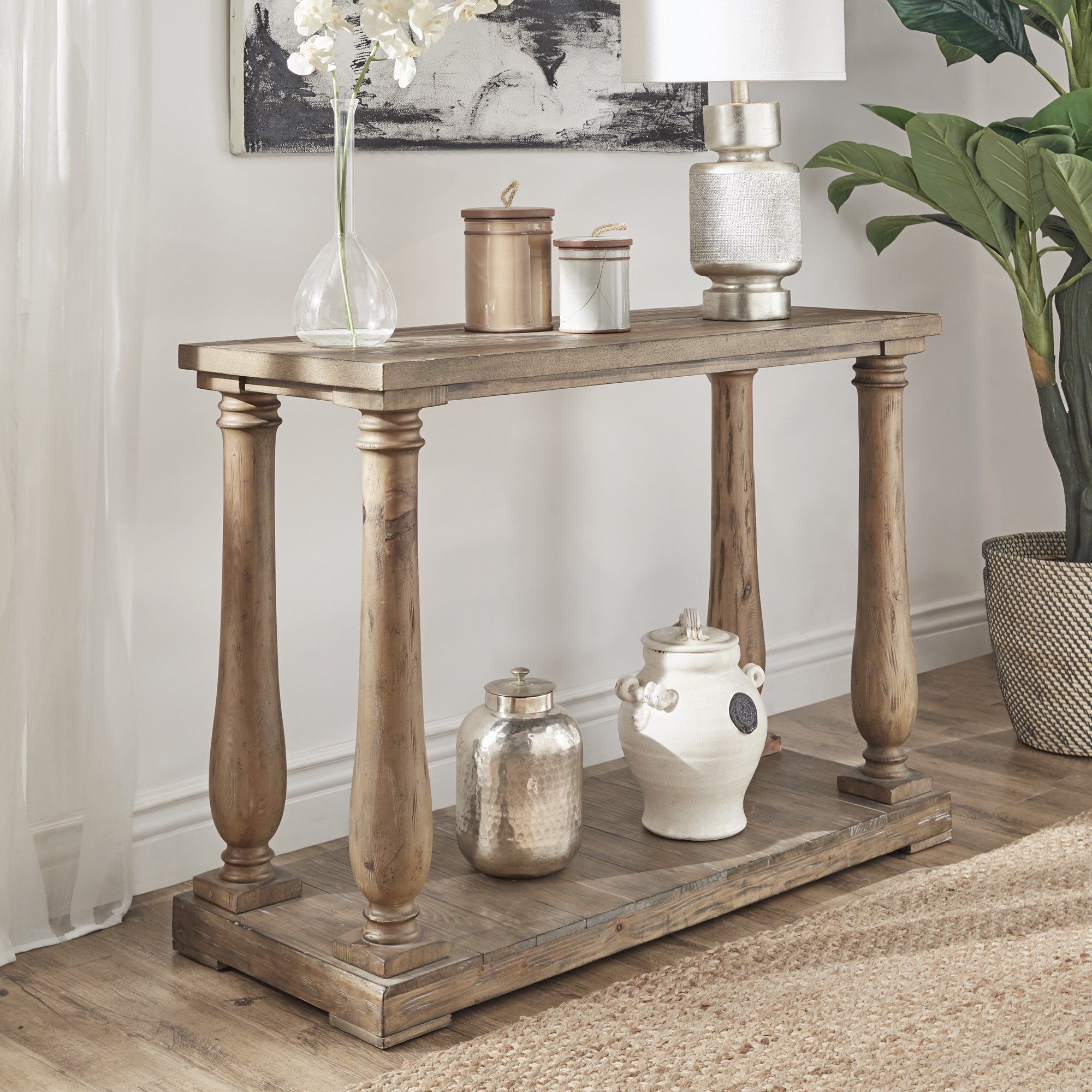
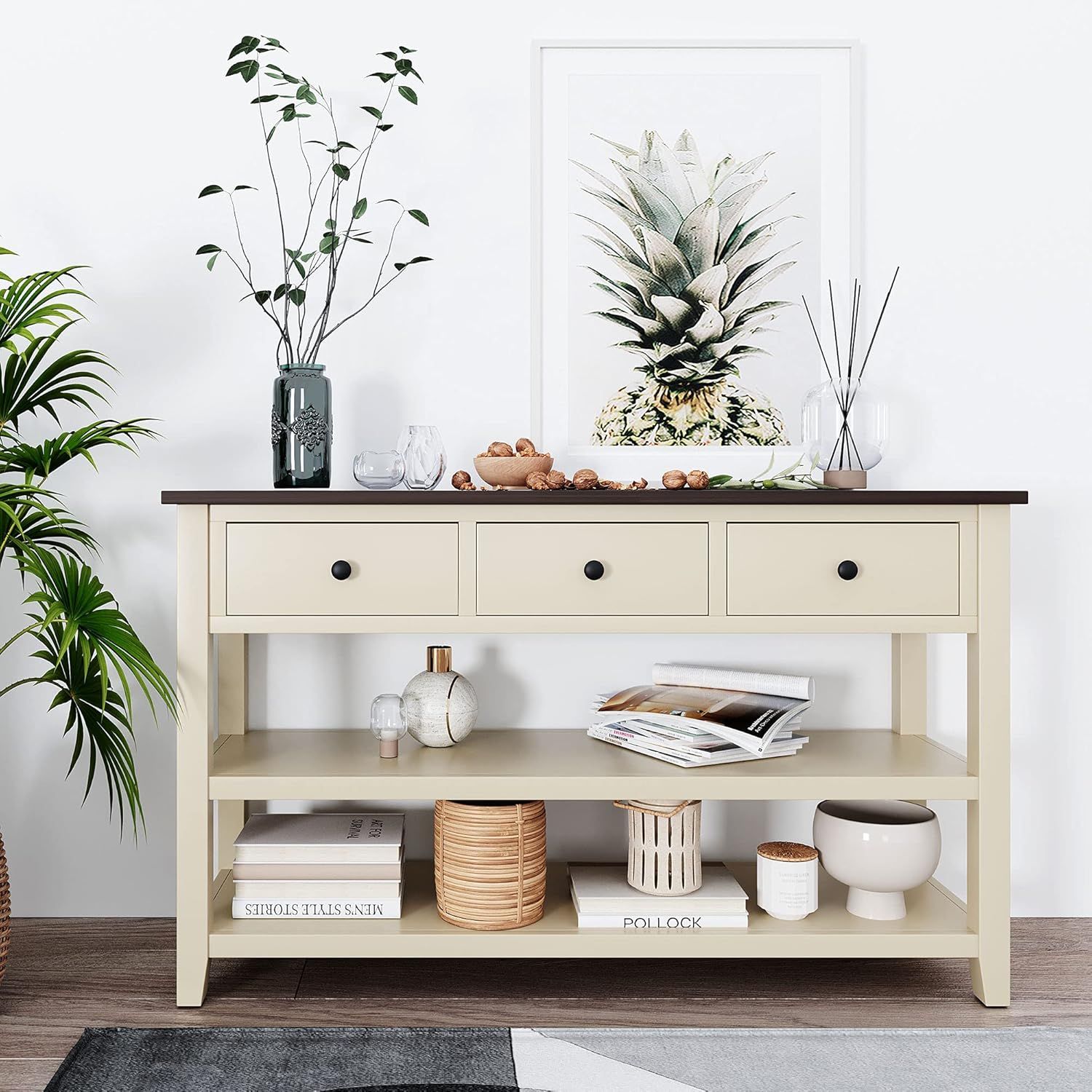
When you think about furniture storage, you might immediately picture tall cabinets or deep drawers. But there’s a clever design element that often gets overlooked – the lower open shelf. These seemingly simple features can be game-changers for maximizing space while keeping your home looking clean and organized.
In the world of interior design and furniture planning, every inch of space matters. Whether you’re working with a cramped apartment or a spacious home office, finding creative ways to store things efficiently is crucial. One often-underestimated solution sits right at eye level – those lower open shelves that seem so ordinary but hold tremendous potential for smart storage. Think about it: when was the last time you reached for something on a high shelf? Probably never. But the items on lower shelves? Those are used daily. This realization opens up a whole new approach to furniture design that prioritizes both function and form.
Understanding the Psychology of Storage Access
Why do we reach for things at eye level? It’s a fundamental aspect of human behavior. Our brains are wired to prioritize accessibility when it comes to daily items. When you place frequently used objects on lower shelves, you’re aligning with natural human tendencies rather than fighting against them. This means less reaching, less strain, and more efficiency. Consider a kitchen setup where you keep your favorite spices, coffee mugs, or bread on a lower shelf. The difference in daily convenience is remarkable. The key insight here isn’t just about placement, but about understanding how people interact with their spaces on a subconscious level. Lower shelves become the most intuitive storage solution because they work with our natural movement patterns.
Design Principles for Optimal Lower Shelf Placement
Effective lower shelf design requires more than just setting something at eye level. You need to consider several factors that impact usability and aesthetics. First, the height itself matters significantly. Most designers recommend placing lower shelves between 24 and 36 inches from the floor. This range accommodates most adults’ comfort levels while still allowing for easy access. Second, think about the depth of these shelves. They shouldn’t be so shallow that items fall off, but not so deep that they become hard to see. A depth of 12 to 18 inches works well for most applications. Third, consider the weight capacity. Lower shelves often bear more load since they’re used more frequently. The structural integrity becomes paramount when designing these spaces. Finally, the material and finish choices should complement the overall aesthetic while being practical for daily use.
Practical Applications in Different Living Spaces
The versatility of lower open shelves becomes apparent when you apply them across various rooms and scenarios. In living rooms, these shelves can display books, decorative objects, and media equipment while remaining easily accessible. They serve as focal points that invite interaction rather than simply storing items. In bedrooms, lower shelves can hold nightstands, reading materials, or even clothing accessories. The beauty lies in how they can blend functionality with visual appeal. For home offices, these shelves provide excellent storage for frequently used supplies, reference books, and personal items. The key is to think beyond traditional storage solutions and embrace the flexibility these lower shelves offer. Even bathrooms can benefit from lower open shelves for towels, toiletries, or decorative elements.
Material Selection and Durability Factors
Choosing the right materials for lower open shelves makes all the difference in longevity and appearance. Wood remains a popular choice due to its warmth and durability. Solid wood offers exceptional strength, while engineered woods like plywood provide consistent quality at reasonable prices. Metal shelves are excellent for modern designs and heavy-duty applications. They resist moisture better than wood and can support significant weight loads. Glass shelves add elegance but require careful consideration of weight limits and cleaning requirements. The material choice should reflect both the intended use and the overall design language of the space. For instance, a rustic wooden shelf works perfectly in a farmhouse-style kitchen, while sleek metal shelves suit contemporary living areas. Maintenance requirements also play a role in material selection, especially in high-use environments.
Visual Impact and Aesthetic Integration
Lower open shelves aren’t just functional elements – they’re powerful design tools that can transform a room’s character. When properly integrated, these shelves become part of the visual conversation happening in the space. They can frame artwork, create layers of visual interest, or establish a sense of balance. Consider how the shelf’s profile affects the surrounding area. A wide, flat shelf creates a strong horizontal line that can anchor a room, while narrower shelves suggest movement and energy. The contrast between open and closed storage creates visual breathing room. When you have items displayed on open shelves, they should complement each other visually. This means considering color, texture, and scale when selecting what goes on these surfaces. The goal isn’t just to store things but to enhance the overall aesthetic experience.
Troubleshooting Common Design Challenges
Even the best-designed lower open shelves can encounter issues. One common problem is overcrowding. People tend to fill every available space, leading to cluttered appearances and reduced functionality. The solution involves establishing clear guidelines for what belongs on these shelves. Another challenge relates to stability – especially with taller displays. Items can tip over if not properly secured or if the shelf structure isn’t robust enough. Regular maintenance becomes important for keeping everything looking good and functioning properly. Dust accumulation is inevitable, so choosing materials that are easy to clean helps maintain the shelf’s appearance over time. Finally, consider how lighting affects the visibility of items on these shelves. Proper illumination can make a huge difference in how these spaces function and look.
Lower open shelf features represent more than just storage solutions – they’re intelligent design decisions that bridge the gap between practicality and beauty. By understanding human behavior, considering material properties, and thinking creatively about spatial relationships, these shelves can transform any room. The key is recognizing that good design doesn’t mean sacrificing function for form. Instead, it means creating solutions that serve both purposes seamlessly. Whether you’re redesigning your entire home or simply updating one piece of furniture, remember that sometimes the most impactful changes come from the smallest details. The next time you walk past a lower shelf, take a moment to appreciate its potential. It might just be the missing piece that makes all the difference in your daily life.