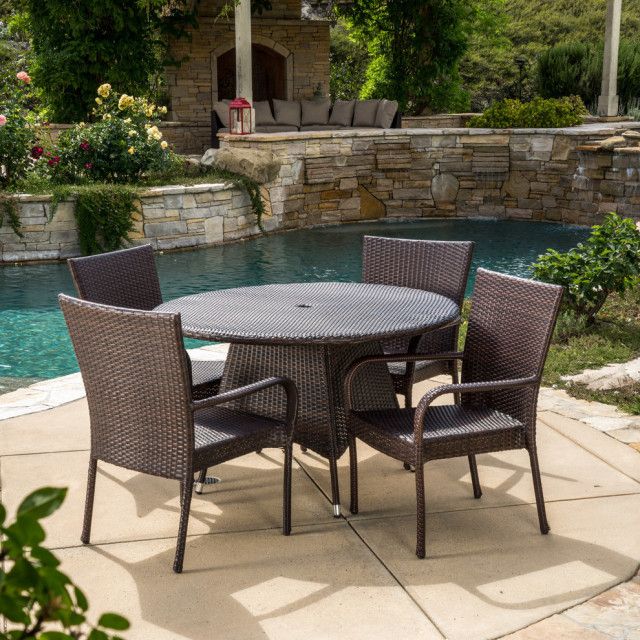
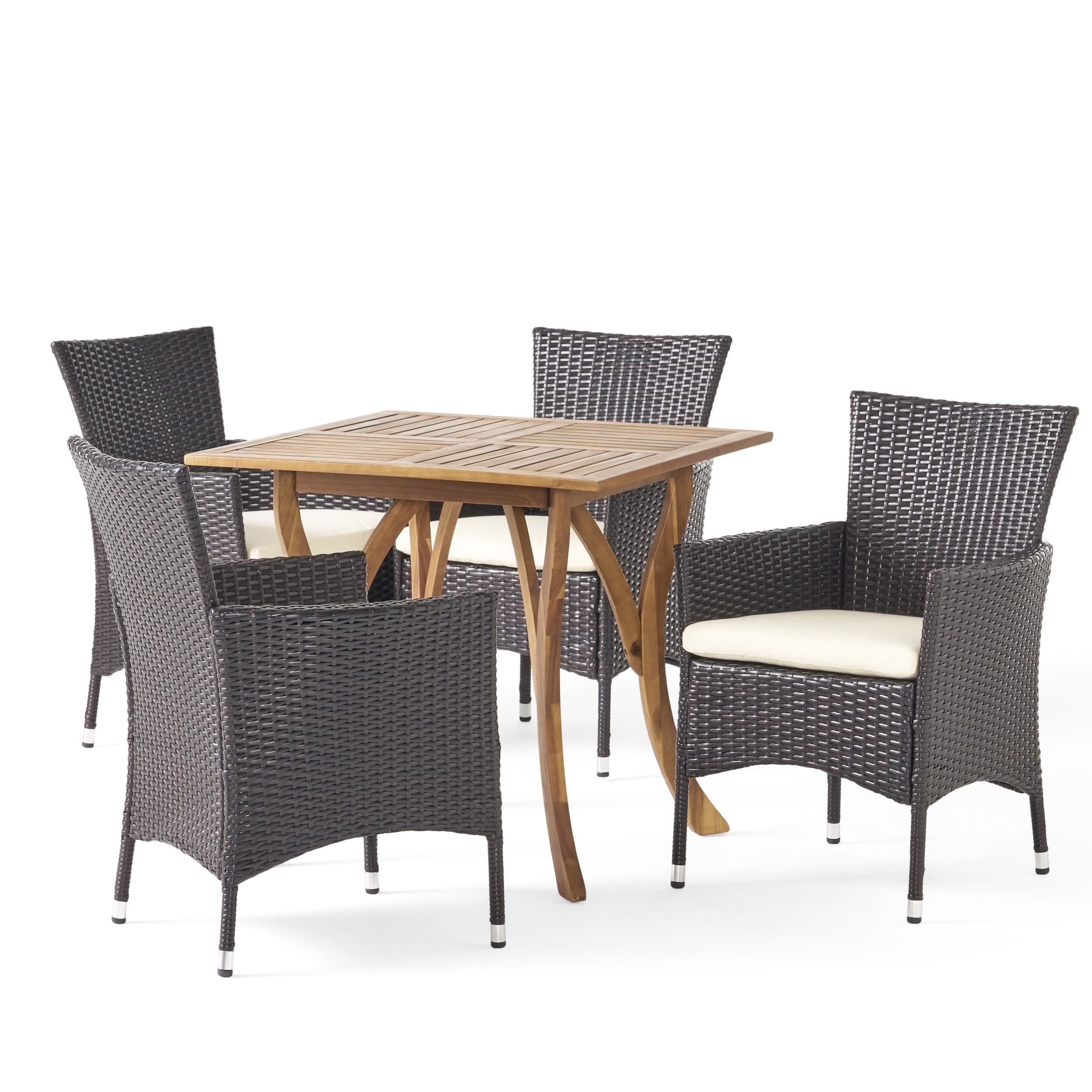
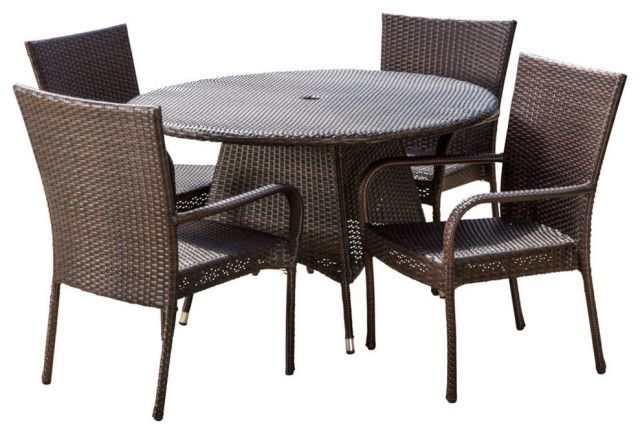
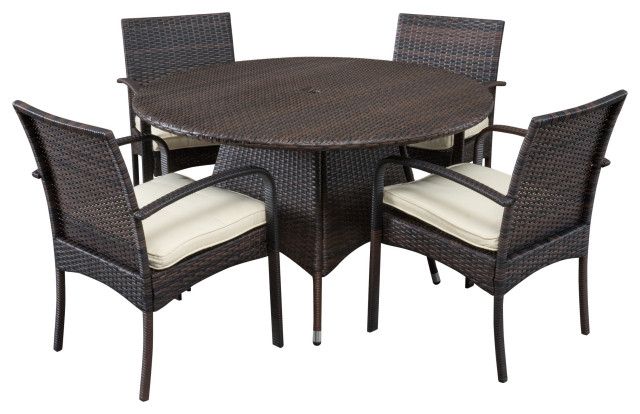
Picture this: You’ve invested in a beautiful outdoor wicker dining set that’s been your favorite spot for summer meals. But after months of weather exposure, the once-vibrant pieces start looking worn and faded. It’s not just about aesthetics – it’s about preserving the integrity of your furniture investment.
Outdoor wicker dining sets bring a touch of rustic charm and comfort to any patio or garden space. These pieces combine natural materials with timeless design, creating functional seating areas that invite conversation and connection. However, they require special attention to maintain their appearance and structural strength. The changing seasons bring unique challenges – from harsh winters to intense summer heat – that can either enhance or damage your wicker furniture. Understanding how to properly care for these pieces throughout the year ensures they’ll continue serving you well for many seasons to come.
Understanding Wicker Materials
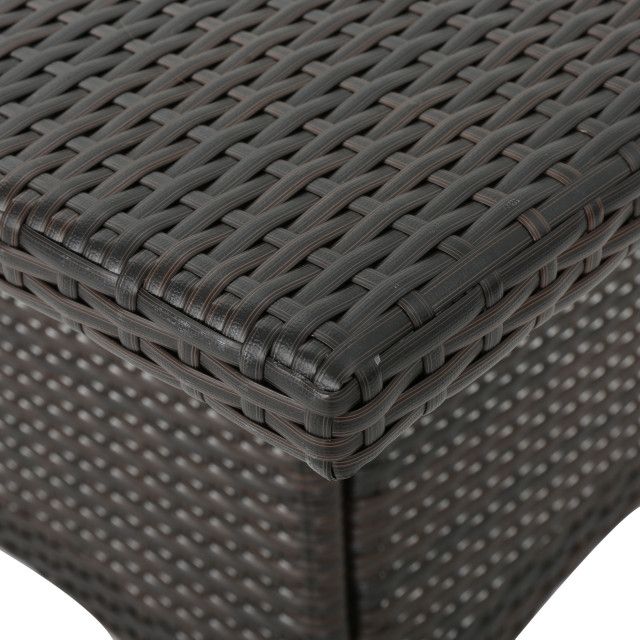
Before diving into seasonal care, it’s important to know what you’re working with. Wicker comes in various forms, each requiring slightly different treatment approaches. Natural wicker is made from woven plant materials like rattan, willow, or bamboo. These materials are susceptible to moisture and UV damage. Synthetic wicker, often made from polyethylene or vinyl, offers better resistance to weather elements but still needs proper maintenance. The key is recognizing the material type of your set. A quick inspection of the weave pattern and texture can help distinguish between natural and synthetic options. For example, natural wicker may have a more organic feel with slight variations in color and texture, while synthetic wicker tends to be more uniform and plastic-like. This distinction matters because it affects how you approach cleaning, storage, and protection strategies for each season.
Spring Preparation Essentials
Spring arrives with promise, but it also brings the challenge of recovering from winter’s wear. Start by thoroughly cleaning your wicker set before bringing it out of storage. Remove all debris, dust, and accumulated dirt using a soft brush or vacuum. Check for any signs of damage such as loose threads, broken strands, or weakened joints. A gentle soap solution works wonders for removing grime without harming the fibers. Pay special attention to crevices where dirt tends to accumulate. After cleaning, inspect the overall condition and make any necessary repairs. Small fixes in spring can prevent bigger problems later. Consider applying a protective coating to help repel moisture and UV rays. If you notice any fading or discoloration, this might be the time to address it before summer’s intensity. Don’t forget to check that all hardware is secure and functioning properly. Loose screws or damaged fasteners can compromise the structure’s stability.
Summer Protection Strategies
Summer brings its own set of challenges, particularly intense UV exposure and heat. The sun’s rays can cause fading and brittleness in both natural and synthetic wicker materials. To protect your set during peak summer months, consider using a high-quality UV-resistant cover when not in use. This simple step can significantly extend the life of your furniture. Regular cleaning becomes even more crucial during hot weather, as sweat, oils, and food residues accumulate quickly. Wicker’s porous nature makes it prone to staining, so prompt cleanup is essential. A light misting with water can help keep the material supple, but avoid soaking or leaving standing water. If you notice any mold or mildew developing, treat immediately with a mixture of water and mild bleach. The key is prevention rather than cure, so maintaining regular cleaning schedules helps keep your wicker looking fresh throughout the season.
Fall Maintenance Routine
As autumn approaches, it’s time to prepare for the cooler months ahead. Begin by deep cleaning your wicker set one final time before storing it for winter. This involves removing all cushions and covers, then thoroughly washing the frame with appropriate cleaners. Check for any loose or damaged elements that need repair before storage. Clean and dry all components completely to prevent mold growth during storage. Store items in a dry location away from direct sunlight and moisture. If possible, elevate the set off the ground to prevent pest infestation. During fall, you might also want to apply a light coat of protective finish to help guard against moisture and temperature fluctuations. Some people find that applying a thin layer of furniture wax provides extra protection. This routine helps ensure your wicker set remains in excellent condition for the next season.
Winter Storage Solutions
Winter storage requires careful consideration and planning. The primary goal is protecting your wicker set from freezing temperatures, moisture, and potential pests. Choose a storage location that’s dry, clean, and well-ventilated. Basements or garages work well if they’re properly maintained. Cover the set with breathable storage covers to prevent dust accumulation while allowing air circulation. Never store wicker in plastic bags alone, as this can trap moisture and cause damage. Instead, use breathable fabric covers or specialized storage bags designed for outdoor furniture. Before storing, make sure everything is completely dry and clean. Any remaining moisture can lead to mold, mildew, or structural weakening over time. If storing outdoors temporarily, ensure the cover is secure and won’t flap in wind, which could cause abrasion to the wicker fibers.
Year-Round Care Tips
Maintaining your wicker dining set isn’t just about seasonal changes – it’s about consistent care throughout the year. Here are some essential practices:
• Regular dusting with a soft brush or cloth removes surface debris
• Immediate cleanup of spills prevents permanent stains
• Periodic inspection for loose or damaged elements allows for timely repairs
• Applying protective treatments every few months maintains the finish
• Using coasters and placemats protects against scratches and burns
• Rotating cushions and seating positions distributes wear evenly
• Keeping the area around your wicker set clear of debris prevents damage
These habits become second nature and make a significant difference in longevity. Many people find that establishing a monthly maintenance routine helps them stay on top of care requirements. Think of it as tending to a living thing rather than just maintaining furniture – it responds to attention and care with remarkable grace.
Common Mistakes to Avoid
Even experienced users sometimes make errors that can harm their wicker furniture. One common mistake is using harsh chemicals or abrasive cleaners that can strip protective finishes and damage the fibers. Another frequent error is neglecting to dry wicker thoroughly after cleaning, leading to moisture-related issues. Some people assume all wicker is the same and apply universal treatments, but different materials require different care approaches. Failing to address small problems promptly often leads to major repairs later. Storing wicker in damp locations or covering it with non-breathable materials also causes problems. Remember, prevention is always better than cure. Taking a little extra time for proper care now can save significant effort and expense later. Consider keeping a small maintenance kit handy – a soft brush, mild cleaner, and protective coating – so you’re always prepared for quick touch-ups.
Signs Your Wicker Needs Attention
Knowing when to act is crucial for maintaining your outdoor wicker set. Watch for these warning signs:
• Visible fading or discoloration of the wicker material
• Loose or broken weaving strands
• Cracked or peeling protective coatings
• Water pooling or seeping through the weave
• Mold or mildew growth in hidden areas
• Rusty or corroded metal components
• Uneven or unstable seating surfaces
• Persistent odors indicating moisture buildup
These indicators suggest it’s time to take action. Early intervention can often resolve minor issues before they become costly repairs. Some signs might seem subtle at first – perhaps a slightly loose strand or a minor discoloration. But addressing these early prevents them from worsening. Regular visual inspections, especially before seasonal transitions, help catch problems before they escalate. Consider setting calendar reminders for periodic checks, making maintenance part of your routine rather than an afterthought.
Taking care of your outdoor wicker dining set is an investment in both enjoyment and longevity. By understanding the unique needs of your specific wicker material and following a thoughtful seasonal approach, you can ensure these beautiful pieces continue to serve you for years to come. The key lies in consistent attention and proactive maintenance rather than waiting for problems to appear. Whether it’s spring preparation, summer protection, or winter storage, each season brings its own opportunities to care for your furniture. Remember that wicker furniture isn’t just about looks – it’s about creating spaces where memories are made. When you invest time and effort into proper care, you’re investing in countless future meals, conversations, and gatherings. The beauty of wicker lies not just in its appearance but in its ability to age gracefully with proper attention and care.