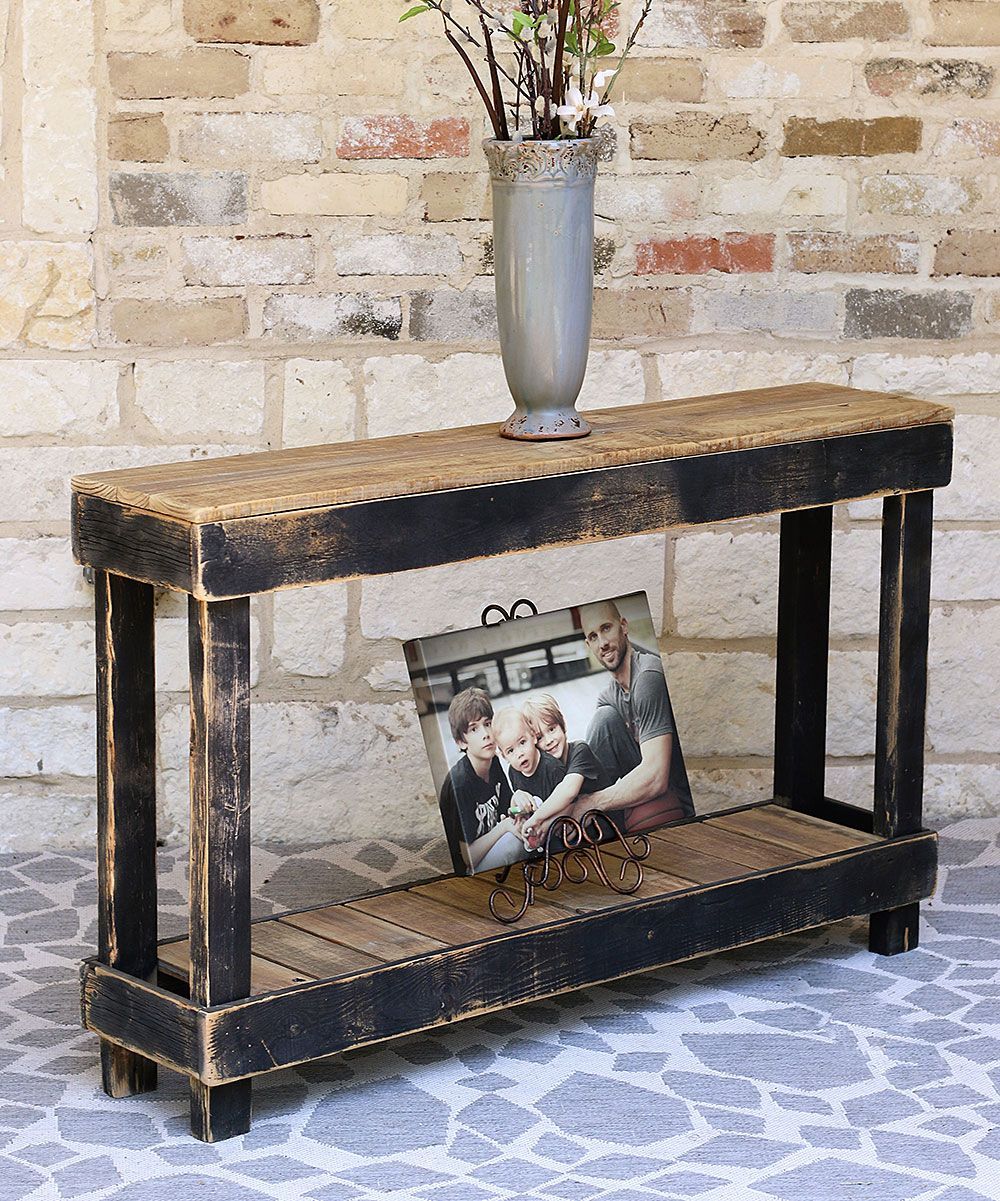
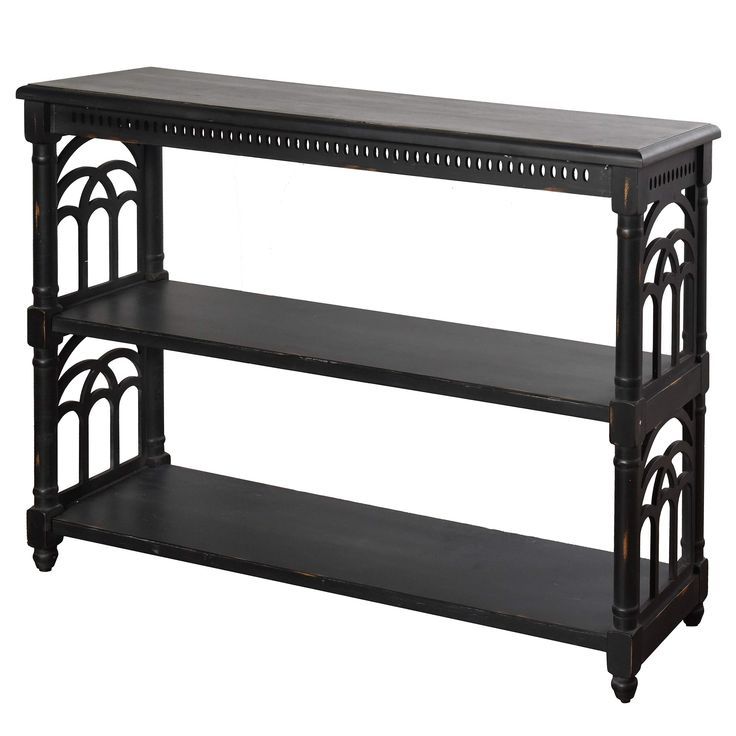
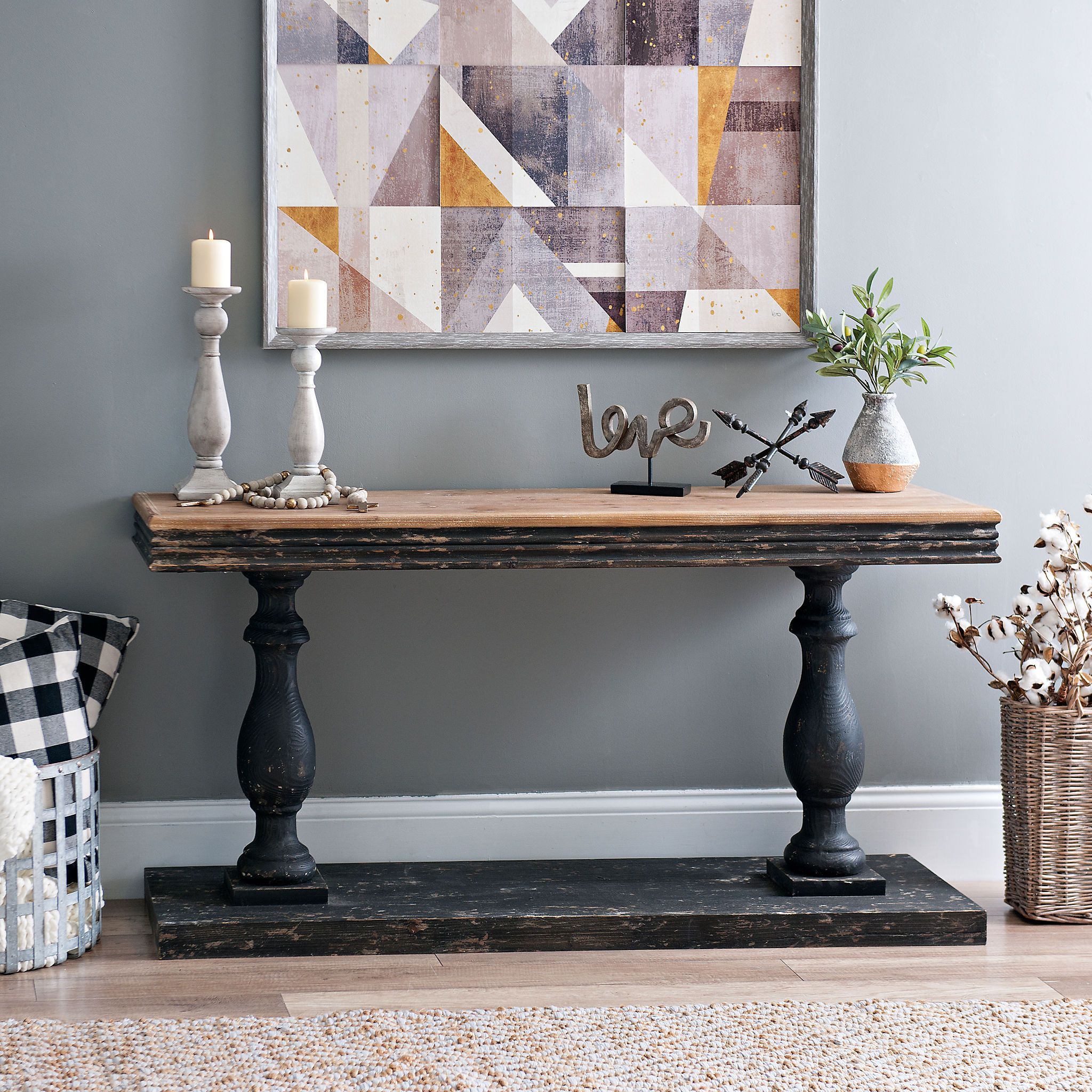
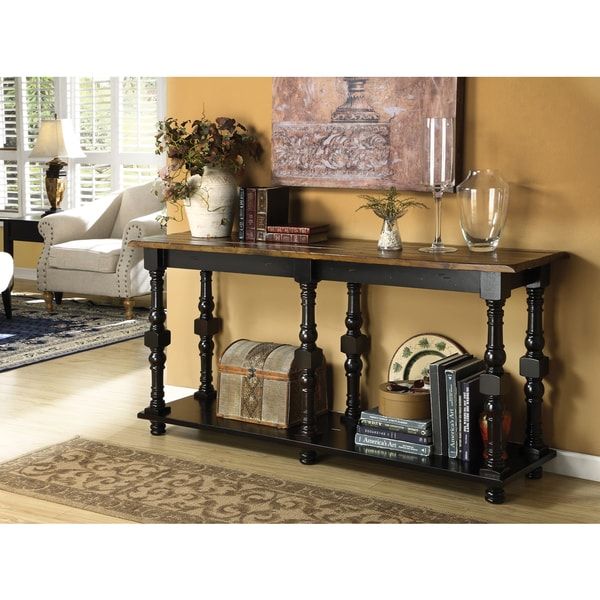
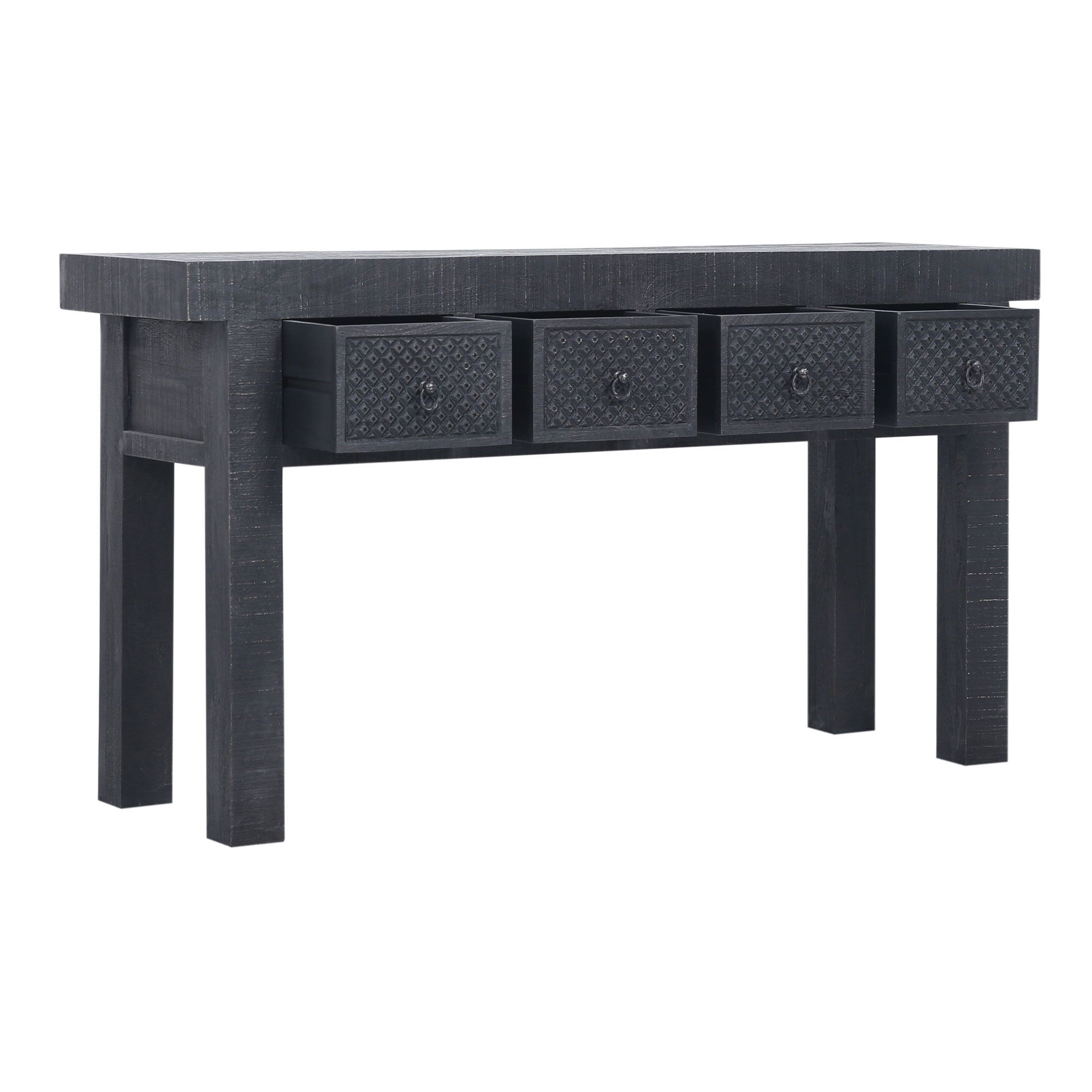
Have you ever walked into a room and felt like it had personality? Maybe it was the weathered wooden table that looked like it had stories to tell, or the vintage chair with its gentle scratches and faded paint. That’s the magic of distressed finishes. They add character and warmth to any space, making it feel lived-in rather than showroom-perfect.
In the world of interior design, there’s something deeply appealing about surfaces that show signs of age and use. Distressed finishes have become increasingly popular because they offer a sense of history and authenticity that mass-produced items simply cannot match. Whether you’re renovating your entire living room or just looking to add some character to a single piece of furniture, understanding how to choose the right distressed finish is crucial. These finishes don’t just look good—they tell a story and create a connection between the past and present. But with so many options available, how do you know which one will work best for your space?
Understanding Distressed Finishes
Before diving into selection criteria, it’s important to understand what distressed finishes actually are. A distressed finish is a technique used to intentionally create wear patterns, scratches, and imperfections on surfaces to give them an aged appearance. This isn’t just about making things look old—it’s about creating visual interest and depth.
The process typically involves applying multiple layers of paint or stain, then selectively sanding or scraping away parts of the top layer to reveal underlying colors or textures. It’s a craft that requires skill and attention to detail.
There are several types of distressed finishes you might encounter:
• Wood distressing – Creating aged looks on wooden surfaces
• Paint distressing – Applying layered paint techniques
• Metal distressing – Adding patina and wear to metallic elements
• Fabric distressing – Creating vintage looks on upholstery and curtains
Each type offers different possibilities and requires different approaches when choosing the right one for your living room.
Assessing Your Living Room’s Overall Style
The first step in choosing the right distressed finish is knowing what style your living room already embraces. This might seem obvious, but it’s easy to get caught up in the aesthetic appeal of a particular finish without considering whether it fits your space.
Consider the following aspects of your current décor:
• What are the dominant colors in your room?
• Is your style traditional, modern, rustic, or eclectic?
• Are there existing elements with similar aged characteristics?
• What’s the overall mood you want to create?
For example, if you have a contemporary living room with clean lines and minimal furniture, a heavily distressed finish might clash. On the other hand, if your space leans toward farmhouse or rustic aesthetics, a well-chosen distressed element could enhance the theme perfectly.
Think about how the distressed finish will interact with other elements in the room. Will it complement the existing color palette, or will it create a bold contrast? The answer often depends on how much you want to emphasize the distressed look versus letting it blend naturally with the surroundings.
Considering the Functionality and Durability
While aesthetics are important, don’t forget about practical considerations. Distressed finishes aren’t just decorative—they’re part of functional elements in your living room. You’ll want to consider how much wear and tear the finished piece will experience.
Key factors to evaluate:
• High traffic areas may require more robust finishes
• Furniture pieces that get regular use need durable options
• Upholstery with distressed fabric must withstand daily use
• Environmental factors like sunlight exposure affect longevity
A dining table with a distressed finish might need to handle food spills and daily meals, while a decorative wall panel could be more forgiving. The finish should match the expected lifespan of the item.
Also consider maintenance requirements. Some distressed finishes are easier to touch up or repair than others. If you’re planning to keep the piece for years, investing in a higher quality finish might save you money later on. Think about whether you’re willing to accept some wear and tear as part of the charm, or if you prefer something that maintains its appearance longer.
Matching Distress Levels and Intensity
Not all distressed finishes are created equal. There’s a spectrum of intensity that ranges from barely noticeable to heavily worn. Understanding this scale helps you make better choices for your space.
• Light distressing – Subtle hints of wear that add character without being overwhelming
• Medium distressing – Noticeable but still refined, showing some age without appearing damaged
• Heavy distressing – Bold, dramatic wear patterns that make the aged look very prominent
The amount of distress you choose should align with your personal preferences and the room’s function. Light distressing works well in formal spaces where you want to add sophistication. Heavy distressing might be perfect for casual areas where you embrace the lived-in feel.
Consider the context of your living room. A light distressed finish on a coffee table might look elegant and timeless, while a heavy distressed finish on the same piece might appear too rugged for a formal setting. The key is finding balance between adding character and maintaining the room’s intended atmosphere.
Color Coordination and Harmony
Color plays a major role in how a distressed finish integrates with your living room. The choice of base color and accent colors affects how the distressed elements appear and how they relate to the rest of the space.
When selecting colors, think about:
• Existing color schemes in the room
• How the finish will complement or contrast with other elements
• Whether you want the distressed piece to be a focal point or a subtle addition
• Lighting conditions that will affect how colors appear
Popular combinations include:
• Classic white with soft gray or blue accents
• Warm wood tones with earthy browns and creams
• Darker backgrounds with lighter distressed elements
• Neutral palettes with pops of color in the distressed details
It’s worth noting that some finishes look better in certain lighting conditions. Natural light might make a distressed finish appear more subtle, while artificial lighting could emphasize the texture and wear patterns. Testing samples in your actual living room under different lighting conditions is often helpful before making final decisions.
Quality vs. Cost Considerations
Distressed finishes vary significantly in price depending on the materials used, the complexity of the application, and where you source them. Understanding the relationship between quality and cost helps you make informed decisions.
Factors affecting cost:
• Materials used in the finishing process
• Skill level required for application
• Whether it’s a DIY project or professional installation
• Brand reputation and craftsmanship quality
Higher-end distressed finishes often use premium materials and involve skilled artisans. These tend to last longer and look more authentic. Cheaper options might save money upfront but could fade, chip, or look artificial over time.
Consider your budget carefully. Sometimes a moderately priced, well-executed distressed finish is better than a cheaper option that looks cheap or falls apart quickly. Look for reputable sources and ask about warranties or guarantees. Quality finishes often pay for themselves through longevity and reduced replacement costs.
Choosing the right distressed finish for your living room is both an art and a science. It requires balancing aesthetic desires with practical needs, considering how the finish will fit within your existing décor, and thinking about long-term durability. The key is to approach the decision thoughtfully, taking into account everything from your room’s style and function to your personal preferences and budget constraints.
Remember, distressed finishes don’t have to be overwhelming or chaotic. When chosen wisely, they can add warmth, character, and visual interest to any space. Whether you’re working with furniture, walls, or decorative elements, the right distressed finish can transform a simple room into a place that feels lived-in and full of personality.
The most important thing is to start with a clear vision of what you want to achieve and then let that guide your choices. Don’t be afraid to experiment with different levels of distressing, colors, and materials until you find the perfect combination for your living room. After all, the goal is to create a space that reflects your unique taste and makes you happy every day you spend in it.