Picture this: warm sunlight filtering through trees, gentle breeze rustling leaves, and friends and family gathered around comfortable seating. That’s the magic of well-designed outdoor living spaces. Whether you have a sprawling deck or a tiny balcony, creating the right seating arrangements can turn your outdoor area from merely functional to absolutely welcoming.
Outdoor living has become more important than ever. People are spending more time outside, whether it’s for morning coffee, evening cocktails, or family gatherings. But let’s be honest – not every patio or deck feels like a cozy retreat. The difference often comes down to thoughtful seating arrangements. What makes a space truly comfortable isn’t just the furniture itself, but how it all comes together. It’s about creating zones that encourage conversation, provide privacy when needed, and offer enough room for everyone to relax comfortably. We’re going to explore the art and science behind crafting seating arrangements that work for your unique space and lifestyle.
Understanding Your Outdoor Space
Before diving into furniture selection, take a good look at your space. Measure everything carefully – length, width, and any obstacles like pillars, trees, or existing structures. Consider the shape too. Is it rectangular, square, or irregular? The layout will determine how you arrange your seating. Think about sun exposure throughout the day. Where does the morning light hit? Where do shadows fall? This matters for comfort and usability. Also, consider foot traffic patterns. How do people naturally move through the space? A good seating arrangement should guide rather than block movement. For instance, if you have a small deck, you might want to create distinct zones – one for dining, another for lounging. Understanding your space helps you make smarter decisions about furniture placement and size. Don’t forget about drainage and weather protection either. These practical considerations affect both comfort and longevity of your outdoor furniture.
Choosing the Right Furniture Pieces
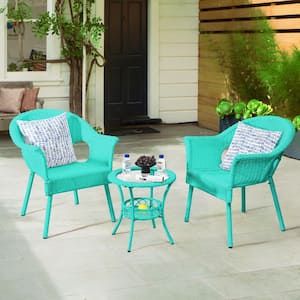
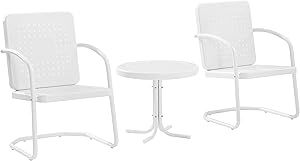
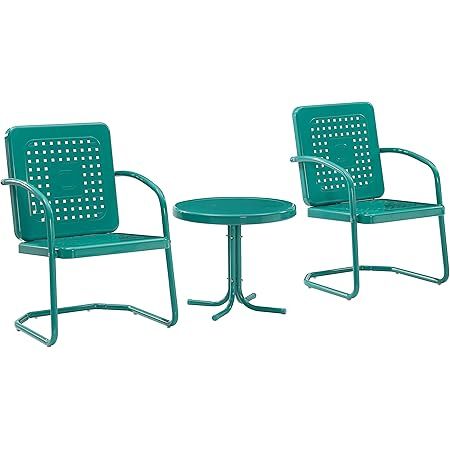
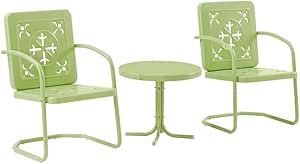
The foundation of any great seating arrangement starts with selecting appropriate furniture. Start with the basics: chairs, tables, and perhaps a sofa or sectional. Consider the number of people who will regularly use the space. A small deck might need just two chairs and a side table, while a larger area could accommodate a full conversation set. Material choices matter significantly. Metal furniture offers durability but can get hot in the sun. Wood looks natural but requires maintenance. Plastic and synthetic materials are low-maintenance but may not offer the same aesthetic appeal. Fabric cushions add comfort and style, but they need weather protection. Don’t overlook storage solutions – outdoor benches or ottomans with hidden storage can keep your space tidy. The key is balancing form and function. You want pieces that look good but also serve their purpose well. For example, a dining table should be sturdy enough for regular use, while a lounge chair needs to be comfortable enough for extended relaxation. Test how pieces work together before buying – sit in them, check clearance, and make sure everything fits properly.
Creating Flow and Zoning
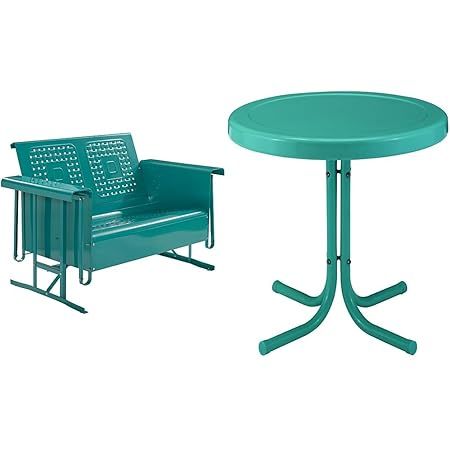
A well-organized outdoor space feels intentional and welcoming. Think of your seating arrangement as a series of connected rooms within one large space. Create different areas based on activities. One zone might be dedicated to dining, another to lounging, and possibly a third for entertaining. Use furniture placement to define these zones. A dining table can create a formal eating area, while a loveseat and coffee table might define a casual lounge space. Consider how people move through the space. You want pathways that are wide enough for comfortable passage but narrow enough to create intimate areas. Sometimes a simple arrangement works better than complex layouts. A classic L-shaped seating arrangement can create a natural conversation area. Or maybe a U-shape works better for larger groups. The flow should feel natural, not forced. Sometimes adding a small accent piece like a planter or decorative object can help define boundaries between zones. Think about how your furniture creates visual connections and movement within the space.
Comfort and Cushions
Comfort is really what separates a good outdoor seating area from a great one. This starts with the right cushion selection. Look for weather-resistant fabrics that can handle sun, rain, and temperature changes. Some materials are inherently more comfortable – like outdoor-grade polyester or performance fabrics. Check the padding quality too. Thick, high-density foam provides better support than thin cushioning. Don’t underestimate the importance of back support. People spend hours sitting, especially during summer months. A chair with proper lumbar support can make all the difference. Consider the height of your seating. The ideal height allows for comfortable conversation – typically between 16 and 18 inches from floor to seat. Also, think about the angle of your seating. A slight recline can make a big difference in comfort for extended periods. Don’t forget about accessories like throw pillows or blankets. They add personal touches and extra comfort. But remember, you want to balance aesthetics with practicality. Too many accessories can clutter the space, while too few can make it feel sterile.
Lighting and Ambiance
Good lighting can completely transform an outdoor space from day to night. Natural light is wonderful, but artificial lighting adds flexibility and atmosphere. Consider multiple lighting layers – ambient, task, and accent. Ambient lighting provides general illumination, like string lights or lanterns. Task lighting might be focused on a dining area or reading nook. Accent lighting highlights specific features like plants or architectural elements. String lights create a magical feel, especially during evening gatherings. Lanterns and candles offer softer, more intimate lighting. Solar-powered options are convenient and eco-friendly. Think about where you want to focus attention – perhaps a conversation area or dining space. The right lighting can make a small space feel larger or create a cozy atmosphere in a large area. Don’t forget about practical aspects like glare control and ensuring adequate light levels for safety. Lighting should enhance the space, not compete with it. Consider dimmer switches for adjustable ambiance. Sometimes the best lighting is simply a few well-placed candles or a small fire pit for warmth and atmosphere.
Practical Considerations and Maintenance
Let’s talk about the realities of outdoor furniture – it needs care and attention. Weather affects everything from material integrity to comfort levels. Choose materials that can withstand your local climate conditions. If you live in a rainy area, prioritize water-resistant options. In sunny climates, UV protection becomes essential. Consider furniture covers or storage solutions for seasonal protection. Regular cleaning maintains both appearance and longevity. Simple maintenance routines can prevent major problems later. Think about how easy your seating arrangement is to clean and maintain. Can you easily remove cushions for washing? Are surfaces smooth enough to wipe down? Storage solutions help keep things organized and protected. A well-designed outdoor space should be both beautiful and practical. Plan for the long-term – how will your seating arrangement age gracefully? Will it still look good in five years? Consider investing in quality pieces that will last rather than cheap alternatives that may need frequent replacement. Also, factor in the cost of ongoing maintenance when making decisions. Sometimes a slightly higher upfront investment pays off in reduced replacement costs over time.
Creating a comfortable seating arrangement for your patio or deck isn’t just about buying nice furniture. It’s about understanding your space, thinking about how people will use it, and making thoughtful decisions about every element. From the initial layout to the final touches, each choice contributes to the overall experience. Remember that comfort isn’t just about physical comfort – it’s about making people want to stay and enjoy the space. Whether you’re hosting a small dinner party or just relaxing with a book, your seating arrangement should support those moments. The key is starting with your needs and working backwards to design something that feels right. Don’t be afraid to experiment with different layouts or try new combinations. Sometimes the most successful outdoor spaces are those that evolve based on how people actually use them. With careful planning and attention to detail, your patio or deck can become the most beloved part of your home. The goal is to create an environment where memories are made, conversations flow naturally, and everyone feels welcome to relax and enjoy.