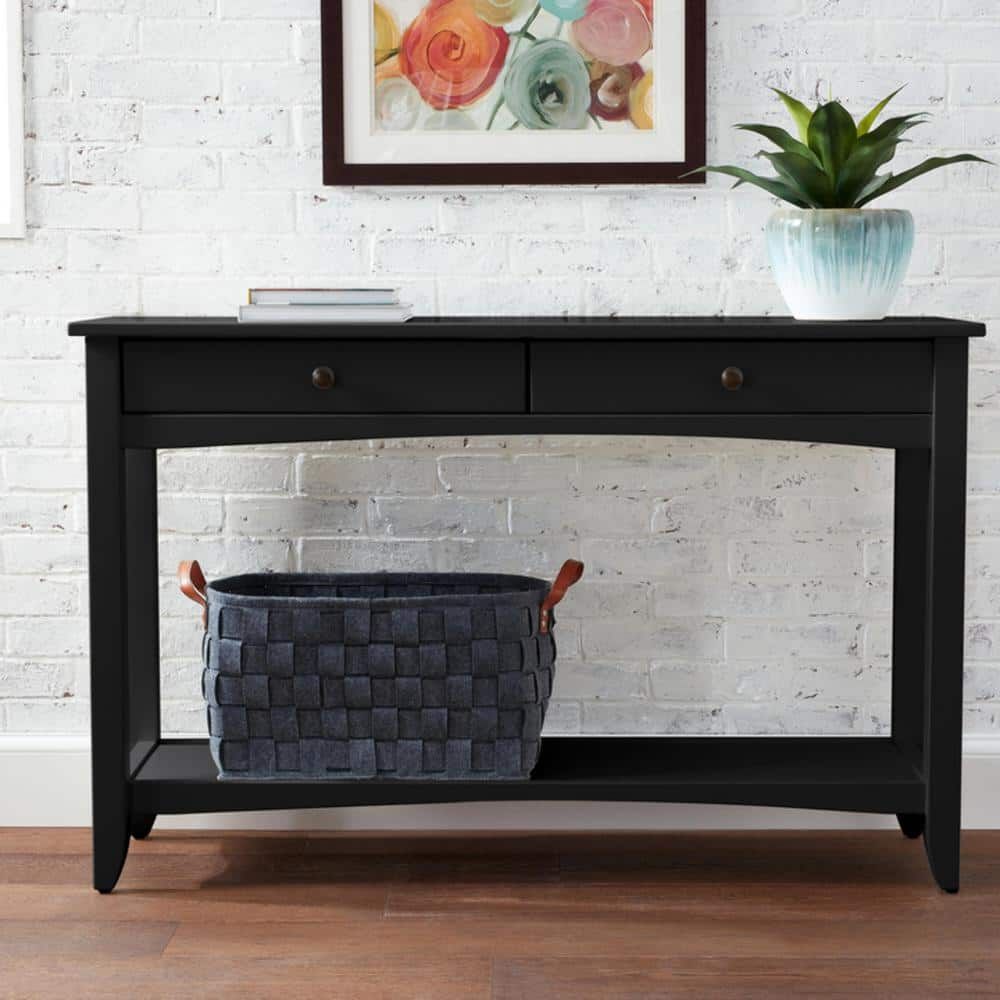
When you first lay eyes on a Rasmus Console Table in Black Charcoal, there’s something undeniably special about its presence. It’s not just furniture – it’s a statement of refined taste and skilled artistry. But what really goes into creating such a masterpiece? Let’s take a closer look at the hands that shape these beautiful pieces.
The Rasmus Console Table in Black Charcoal has captured the hearts of interior designers and homeowners alike. Its sleek silhouette and rich color palette make it a standout piece in any living space. But beyond its visual appeal lies a fascinating story of traditional woodworking techniques, modern precision, and unwavering dedication to quality. What makes this table more than just another piece of furniture? The answer lies in understanding the craftsmanship that brought it to life.
The Foundation of Quality Materials
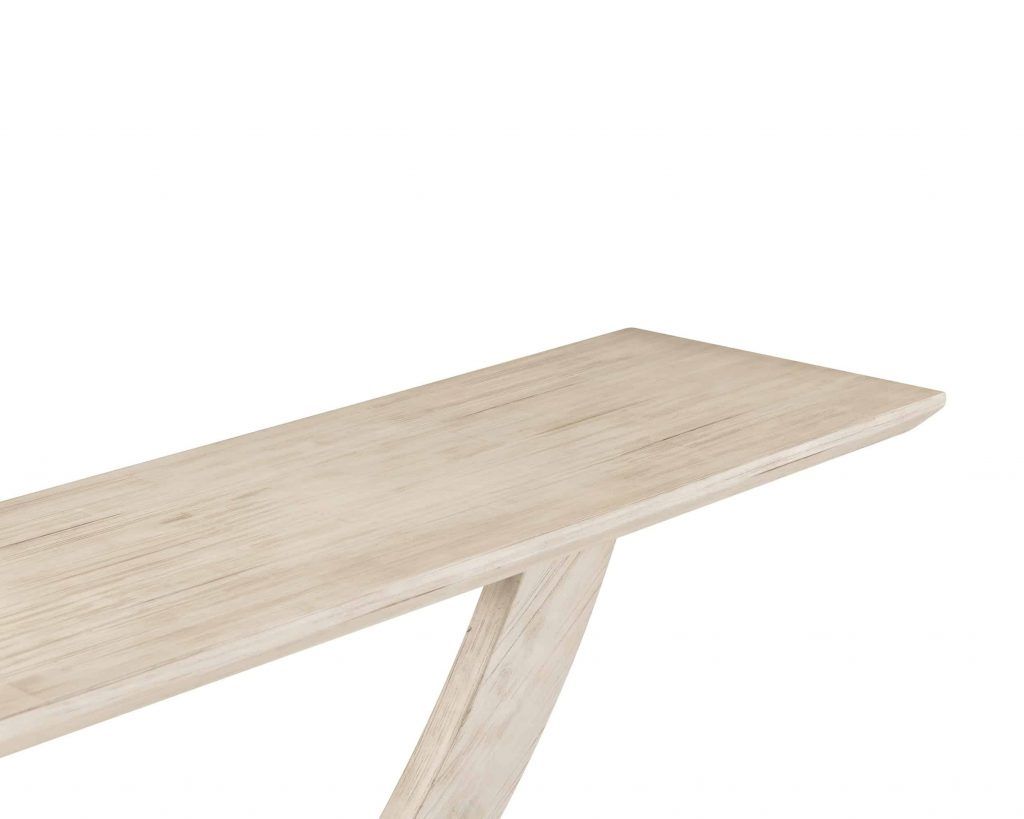
Every great piece starts with exceptional materials. The Black Charcoal finish on Rasmus tables isn’t just about color – it represents a careful selection of wood types that can withstand the test of time. Premium hardwoods like oak, ash, and beech form the backbone of these tables. These woods aren’t chosen randomly. They’re selected based on grain patterns, density, and their ability to hold finish beautifully. The wood undergoes rigorous testing before it even enters the workshop. What’s interesting is how different wood species react differently to the charcoal treatment process. Some woods require longer drying periods, while others need special preparation to ensure even coloring. This attention to detail shows why the table feels substantial when you touch it.
Traditional Techniques Meets Modern Precision
The process of creating a Rasmus Console Table combines age-old woodworking skills with today’s technological advances. Master craftsmen still use hand tools for certain finishing touches, especially around the edges and joints. However, computer-controlled machinery ensures consistent measurements and precise cuts. It’s like watching an orchestra where each instrument plays its part perfectly. The table legs, for instance, might be cut using CNC machines for exact specifications, while the surface gets its final polish by skilled hands. This blend creates a balance between uniformity and character. The result? A piece that looks precisely right but still carries the warmth of handmade work. You can feel this harmony in every corner and joint.
The Color Journey: From Raw Wood to Black Charcoal
The transformation from raw timber to the signature Black Charcoal finish is nothing short of remarkable. This process involves multiple stages of sanding, staining, and protective coating. First, the wood gets carefully sanded to remove any imperfections and create a smooth base. Then comes the staining phase, where specialized dyes are applied to achieve that deep, sophisticated charcoal tone. What many don’t realize is that achieving the perfect shade requires extensive testing. Different batches of wood can absorb stain differently, so craftsmen must adjust their approach accordingly. The final protective layer is crucial for durability and maintaining that rich appearance over time. It’s not just about looking good – it’s about lasting through years of daily use.
Attention to Detail in Every Joint
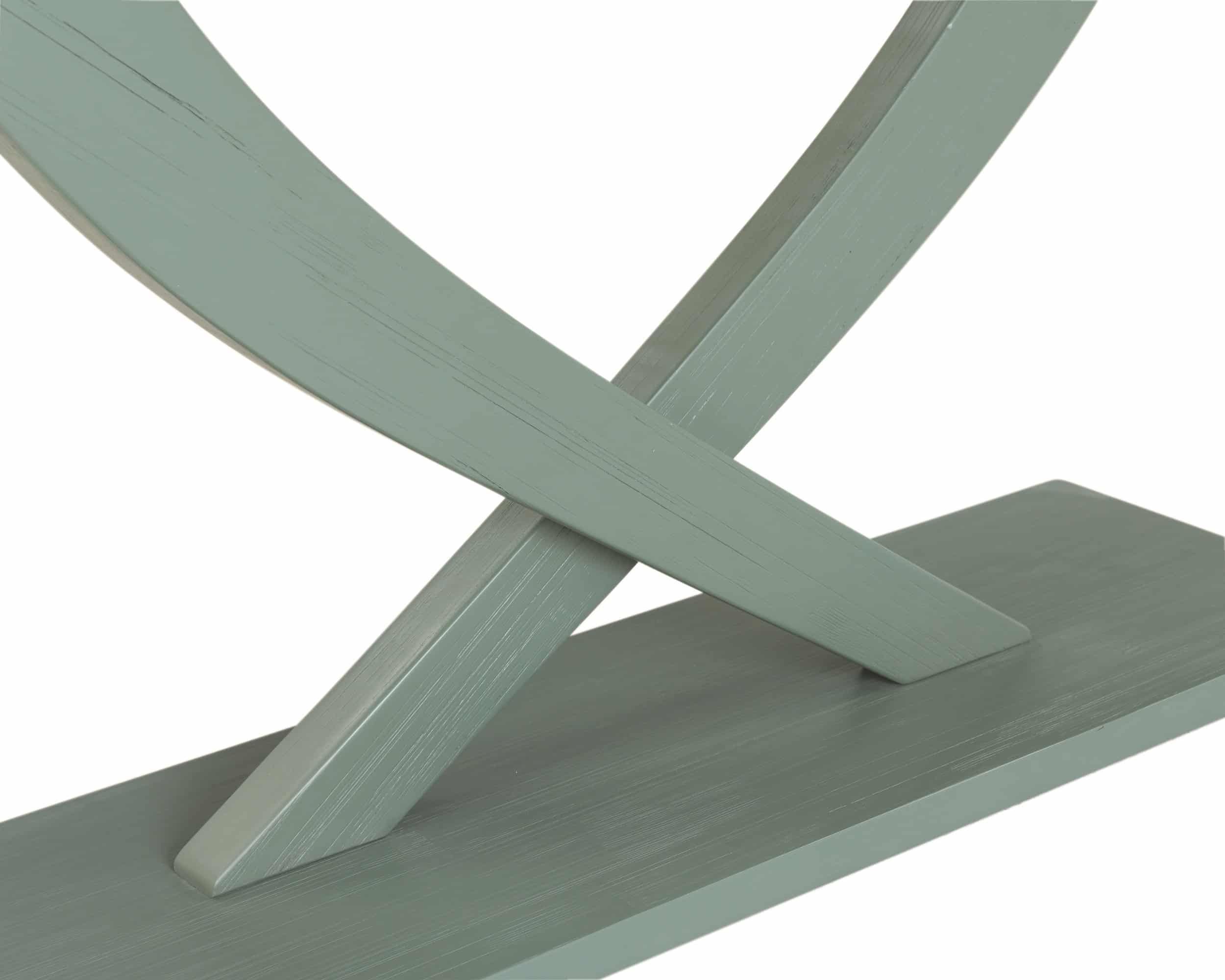
One of the most impressive aspects of these tables is how each joint is constructed. The connection points between the tabletop and legs aren’t simply glued together. Instead, they feature carefully designed mortise and tenon joints that have been used for centuries. These joints provide strength and stability while allowing for natural wood movement. The craftsmen spend considerable time ensuring each joint fits perfectly. Sometimes, this means reworking a joint several times until it meets their exacting standards. There’s a method to this madness – it’s about creating a structure that will remain solid and secure for decades. The precision required makes each table a unique creation.
The Human Element: Skilled Craftsmen at Work
Behind every Rasmus Console Table stands a skilled artisan whose knowledge spans generations. These craftspeople often learn their trade through apprenticeships that can last several years. They develop an intuitive understanding of wood behavior, finish application, and structural integrity. What makes them invaluable isn’t just their technical skills but their ability to see potential in raw materials. A piece might have a knot or a slight warp, but the experienced craftsman sees how to work with these characteristics rather than against them. Their passion shows in every finished product. You can sense their dedication when you examine the table closely – the way they’ve handled the wood grain, the careful attention to surface texture, and the seamless integration of all components.
Quality Control and Final Inspection
Before a Rasmus Console Table leaves the workshop, it undergoes a thorough quality check. This isn’t just a quick glance – it’s a detailed inspection of every aspect. The table is checked for structural soundness, surface smoothness, and overall aesthetic appeal. Any imperfections are addressed immediately. This final stage often reveals details that weren’t visible during construction. The craftsmen might notice a slight misalignment in the finish or a tiny imperfection in the wood grain. These are corrected because they know that perfection matters. The table must meet both functional requirements and beauty standards. After all, it’s meant to become a centerpiece in someone’s home for years to come.
The Rasmus Console Table in Black Charcoal represents much more than furniture – it embodies a commitment to excellence that spans generations of craftsmanship. From the careful selection of materials to the final quality checks, every step reflects a deep respect for tradition and quality. When you sit in front of one of these tables, you’re not just enjoying a beautiful piece of furniture – you’re experiencing the result of countless hours of skill, patience, and dedication. That’s what makes these tables truly special. They’re not mass-produced items, but rather thoughtful creations that deserve to be treasured. The next time you see one, take a moment to appreciate the craftsmanship behind it. It’s a reminder that some things are worth waiting for, and that attention to detail can transform simple materials into extraordinary objects.