Every night, we retreat to our bedrooms for rest, recovery, and peace. But what if your bedroom furniture could do more than just look good? What if it could also make your daily routine smoother, your space feel larger, and your sleep better? The secret lies in finding that sweet spot where style meets practicality. It’s not about choosing one over the other – it’s about creating harmony between beauty and function.
Think about your last bedroom visit. Did you notice how the furniture made you feel? Was it cozy and inviting, or did it feel cramped and uninviting? Many people overlook how crucial bedroom furniture selection is to their overall well-being. You’re not just buying pieces to fill a room – you’re investing in your daily comfort and your sleep quality. This isn’t about expensive designer pieces or bargain basement finds. It’s about understanding what works for your lifestyle, your space, and your needs. Every drawer, every shelf, every bed frame should serve a purpose beyond looking pretty. The best bedroom furniture does both – it makes you want to stay in your bedroom and helps you live better in it.
Understanding Your Lifestyle Needs
Before diving into design choices, ask yourself some tough questions. How many people will be using this space? Do you have pets or small children? What’s your daily routine like? These factors heavily influence what kind of furniture you need. A couple might need a larger bed with plenty of storage, while a single person might prefer something more compact. If you work from home, maybe you need a desk integrated into your bedroom setup. Consider how often you’ll be moving things around. If you’re someone who likes to rearrange your space frequently, go for modular pieces that can adapt easily. Think about your personal habits too – do you like to keep everything organized or do you prefer a more relaxed approach? Understanding these patterns helps you choose pieces that will actually work for you, not just look good on Pinterest.
The Importance of Proper Scale and Proportions
This is where many people make a big mistake. They fall in love with a beautiful dresser or nightstand but forget about space. A huge bed in a small room can make everything feel claustrophobic. Conversely, a tiny bed in a large room can make the space feel empty and cold. The right scale creates balance. When you’re shopping, always measure your space first. Then, consider how much movement you’ll need around each piece. For example, a 6-foot bed needs at least 3 feet of clearance on each side for easy getting in and out. Also, think about how tall pieces will look in relation to your ceiling height and window placement. A low-profile bed might make a high-ceilinged room feel even taller, while a tall dresser might make a low-ceilinged room feel even lower. The proportions should feel comfortable, not jarring.
Storage Solutions That Don’t Compromise Style
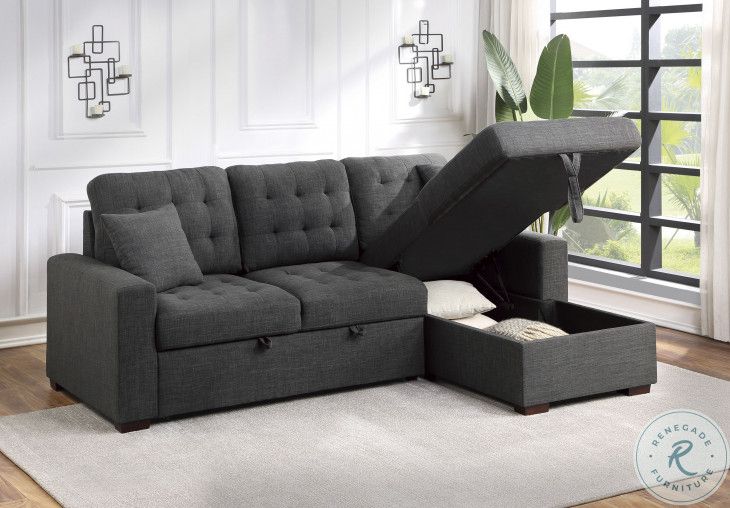
We all know the struggle: wanting to keep our bedrooms neat while maintaining a beautiful aesthetic. The key is smart storage solutions. Look for furniture with hidden compartments or built-in shelving. A bed with drawers underneath can store everything from seasonal clothing to bedding. A nightstand with a small cabinet can hide electronics and books. Consider vertical storage – tall, narrow pieces can maximize space without taking up floor area. Floating shelves add visual interest while providing storage. The trick is to make storage look intentional, not cluttered. Choose pieces that blend seamlessly with your existing decor rather than standing out as separate storage units. Think of storage as an extension of your style, not an afterthought.
Material Choices and Their Impact on Functionality
Different materials offer different benefits. Wood brings warmth and durability, but it can be heavy and may warp in humid conditions. Metal offers strength and modern appeal but can feel cold and may creak. Fabric covers provide comfort and softness, though they require more maintenance. Glass adds elegance and lightness but needs careful cleaning. Natural materials like bamboo or rattan bring texture and breathability. When choosing materials, think about your lifestyle and maintenance preferences. If you have kids or pets, durable materials like solid wood or metal might be better choices. If you’re sensitive to allergens, consider hypoallergenic options. The material should complement not just your aesthetic, but also your practical needs. A velvet headboard might look stunning, but it could be challenging to clean if you’re prone to spills.
Color Psychology and How It Affects Sleep Quality
Colors play a surprisingly important role in how your bedroom feels and functions. Cool colors like blue and green tend to promote relaxation and can help with sleep. Warm colors like red and orange might energize you, which isn’t ideal for bedtime. Neutral tones like beige and gray create a calm foundation that allows other elements to stand out. Consider how much natural light your room gets when choosing colors. Lighter shades reflect light and make dark spaces feel brighter. Darker shades absorb light and can make a room feel cozier. Some people swear by specific color combinations for better sleep – like soft blues paired with warm whites. But remember, your personal connection to colors matters too. You’re more likely to enjoy and use furniture that makes you feel good, so choose colors that resonate with you.
Smart Design Features for Modern Living
Today’s bedroom furniture often includes features that weren’t common before. Consider pieces with USB ports built into nightstands, or beds with integrated lighting. Some furniture now comes with built-in charging stations or even smart controls. These aren’t just gimmicks – they address real needs in our digital age. A lamp with adjustable brightness can help you read without disturbing others. Storage that’s easy to access, like sliding drawers instead of opening cabinets, can make daily routines smoother. Multi-functional furniture, such as ottomans that double as extra seating and storage, can be game-changers for small spaces. The key is choosing features that enhance your lifestyle rather than adding complexity. Don’t let technology overwhelm your space – make sure the added functionality actually improves your daily life.
Choosing bedroom furniture that balances style and practicality isn’t just about aesthetics – it’s about creating a space that supports your wellbeing. When you think about your bedroom as more than just a place to sleep, but as a reflection of your lifestyle and needs, the choices become clearer. It’s okay to compromise sometimes – maybe a slightly less trendy piece that works perfectly for your situation. The goal isn’t perfection but harmony. Your bedroom furniture should make you feel good every time you enter the room, whether you’re getting ready for bed or waking up refreshed. Remember, the most beautiful furniture is the one that serves you well. Take your time with decisions, measure carefully, and trust your instincts. After all, this is your sanctuary, and it should feel like home – both in appearance and function.