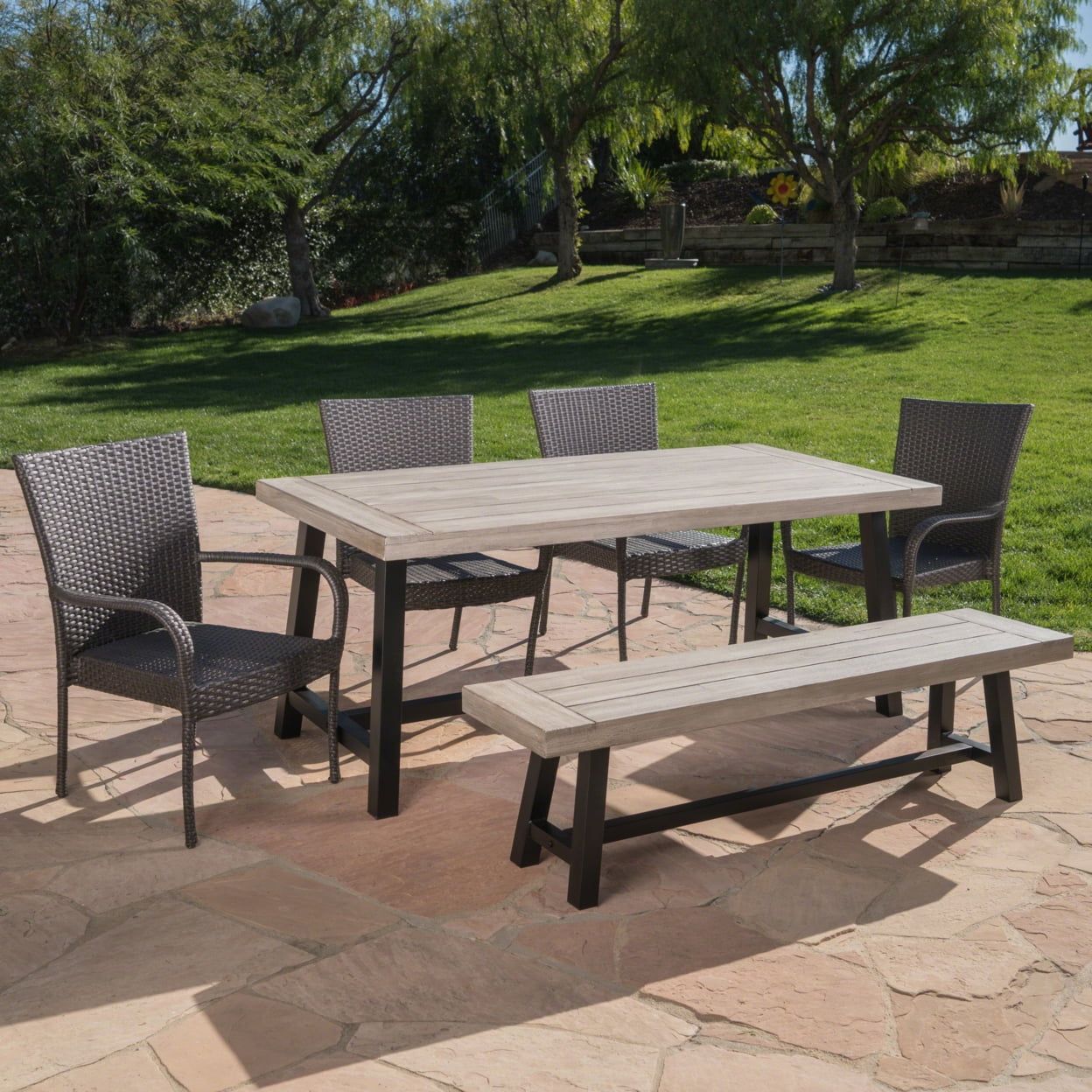
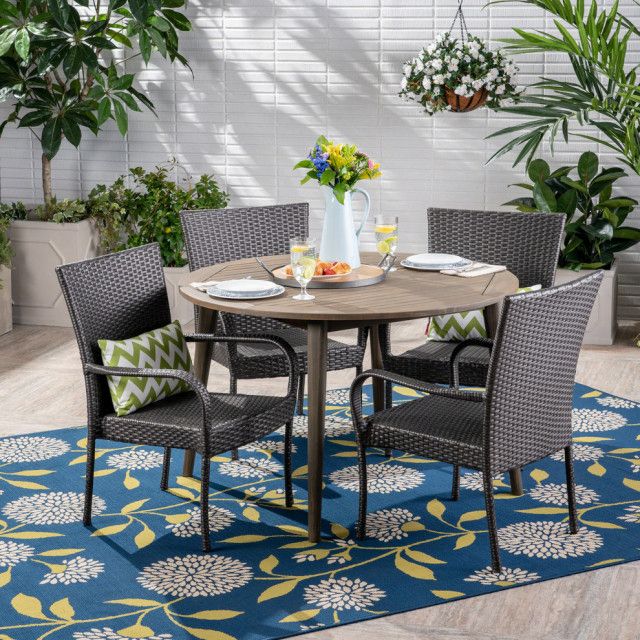
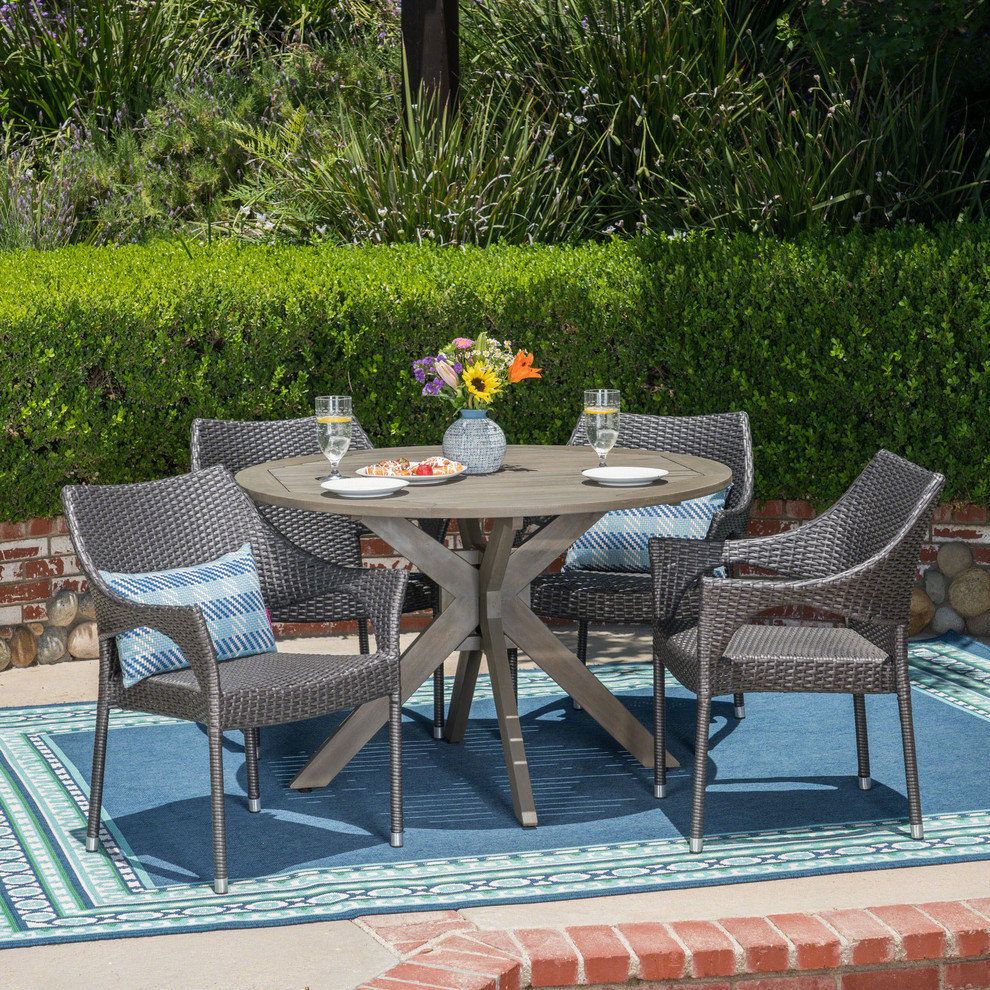
Picture this: the sun is setting, the gentle breeze carries the scent of fresh herbs, and your outdoor dining area is ready for a memorable meal. What makes that moment feel effortless isn’t just the food or the view – it’s the furniture that holds everything together. The right outdoor seating can turn a simple backyard meal into a cherished ritual. But choosing the perfect pieces requires more than just picking something that looks nice. It’s about understanding how materials, comfort, and design work together to create spaces that feel both welcoming and durable.
When we think about outdoor dining, many of us picture casual gatherings under the stars or weekend brunches on the patio. But creating a truly comfortable al fresco dining experience goes far beyond just having a table and chairs. It’s about crafting an environment where people want to linger, connect, and enjoy their meals without worrying about weather, discomfort, or aesthetics. The furniture you choose becomes the foundation of that experience. It needs to be functional, resilient, and beautiful all at once. This isn’t just about style – it’s about making people feel at home, even when they’re outside. The secret lies in thoughtful selection, considering everything from material durability to seating ergonomics, and how different elements come together to form a cohesive space. Whether you have a sprawling backyard or a tiny balcony, the principles remain the same: thoughtful choices lead to unforgettable moments.
Understanding Outdoor Furniture Materials
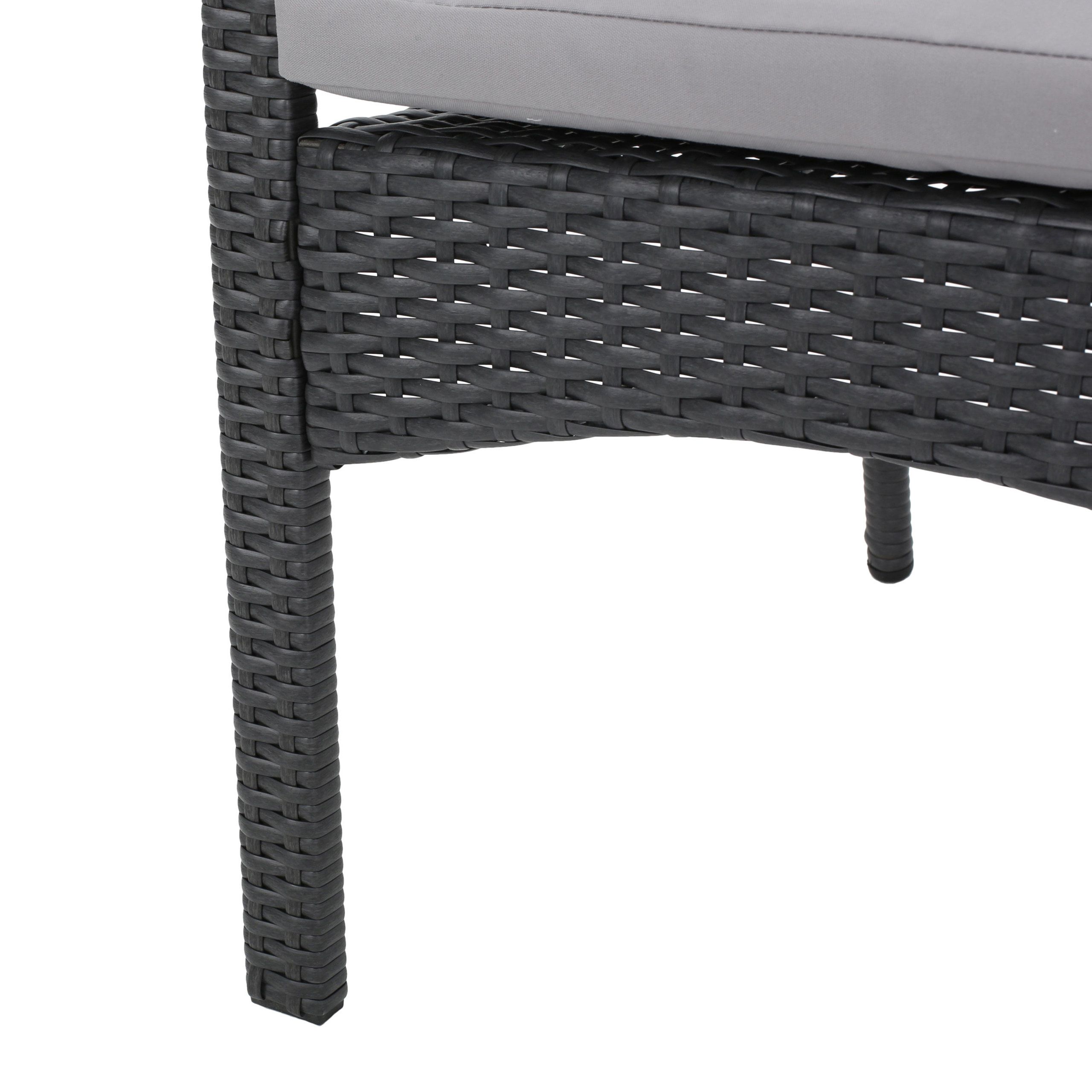
The first step in creating a comfortable outdoor dining space is knowing what materials work best for your environment. Metal frames, particularly aluminum or stainless steel, offer excellent durability and resistance to rust and corrosion. They’re perfect for coastal areas or places with high humidity. On the other hand, teak and cedar wood provide natural beauty and weather resistance, though they require more maintenance over time. Synthetic wicker and resin materials have gained popularity because they mimic the look of natural materials while being much easier to care for. Consider the climate in your area, the amount of sun exposure, and how often you’ll be using the space when selecting materials. A good rule of thumb is to prioritize materials that won’t break down quickly under harsh conditions. For instance, if you live in a place with frequent rain, avoid untreated woods that might warp or split. Also, remember that some materials age gracefully – like weathered teak or oxidized metals – which can add character rather than detract from the overall look. The key is finding a balance between aesthetic appeal and practical longevity.
Seating Comfort and Ergonomics
No matter how beautiful your outdoor dining setup looks, it won’t be enjoyable if the seats aren’t comfortable. Think about how people will actually sit and eat. The seat height should match your table, typically around 18 to 20 inches from the floor to the tabletop. This ensures easy access and prevents back strain during meals. Cushions and padding are crucial – they provide support and make the space feel inviting. Look for outdoor cushions made from fade-resistant fabrics that can handle spills and moisture. The shape of the chair matters too. Some people prefer straight-backed designs for a clean look, while others enjoy curved or rounded seats that hug the body better. Consider whether you want armrests – they can be helpful for stability and comfort, especially for older diners. Also, ensure there’s enough space between seats for people to move freely and open their chairs without bumping into neighbors. A well-designed outdoor dining chair should feel like a cozy extension of your indoor living room. After all, you want people to want to stay longer, not rush through their meals.
Table Selection and Size Considerations
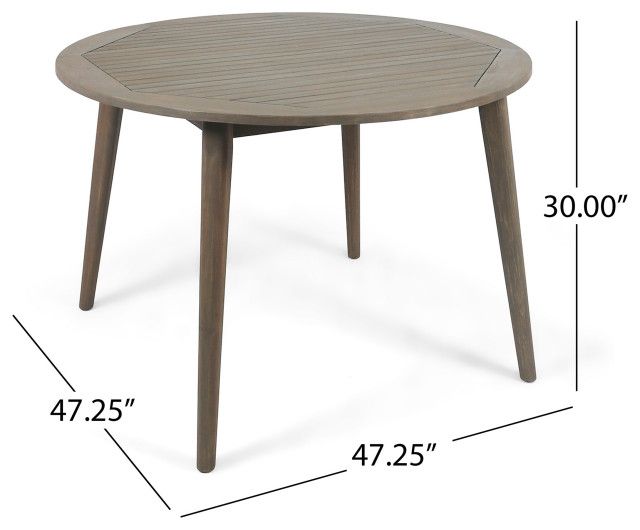
The dining table is the centerpiece of any outdoor dining area, so choosing the right one is essential. First, consider how many people you’ll regularly entertain. A standard four-person table measures about 48 inches wide and 72 inches long, but larger groups may need something bigger. Round tables often work better for smaller spaces and encourage conversation since everyone faces each other. Rectangular tables are great for families or those who prefer more formal settings. Material choice for tables follows similar principles as chairs – durability and weather resistance are key. Glass tops can create a light, airy feeling, but they’re fragile and can be slippery when wet. Wood tables offer warmth and classic appeal, but they need protection from moisture and UV rays. Metal tables are tough and low-maintenance, though they might conduct heat in direct sunlight. Always think about storage too – some tables fold or stack, making them ideal for small spaces or seasonal use. The table should feel substantial enough to hold dinnerware and drinks, yet not so heavy that it’s impossible to move around. A table that’s too large for the space can make the whole area feel cramped and unwelcoming.
Lighting and Ambiance Elements
While daytime outdoor dining feels magical, evening experiences can be equally enchanting with the right lighting. String lights or lanterns create a warm glow that transforms a simple patio into a romantic setting. Solar-powered options are convenient and environmentally friendly, while battery-operated alternatives offer more control over placement and timing. Candles, whether real or LED, add a touch of elegance and intimacy to the atmosphere. Consider layering different types of lighting – ambient lighting from overhead fixtures, task lighting for reading or working, and accent lighting to highlight architectural features or plants. The type of lighting you choose should complement your furniture and overall style. For example, modern outdoor dining areas might feature sleek pendant lights, while rustic spaces benefit from vintage-style lanterns or Edison bulb fixtures. Don’t forget about practical aspects like ensuring adequate illumination for safety and visibility. The right lighting can make a difference between a space that feels unfinished and one that feels like a destination. It’s not just about brightness – it’s about creating mood and encouraging guests to stay longer.
Storage Solutions and Practical Features
Outdoor dining furniture often needs to accommodate more than just eating – it should also handle storage, cleaning, and seasonal changes. Built-in storage options in tables or benches can keep napkins, utensils, and other essentials within reach. Consider whether you want removable covers for your seating, which can protect furniture from weather when not in use. Some outdoor dining sets come with matching side tables or storage units that help organize everything neatly. Look for features like built-in cup holders, side pockets, or even integrated charging ports for phones. These details might seem small, but they significantly improve usability. Weatherproof storage solutions keep your furniture safe and looking new year-round. For those with limited space, consider modular furniture that can be reconfigured seasonally or rearranged as needs change. The goal is to create a system where everything has its place and everything works together harmoniously. Practicality shouldn’t compromise style, though – you can find elegant storage solutions that enhance rather than detract from your overall design vision. Think about how often you’ll use the space and what adjustments might be necessary over time.
Seasonal Adaptation and Maintenance Tips
Creating a lasting outdoor dining experience means preparing for changing seasons and maintaining your furniture properly. During winter months, many outdoor dining sets need protection or storage to prevent damage from freezing temperatures or harsh weather. Covers designed specifically for your furniture type can extend lifespan considerably. Regular cleaning with appropriate products helps maintain appearance and prevents buildup of dirt, salt, or mildew. For wooden pieces, periodic treatments with protective oils can preserve their natural beauty. Metal furniture may need occasional inspection for signs of rust or wear. Consider investing in a quality maintenance kit that includes cleaners, protectants, and repair supplies. Some outdoor dining furniture is designed with seasonal versatility in mind – like adjustable height tables that can work for both summer and winter use. Understanding how your specific pieces perform in different conditions allows you to make informed decisions about replacements or upgrades. The investment in proper care pays off in extended life for your furniture and continued enjoyment of your outdoor dining space. Remember, taking care of your outdoor furniture is like tending to a garden – consistent attention leads to long-term satisfaction.
Creating a comfortable al fresco dining experience is ultimately about making people feel at ease while enjoying the outdoors. It’s not just about having a table and chairs, but about curating every element to support the experience. From selecting durable materials that withstand the elements to choosing seating that promotes conversation and comfort, each decision contributes to the overall feel of your outdoor space. Lighting adds magic after dark, while practical features and seasonal considerations ensure your setup remains functional year-round. The most successful outdoor dining areas are those where the furniture feels like a natural part of the environment rather than an afterthought. When people sit down to eat, they should feel like they’re part of something special – a place where meals become memories, and where the boundary between inside and outside dissolves. With thoughtful planning and careful selection, your outdoor dining area can become a favorite spot that brings joy to many meals and gatherings. It’s not about perfection – it’s about creating a space where comfort, function, and beauty work together to make every outdoor meal feel like a celebration.