Picture this: You’re standing in your entryway, feeling overwhelmed by clutter and lacking space. Then you spot that perfect console table – suddenly everything feels more organized, more open, and more inviting. That’s the power of choosing the right piece for your space. Console tables aren’t just decorative elements – they’re strategic tools for transforming how you use and feel about your room.
When it comes to interior design, few pieces offer such versatility and practicality as the console table. These elegant yet functional furnishings can completely change how you experience your space, whether you’re dealing with a small apartment or a spacious home. The secret lies not just in finding something pretty, but in understanding how to maximize every inch of available area. A well-placed console table can make a tiny entryway feel grand, or transform a dull hallway into a sophisticated focal point. But what exactly makes a console table work its magic? It’s all about thoughtful selection, smart placement, and understanding the fundamental principles of space optimization.
Understanding Console Table Dimensions
Before you even think about style, you need to know your space. Measuring your area accurately is crucial, especially when working with limited square footage. A console table that looks stunning in a large living room might overwhelm a narrow entryway. Start by taking precise measurements of the wall space where you plan to place it. Consider the width of the area, but also think about how much clearance you’ll need for walking space. The golden rule? Leave at least 18 inches of clearance on either side of the table for easy movement. For smaller spaces, look for slim profiles that don’t dominate the visual field. Think about proportions – if you have a high ceiling, a taller console might complement the space beautifully. But in a low-ceiling room, keep things shorter and more compact. This attention to scale prevents the table from making your space feel cramped or unbalanced.
Choosing the Right Style for Your Space
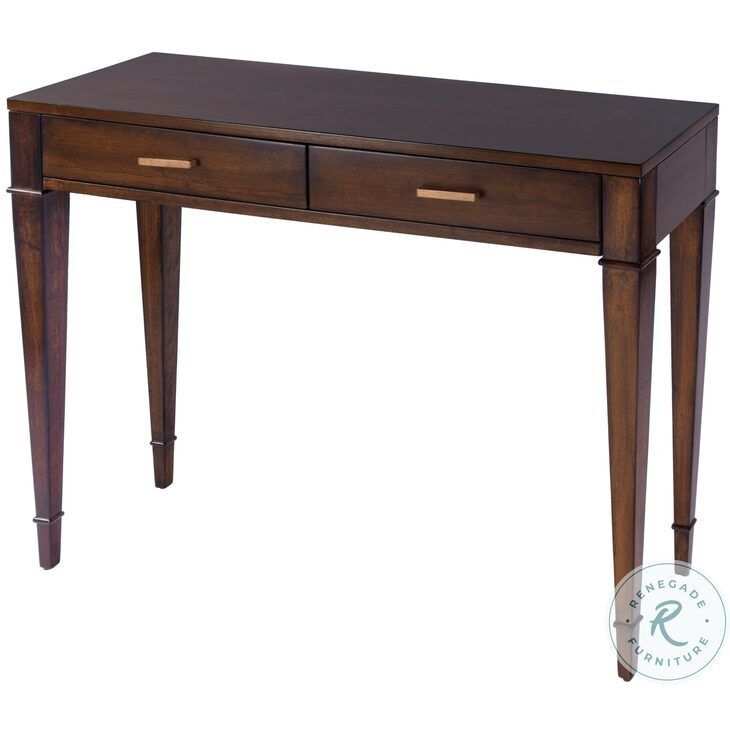
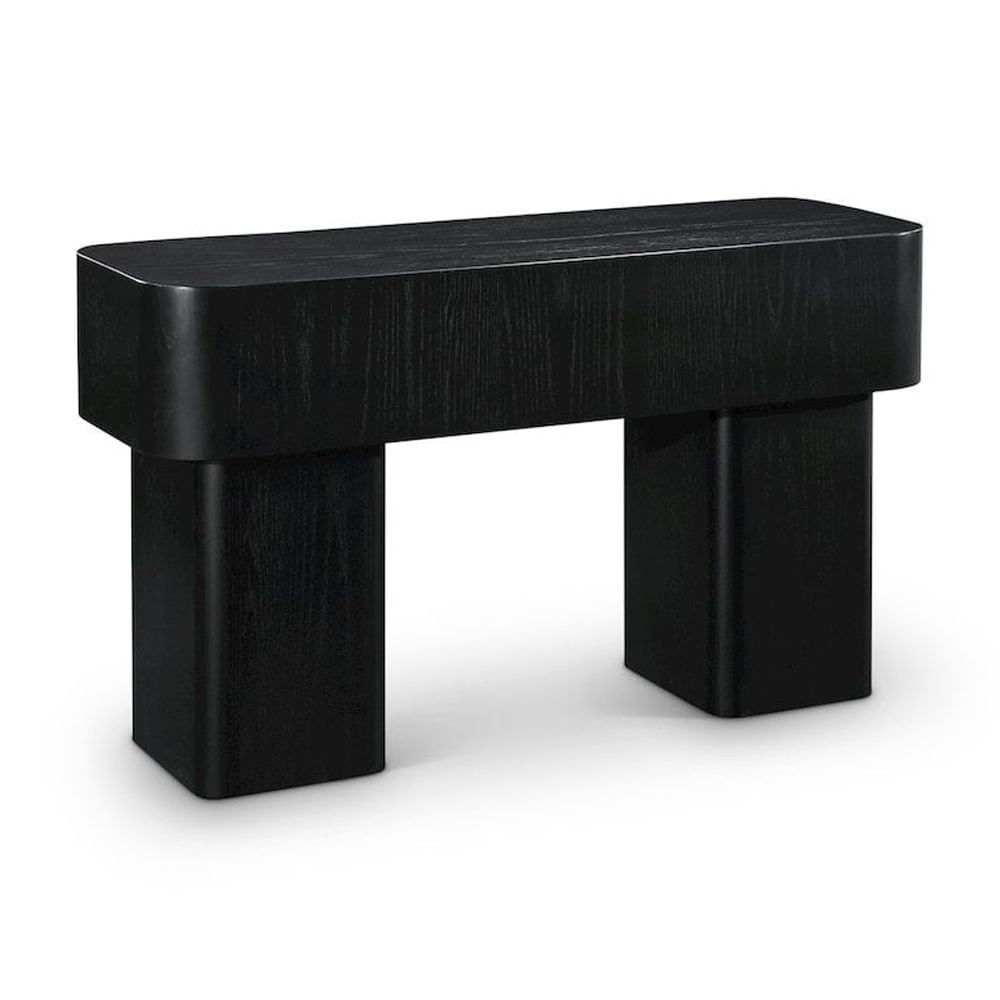
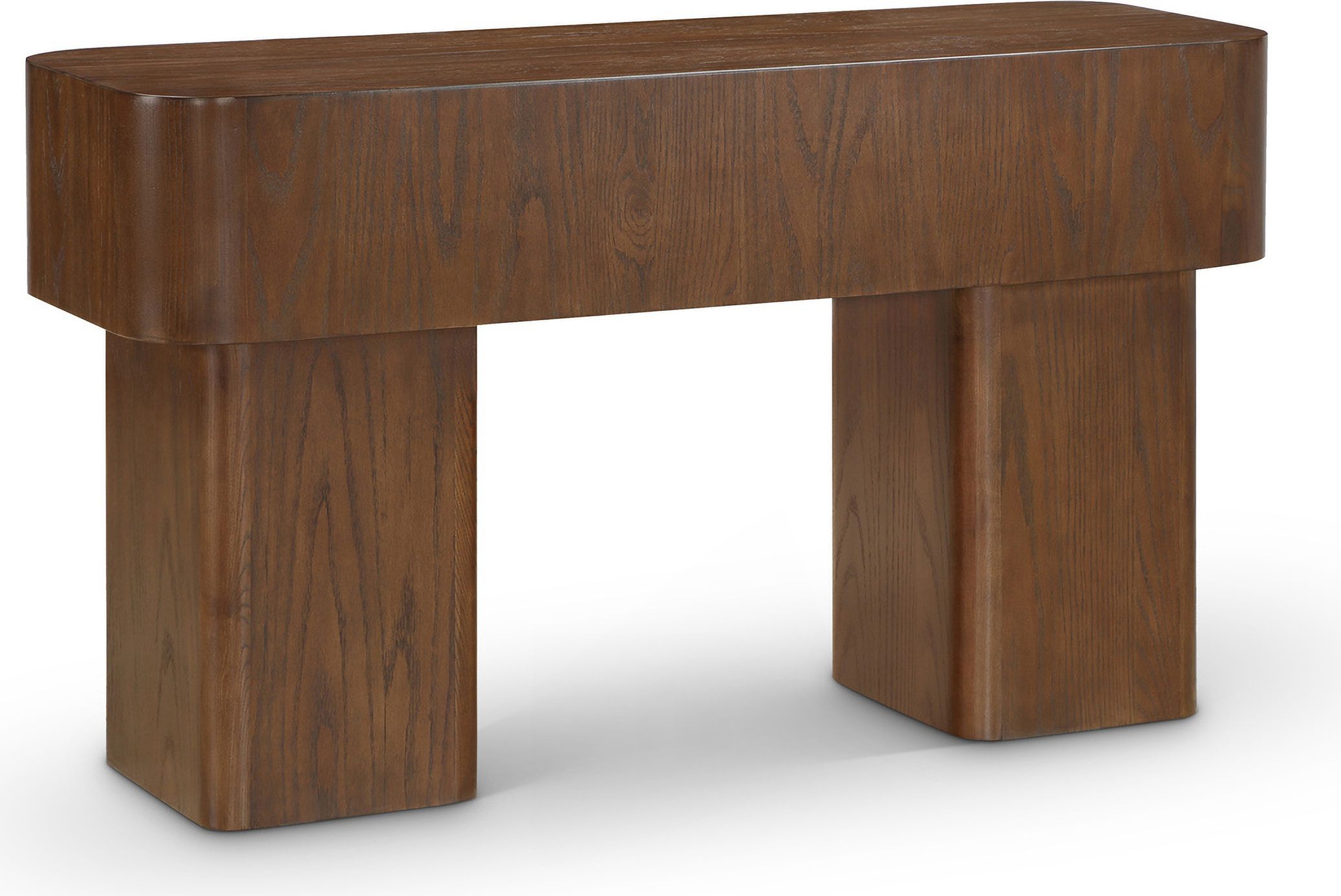
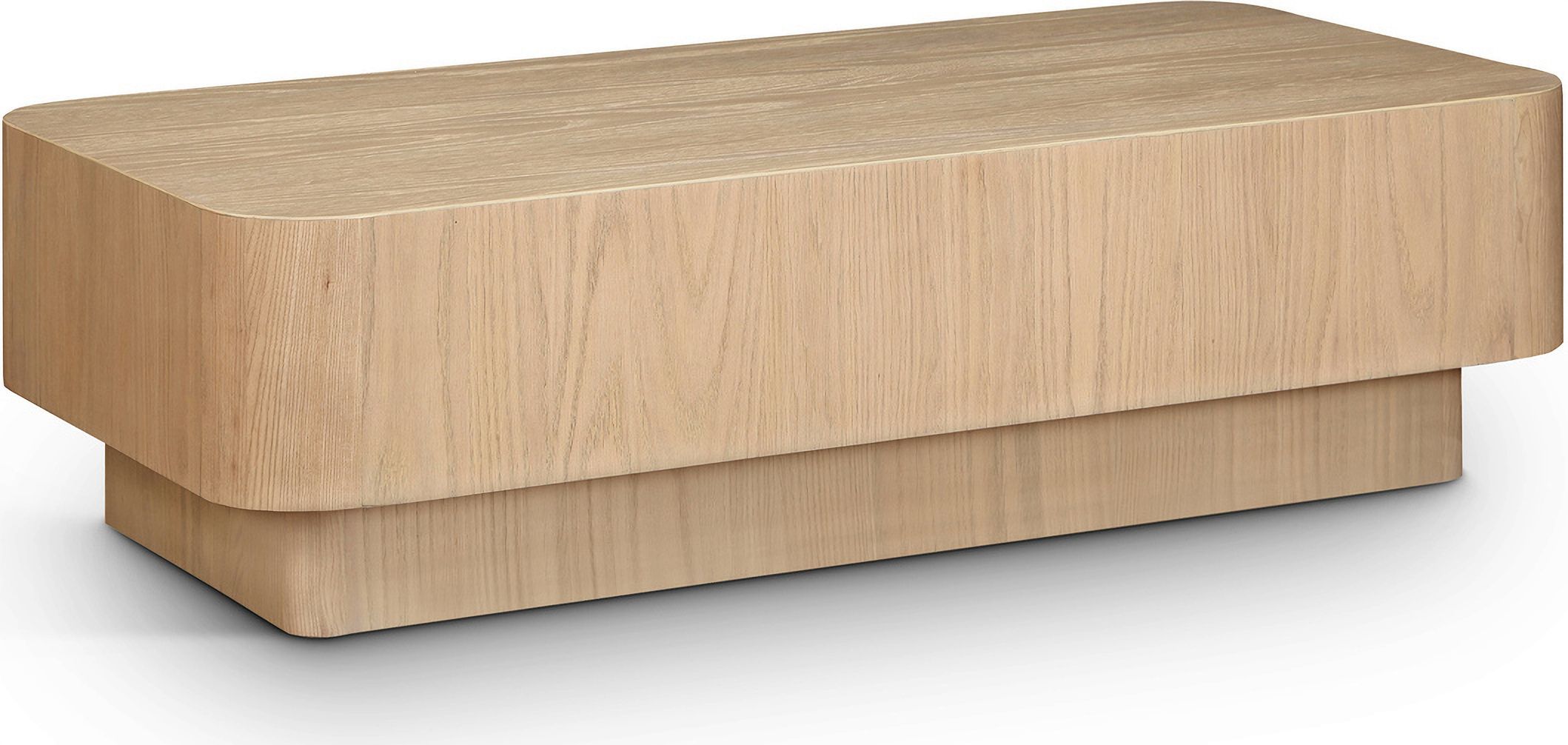
Style matters more than you might expect when maximizing space. Modern minimalist designs often work best in small areas because they emphasize clean lines and simplicity. A sleek, low-profile console table can make a narrow hallway feel more spacious. On the other hand, traditional pieces with ornate details might be better suited for larger rooms where they can breathe and showcase their craftsmanship. Consider the overall aesthetic of your space. If your home features rustic elements, a wooden console table with natural imperfections will blend seamlessly. For contemporary settings, metal or glass pieces often provide the perfect contrast. Don’t overlook the importance of matching your console table to existing furniture styles. A mismatched piece can create visual chaos, making your space feel less organized and more cluttered. The key is balance – the table should enhance rather than compete with other elements in the room.
Smart Storage Solutions
One of the biggest advantages of console tables is their storage potential. Many people overlook this aspect entirely, focusing only on the surface area. But a cleverly designed console table can hold everything from keys and mail to books and decorative objects while keeping them organized. Look for pieces with drawers, cabinets, or shelves built into the design. These hidden compartments can store seasonal items, extra linens, or office supplies without adding visual bulk. Consider multi-functional options like tables with built-in charging stations or trays that can be moved for different purposes. The goal isn’t just to fill the space, but to create a system that works with your lifestyle. Think about what you actually use daily versus what you keep stored away. This distinction helps determine the ideal storage configuration for your specific needs. For instance, a console table in a dining room might benefit from deeper drawers for serving dishes, while an entryway version could focus on smaller compartments for keys and small accessories.
Strategic Placement Techniques
Where you place your console table can make or break its effectiveness. The most common mistake is putting it directly in front of a door or window, which creates a visual barrier and blocks natural light. Instead, consider placing it against a wall where it won’t interrupt traffic flow. In hallways, position the table so it’s flush with one wall, creating a sense of continuity rather than interruption. For entryways, place it behind the door frame or at the end of a walkway to create a welcoming transition. The height of placement also matters – if you’re using it as a functional piece, ensure it’s at a comfortable working height for daily tasks. Consider how the table interacts with other furniture in the room. It should complement rather than compete with adjacent pieces. A console table placed too close to a sofa might make the seating area feel cramped. Instead, leave enough distance so that people can move freely around the space. Sometimes, the best location isn’t immediately obvious – experiment with different positions until you find what feels right for your unique layout.
Lighting and Visual Impact
Lighting plays a crucial role in how your console table appears and functions. Natural light can dramatically change the perception of space, so consider how your table will look during different times of day. A console table with a dark finish might look heavy and oppressive in dim lighting, but appear elegant and airy in bright conditions. Strategic placement of lighting fixtures can highlight the table’s best features while reducing shadows that might make the space feel smaller. Consider adding a small lamp or sconce near the table to create ambient lighting that draws the eye upward and makes ceilings appear higher. The reflection properties of materials matter too – mirrors or glossy surfaces can bounce light around the room, creating the illusion of more space. Some designers prefer to place a single statement light fixture above the console table, which creates a visual anchor and draws attention upward rather than across the floor. This simple change can make a small room feel more expansive and sophisticated.
Maintaining Balance and Flow
A successful console table arrangement requires careful attention to balance and flow within the entire room. Too many visual elements can overwhelm the space, while too few can make it feel empty and uninviting. The key is creating visual harmony through thoughtful composition. If you have a large console table, consider balancing it with a complementary piece on the opposite wall. This creates a sense of equilibrium that makes the room feel more stable and intentional. Pay attention to the weight distribution – if your table is heavy and substantial, balance it with lighter elements like artwork or plants on the walls. Conversely, a delicate table might benefit from heavier accents nearby to prevent the space from feeling fragile. The concept of negative space is important too – leaving some areas of the wall unadorned allows the eye to rest and prevents visual fatigue. Remember that the table itself should be just one part of a larger design story, not the sole focus of attention.
Maximizing space with a well-chosen console table isn’t just about finding something that looks good – it’s about creating a functional, beautiful solution that enhances your daily life. When you approach the selection process with careful consideration of dimensions, style, storage needs, and placement, you’re not just buying furniture; you’re investing in a smarter way to live. The right console table becomes a bridge between form and function, helping you make the most of every square foot while maintaining the aesthetic you desire. Whether you’re working with a tiny apartment or a spacious home, the principles remain the same: measure carefully, choose thoughtfully, and place strategically. With these guidelines in mind, you’ll discover that even the smallest spaces can become more organized, more inviting, and more functional. The magic happens when you let your console table do more than just sit – when you allow it to define the flow of your space and support your lifestyle in ways you never imagined possible.