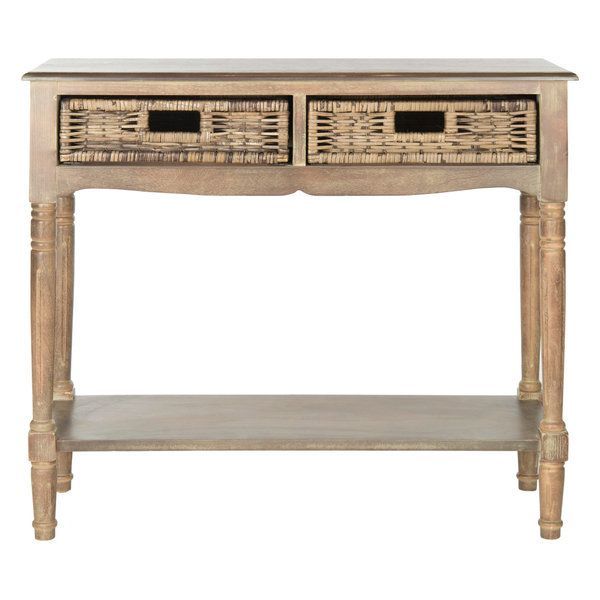
Imagine walking into a room where ornate geometric patterns dance across sleek contemporary surfaces, where centuries-old artistic traditions whisper stories through carefully crafted furniture. This isn’t just about aesthetics—it’s about preserving cultural heritage while embracing modern living. Persian design, with its deep-rooted history and sophisticated visual language, continues to inspire today’s furniture makers and homeowners alike. The marriage between traditional Persian artistry and modern furniture represents more than just style; it’s a celebration of cultural continuity and creative evolution.
When you think of Persian design, images of intricate carpets, ornate tiles, and detailed metalwork probably come to mind. But what happens when these timeless aesthetic principles meet the demands of contemporary living? The result is something truly remarkable—a harmonious blend that honors the past while serving present-day needs. Persian design isn’t merely decorative; it’s deeply rooted in mathematical precision, symbolic meaning, and centuries of artistic refinement. Today, we see this ancient wisdom translated into modern furniture pieces that speak to both our aesthetic sensibilities and practical requirements. Whether it’s a dining table adorned with traditional motifs or a coffee table that echoes the elegance of Persian architectural elements, these pieces carry forward a rich cultural narrative.
Historical Foundations of Persian Design
Persian design draws from millennia of artistic tradition spanning over two thousand years. The Persians developed their distinctive visual language through a combination of Islamic geometric principles, pre-Islamic Persian symbolism, and influences from neighboring cultures. These designs weren’t created arbitrarily—they followed strict mathematical rules that ensured harmony and balance. Think about how a simple circle could represent the universe, or how specific geometric patterns might symbolize different aspects of life. The famous Persian carpet weaving techniques, for instance, required understanding of complex mathematical relationships to create seamless patterns that could span entire rooms. These foundational concepts naturally evolved into furniture design, where the same principles of proportion, symmetry, and symbolic meaning found expression in wooden tables, chairs, and storage solutions. Even today, many contemporary designers still study these historical patterns to understand how they can be adapted for modern contexts.
Key Visual Elements in Persian Furniture
What makes Persian-inspired furniture instantly recognizable? It’s not just about the materials used, though handcrafted wood and metal are essential components. The real magic lies in the recurring visual motifs that define this aesthetic. Geometric patterns dominate Persian design, featuring stars, polygons, and interlocking shapes that create optical illusions of movement and depth. Floral motifs also play a significant role, often stylized into elegant forms that appear almost abstract yet retain their organic essence. These elements aren’t simply painted or carved onto surfaces—they’re integrated into the very structure of the furniture. Consider how a chair back might echo the pattern of a Persian rug, or how a table’s legs might incorporate the same mathematical proportions found in ancient Persian architecture. The beauty of these pieces lies in their ability to transform functional objects into works of art that tell stories of cultural heritage.
Materials and Craftsmanship Traditions
Traditional Persian furniture craftsmanship relies heavily on natural materials and time-honored techniques passed down through generations. Woods like walnut, oak, and teak provide the foundation, each chosen for both durability and aesthetic qualities. These materials aren’t merely used for structural purposes—they’re selected based on how they’ll respond to traditional carving techniques and finish processes. Metalwork, particularly brass and copper, adds both strength and visual appeal to furniture pieces. The artisans who work with these materials possess deep knowledge of how different woods react to moisture, temperature changes, and finishing treatments. They understand that a well-crafted Persian-style table will age gracefully, developing a patina that enhances rather than detracts from its beauty. Many contemporary makers still employ these same techniques, combining traditional craftsmanship with modern manufacturing methods to produce furniture that maintains both authenticity and functionality.
Modern Interpretations and Design Evolution
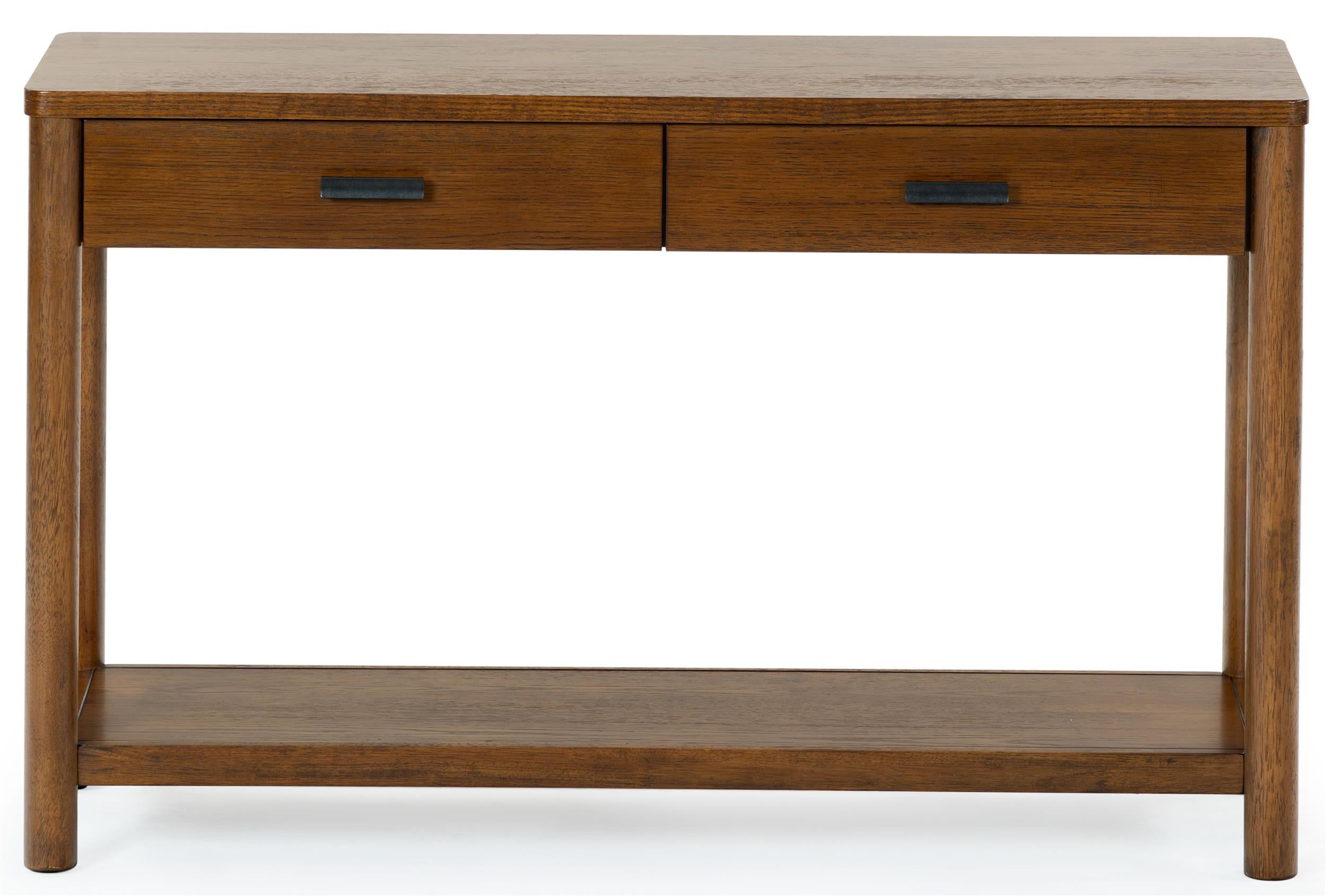
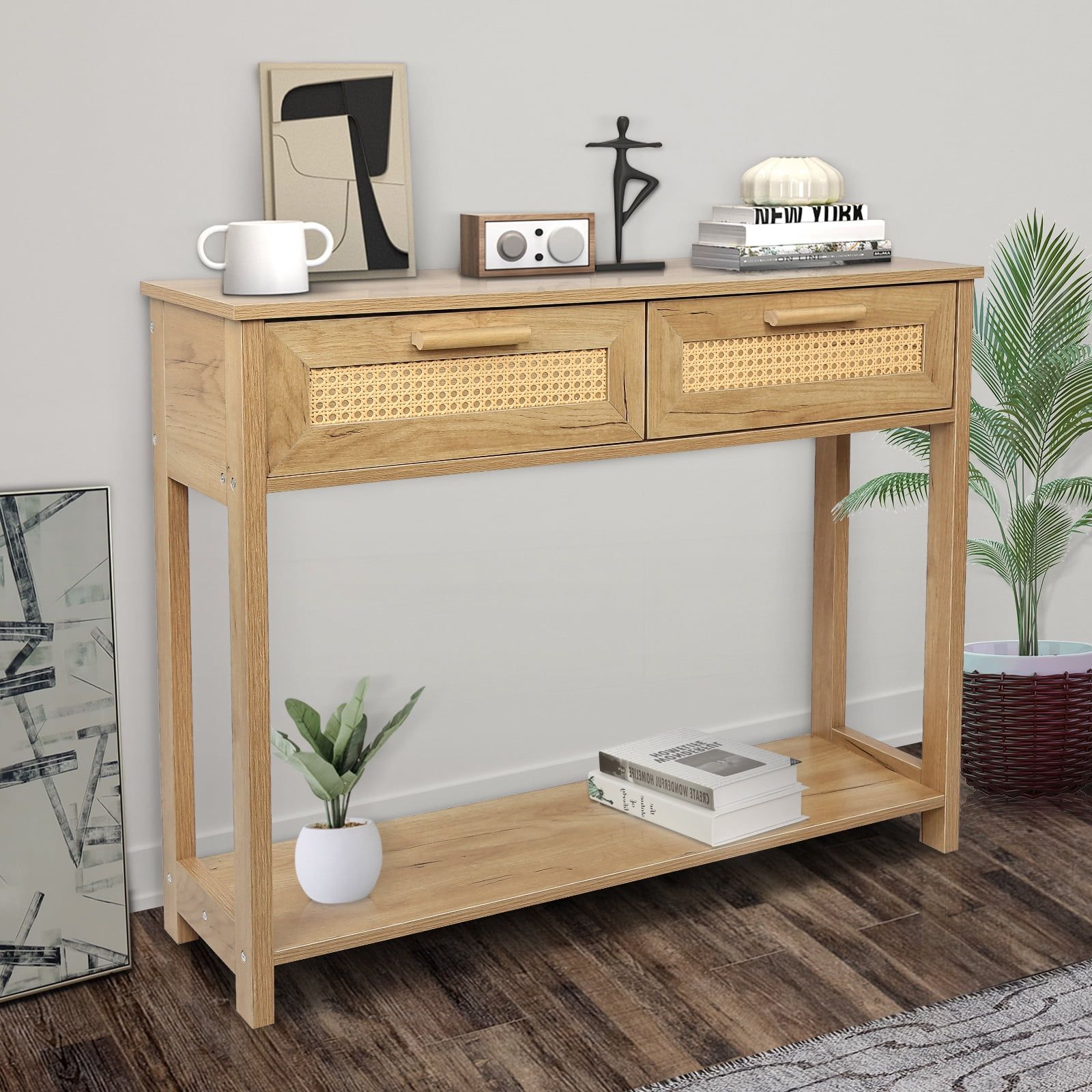
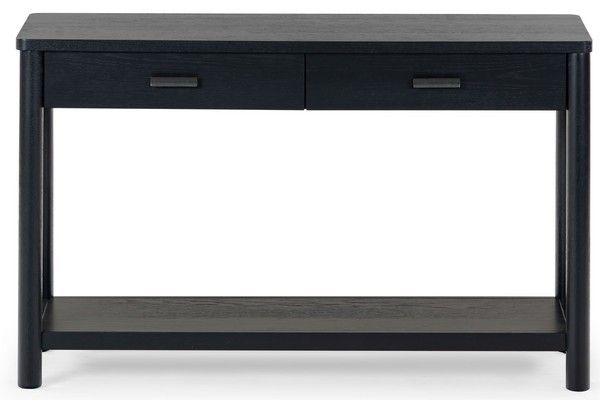
Today’s furniture makers face the challenge of respecting traditional design principles while meeting contemporary needs. The key lies in understanding which elements can be adapted without losing their essential character. Modern Persian-inspired furniture often features simplified versions of traditional patterns, making them more suitable for smaller spaces or minimalist design schemes. The geometric elements might be reduced to clean lines or incorporated into subtle details rather than bold statements. Yet even these simplified versions retain the mathematical precision that makes Persian design so compelling. Designers also consider how these pieces fit into current lifestyles—how they’ll be used, how they’ll age, and how they’ll interact with other furniture in a room. This evolution doesn’t diminish the cultural significance; instead, it ensures that these beautiful traditions remain relevant for future generations.
Cultural Symbolism and Meaning
Beyond their visual appeal, Persian furniture carries deep symbolic weight. Each pattern, color, and motif tells part of a larger story about Persian culture and values. For example, certain geometric arrangements might represent concepts of infinity or cosmic order. Floral patterns often symbolize growth, renewal, and the beauty of nature. Colors themselves hold significance—deep reds might represent passion or prosperity, while gold accents suggest wealth and divine favor. When you sit at a Persian-inspired table or admire a chair with traditional motifs, you’re not just experiencing beautiful design—you’re connecting with centuries of cultural meaning. This symbolic layer adds depth that makes these pieces more than just furniture; they become heirlooms that carry cultural narratives forward. Understanding these meanings helps appreciate why such pieces have endured through centuries of changing tastes and trends.
Practical Applications in Contemporary Homes
So how do you actually bring Persian-inspired furniture into your home without overwhelming the space? The key is balance. Start with one statement piece—a dining table with traditional patterns or a side table with geometric details—and build around it. These pieces work especially well in rooms with neutral backgrounds, allowing their rich patterns and colors to shine. Consider how the scale of the furniture relates to your space—larger patterns work better in spacious rooms, while smaller motifs might be more appropriate for intimate settings. Many homeowners find success in mixing Persian elements with other design styles, creating eclectic spaces that feel both curated and comfortable. The versatility of Persian design means it can complement everything from Scandinavian minimalism to industrial chic. What matters most is ensuring that the pieces you choose reflect your personal taste while honoring the cultural traditions they represent.
The enduring appeal of Persian design in modern furniture reveals much about our collective desire to connect with cultural richness while adapting to contemporary life. These pieces don’t simply decorate spaces—they serve as bridges between past and present, tradition and innovation. Whether you’re drawn to the mathematical precision of geometric patterns, the warmth of handcrafted wood, or the deep cultural meaning embedded in every detail, Persian-inspired furniture offers something special. The secret isn’t in copying old designs exactly, but in understanding their underlying principles and finding ways to express them through modern materials and functions. As we continue to evolve our living spaces, these timeless aesthetic principles remind us that beauty and meaning can coexist beautifully. The artistry of Persian design shows us that true elegance comes not from following trends, but from understanding and honoring the wisdom of those who came before us.