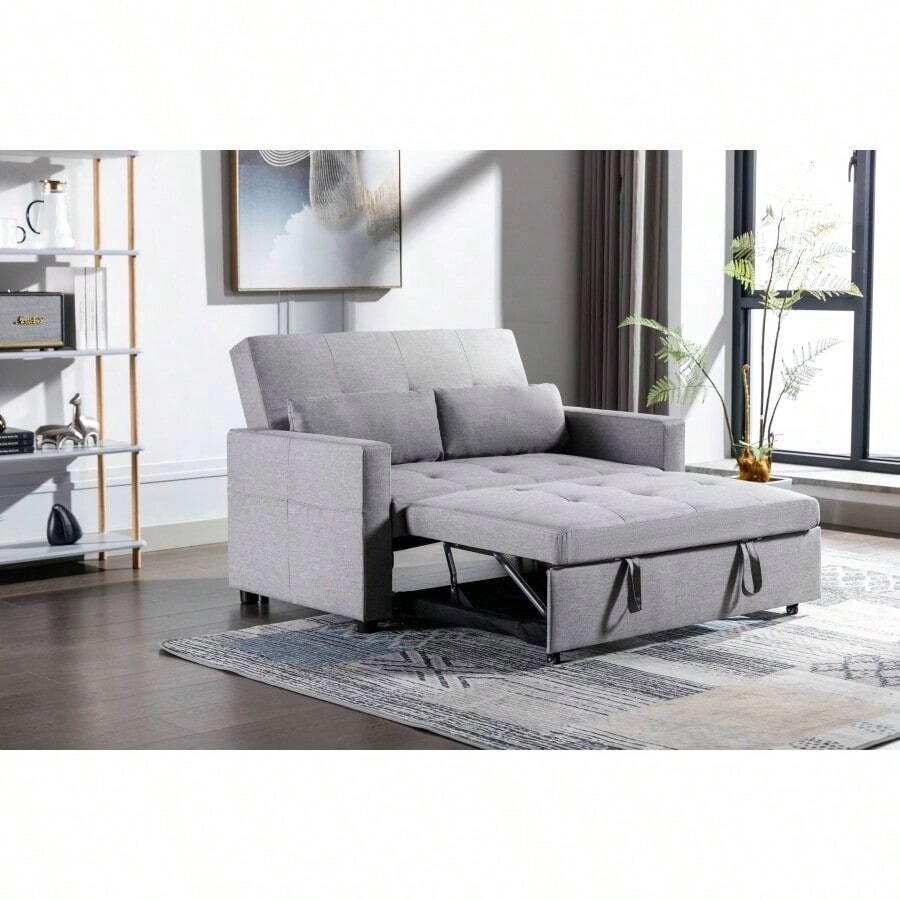
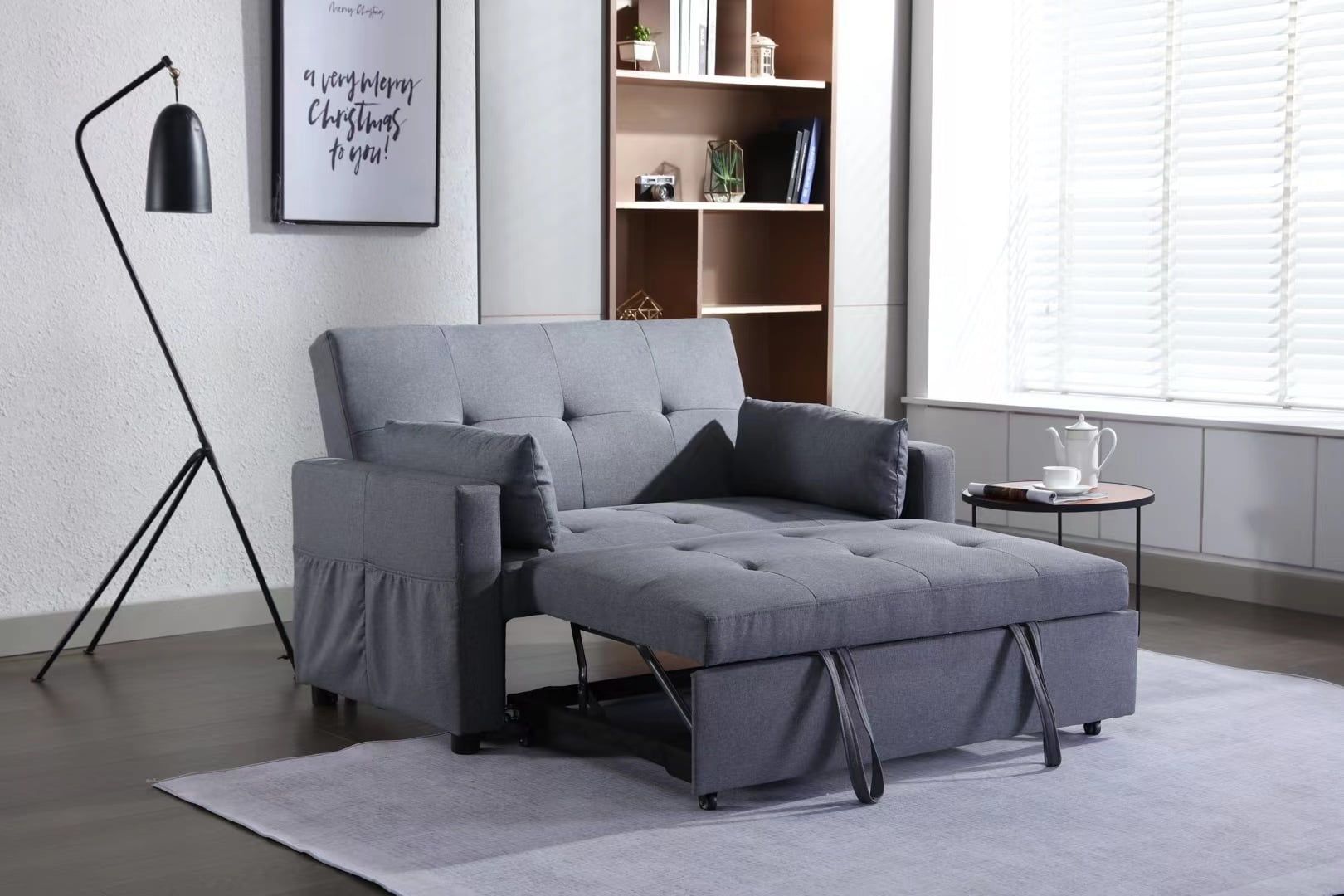
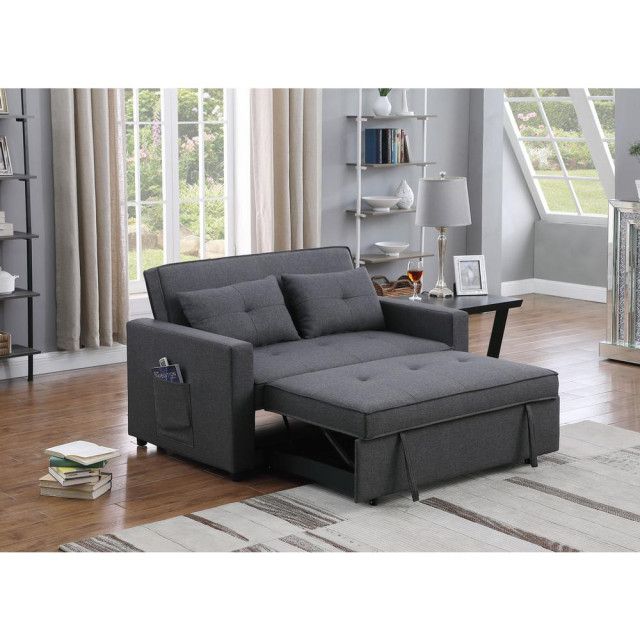
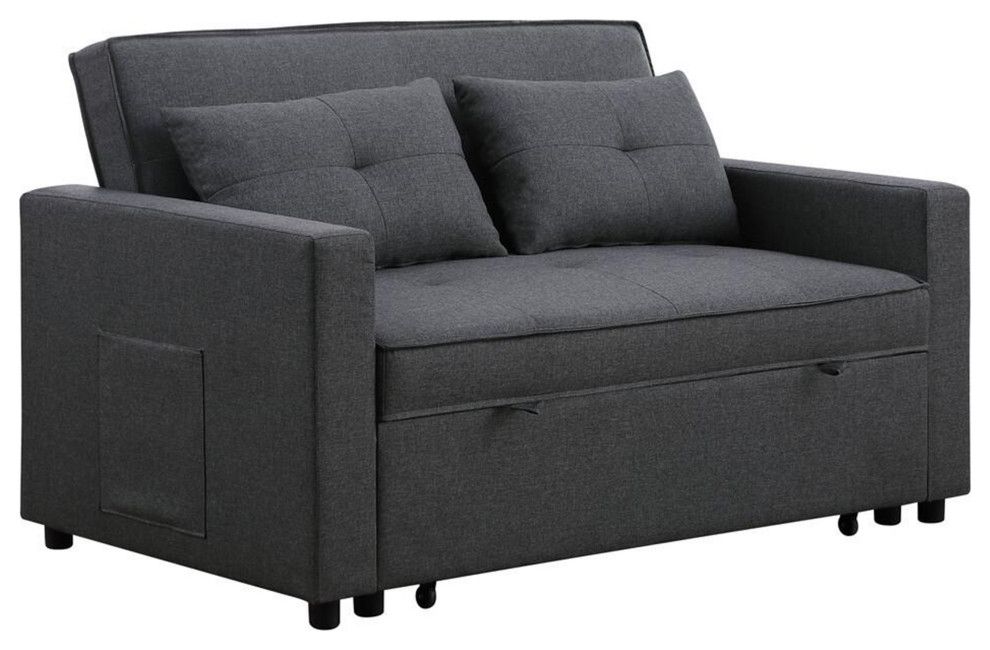
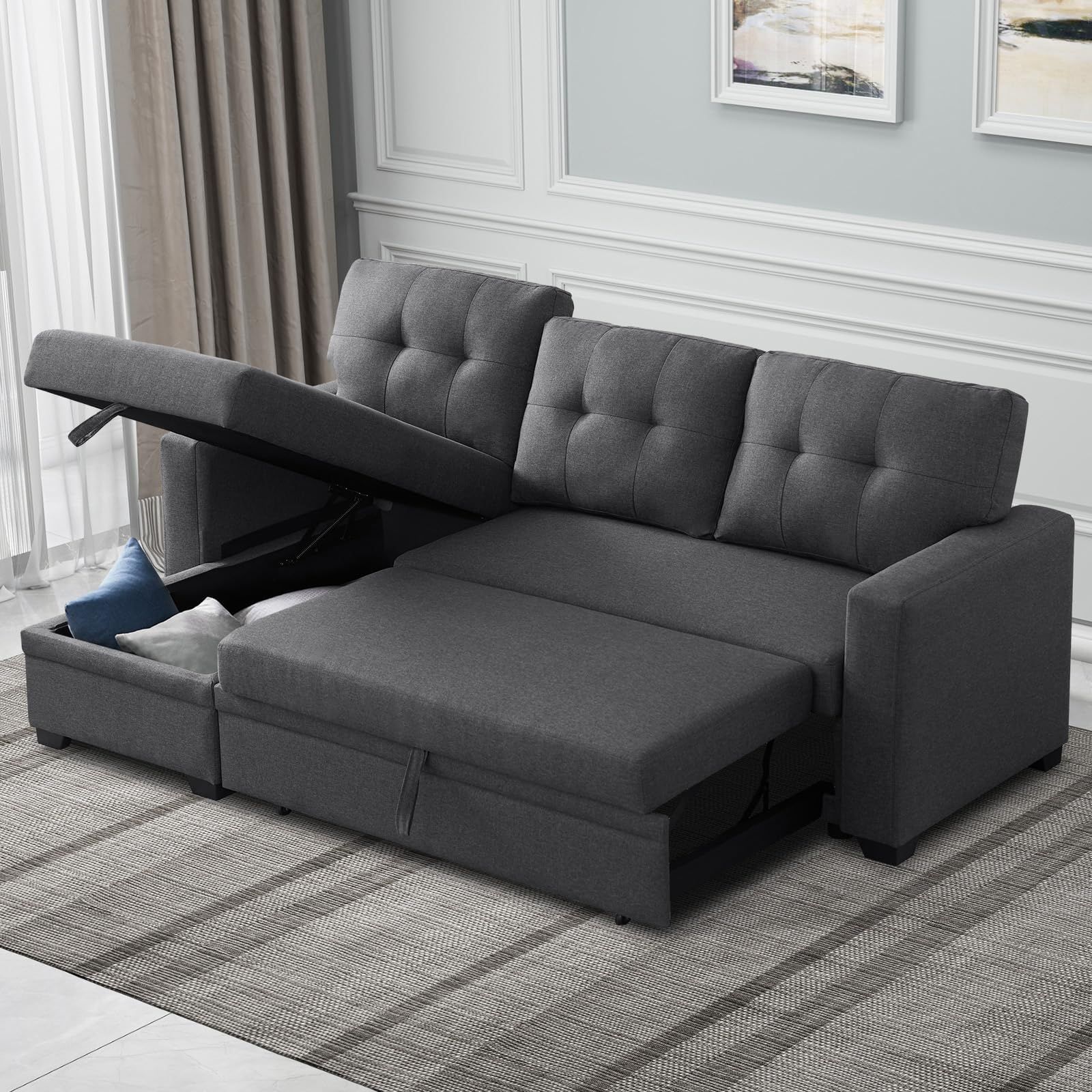
Picture this: your living room is the heart of your home, hosting family gatherings, movie nights, and casual conversations. Now imagine that same space also serving as a guest bedroom when needed. That’s the magic of thoughtful sleeper sofa integration. It’s not just about having a couch that folds out—it’s about creating a seamless flow between comfort and practicality.
Living spaces today demand more than just aesthetic appeal. They need to adapt to our changing lifestyles and accommodate various needs throughout the day. The sleeper sofa has emerged as one of the most versatile solutions for modern homes, especially in smaller spaces where every square foot counts. But designing around a sleeper sofa requires more than just picking a piece that folds. It’s about creating a cohesive environment where form follows function, and where the sleeper sofa becomes an integral part of your daily life rather than an afterthought.
Space Planning Essentials
Before you even think about purchasing a sleeper sofa, you need to map out your available space. Measure everything carefully, including doorways, windows, and any architectural features that might impact placement. Consider the traffic flow in your room. Will people need to walk past the sofa to reach the kitchen? Is there enough room for a coffee table and seating arrangement? These details matter more than you might think.
Think about how the sleeper sofa will fit into your existing furniture layout. A good rule of thumb is to leave at least 36 inches of clearance on either side of the sofa for easy access. Also, consider the room’s primary function versus secondary uses. If your living room doubles as a home office, you’ll want to position the sleeper sofa in a way that doesn’t interfere with workspaces.
For small apartments or studio units, the sleeper sofa often serves as the centerpiece of the room. In these cases, choose a style that complements your existing décor while providing enough visual weight to anchor the space. The key is balance—neither too bulky nor too fragile.
Choosing the Right Size and Style
Sleeper sofas come in many shapes and sizes, each suited to different needs and spaces. The standard length ranges from 72 to 96 inches, but you’ll also find compact options under 72 inches and extended versions over 96 inches. When selecting dimensions, remember that a longer sofa provides more sleeping space but also takes up more room.
Consider the height of your ceiling and the overall scale of the room. A low-profile sleeper sofa works well in rooms with high ceilings, while a taller version might be better for lower ceilings. The depth matters too—most sleeper sofas range from 30 to 40 inches deep, but some models offer extra width for maximum comfort.
Style-wise, there are traditional, contemporary, and transitional options. Traditional designs often feature ornate details and rich fabrics, while contemporary styles tend to be sleeker with clean lines. Transitional pieces blend both worlds, offering versatility for different tastes. Think about how the sofa will look with your existing furniture and whether it will age gracefully over time.
Material and Durability Factors
The materials used in sleeper sofas significantly impact their longevity and appearance. Fabric options vary from easy-care synthetics to luxurious velvets and natural fibers like linen and cotton. Each material offers unique benefits and drawbacks.
Synthetic fabrics like microfiber and performance fabrics are excellent choices for families with children or pets. They resist stains and are generally easier to clean. Natural fibers such as cotton and linen provide a more breathable feel and classic look but may require more careful maintenance.
Leather options, whether genuine or faux, offer a sophisticated appearance and are relatively easy to maintain. However, they can be prone to cracking if exposed to direct sunlight for extended periods. For high-traffic areas, consider reinforced stitching and sturdy frame construction.
Don’t overlook the importance of the mattress quality. A good sleeper sofa should have a comfortable mattress that provides adequate support. Some models feature memory foam, while others use traditional spring mattresses. Test the mattress before purchasing if possible, as comfort levels can vary significantly between brands and models.
Storage Solutions Integration
Smart storage integration makes a huge difference in how well a sleeper sofa fits into your functional living space. Many modern sleeper sofas incorporate hidden storage compartments, allowing you to stash blankets, pillows, and seasonal items without cluttering your room.
Consider built-in shelving or cabinets that complement the sleeper sofa’s design. These can serve multiple purposes—storing books, decorative objects, or even extra bedding. The key is to maintain visual harmony while maximizing utility.
For smaller spaces, vertical storage solutions become particularly valuable. Wall-mounted shelves above the sleeper sofa can display artwork or keep frequently used items within reach. Under-sink storage or ottoman-style storage units can also be incorporated into the design.
Think about how you currently organize your belongings. What items do you need to access regularly? Where do you store things that aren’t used daily? Incorporating these storage needs into your sleeper sofa design prevents future headaches and keeps your space feeling organized.
Lighting and Ambiance Considerations
Good lighting transforms a room from merely functional to truly inviting. When planning your sleeper sofa setup, consider how natural light flows through the space and how artificial lighting can enhance both daytime and evening experiences.
Task lighting is essential near the sleeper sofa area. This might include a floor lamp or table lamp for reading or working late into the evening. The light should be adjustable and bright enough for detailed activities without being harsh on the eyes.
Ambient lighting creates the mood of the room. Recessed ceiling lights, chandeliers, or wall sconces can provide general illumination. Dimmer switches allow you to adjust the atmosphere depending on the time of day or activity.
Accent lighting highlights specific features of the sleeper sofa or surrounding decor. LED strips underneath the sofa or along the backrest can add visual interest and create a cozy atmosphere during evening hours.
Consider the placement of outlets and switches. You’ll want easy access to power sources for charging devices or running small appliances. Planning ahead helps avoid the frustration of extension cords or awkward positioning later.
Flow and Accessibility Planning
A well-designed sleeper sofa setup allows for smooth movement throughout the room. This means considering not just where the sofa sits, but also how people move around it. The path from the entrance to the kitchen, dining area, or other functional zones should remain unobstructed.
If you plan to use the sleeper sofa as a guest bed, ensure there’s adequate space for someone to get in and out comfortably. This includes clearance around the sides and front of the sofa. A minimum of 18 inches of clear space is recommended for easy access.
Think about the frequency of use. How often will the sofa be converted from seating to sleeping? Will you need to move it occasionally for cleaning or rearranging? These factors influence where you place the sofa and what type of base or foundation you choose.
The placement should also consider privacy. If the sleeper sofa is positioned near a window or doorway, you might want to add a screen or curtain to provide visual separation when needed. This creates a sense of defined spaces within an open-plan environment.
Practical Tips for Real-Life Implementation
Here are some actionable strategies that can make your sleeper sofa integration successful:
• Start with a clear vision of how you want to use the space. Will it primarily be a living room, or does it double as a guest bedroom?
• Choose a sleeper sofa that matches your lifestyle. Families with young children might prefer durable, easy-clean fabrics, while professionals might prioritize aesthetics and comfort.
• Always measure twice and buy once. Take precise measurements of the space and the sofa dimensions to avoid costly mistakes.
• Consider the room’s color palette and existing furniture. The sleeper sofa should complement rather than compete with your current décor.
• Test the conversion process before finalizing your purchase. Sit on the sofa in both positions to ensure comfort and ease of use.
• Plan for accessories that enhance functionality without overwhelming the space. Throw pillows, blankets, and decorative elements should support rather than distract from the main purpose.
• Don’t forget about maintenance. Choose materials and finishes that align with your cleaning routine and lifestyle habits.
Designing functional living spaces with sleeper sofas is ultimately about creating environments that serve you well beyond their basic function. It’s about choosing pieces that reflect your lifestyle while adapting to your changing needs. The key lies in thoughtful planning, careful consideration of materials and dimensions, and a commitment to maintaining both beauty and usability.
Remember, the best sleeper sofa integration isn’t about sacrificing style for function—it’s about finding ways to make both work together harmoniously. Whether you’re renovating a new space or updating an existing room, these principles can guide you toward a solution that feels right for your life. The goal isn’t just to have a sleeper sofa; it’s to have a space that genuinely supports how you live, work, and relax. With proper planning and attention to detail, your living room can become the most versatile and comfortable area in your home.