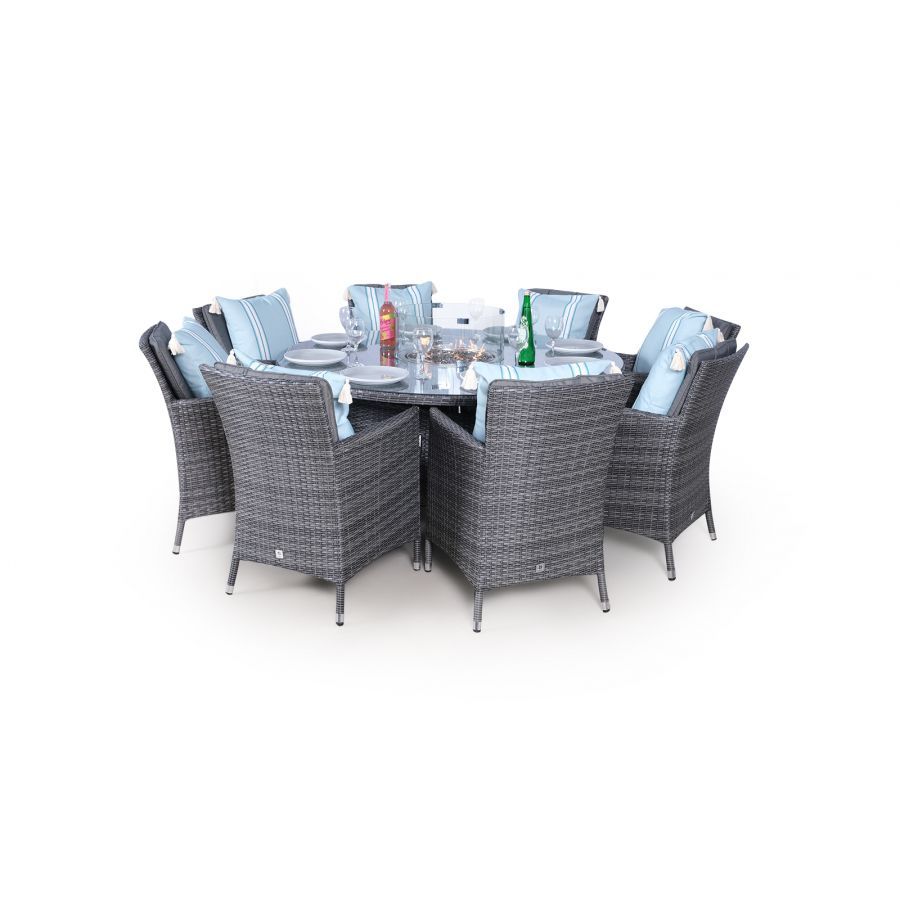
There’s something deeply satisfying about combining natural materials in outdoor design. When wicker meets wood, you get a partnership that speaks to both comfort and durability. These materials have been used together for generations, creating spaces that feel both inviting and built to last. Think about it – the warmth of wood against the gentle flexibility of wicker creates an outdoor atmosphere that feels like a cozy hug from nature itself.
Outdoor living spaces have evolved far beyond simple patios or decks. Today’s homeowners want areas that feel like extensions of their homes – spaces where they can relax, entertain, and truly connect with the outdoors. The combination of classic wicker and wood stands out as one of the most successful approaches to achieving this balance. These materials work together in ways that feel both sophisticated and effortless. You might find yourself wondering why more people don’t embrace this pairing, when it offers such incredible versatility and timeless beauty. The secret lies in understanding how these two materials complement each other, and how they can be used to create different moods and functions within outdoor spaces.
The Natural Harmony of Wicker and Wood
What makes wicker and wood such a perfect match? It’s the way they naturally complement each other’s characteristics. Wood provides structure, warmth, and a sense of permanence, while wicker adds flexibility, texture, and comfort. Together, they create a visual rhythm that feels organic and unforced. Consider how the grain patterns in wood contrast beautifully with the woven textures of wicker. This contrast creates visual interest without overwhelming the space. The natural variations in both materials mean no two pieces look exactly alike, giving your outdoor area a unique character that develops over time. When you see this combination in well-designed spaces, it’s easy to understand why it remains popular across different styles and cultures.
Choosing Quality Materials
Not all wicker and wood are created equal. When selecting materials for outdoor use, quality matters more than anything else. Look for weather-resistant wicker options like synthetic rattan or high-grade natural wicker treated for outdoor conditions. The wood should be properly sealed or treated to handle moisture and sun exposure. Here are some key factors to consider:
• Wicker durability: Synthetic wicker holds up better in harsh weather
• Wood treatment: Cedar and teak are excellent choices for outdoor furniture
• Finish quality: Check for proper sealing and weatherproofing
• Manufacturer reputation: Research brands known for outdoor durability
Remember that investing in quality upfront saves money on replacements later. A well-made wicker chair with a treated wooden frame will last decades, while cheaper alternatives may need replacing every few years. The initial cost difference pays for itself through longevity and reduced maintenance needs.
Creating Different Areas Within Your Space
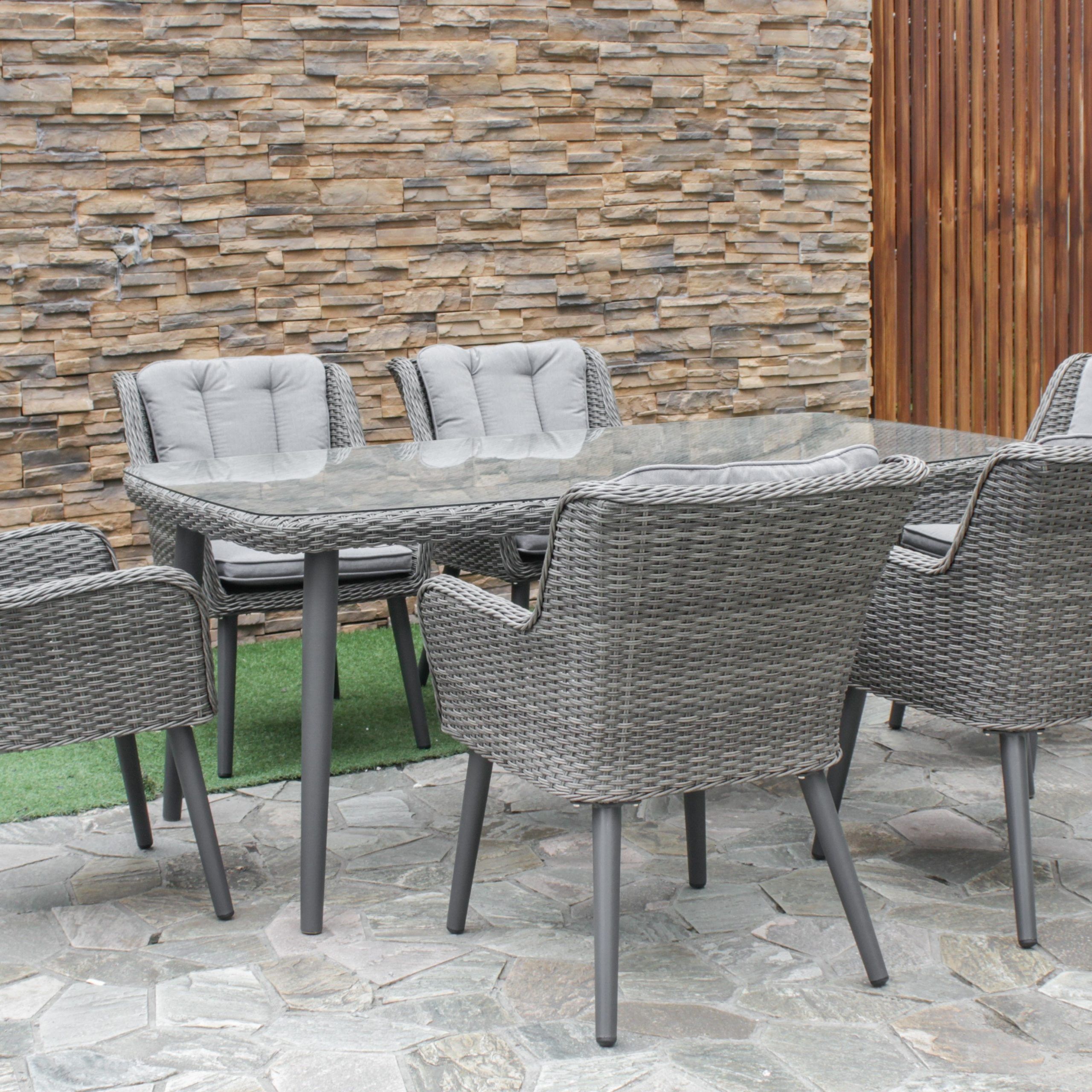
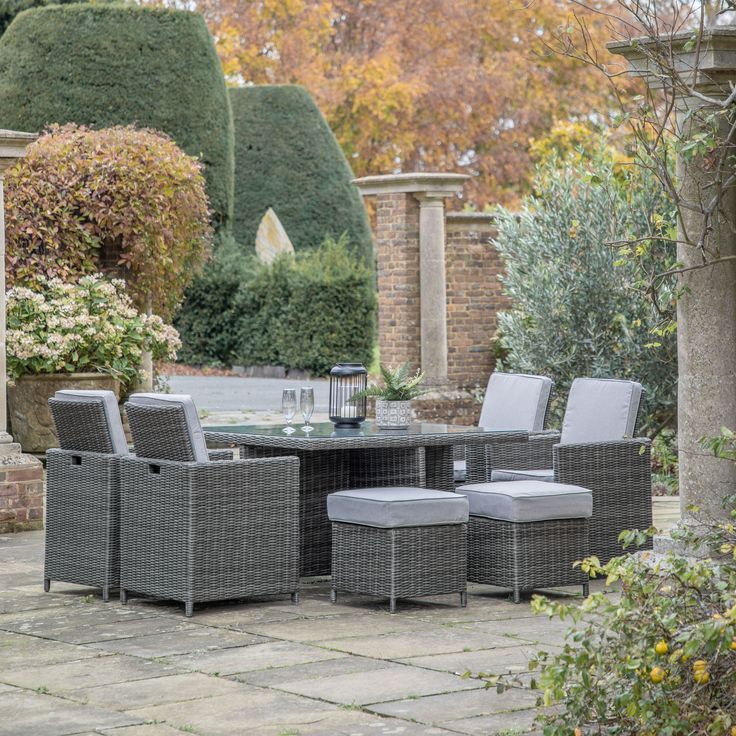
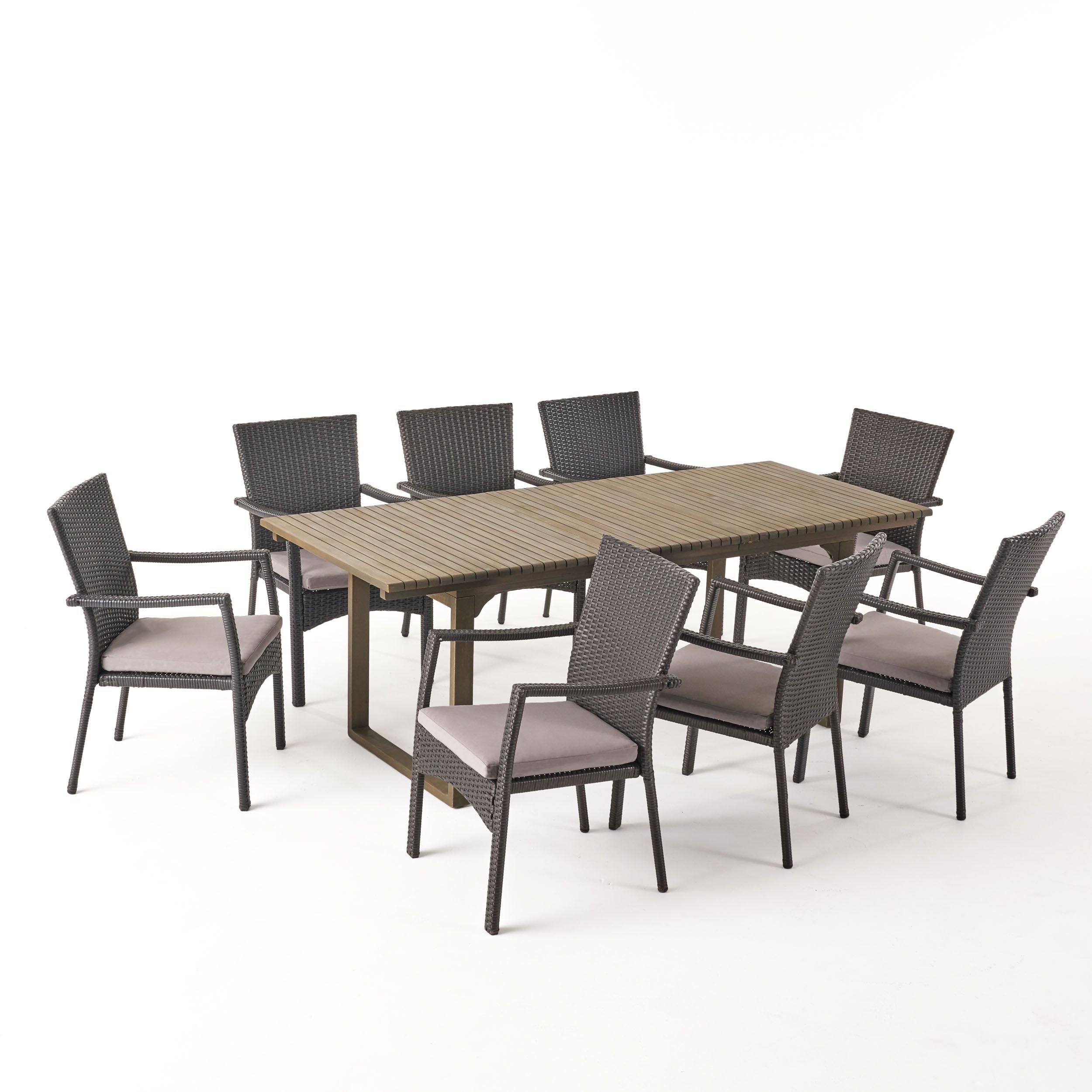
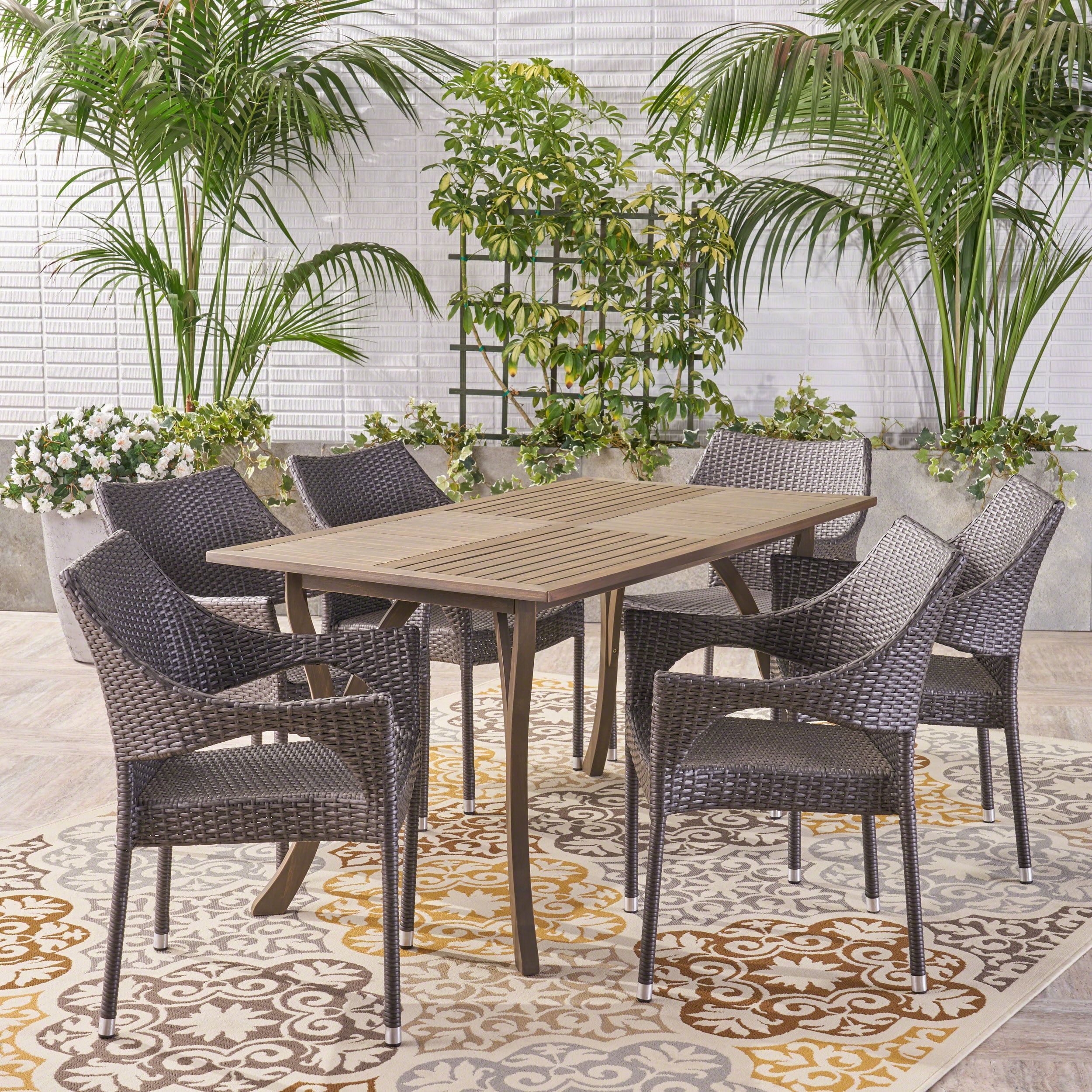
One of the biggest advantages of using wicker and wood is their ability to define different functional areas within a single outdoor space. You can create a dining area with a wooden table surrounded by wicker chairs, or set up a conversation zone with a wooden bench and wicker lounge chairs. The combination allows you to create intimate spaces that feel separate yet connected. Picture this: a wooden pergola with wicker hanging chairs underneath, creating a private retreat. Or imagine a wooden deck with wicker seating that flows seamlessly into a garden area. These combinations give you the flexibility to change your space’s function throughout the day or seasons. You might use the wicker seating for casual lounging during summer and add cushions for extra comfort during cooler months.
Color and Texture Play
The beauty of wicker and wood lies in their ability to work with various color schemes and textures. Natural wood tones like walnut, oak, or cedar pair wonderfully with the warm browns and golden hues of traditional wicker. But don’t limit yourself to just natural colors. You can find wicker in deep blues, rich greens, or even bright yellows that make a bold statement against wood. The texture contrast is particularly striking – smooth wood surfaces against the woven texture of wicker creates visual depth. Consider how light plays differently on these materials throughout the day. Wood tends to reflect light more evenly, while wicker can create interesting shadows and patterns. This interplay of light and shadow adds drama to outdoor spaces.
Maintenance and Longevity Tips
Caring for wicker and wood combinations requires some attention, but it’s manageable with the right approach. Regular cleaning prevents buildup of dirt and debris that can damage both materials. For wood elements, periodic resealing helps protect against weather damage. Wicker should be cleaned gently with mild soap and water, then dried thoroughly. Here are some essential maintenance practices:
• Clean wicker monthly with soft brush and mild soap
• Reseal wooden surfaces every 2-3 years
• Store wicker items indoors during severe weather
• Check for loose weaves and repair promptly
• Apply protective coatings to prevent fading
The good news is that with proper care, these materials will continue to look beautiful for many years. Many homeowners report that their wicker and wood pieces actually improve with age, developing a rich patina that tells the story of countless pleasant moments spent in the space.
Practical Applications and Real Examples
Let’s look at some real-world applications of this combination. A classic setup involves a wooden dining table with wicker chairs, creating a timeless dining experience that works whether you’re hosting a dinner party or having quiet morning coffee. Another popular arrangement uses a wooden bench with wicker armrests as a focal point in a garden setting. Some designers create wicker side tables with wooden legs, adding both function and style to outdoor areas. Even smaller elements like wicker planters with wooden stands demonstrate how this combination can enhance any outdoor space. The key is thinking about how each element contributes to the overall flow of the space. A wooden garden shed with wicker accents inside creates a charming storage solution that doesn’t look like typical storage. These practical examples show how versatile the combination really is.
The marriage of wicker and wood in outdoor design represents more than just a trend – it’s a time-tested approach that brings together the best qualities of both materials. Whether you’re designing a small patio or a large entertaining area, this combination offers endless possibilities for creating comfortable, durable, and beautiful outdoor spaces. The key is understanding how to balance the different characteristics of each material while considering practical aspects like maintenance and weather resistance. What starts as a simple idea of combining wood and wicker can evolve into a sophisticated outdoor living environment that enhances your daily life. The beauty of this pairing lies in its adaptability – it works whether you prefer a rustic, modern, or traditional aesthetic. So why not try incorporating these classic materials into your next outdoor project? You might discover that this timeless combination is exactly what your space has been missing all along.