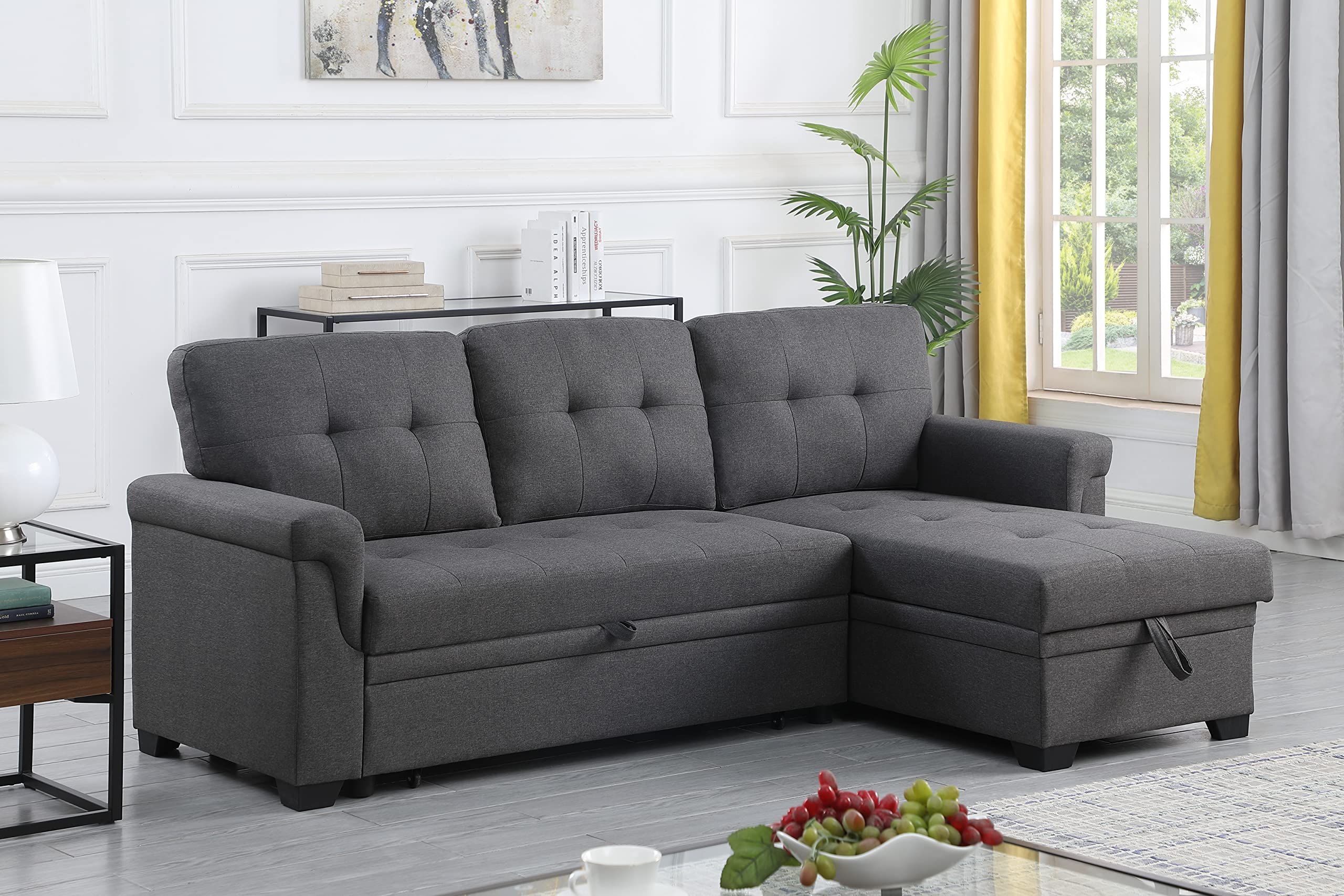
Picture this: You walk into someone’s living room and see a sleek, modular sofa that seems to float above the floor. That’s not just furniture – that’s a statement. But how did we get here? How did these once-simple seating arrangements transform into the sophisticated, customizable marvels we see today?
Sectional sofas have come a long way since their humble beginnings in the mid-20th century. What started as basic, functional seating arrangements have evolved into sophisticated design elements that define modern living spaces. These versatile pieces aren’t just about comfort anymore – they’re about making a style statement. Whether you’re looking to maximize space in a small apartment or create the perfect conversation area in a spacious home, understanding how these sofas have changed can help you make better choices for your living situation.
Origins and Early Development
Sectional sofas didn’t appear overnight. Their story begins in the 1950s when architects and designers were experimenting with new ways to make homes feel more open and inviting. The first sectionals were simple combinations of two or three separate pieces that could be arranged in different configurations. Think of them as early versions of today’s modular systems, but without all the fancy features. They were primarily functional – meant to fill up large spaces while providing comfortable seating for families and guests. Early designs often featured straight lines and basic shapes, focusing more on utility than aesthetics. The materials used were typically basic fabrics and simple wooden frames. People weren’t thinking about personalization or customization back then – they just wanted something that would hold up under regular use.
The Rise of Modularity
The 1970s brought a major shift in how people thought about furniture. Designers started realizing that one-size-fits-all wasn’t cutting it anymore. Enter modularity – the idea that you could mix and match different pieces to create exactly what you needed. This was revolutionary because it gave homeowners control over their space. Suddenly, you could have a U-shaped configuration that hugged a corner, or maybe a straight line that maximized seating for parties. The beauty of modular sofas lies in their flexibility. Want to change the shape? Just rearrange the pieces. Need more seating for holiday gatherings? Add another section. This approach made sectionals incredibly popular among people who lived in smaller spaces but still wanted lots of seating options. It also encouraged creativity in interior design, allowing each person to create their unique living arrangement.
Materials and Comfort Innovations
Modern sectionals have come a long way in terms of materials and comfort. Gone are the days when you had to choose between soft fabric and easy maintenance. Today’s sofas feature a range of materials that balance durability with luxury. High-end fabrics like microfiber and performance fabrics offer the look of premium materials while being resistant to stains and wear. Memory foam and gel cushions have revolutionized comfort levels, providing better support and reducing pressure points. Some manufacturers even incorporate cooling technologies to keep you comfortable during hot summer months. The evolution of cushion technology means that today’s sectionals can last decades rather than just a few years. Think about it – a sofa that was built to last generations is a much better investment than one that needs replacing every few years. The focus has shifted from just looking good to feeling great and lasting long.
Design Aesthetics and Style Evolution
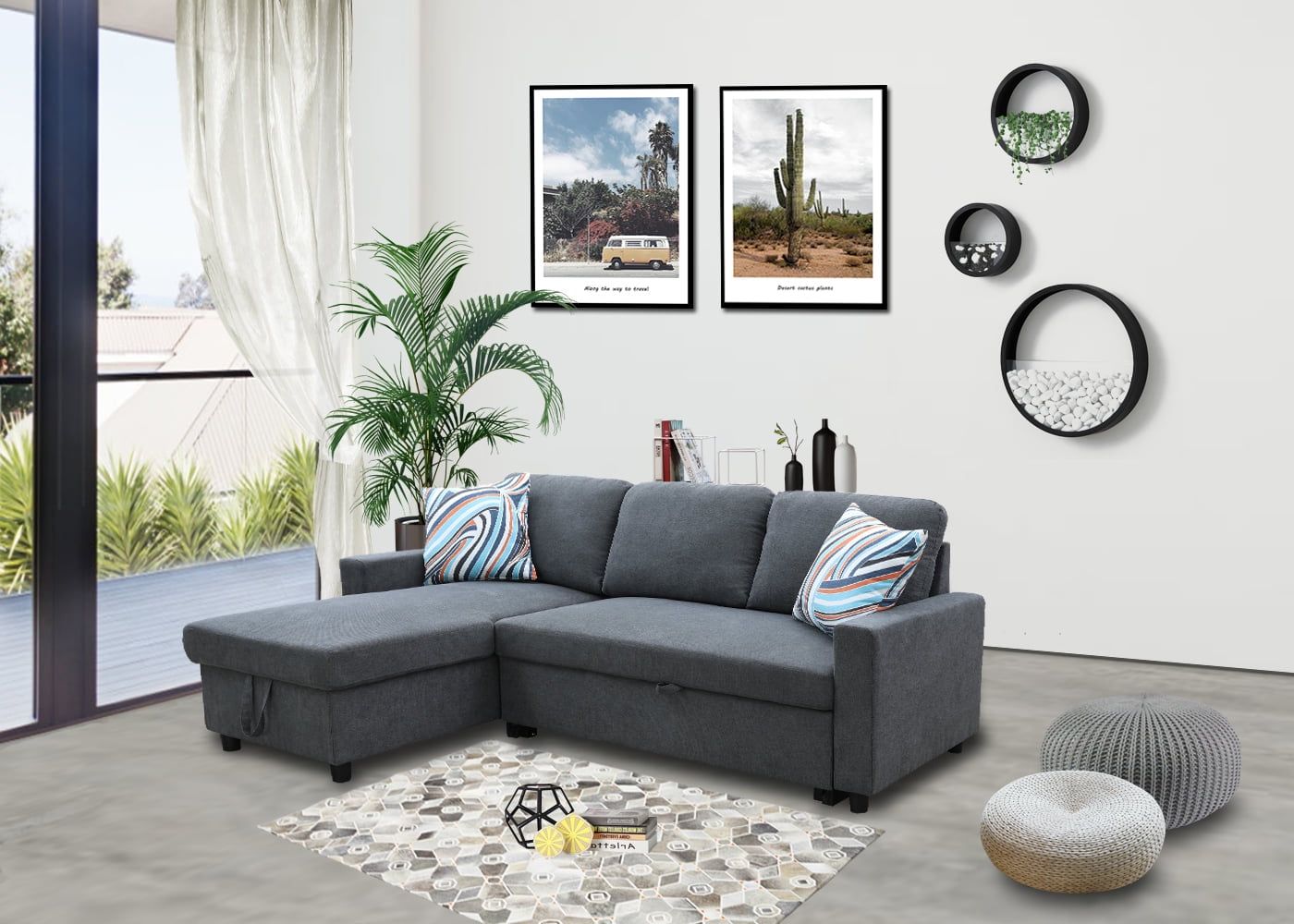
The visual appeal of sectionals has undergone dramatic changes over the decades. Early models were often boxy and utilitarian, designed more for function than form. Fast forward to today, and you’ll find sectionals that serve as focal points in living rooms. Sleek lines, geometric shapes, and bold colors have replaced the simple designs of the past. Contemporary sectionals often feature clean, minimalist aesthetics that complement modern architecture. The trend toward natural materials like leather and wood has also gained popularity, adding warmth and sophistication to any space. Designers now pay attention to proportions and scale, ensuring that each piece fits perfectly within the overall design scheme. This evolution shows how furniture design has matured to become an integral part of interior design rather than just a functional necessity.
Smart Technology Integration
The digital age has brought unexpected changes to traditional furniture. Today’s sectionals are incorporating smart technology in ways that make them more convenient and interactive. Some models feature built-in charging stations for phones and tablets, while others include USB ports and even wireless charging surfaces. LED lighting embedded in the sofa frames creates ambient atmosphere, perfect for movie nights or evening relaxation. Smart fabrics that change color based on temperature or mood are becoming available, adding a touch of futuristic flair. These technological advances show how traditional furniture is adapting to modern lifestyles. People want their furniture to do more than just sit on – they want it to enhance their daily experiences. The integration of technology makes sectionals more than just seating; they become part of the smart home ecosystem.
Sustainability and Ethical Considerations
In recent years, environmental consciousness has influenced furniture manufacturing practices significantly. Modern sectionals are increasingly made from sustainable materials, including recycled fabrics and responsibly sourced woods. Many manufacturers now prioritize eco-friendly production methods that reduce waste and carbon footprints. Ethical labor practices have also become important factors in consumer decisions. Buyers are more aware of where their furniture comes from and how it’s made. This shift toward sustainability reflects broader cultural values about responsibility and environmental stewardship. The trend isn’t just about looking good – it’s about doing good too. Consumers want to feel good about their purchases, knowing they’re supporting companies that care about both quality and the planet. Sustainable sectionals represent the intersection of fashion and function, proving that you can be stylish while being responsible.
The journey from basic seating to sophisticated design statement shows how much our relationship with furniture has evolved. Modern sectionals represent more than just comfortable seating – they’re expressions of personal style and lifestyle choices. From simple combinations of basic pieces to high-tech, customizable marvels, these sofas have adapted to meet changing needs and tastes. As we move forward, expect continued innovation in materials, design, and functionality. The future of sectionals looks bright, with sustainable practices and smart technologies leading the way. Whether you’re upgrading your current setup or planning a new living space, understanding this evolution helps you make informed choices that reflect both your style and values. After all, the right sectional doesn’t just fill a room – it defines it.