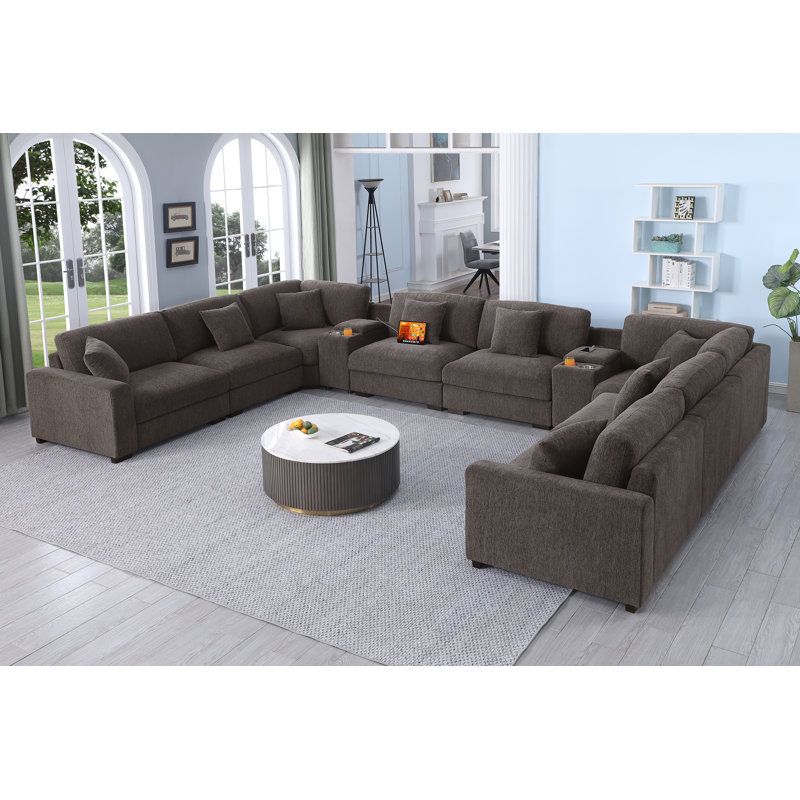
Think about how your living room has changed over the past decade. Maybe you’ve noticed that furniture isn’t just about looking good anymore. It’s become a clever blend of form and function. Today’s designers have mastered the art of creating pieces that hold your stuff AND make you feel cozy. This isn’t just a trend—it’s a revolution in how we think about our homes.
Contemporary furniture has evolved far beyond simple aesthetics. We’re now seeing pieces that cleverly merge practical storage solutions with comfort features. These aren’t just tables or chairs—they’re smart investments that maximize space while keeping life easy. Whether you’re dealing with a small apartment or a sprawling home office, modern furniture offers creative ways to organize without sacrificing comfort. The key lies in understanding how these two elements work together to create better living experiences.
The Rise of Multi-Purpose Furniture
What started as a necessity for small spaces has become a design philosophy. Multi-purpose furniture allows homeowners to do more with less. Think about your typical day—how many times do you move between rooms? A coffee table with hidden compartments can hold remote controls, books, and magazines while serving as a comfortable surface for drinks. The beauty is that everything stays within reach without cluttering your space.
Consider a dining table that doubles as a desk when you’re working from home. Or a sofa bed that transforms your guest room into a functional living area during the day. These pieces don’t just save space—they change how you live. They’re designed around the idea that every element should serve multiple needs.
The trend isn’t just about saving floor space. It’s about creating flexibility in lifestyle. People want furniture that adapts to their changing needs. When you have a growing family, a modular storage unit can expand with your requirements. When you’re entertaining guests, a bench with built-in storage keeps everything organized and ready to go.
Smart Storage Solutions Hidden Within Comfort
Modern furniture designers have become masters of concealment. What appears to be a simple chair might actually hide a drawer underneath. A side table could have secret compartments that look like they’re part of the design. These aren’t just clever tricks—they’re thoughtful responses to how people actually live.
Take the example of a recliner with built-in shelving. You can store blankets, pillows, and books right where you need them. The storage isn’t tucked away in a corner somewhere—it’s integrated into the piece itself. This approach makes organization effortless and visually pleasing.
Many contemporary pieces use materials and construction techniques that allow for hidden storage without compromising comfort. The padding in a sofa might be engineered to accommodate a storage compartment while still providing excellent support. The frame might be designed with sliding panels or hinged sections that open to reveal storage spaces.
This integration requires careful planning and often involves collaboration between designers, engineers, and manufacturers. It’s not enough to simply add storage—it must work harmoniously with the comfort elements. Otherwise, you end up with furniture that feels awkward or uncomfortable.
Comfort Features That Don’t Compromise Storage
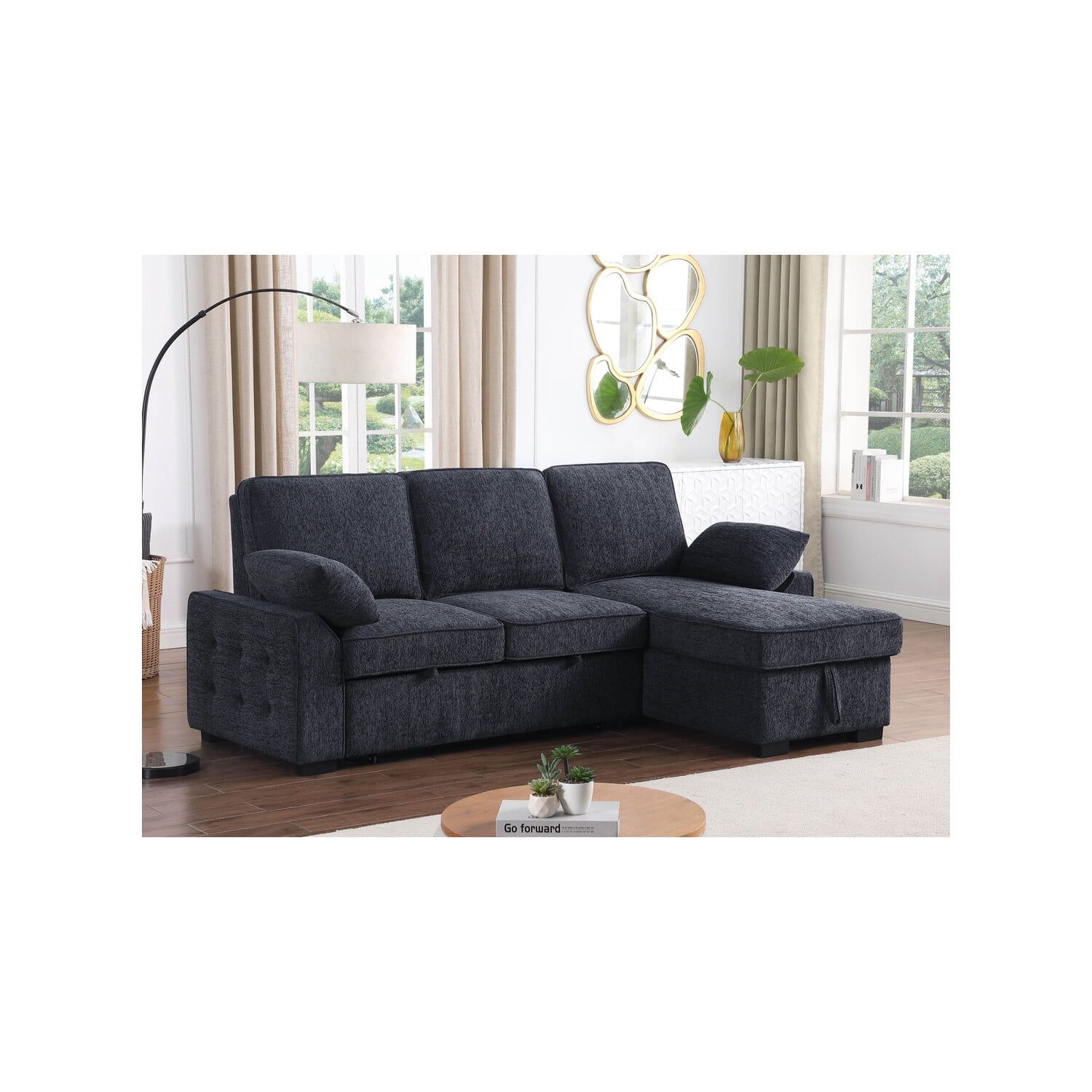
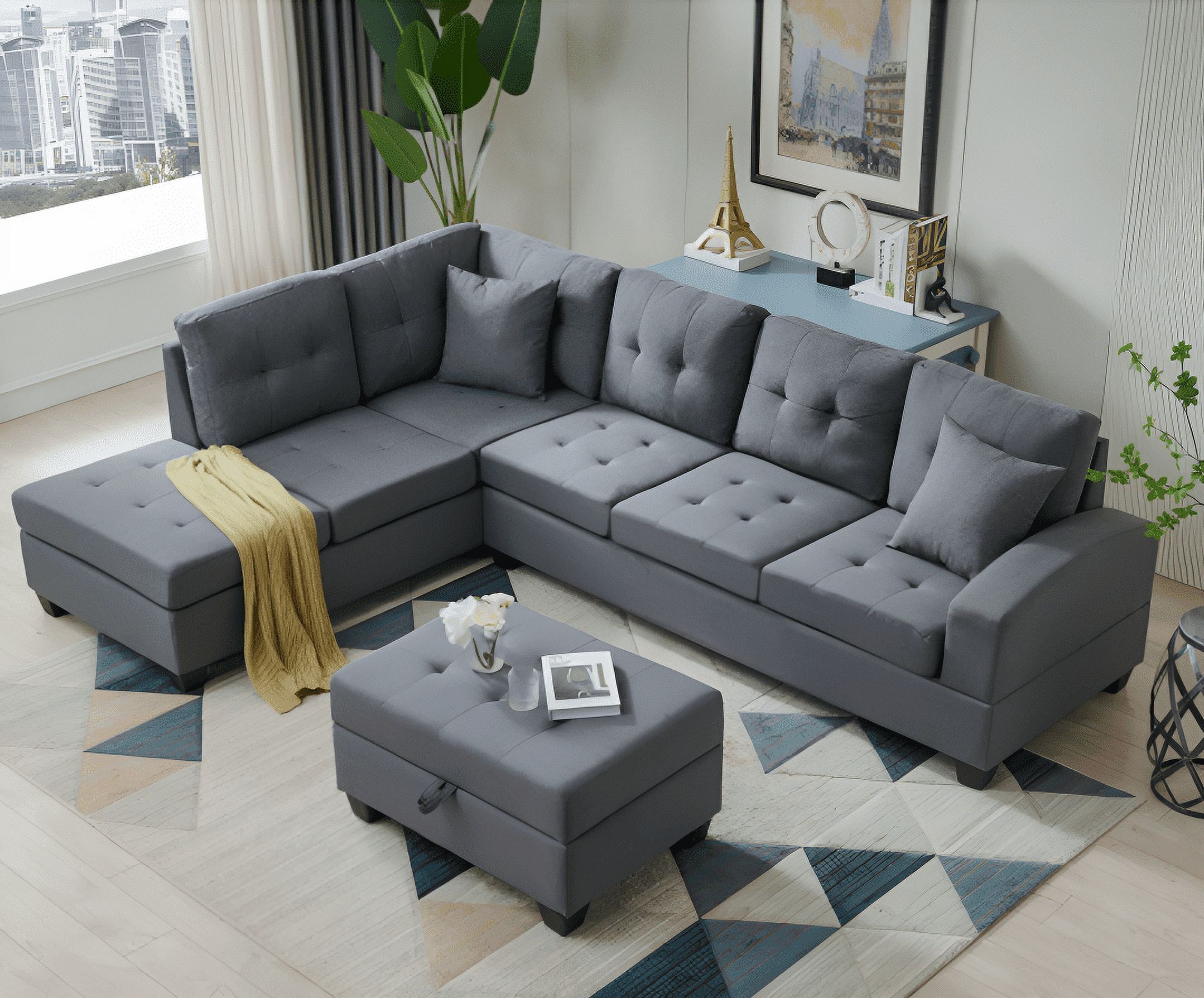
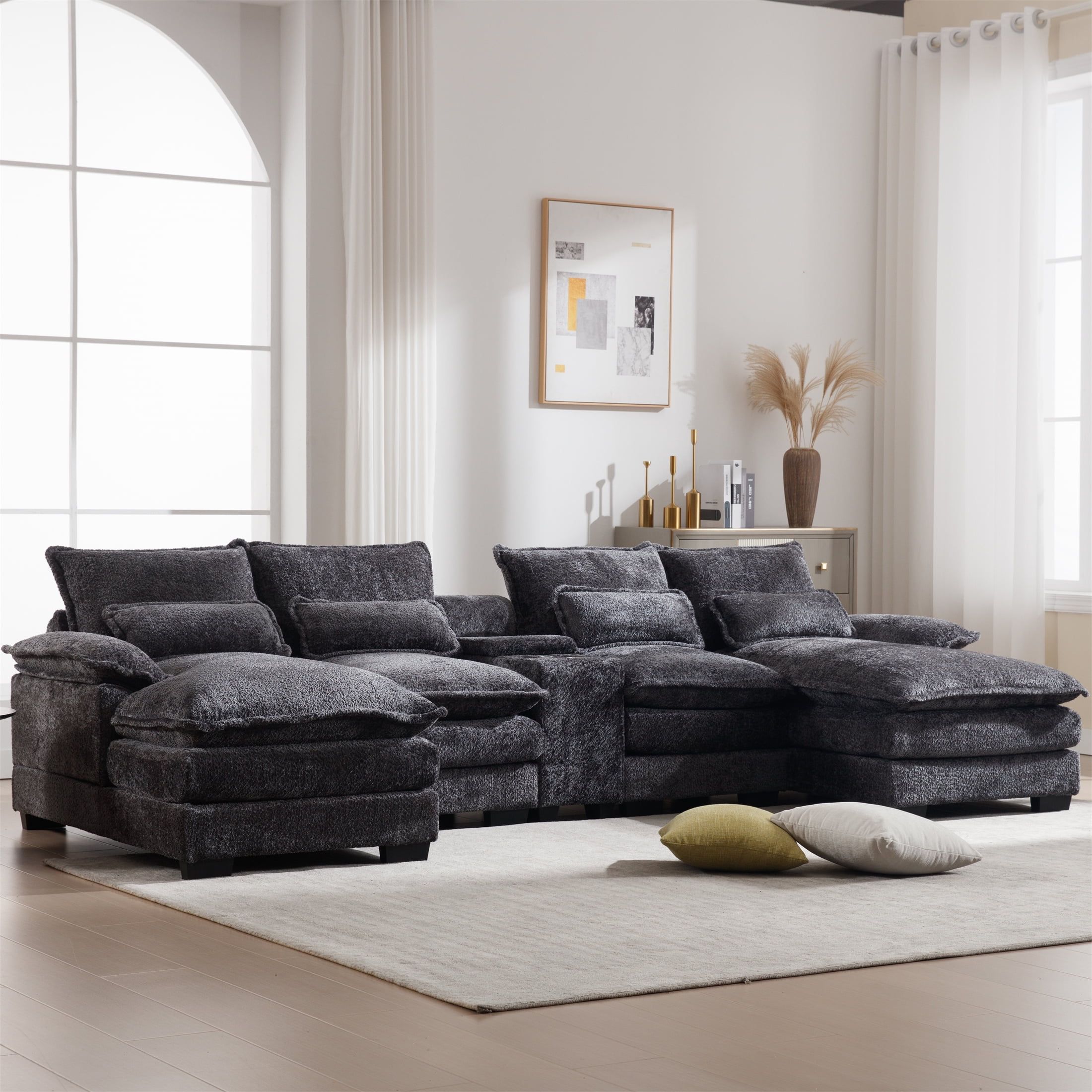
Comfort and storage don’t have to be competing interests. In fact, they can enhance each other. Consider a sectional sofa with built-in ottomans that double as storage units. The ottoman provides extra seating while offering a place to stash seasonal blankets or children’s toys. The result is a piece that looks great and works hard.
Memory foam technology has opened new possibilities for integrating comfort and function. A storage bench with memory foam padding can provide both comfort and organization. The cushioning supports your back when you sit, while the bench can hold shoes, bags, or other items. It’s a perfect example of how modern technology helps solve everyday problems.
Even the way furniture is assembled can affect its performance. Modular designs allow people to customize their storage needs while maintaining comfort standards. A modular bookshelf can be rearranged to fit different spaces, and each component can be designed to complement the overall comfort of the room.
The challenge for designers is finding the right balance. Too much storage and the piece becomes bulky and uncomfortable. Too little storage and it fails to meet practical needs. Successful designs find that sweet spot where both elements work together.
Materials and Construction Innovations
The materials used in contemporary furniture play a huge role in how well storage and comfort integrate. Modern wood treatments and synthetic materials offer durability while maintaining flexibility in design. A coffee table made from recycled materials might have hidden storage compartments that blend seamlessly with the surface.
Technology has also improved how furniture handles weight distribution and structural integrity. New types of foam and padding can be shaped to accommodate storage compartments without affecting comfort. The result is furniture that looks and feels solid while holding everything you need.
Innovations in manufacturing have made it possible to create furniture that’s both beautiful and functional. Injection molding allows for complex shapes that can incorporate storage features without adding bulk. The same goes for metalwork and composite materials that offer strength and flexibility.
These advances mean that furniture can now be lighter yet stronger, more comfortable yet more practical. The improvements come from understanding how people actually use their furniture rather than just designing for appearance. This shift has led to pieces that truly serve their owners’ needs.
Real-World Applications and Examples
Let’s look at some actual situations where this integration shines. A small studio apartment might feature a Murphy bed that doubles as a reading nook with built-in shelves. When you’re sleeping, the bed folds up, freeing the space for other uses. When you’re awake, it functions as a comfortable place to read or relax while having all your books within reach.
A family room might have a storage ottoman that doubles as a footrest. During movie nights, the ottoman provides comfort for feet while storing blankets and pillows. The design is simple but effective—the furniture meets two needs at once. You don’t have to choose between comfort and organization.
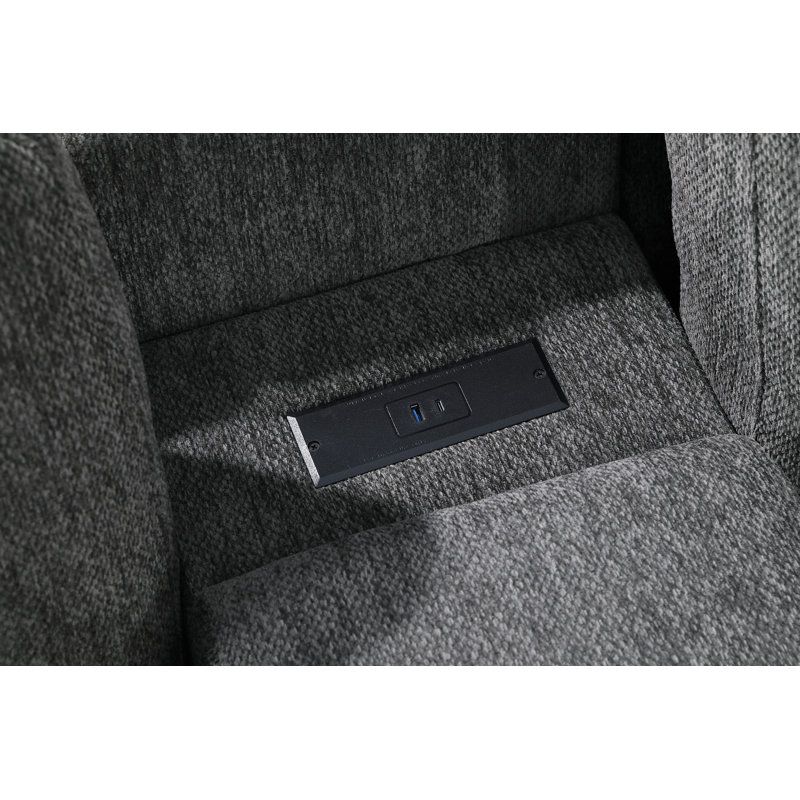
Another example is a modern dining room with a table that has built-in charging stations for devices. The table can accommodate laptops and phones while keeping cords organized and out of sight. It’s a practical solution that doesn’t compromise the elegant look of the room.
These examples show how furniture can become an extension of your lifestyle rather than just something to decorate with. The pieces respond to how you live, not just how you want to look.
Future Trends and What’s Next
Looking ahead, the integration of storage and comfort seems poised for even more innovation. Smart furniture that can adapt to your needs is becoming more common. Imagine a chair that adjusts its firmness based on how you’re using it. Or a storage unit that automatically organizes items based on frequency of use.
Technology is making it easier to create furniture that responds to your environment. Sensors can detect when you’re sitting and adjust comfort settings accordingly. Smart materials might even change their properties based on temperature or humidity levels.
Sustainability is another driving force. As people become more conscious of their environmental impact, furniture that lasts longer and does more becomes increasingly valuable. The emphasis is shifting toward pieces that provide maximum utility over time rather than just temporary satisfaction.
The future will likely see even more seamless integration between comfort and function. As manufacturing techniques improve and materials advance, we’ll see furniture that adapts to individual preferences while meeting practical needs. The goal remains the same: making every piece of furniture work harder for you.
The marriage of storage and comfort in contemporary furniture represents more than just a design trend—it’s a response to how people actually live today. We’re seeing furniture that doesn’t just sit in our homes, but actively supports our daily routines. From the materials used to the construction methods, everything is designed with the user in mind. The results are pieces that feel familiar yet innovative, practical yet beautiful. As we continue to navigate smaller spaces and busier lives, this integration becomes more essential. It’s not about choosing between style and substance—it’s about finding furniture that delivers both. The best pieces don’t just fill a room; they fill a need.