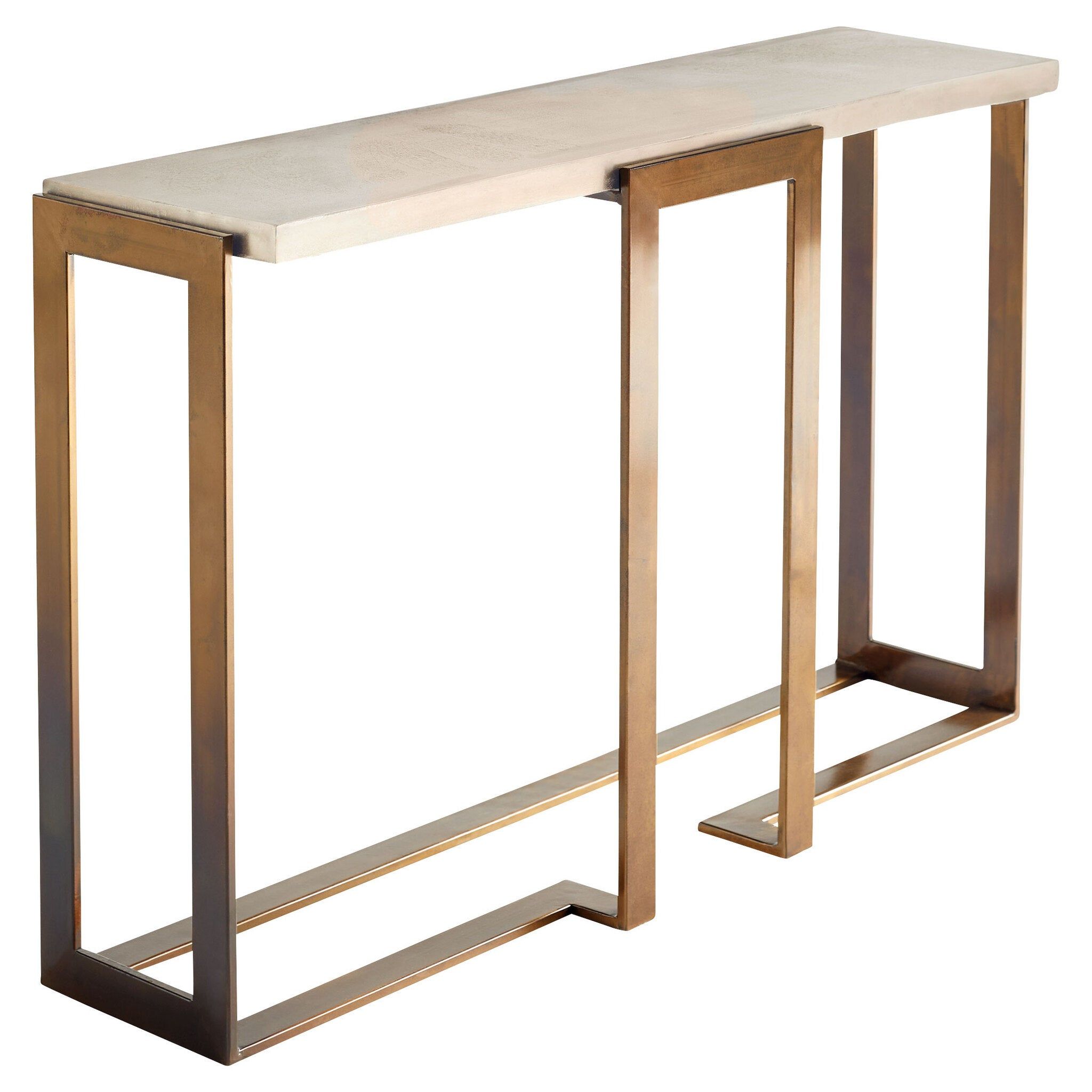
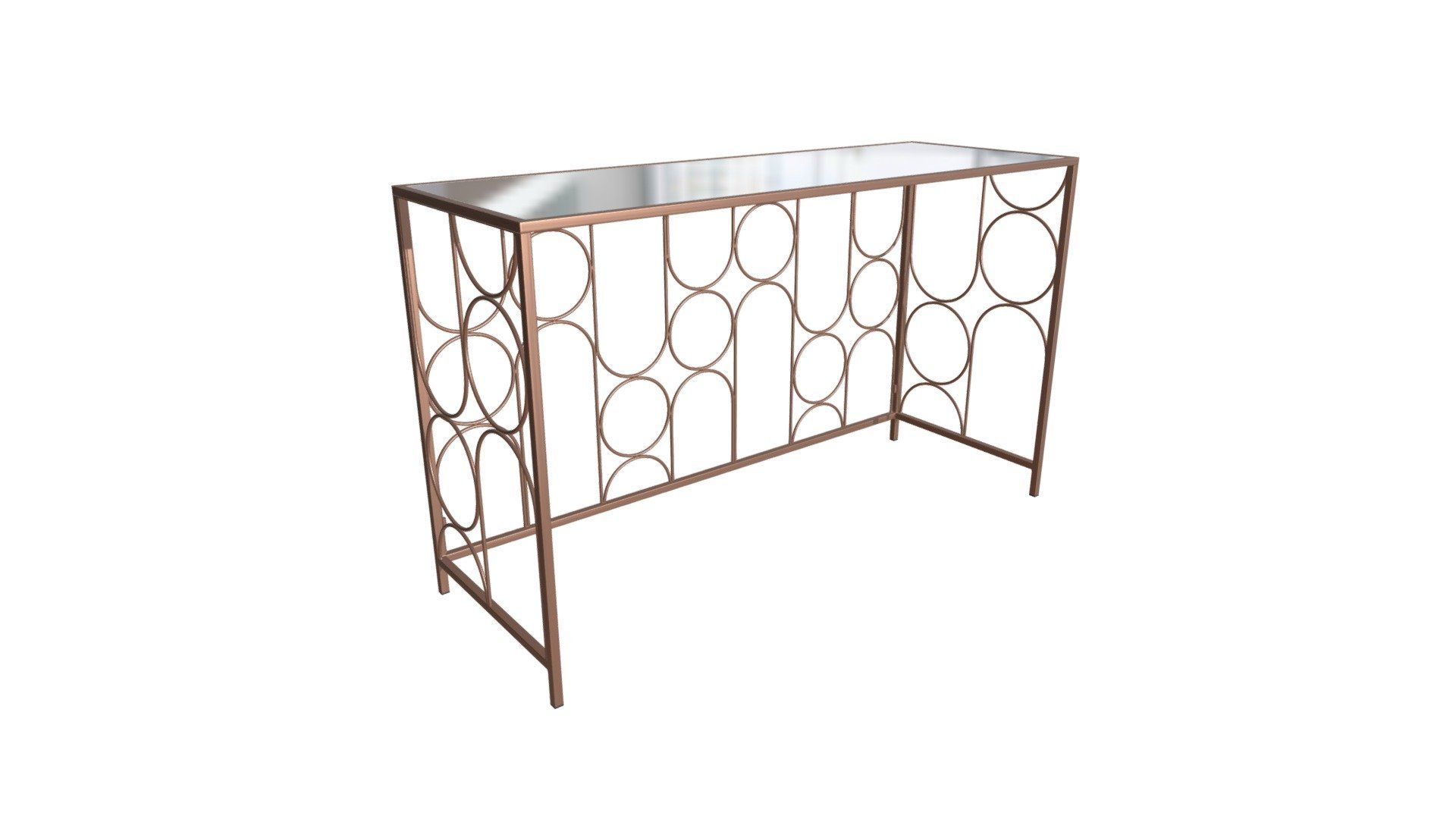
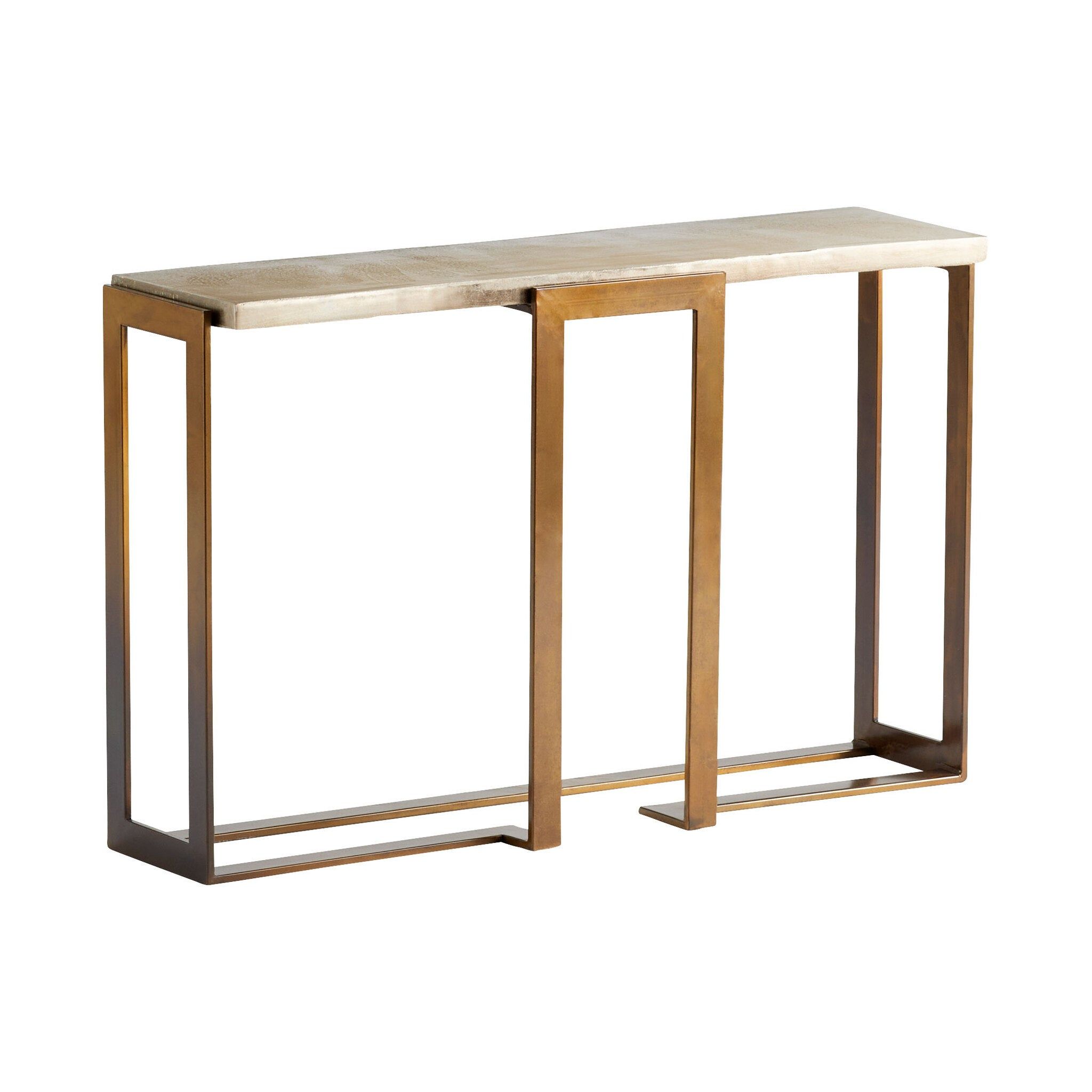
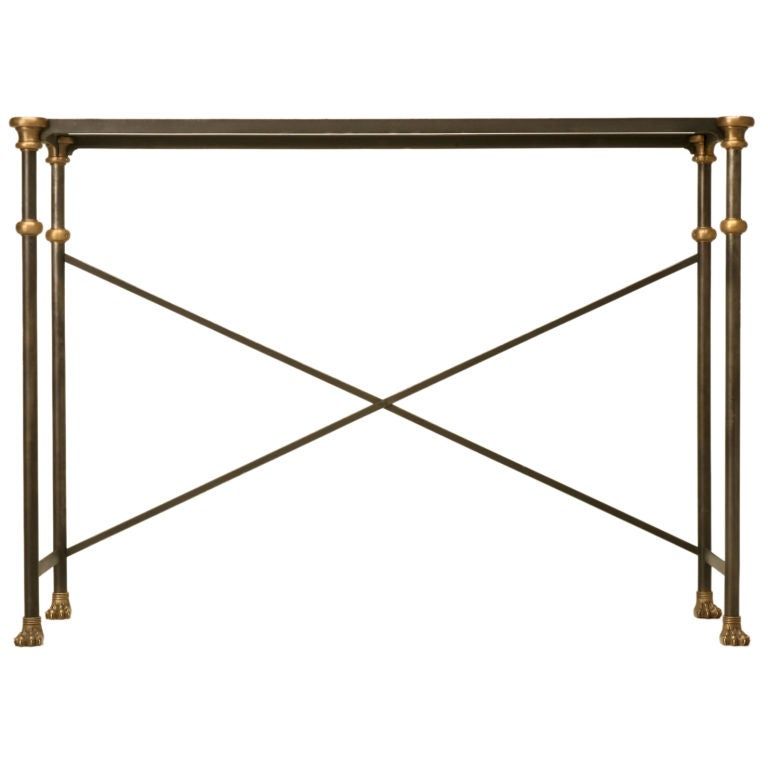
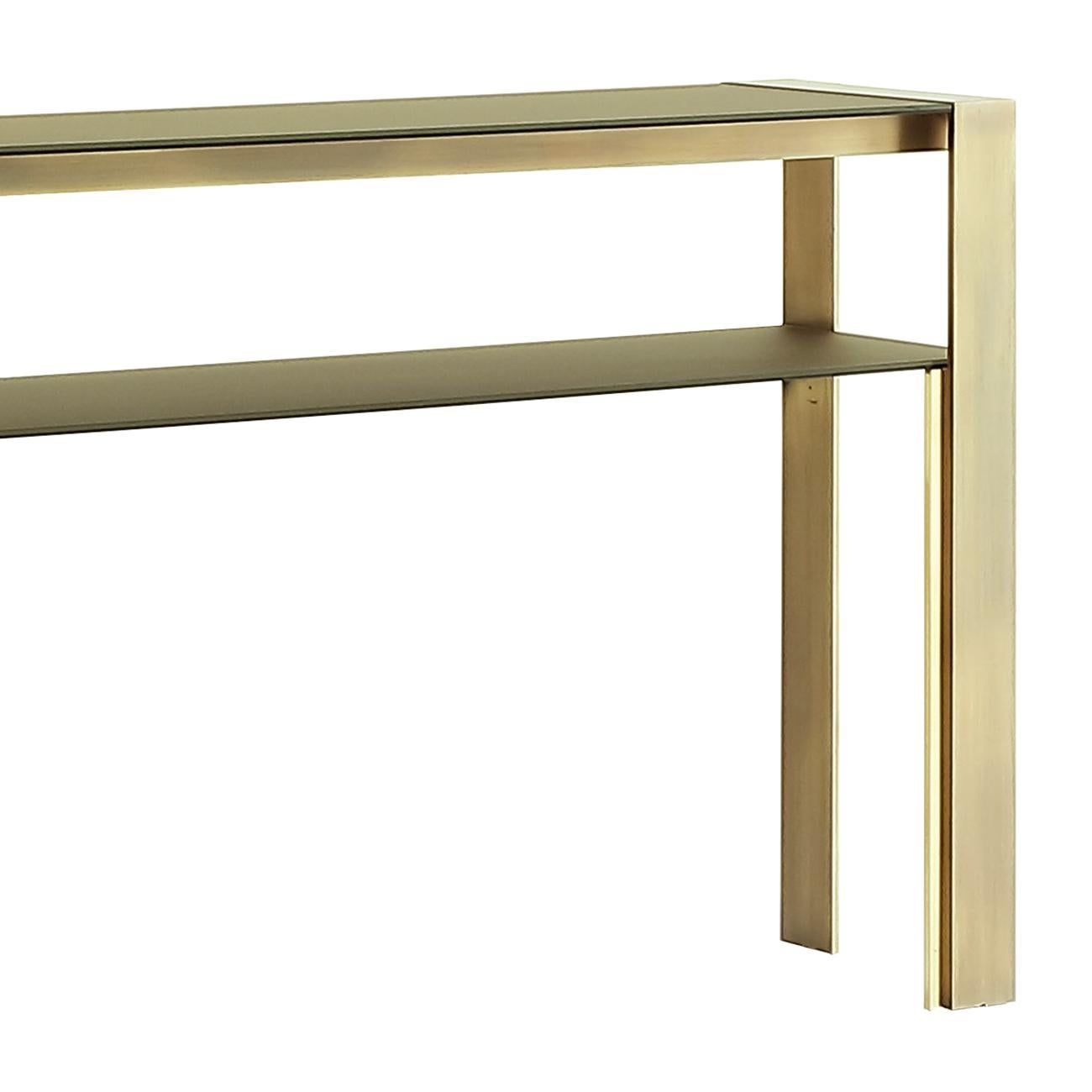
Imagine walking into a room where the very air seems to hold history. The warm glow of bronze catches light in unexpected ways, casting gentle shadows that dance across the floor. These aren’t just tables – they’re conversation starters, heirlooms in the making, and testament to craftsmanship that spans centuries. What makes them so special? It’s not just the metal itself, but how skilled artisans work magic with their hands, transforming raw bronze into stunning works of furniture.
When you see a bronze console table in a sophisticated living room, you’re witnessing something truly remarkable. This isn’t mass-produced furniture – it’s the result of careful planning, precise execution, and an almost spiritual connection between craftsman and material. The journey from raw bronze to finished table involves techniques passed down through generations, each step requiring both technical skill and artistic vision. Every curve, every surface, every detail tells a story of dedication and patience that can take weeks or even months to complete.
The Foundation of Bronze Work
Bronze console tables start with understanding the fundamental properties of their material. Bronze, an alloy primarily made of copper and tin, offers unique characteristics that make it perfect for furniture making. Unlike steel, which can rust, or wood, which warps over time, bronze develops a beautiful patina that enhances its appearance rather than detracting from it.
The selection process begins with choosing quality bronze sheets or ingots. Master craftsmen look for purity, consistency, and the right grain structure. Some prefer traditional brass bronze, while others favor modern compositions with added elements like aluminum or phosphorus for specific properties. The choice affects everything from the final weight to how easily the metal can be shaped.
Consider the difference between working with a thick, heavy bronze sheet versus a thin one. The former might require more time and energy to heat evenly, while the latter could be prone to warping during heating. It’s these subtle differences that separate amateur attempts from professional masterpieces.
Design and Planning Phase
Before any hammer strikes metal, there’s careful planning. This phase often takes longer than the actual physical work, especially for custom pieces. Designers must consider how the table will fit in its intended space, what structural elements are necessary, and how the final piece will interact with light and shadow.
Many artisan tables begin with sketches – sometimes detailed drawings, sometimes simple concepts drawn on napkins during coffee breaks. These sketches evolve into technical drawings that show measurements, joint locations, and decorative elements. The designer must account for thermal expansion, which means different parts of the table may expand at slightly different rates when heated.
"Every table is like solving a puzzle," explains veteran craftsman Marco Delacroix. "You have to think about how all the pieces will come together, not just visually but structurally."
This planning stage also involves selecting decorative elements. Some tables feature hand-engraved patterns, others incorporate cast elements like leaves or scrolls. The design must balance aesthetic appeal with practicality – a heavily decorated table might be beautiful but could be unstable if not properly engineered.
Shaping the Metal
The actual shaping process starts with heating bronze to around 1800°F, turning it into a malleable state. This temperature is critical – too cool and the metal won’t bend properly, too hot and it risks melting or losing its structural integrity. Experienced artisans develop an intuitive sense for temperature, learning to judge the metal’s readiness by its color and feel.
Using traditional tools like hammers, anvils, and specialized forming tools, craftsmen gradually shape the bronze. This is where technique really matters. A single misstep can ruin hours of work. The process requires patience and precision, especially when creating curved surfaces or complex shapes.
"I’ve had pieces I’ve worked on for days suddenly break because I wasn’t patient enough," says Elena Rodriguez, who specializes in contemporary designs. "But when you get it right, it feels like the metal is singing with your touch."
Some artisans prefer cold working techniques, where they shape the metal without heating it. This method produces different textures and can create interesting visual effects, though it requires more force and often results in a different finish.
Joining and Assembly
Once individual pieces are shaped, they must be joined together. This is perhaps the most challenging part of bronze table construction. The joints must be strong enough to support the table’s weight while maintaining its aesthetic appeal.
Traditional methods involve brazing, where the pieces are heated and joined using a filler metal with a lower melting point than bronze. This creates a seamless connection that’s both strong and visually appealing. Modern craftsmen also use welding techniques, though they must be careful not to damage the surrounding metal.
"The real skill comes in making the joints invisible," notes David Chen, whose family has been making bronze furniture for three generations. "People should be able to admire the beauty without seeing evidence of the construction process."
Some tables incorporate hidden fasteners or decorative elements that serve both functional and ornamental purposes. The challenge lies in balancing structural integrity with visual harmony.
Finishing Touches and Patinas
The finishing process brings out the bronze’s natural beauty. This involves several steps including cleaning, polishing, and applying protective coatings. The most dramatic transformation happens with patina application – chemical treatments that create various colors and textures on the metal’s surface.
Artisans often experiment with different patina recipes, developing their own secret formulas. Some prefer natural aging processes that occur over months or years, while others use accelerated techniques that produce immediate results. The final appearance depends on factors like the bronze’s composition, environmental conditions, and the craftsman’s experience.
"A good patina tells a story," explains Sarah Mitchell, who works with antique restoration. "It shows wear and age, but in a way that enhances rather than diminishes the piece."
Protective finishes vary depending on the table’s intended use. Indoor tables might receive a clear coating that preserves the natural patina, while outdoor pieces need more robust protection against weather elements.
Quality Control and Final Inspection
Every bronze console table undergoes rigorous testing before it reaches a customer. This includes checking structural integrity, ensuring all joints are secure, and verifying that the piece meets the original design specifications. Weight distribution tests are particularly important for larger tables.
Craftsmen inspect each table multiple times during production, looking for imperfections in the metal, inconsistencies in the patina, or areas where the finish might be too thick or thin. Even small flaws can become magnified once the table is placed in a room with natural lighting.
"We’re not just making furniture," says Thomas Weber, who runs a workshop specializing in luxury pieces. "We’re creating heirloom-quality items that will be appreciated for decades."
Final inspection also includes testing the table’s stability and checking that all decorative elements are properly attached. Some artisans even create test weights to simulate normal usage conditions. The goal is to ensure that customers receive a product that’s not only beautiful but also durable and safe.
Creating a bronze console table is far more than a manufacturing process – it’s an art form that combines ancient wisdom with modern sensibilities. Each piece represents countless hours of dedication, from the initial design concept to the final polish. The craftsmanship involved isn’t just about making something that stands upright; it’s about creating objects that tell stories, evoke emotions, and become treasured possessions.
What makes these tables truly special isn’t just their durability or beauty, but the human element behind them. Every scratch, every patina mark, every carefully placed element reflects the passion and skill of someone who understands that true craftsmanship transcends mere functionality. Whether you’re considering purchasing such a table or simply appreciate fine workmanship, understanding this process adds depth to your appreciation. These aren’t just pieces of furniture – they’re tangible connections to centuries of human creativity and ingenuity. The next time you see a bronze console table, remember that it carries within it the accumulated knowledge and dedication of countless artisans who understood that great things take time, care, and an unwavering commitment to excellence.