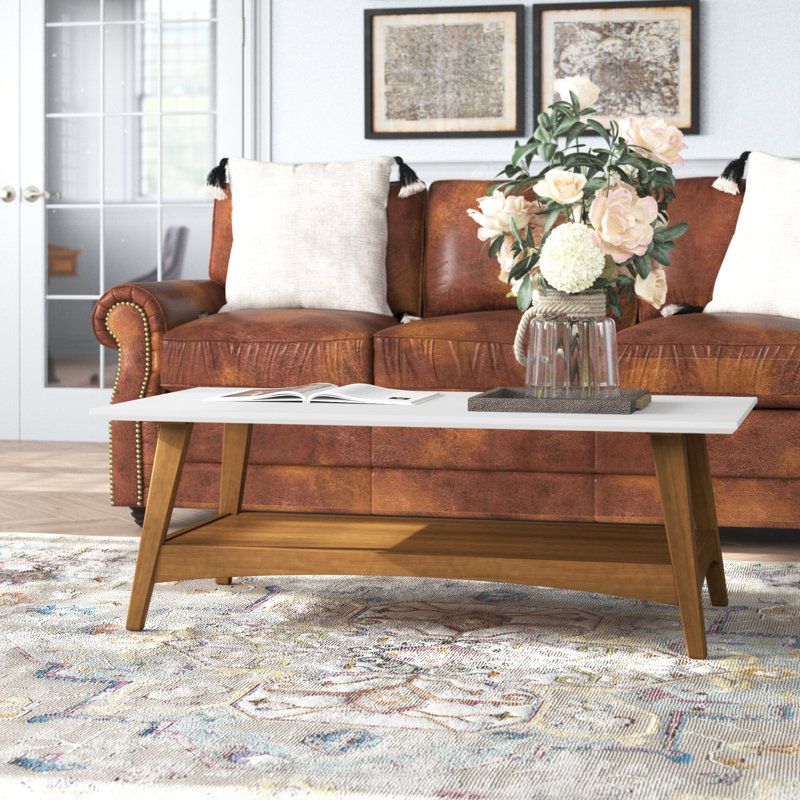
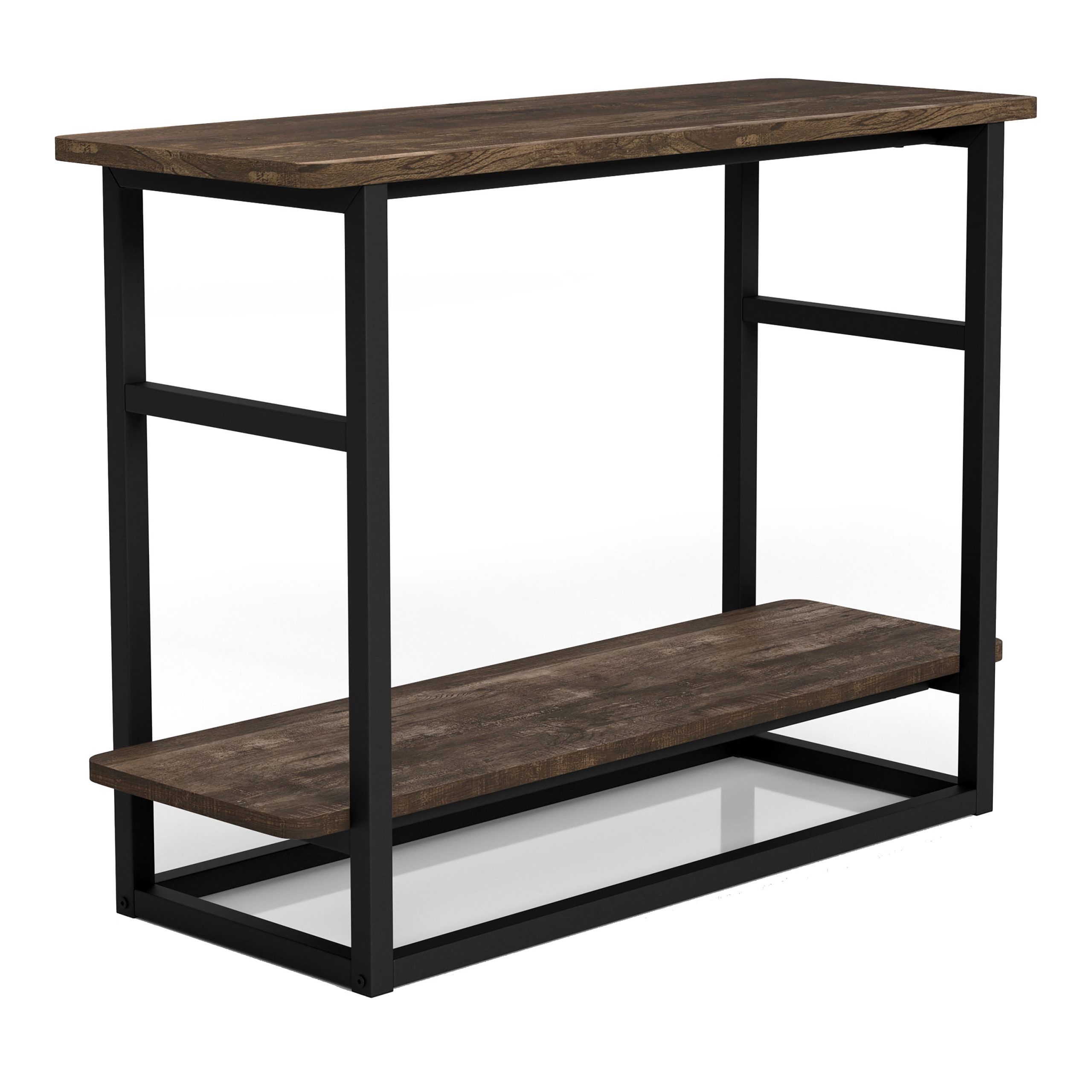
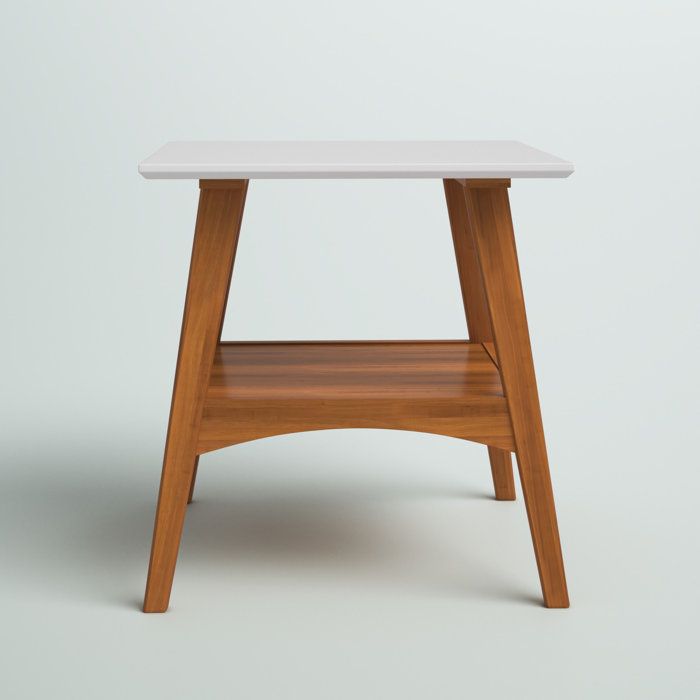
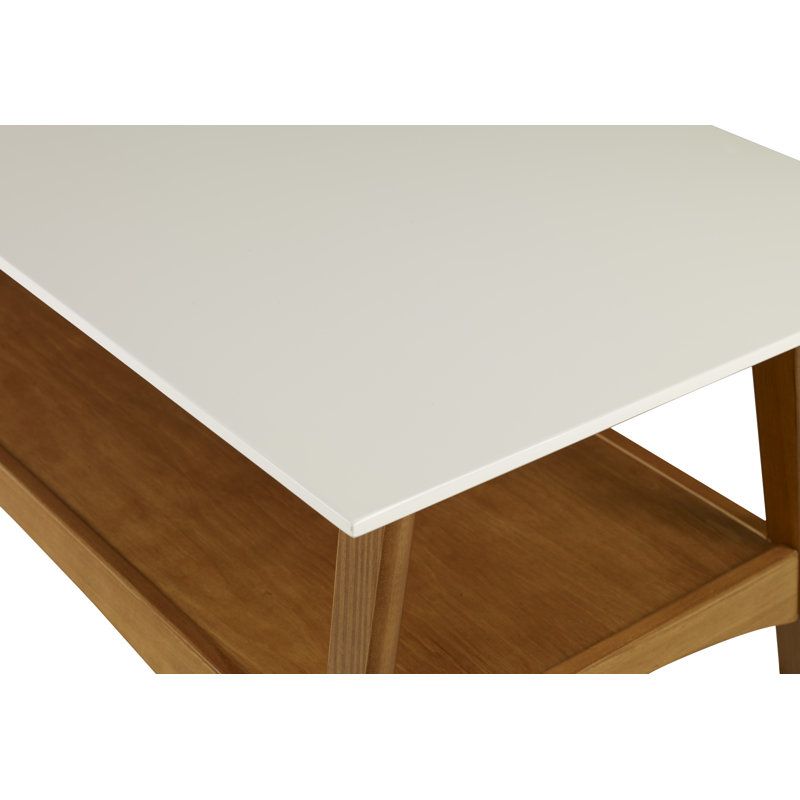
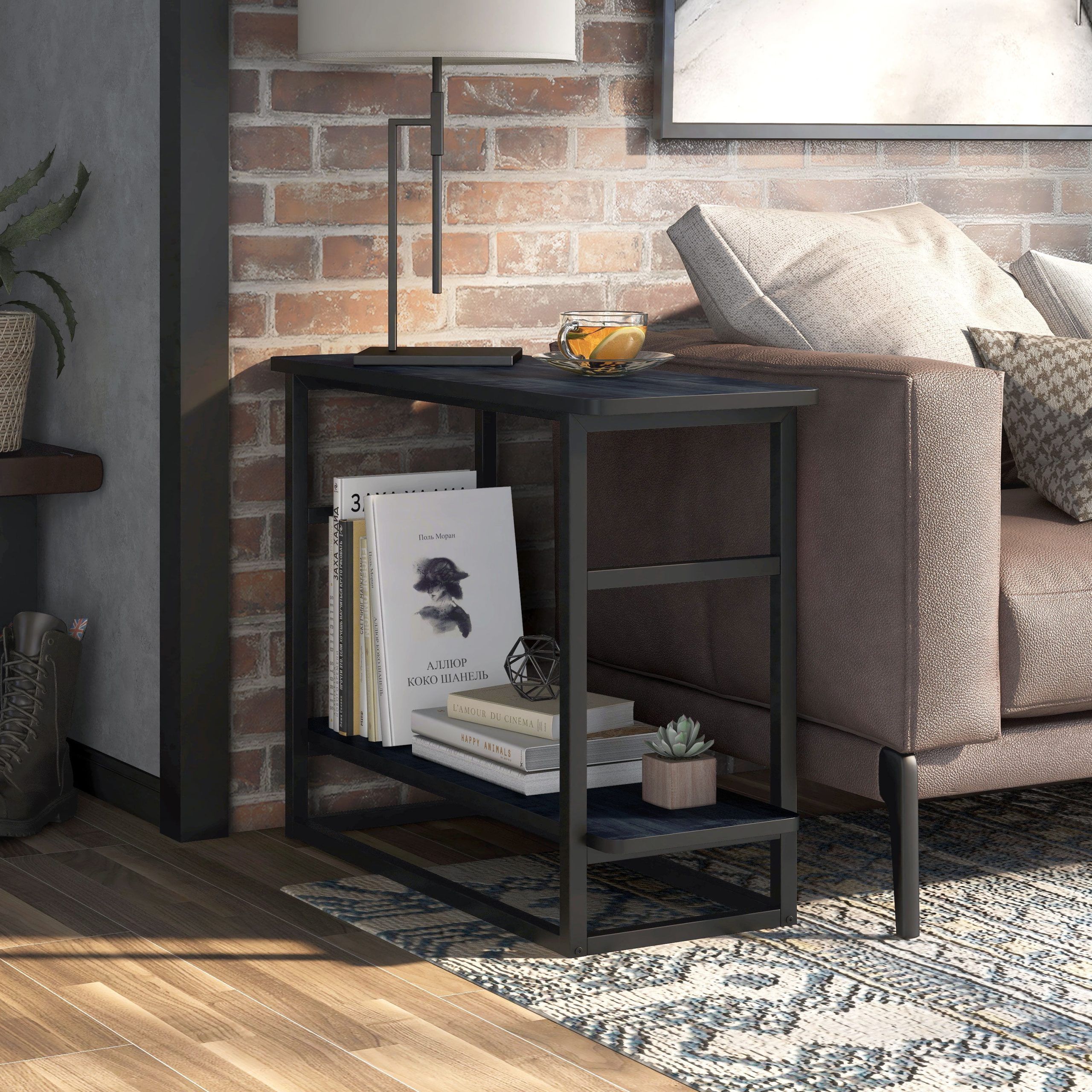
Think about the last time you sat in a living room and noticed the tables that sit beside your sofa. They might seem like simple furniture pieces, but they’ve transformed dramatically over the past decade. What started as basic functional items have now become statements of personal style and design philosophy. These modern quint accent tables aren’t just about placing your coffee cup or book – they’re about creating visual balance, defining spaces, and expressing individual taste.
The world of interior design has seen quite a shift when it comes to accent tables. Once relegated to the background, these pieces have now taken center stage in modern homes. The term ‘quint’ refers to something having five elements or aspects, and in the context of accent tables, it suggests a harmonious blend of form, function, materials, aesthetics, and innovation. Today’s designers are pushing boundaries, combining traditional craftsmanship with contemporary technology and fresh artistic visions. Whether you’re looking to update your living space or simply want to understand what makes certain tables so appealing, understanding these trends can help you make informed choices about your home décor.
Materials That Define Modern Aesthetics
What sets today’s accent tables apart is their material diversity. Designers are no longer limited to wood and metal alone. Glass has become incredibly popular, offering sleek transparency that makes rooms feel larger and more open. Concrete brings industrial grit to minimalist settings, while reclaimed wood adds warmth and character to modern interiors. Natural stone, such as marble or granite, provides luxury and durability that appeals to those seeking premium pieces.
Consider the contrast between a sleek tempered glass table with chrome legs versus a rustic reclaimed wood piece with brass hardware. Both serve the same basic function but create entirely different atmospheres. The choice of material often reflects the homeowner’s personality and lifestyle. For instance, a busy professional might prefer a low-profile glass table that minimizes maintenance, while someone who values authenticity might gravitate toward weathered wood finishes.
Key materials to watch:
• Tempered glass for clean lines and visual lightness
• Recycled metals for sustainable design
• Bamboo and rattan for organic textures
• Leather and velvet for soft touch surfaces
• Concrete for industrial appeal
Shape Innovations Transforming Spaces
The geometric revolution in accent table design is nothing short of remarkable. While traditional rectangular and circular shapes still dominate, designers are experimenting with bold new forms that challenge conventional thinking. Hexagonal tables create unique focal points, while oval designs offer softer edges that complement curved furniture pieces. Some tables feature asymmetrical designs that add visual interest without overwhelming the space.
Curved tables have gained popularity because they encourage conversation and feel less rigid than straight-edged alternatives. The concept of "soft geometry" has emerged, where sharp angles are softened with rounded edges or organic curves. This approach makes tables feel more welcoming and integrated into the overall room design.
Innovative shapes include:
• Triangular tables that fit into corner spaces
• Floating designs that appear to hover above the floor
• Multi-tiered platforms that add dimension
• Suspended elements that create dramatic shadows
• Modular components that can be rearranged
Color Psychology in Modern Design
Colors play a crucial role in how we perceive and interact with our surroundings. In accent table design, color choices go far beyond simple aesthetics – they influence mood, energy levels, and even social dynamics within a room. Neutral tones like whites, grays, and beiges continue to be popular because they provide versatility and timeless appeal. However, designers are increasingly incorporating bolder hues that make strong statements.
Warm earth tones such as terracotta, burnt orange, and deep browns create cozy environments that invite relaxation. Cool blues and greens bring a sense of calm and tranquility to busy spaces. Black and white combinations offer sophisticated contrast, while vibrant yellows and oranges inject energy and optimism.
The psychology behind color choices:
• Warm colors (reds, oranges, yellows) stimulate conversation and activity
• Cool colors (blues, greens, purples) promote relaxation and focus
• Neutral colors (whites, blacks, grays) provide stability and balance
• Bold colors (coral, emerald, royal blue) create focal points and drama
• Metallic accents (gold, silver, copper) add luxury and sophistication
Functionality Meets Form in Smart Design
Modern consumers demand more from their furniture than ever before. Accent tables today often incorporate hidden storage solutions, built-in lighting, and multi-purpose features that maximize utility without compromising beauty. Smart technology integration is becoming increasingly common, with some tables featuring wireless charging pads, LED strips, or even built-in speakers.
Storage innovations include:
• Hidden compartments that keep clutter out of sight
• Drawers that blend seamlessly with the main surface
• Shelving units that extend from the table base
• Pull-out trays for remote controls and small items
Lighting elements range from subtle underglow to integrated reading lights. Some tables even feature programmable LED strips that change color based on the time of day or user preferences. These additions make tables more than just decorative pieces – they become essential components of smart home ecosystems.
The trend toward multifunctional furniture reflects our increasingly busy lives and smaller living spaces. People want pieces that can adapt to different needs throughout the day, whether it’s a coffee table that doubles as a workspace or a side table with built-in charging capabilities.
Cultural Influences on Contemporary Designs
Globalization has brought diverse cultural influences into mainstream design, and accent table aesthetics are no exception. Scandinavian minimalism emphasizes clean lines and natural materials, while Japanese design focuses on simplicity and functionality. Mid-century modern elements bring retro charm with their iconic shapes and bold proportions. African-inspired patterns and textures add vibrancy and cultural richness.
These cross-cultural influences create exciting hybrid designs that speak to our interconnected world. A table might combine Scandinavian simplicity with Moroccan geometric patterns, or feature Japanese minimalism enhanced with Indonesian wood carving techniques. These fusions often result in pieces that feel both familiar and exotic.
Popular cultural design elements:
• Nordic clean lines with natural wood finishes
• Moroccan zellige tile patterns integrated into tabletops
• Japanese shibori textile influences in tablecloths
• Indian hand-block printing on wooden surfaces
• Mexican woven textiles incorporated into modern frames
Sustainability and Ethical Considerations
Environmental consciousness has moved from a niche concern to a mainstream expectation in modern design. Consumers are increasingly interested in how products are made, sourced, and disposed of. This awareness has led to significant changes in accent table production methods and materials.
Sustainable practices include:
• Using reclaimed or recycled materials wherever possible
• Choosing locally-sourced woods to reduce transportation impact
• Implementing eco-friendly finishing processes
• Designing for longevity rather than trendy obsolescence
• Offering repair services and replacement parts
Ethical manufacturing has also become important. Many companies now prioritize fair labor practices, transparent supply chains, and community engagement. This shift represents a broader movement toward conscious consumption that considers the entire lifecycle of products.
The rise of sustainable design shows that people want beautiful, functional furniture that aligns with their values. It’s not just about looking good – it’s about doing good too. This approach creates stronger emotional connections between consumers and their purchases, making each piece feel more meaningful and purposeful.
Modern quint accent table designs represent much more than simple furniture choices. They embody our changing lifestyles, technological advances, and evolving aesthetic preferences. As we move forward, these tables will likely continue adapting to meet our growing demands for functionality, sustainability, and personal expression. The key is understanding that each design element – from materials to colors to cultural influences – contributes to a larger narrative about how we live, work, and interact with our spaces. Whether you’re choosing your first accent table or updating your existing collection, recognizing these trends helps ensure your selection fits both your current needs and future aspirations. The most successful tables are those that balance timeless appeal with contemporary innovation, creating pieces that enhance rather than compete with the overall design of your home.