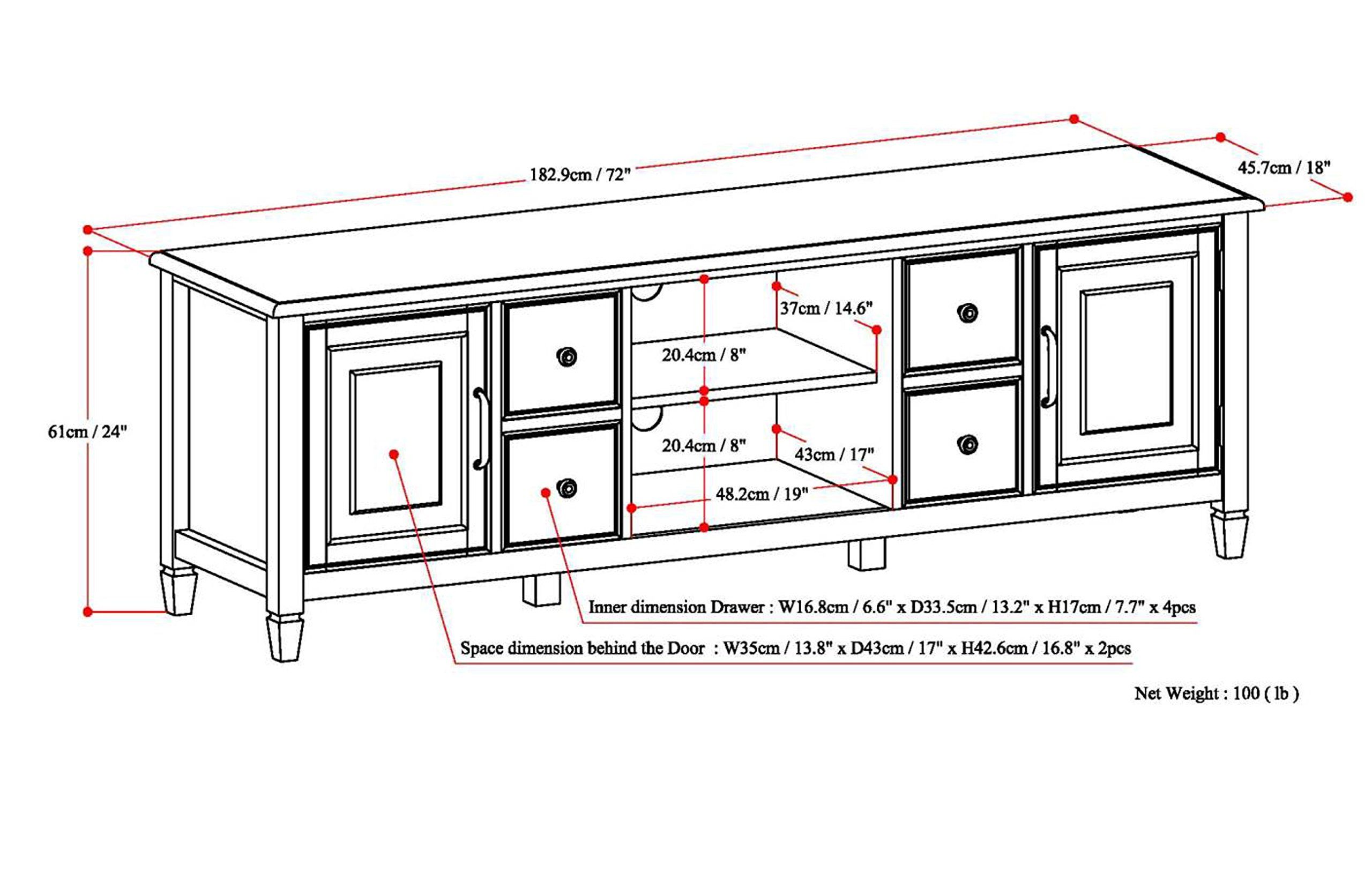
There’s something deeply satisfying about a well-crafted wooden TV stand. It’s not just furniture—it’s a statement of craftsmanship, durability, and timeless style. Whether you’re looking to upgrade your living room or simply appreciate the artistry behind these pieces, understanding their design elements reveals why they’ve remained popular for generations.
Traditional solid wood TV stands represent more than just functional furniture. They embody centuries of woodworking wisdom and aesthetic principles that continue to resonate with modern homeowners. These pieces often serve as the centerpiece of a room, combining practicality with visual appeal in ways that synthetic alternatives simply cannot match. When you look closely at these magnificent creations, you’ll find layers of intentional design choices that work together to create both beauty and utility.
The Foundation: Wood Selection and Grain Patterns
The heart of any traditional solid wood TV stand lies in its timber choice. Different woods bring unique characteristics to the table. Oak offers strength and distinctive grain patterns that tell a story of growth and time. Cherry wood develops a beautiful patina over decades, deepening to rich burgundy tones. Maple provides clean, even grains that showcase the natural beauty of the wood without overwhelming the senses. Walnut brings a sophisticated dark tone that works beautifully in both modern and traditional settings.
The grain pattern isn’t just decorative—it affects how light reflects off the surface and how the piece ages. Curved grain lines can create visual interest, while straight grain patterns offer a sense of calm order. Many master craftspeople spend considerable time selecting wood based on grain quality, as it directly impacts the final appearance and longevity of the piece. You might notice that some stands have a particular grain pattern that catches the eye immediately, and that’s no accident.
Structural Integrity: Joinery Techniques and Construction Methods
What makes a traditional solid wood TV stand truly special isn’t just the wood itself, but how it’s put together. The construction methods used in these pieces are often passed down through generations of craftsmen. Mortise and tenon joints, for example, create incredibly strong connections that can last for centuries. These aren’t the quick screws or nails you might see in mass-produced furniture.
Dovetail joints add both strength and beauty to drawers and compartments. They’re like tiny puzzles that fit together perfectly, creating a seamless connection between pieces. Some stands feature dovetails visible on the outside, making them a design feature rather than just a functional element. The craftsmanship involved in these techniques requires skill and patience, which is why traditional solid wood stands often cost more than their modern counterparts.
Consider how much effort goes into ensuring each joint aligns perfectly. A poorly executed joinery can cause a stand to wobble or even collapse over time. This attention to structural details is what separates a quality piece from a flimsy one.
Proportional Harmony: Balance and Scale in Design
Good design always considers how different elements relate to each other in size and placement. Traditional solid wood TV stands excel at achieving visual balance. The height, width, and depth of these pieces are carefully calculated to complement the television they hold while maintaining their own presence in the room.
A stand that’s too tall might overwhelm a small living space, while one that’s too short could make the TV look disconnected from its base. The proportions of the shelves, legs, and overall silhouette all work together to create a pleasing visual relationship. You’ll notice that many traditional designs follow classic ratios like the golden mean, which naturally feels comfortable to our eyes.
Think about how the stand’s proportions affect the entire room. Does it anchor the space or does it feel like it’s floating? The right balance creates a sense of stability and comfort that makes the room feel complete. This attention to scale makes traditional stands work in both large and small spaces.
Functional Design: Storage Solutions and Practical Features
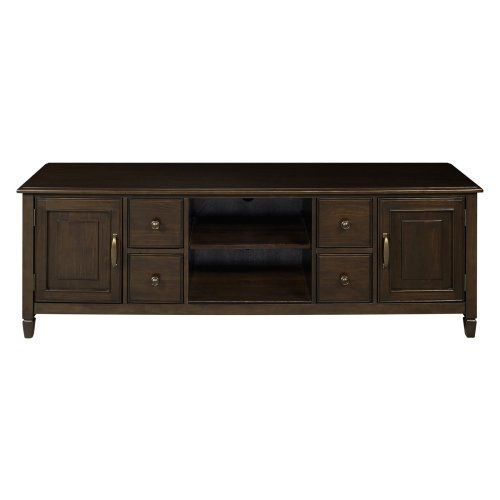
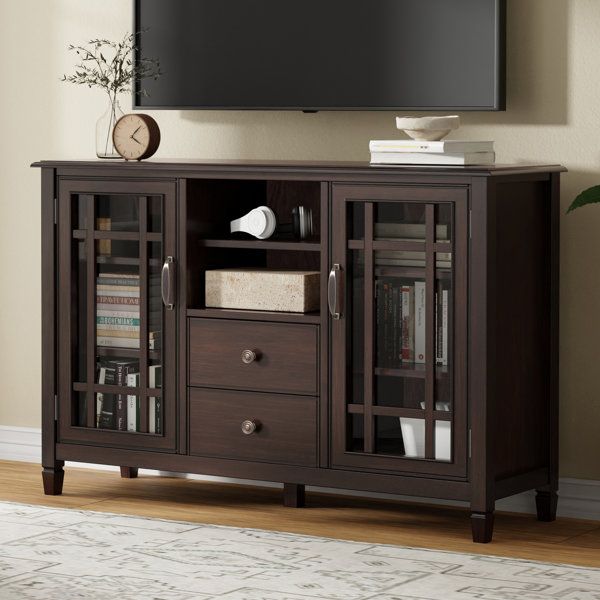
While aesthetics matter enormously, traditional solid wood TV stands never forget their primary purpose: to hold and organize your entertainment setup. The thoughtful integration of storage solutions shows the designer’s understanding of daily life. Hidden compartments can keep cables and devices out of sight, while open shelving allows for display of books, plants, or decorative items.
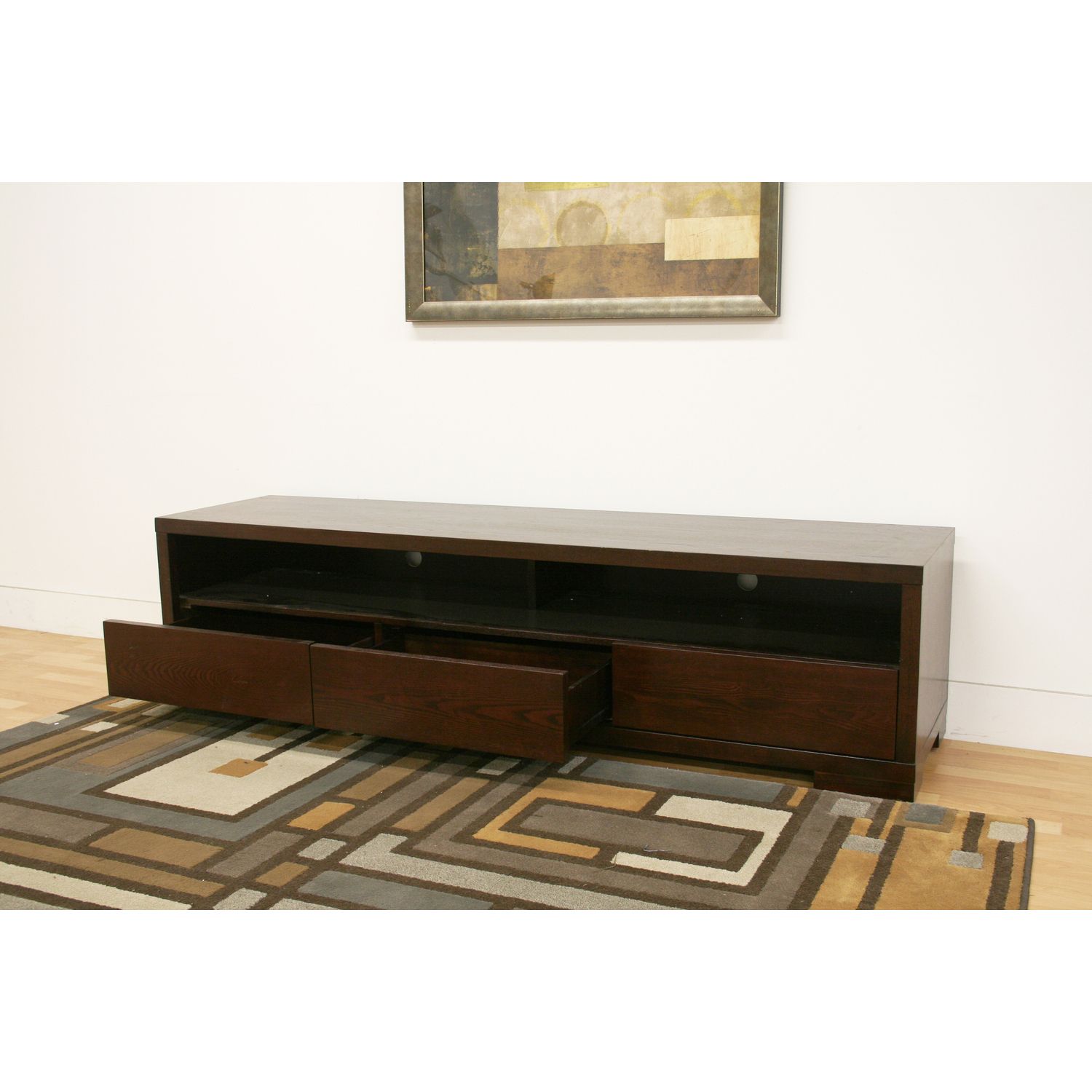
Many stands feature adjustable shelves, giving owners flexibility to accommodate different sizes of electronics. Drawer systems provide secure storage for remote controls, gaming accessories, and other essentials. The positioning of these features matters too—drawers should be easy to access, and shelves must support the weight of whatever sits upon them.
Some stands include built-in cable management systems, keeping wires neat and organized. This practical consideration often goes unnoticed but makes a huge difference in maintaining a clean, professional look. The best traditional stands consider how people actually live and use their spaces.
Surface Treatment and Finishing: Protecting and Enhancing Wood
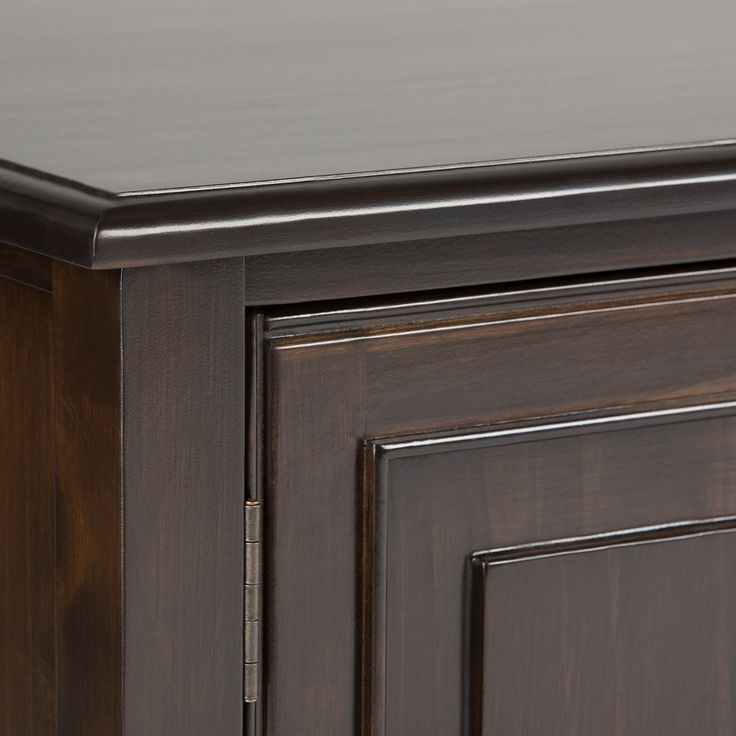
The finish on a traditional solid wood TV stand tells a story about its care and intended lifespan. Natural oils and waxes preserve the wood’s character while providing protection against moisture and wear. These treatments allow the wood to breathe and age gracefully, developing a subtle patina over time.
Some stands receive multiple coats of shellac or varnish, creating a protective barrier that highlights the wood’s natural beauty. Others use traditional linseed oil treatments that penetrate deep into the grain, enhancing the wood’s texture and color. The choice of finish affects not just appearance but also maintenance requirements.
Consider how different finishes age. A wax finish may require periodic reapplication, while a polyurethane coating might last longer but can look less natural. The right finish balances protection with the desire to maintain the wood’s organic qualities. Many collectors prefer the look and feel of unfinished or lightly finished pieces because they age with character.
Cultural Influences and Regional Variations
Traditional solid wood TV stands reflect the cultural heritage of their makers and the communities they came from. European designs often emphasize symmetry and classical proportions, while Asian influences might highlight natural materials and minimalist aesthetics. Scandinavian approaches favor clean lines and light woods that brighten spaces.
Each region developed unique techniques and preferences based on available resources and local tastes. For instance, American colonial styles often featured heavy, substantial pieces that suggested permanence and strength. English designs might incorporate more ornate details and carved elements. These differences show how design adapts to local conditions and cultural values.
Modern interpretations sometimes blend these regional influences, creating hybrid designs that honor tradition while meeting contemporary needs. Understanding these cultural roots helps appreciate why certain design choices were made. You might find that a stand reminds you of a grandmother’s house or evokes memories of travels to other countries.
Traditional solid wood TV stands represent the intersection of artistry and functionality in furniture design. Their enduring popularity comes from thoughtful consideration of materials, construction methods, and human interaction with objects. Every element—from the careful selection of wood to the precise execution of joinery—works together to create pieces that are both beautiful and lasting.
These stands don’t just hold televisions; they hold stories, traditions, and the accumulated wisdom of generations of craftspeople. When you choose a traditional solid wood TV stand, you’re investing in something that will continue to improve with age, becoming more beautiful and valuable over time. The design elements discussed here aren’t just technical specifications—they’re expressions of how we want our homes to feel and function. Whether you’re buying your first piece or adding to an existing collection, understanding these elements helps you make choices that reflect both personal taste and timeless principles.