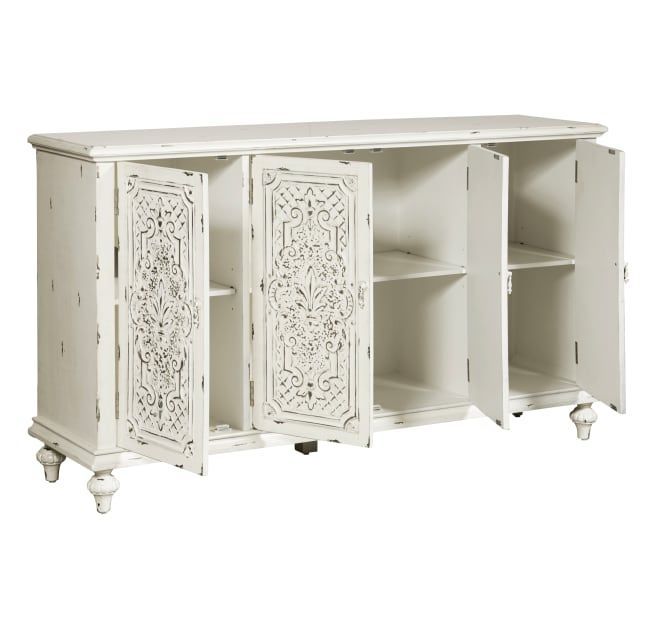
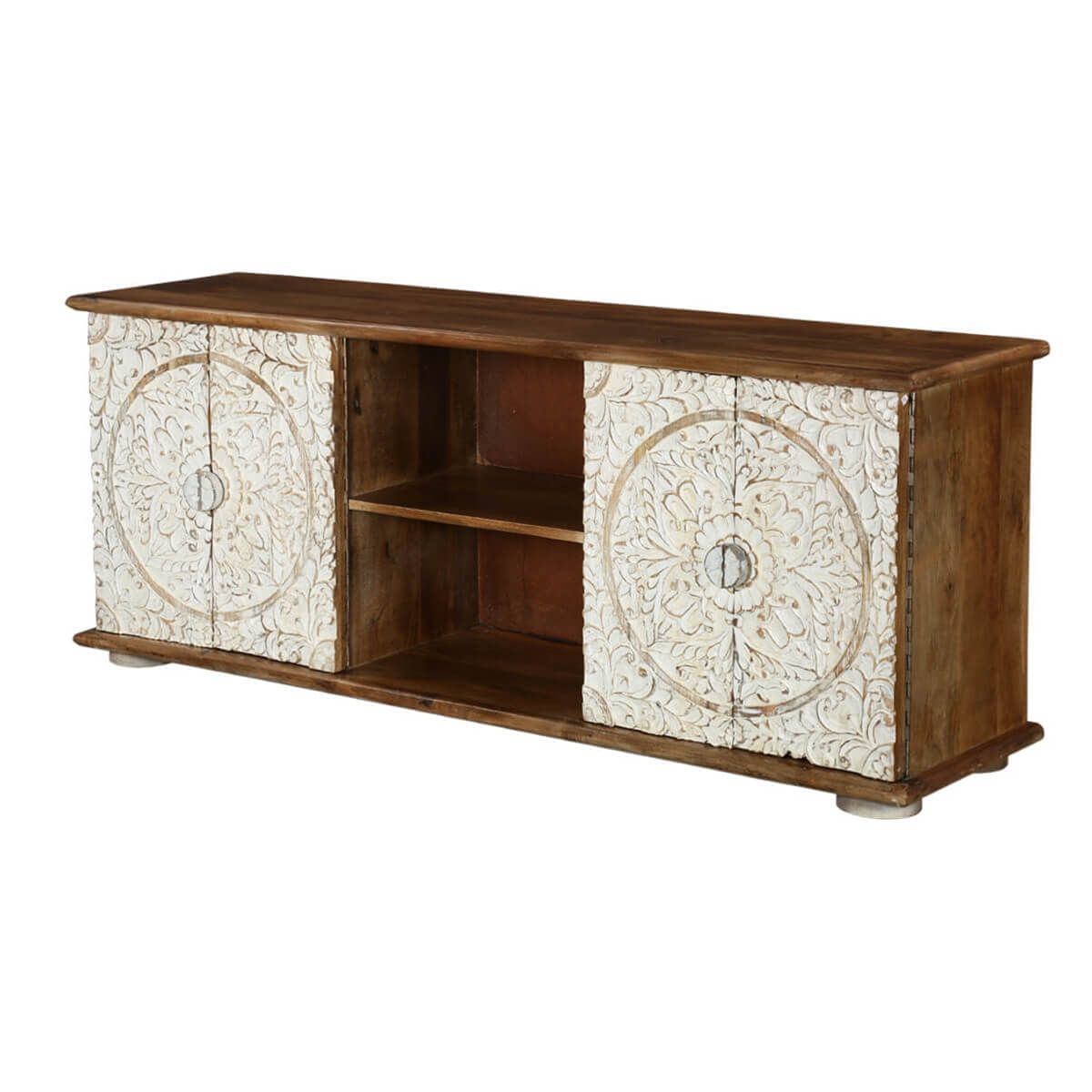
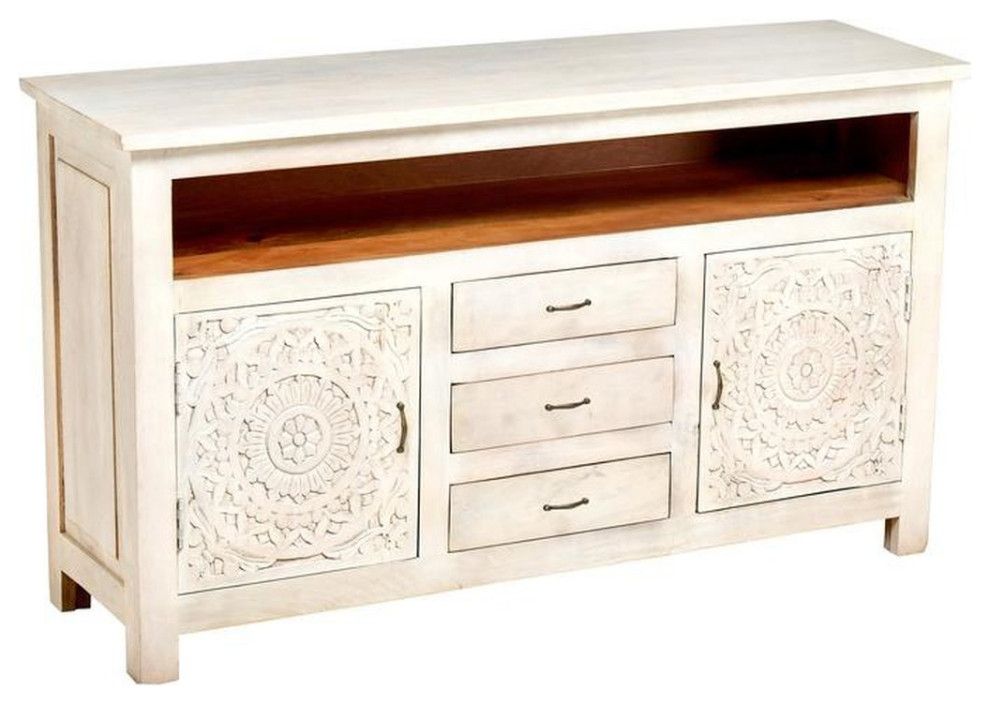
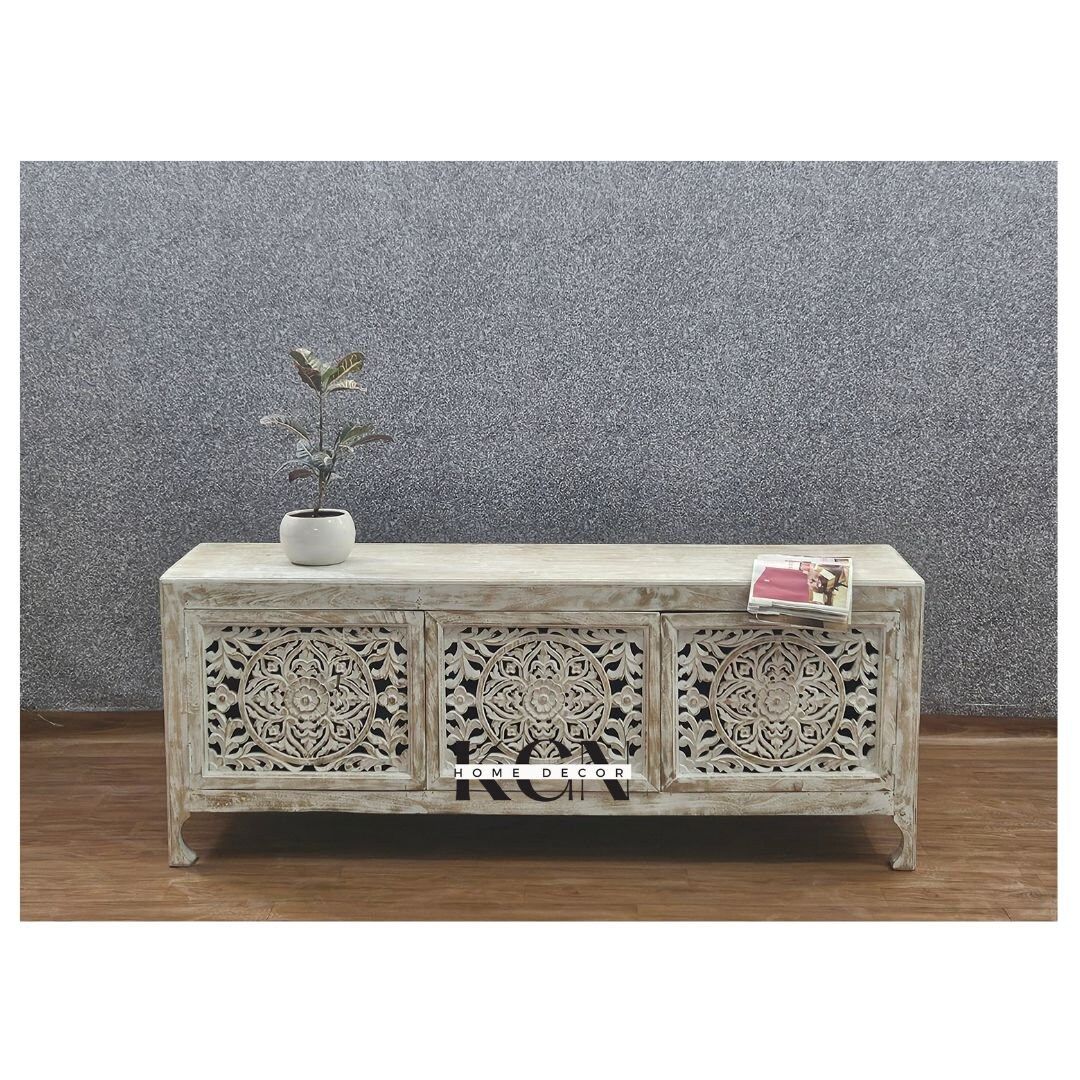
Picture this: You walk into a living room and your eyes are immediately drawn to a stunning wooden side table. Not just any table though – it’s intricately carved with delicate patterns that seem to dance across its surface. This isn’t some museum piece or antique收藏品. It’s a perfect example of how carved wood furniture is quietly taking over modern interiors. What started as a simple nod to traditional craftsmanship has evolved into something much bigger. The resurgence of carved wood isn’t just about nostalgia; it’s about bringing soul back into our increasingly digital lives.
In today’s fast-paced world where everything seems to move at lightning speed, there’s something deeply comforting about the deliberate, careful work that goes into carved wood furniture. These pieces don’t just sit in rooms – they tell stories. They carry the weight of tradition while adapting to the needs of modern life. From minimalist apartments to sprawling homes, carved wood furniture is finding its way into spaces where it was never expected to go. The trend isn’t just about looking good; it’s about creating spaces that feel alive with character and purpose. Whether you’re a design enthusiast or someone who simply appreciates beautiful things, the rise of carved wood furniture offers a fascinating glimpse into how we’re redefining what makes a space truly special.
What Makes Carved Wood Special
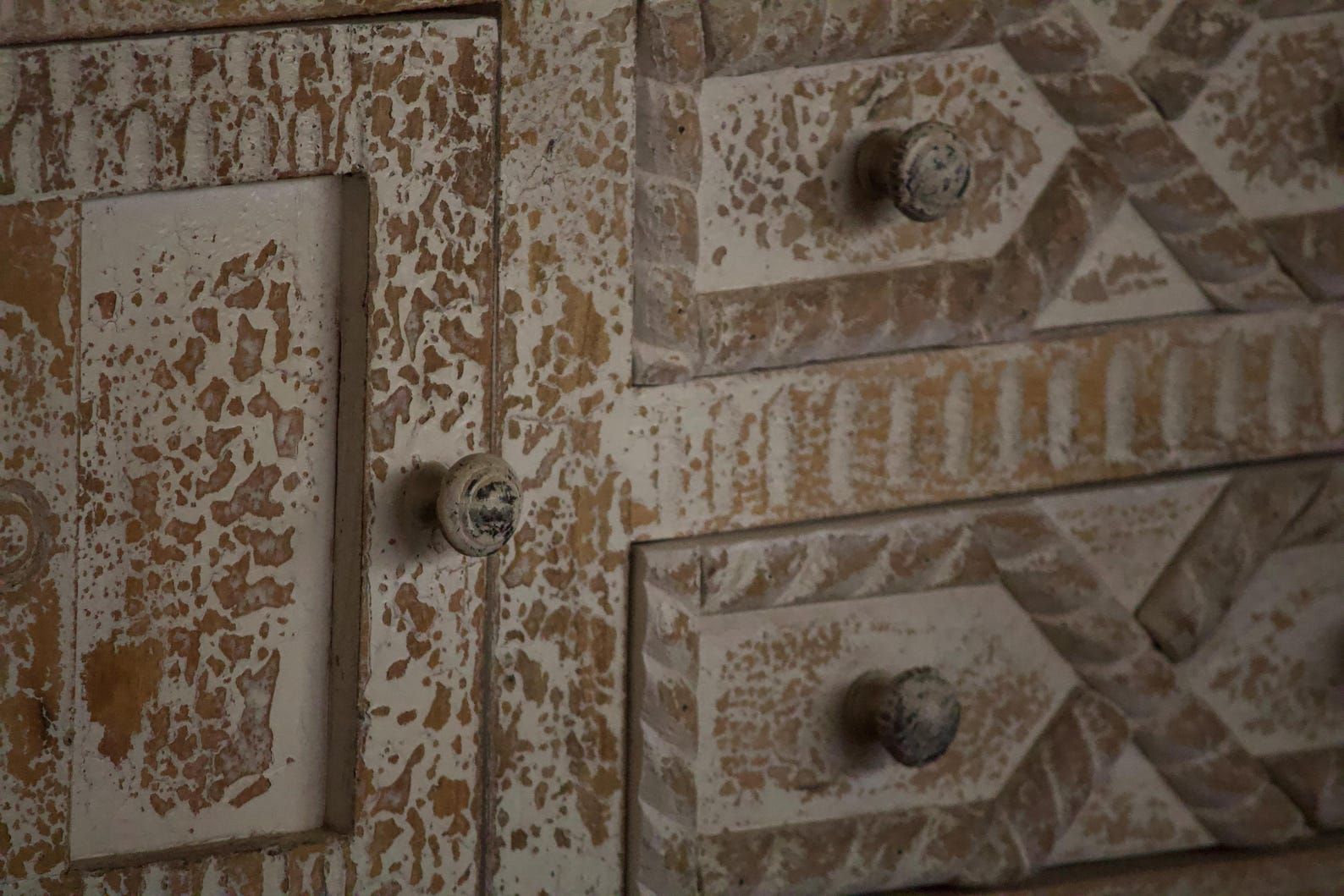
Carved wood furniture stands out because it combines ancient techniques with fresh perspectives. Unlike mass-produced alternatives, each carved piece tells a unique story. The process involves artisans spending hours, sometimes days, carefully shaping wood using traditional methods passed down through generations. This attention to detail creates furniture that’s both functional and artistic. Think about it – when you touch a carved wooden chair, you’re feeling the difference between a machine-made product and something crafted with care. The grain of the wood becomes part of the design, not just a background element. Each piece has slight variations that make it one-of-a-kind. These aren’t perfect copies; they’re imperfectly perfect works of art that add authenticity to any space.
The Modern Appeal of Traditional Techniques
Modern designers have discovered that traditional carving techniques offer something that computer-aided designs simply cannot match. The organic curves and natural flow of hand-carved elements create visual interest that feels fresh and exciting. Consider how a carved wooden dining table can transform a simple meal into a memorable experience. The texture of carved surfaces invites touch and creates a sensory connection that digital materials often miss. What’s particularly interesting is how these techniques adapt to contemporary styles. A sleek, modern living room can suddenly feel warmer and more inviting with a single carved accent piece. The contrast between clean lines and intricate details creates dynamic tension that keeps the eye moving and engaged.
Popular Styles and Designs
The carved wood movement encompasses several distinct styles, each offering different benefits. Art Deco influences bring geometric patterns that work beautifully in contemporary settings. Floral motifs remain timeless favorites, adding softness and elegance to spaces. Nature-inspired carvings like leaves, branches, and animals connect us to the natural world. Some designers are even experimenting with abstract patterns that blend traditional techniques with modern aesthetics. The key is choosing pieces that complement rather than compete with existing decor. A carved wooden mirror can serve as a striking focal point, while smaller items like carved trays or picture frames can add subtle sophistication to any room. The beauty lies in how versatile these pieces can be – they can be bold and statement-making or understated and refined.
Practical Benefits Beyond Aesthetics
Beyond looking impressive, carved wood furniture offers tangible advantages. The craftsmanship ensures durability that often surpasses mass-produced alternatives. Wood naturally regulates humidity and temperature, creating a more comfortable environment. Many carved pieces also provide excellent storage solutions, combining form and function seamlessly. The investment value is another consideration – quality carved furniture tends to appreciate rather than depreciate over time. Maintenance is relatively straightforward too; proper care keeps these pieces looking beautiful for decades. Additionally, the natural materials used in carving often come from sustainable sources, appealing to environmentally conscious consumers. These practical considerations make carved wood furniture a smart choice for those seeking lasting value.
Where to Find Quality Carved Wood Pieces
Finding authentic carved wood furniture requires some research and patience. Specialty shops often carry the most unique pieces, though they might be more expensive. Online marketplaces have expanded access to quality items, but buyers must verify authenticity carefully. Local artisans and craft fairs can offer personalized service and direct interaction with makers. Some established furniture retailers now feature carved wood collections, making them more accessible to average consumers. The key is understanding what to look for: consistent grain patterns, smooth finish, and proper weight that indicates quality construction. Building relationships with trusted dealers or craftspeople can lead to discovering hidden gems and custom pieces tailored to specific needs.
How to Incorporate Carved Wood Into Any Space
Integrating carved wood into existing decor doesn’t require a complete redesign. Start small with accent pieces like carved picture frames or decorative trays. Larger items such as dining tables or console cabinets can serve as room anchors. Consider how carved elements interact with lighting – carved surfaces catch and reflect light in interesting ways. Balance bold carved pieces with simpler furnishings to avoid overwhelming a space. The material works especially well in transitional styles that blend traditional and modern elements. For those starting with empty walls, carved wooden wall art can create instant visual impact. The trick is ensuring the carved pieces complement rather than clash with existing color schemes and textures.
The rise of carved wood furniture represents more than just a design trend – it’s a return to craftsmanship and authenticity in an age of mass production. These pieces remind us that beauty comes from careful attention to detail and respect for traditional skills. As we continue to seek meaning and character in our living spaces, carved wood furniture offers a bridge between past and future. Whether you’re drawn to the intricate patterns or simply appreciate the warmth these pieces bring, there’s no denying their growing influence on how we think about home design. The trend shows no signs of slowing down, suggesting that carved wood will continue to play an important role in shaping the spaces where we live and work. It’s not just about decorating anymore – it’s about creating environments that honor both heritage and innovation.