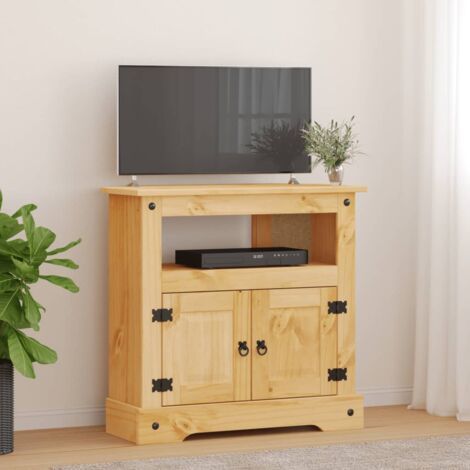
When you think about sturdy furniture, hardwoods like oak and maple often come to mind. But there’s a wonderfully versatile wood that’s been quietly revolutionizing home furnishings – pine. This softwood might not have the fancy reputation of its hardwood cousins, but it’s proving to be one of the most adaptable materials around. Whether you’re building a new dining table or refinishing old bedroom furniture, pine wood brings something special to every project.
Pine wood has been used for centuries in everything from simple household items to grand architectural features. It’s the kind of material that seems to appear everywhere in our homes, often without us even realizing it. From the wooden beams in your ceiling to the frame of your favorite chair, pine wood is probably playing a bigger role than you imagine. What makes this wood so remarkable isn’t just its availability, but how incredibly flexible it is when it comes to home furnishings. The beauty of pine lies in its natural character, its workability, and its ability to adapt to different styles and functions.
Natural Characteristics That Make Pine Special
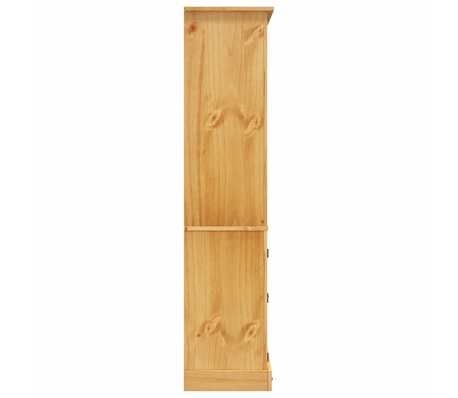
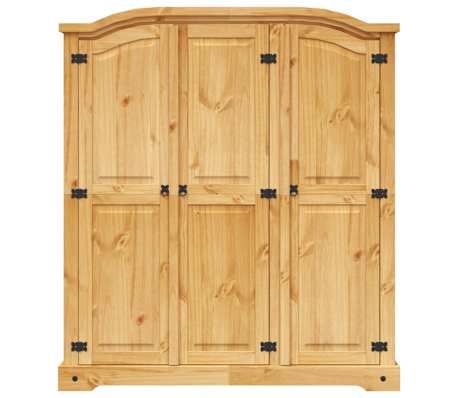
Pine wood has some unique traits that set it apart from other woods. First off, it’s naturally lightweight yet surprisingly strong. This means you can build substantial furniture without worrying about it being too heavy for your space. The grain pattern in pine is distinctive too – it often features knots and variations that give each piece a unique personality. These characteristics aren’t flaws; they’re part of what makes pine so appealing. When you look closely at pine furniture, you’ll notice the natural variations in color and texture that create visual interest. Some pieces might have a warm golden tone, while others display a lighter, almost creamy hue. The knots aren’t just decorative elements either – they actually add structural strength to the wood. Many people find themselves drawn to pine because of these natural imperfections. They remind us that there’s beauty in authenticity and that perfect isn’t always better. The wood’s ability to take stains and finishes beautifully means you can customize it to match any decor style.
Popular Uses in Modern Home Furnishings
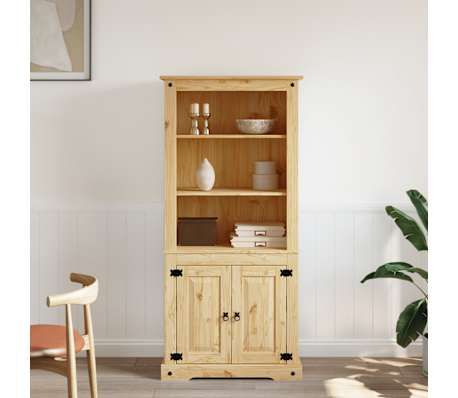
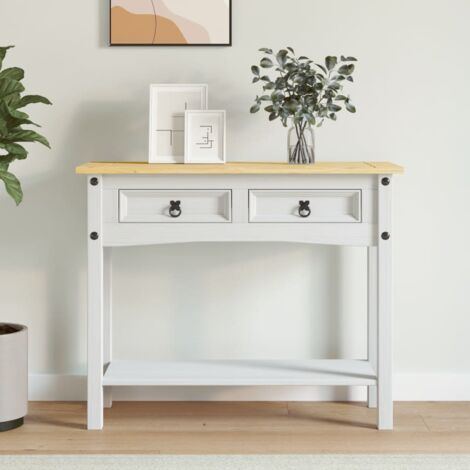
In today’s home design landscape, pine wood finds its way into all sorts of furniture. Dining tables made from pine are becoming increasingly popular, especially in casual settings. Their natural warmth complements modern interiors perfectly. Coffee tables, bookcases, and shelving units are common applications where pine excels. The wood’s affordability makes it accessible to more people, allowing them to create beautiful furniture without breaking their budget. You’ll find pine used in bedroom sets, office desks, and even outdoor furniture. The versatility extends beyond traditional furniture pieces. Pine is excellent for crafting decorative items like picture frames, wall art, and accent pieces. Some homeowners even use pine for flooring, though it requires more maintenance than hardwood options. The key is understanding that pine responds well to various treatments and finishes, making it suitable for many different applications. Whether you’re building a custom piece or shopping for ready-made furniture, pine offers options that suit different lifestyles and budgets. The wood’s natural resistance to insects and moisture also adds to its appeal for everyday use.
Working With Pine: Tips for DIY Enthusiasts
If you’re thinking about working with pine wood yourself, there are several things to keep in mind. Pine is relatively easy to work with compared to harder woods, which makes it great for beginners. The grain runs straight and smooth, making cutting and shaping straightforward. However, pine does require some special attention during finishing. Because it’s a softwood, it can be prone to dents and scratches, especially if you’re using it for high-traffic areas. Sanding pine properly is crucial for achieving a smooth finish. Start with coarse grit sandpaper and work your way up to fine grit. Pine tends to absorb stain unevenly, so it’s helpful to apply a wood conditioner first. This helps ensure even color distribution across the surface. For those planning to paint pine furniture, priming is essential. Without proper preparation, paint may peel or chip over time. The wood’s natural tendency to expand and contract with humidity changes means you’ll want to account for this in your construction. Using appropriate joinery methods and allowing extra room for movement can prevent future problems. Pine also benefits from regular maintenance, especially if it’s exposed to moisture or frequent use.
Cost Considerations and Value Proposition
One of the biggest advantages of pine wood is its cost-effectiveness. Compared to hardwoods like cherry or walnut, pine is significantly more affordable. This accessibility means more people can enjoy quality furniture made from natural wood. The price varies depending on the type of pine and how it’s processed. Eastern white pine is typically less expensive than western yellow pine, but both offer excellent value. When you factor in the labor costs of custom furniture, pine becomes even more attractive. You can get a lot of functionality for your money with pine wood. The material’s availability also means fewer delays in sourcing, which can save you time and potentially money. While some might assume that cheaper wood equals lower quality, pine proves otherwise. High-quality pine furniture can last decades with proper care and maintenance. The wood’s durability depends more on craftsmanship and finishing than on the inherent properties of the wood itself. Many manufacturers offer warranties on pine furniture, showing confidence in its longevity. It’s worth noting that pine furniture often increases in value over time, especially if it’s well-made and maintained. Some collectors actively seek out vintage pine pieces because of their craftsmanship and history.
Maintenance and Longevity Factors
Proper care can extend the life of pine wood furniture significantly. Regular cleaning with a damp cloth and mild soap works well for routine maintenance. Avoid using harsh chemicals or abrasive cleaners that could damage the finish. Pine furniture should be protected from direct sunlight, which can cause fading over time. Humidity control is also important – extreme dryness or moisture can cause warping or cracking. Applying protective finishes regularly helps maintain the wood’s appearance and integrity. A good quality wood oil or wax can enhance the natural beauty of pine while providing protection. For heavily used pieces, consider re-finishing every few years to maintain their appearance. Scratches and minor dents can usually be repaired with simple touch-up techniques. Pine’s natural flexibility means it can handle small movements without breaking. However, it’s still susceptible to damage from impacts or excessive weight. Proper placement and usage habits go a long way toward preserving pine furniture. Some people choose to use coasters, placemats, and furniture pads to protect surfaces. The wood’s natural properties mean it will age gracefully, developing a patina that many find attractive. Over time, pine furniture often takes on a warm, lived-in look that speaks to its character and history.
Sustainability and Environmental Impact
In today’s environmentally conscious world, the sustainability of materials matters more than ever. Pine wood has some significant environmental advantages. Pine trees grow relatively quickly compared to hardwoods, making them a renewable resource. Many pine forests are managed sustainably, ensuring that harvesting doesn’t harm ecosystems. The wood itself is biodegradable and recyclable, unlike synthetic materials that persist in landfills. Pine furniture often contains fewer chemicals than other materials, making it a healthier choice for indoor environments. The wood’s natural properties mean it requires less processing to reach usable forms. This reduces energy consumption and pollution associated with manufacturing. Many manufacturers now offer pine furniture made from reclaimed wood, further reducing environmental impact. The carbon footprint of pine furniture is generally lower than that of metal or plastic alternatives. Some companies even plant new trees for every piece of pine they harvest, creating a positive environmental cycle. The wood’s durability means it doesn’t need replacing as frequently as cheaper alternatives, which reduces overall waste. Choosing pine furniture supports sustainable forestry practices and reduces demand for less eco-friendly materials.
Pine wood stands out as one of the most versatile materials available for home furnishings. Its combination of affordability, workability, and natural beauty makes it an excellent choice for everything from everyday furniture to special projects. Whether you’re a seasoned woodworker or someone looking to add a touch of natural elegance to your home, pine offers something special. The wood’s ability to age gracefully while maintaining its functionality shows how well it suits modern living. The environmental benefits add another layer of appeal for those concerned about sustainability. Pine wood continues to prove that you don’t need to compromise on quality to enjoy beautiful, functional furniture. As we continue to seek materials that balance practicality with aesthetics, pine remains a reliable and appealing option. Its presence in homes around the world tells us that this wood has earned its place in modern furniture design. The next time you see a pine piece in your home, remember that you’re experiencing the best of what natural wood can offer – versatility, beauty, and lasting value.