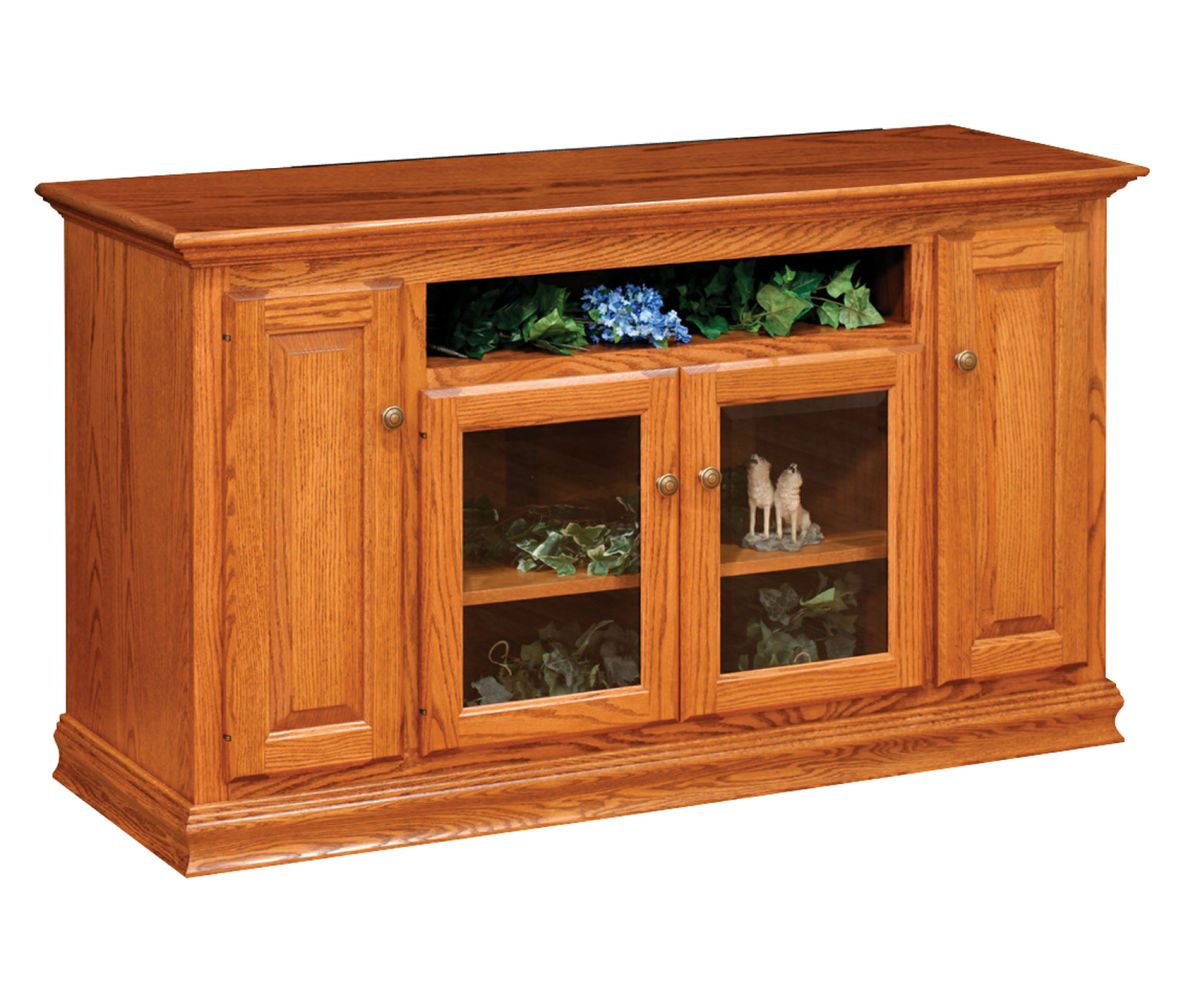
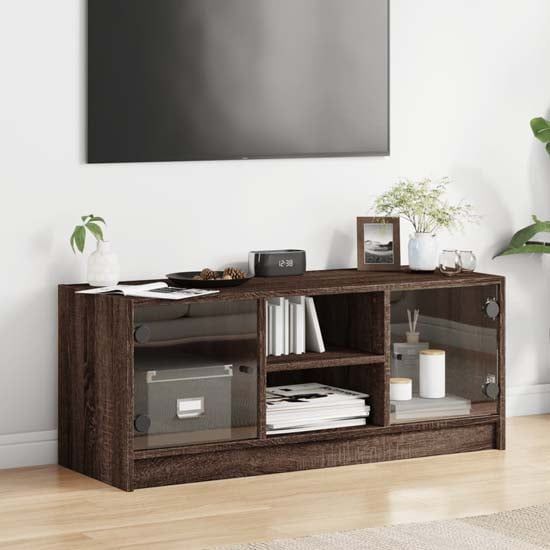
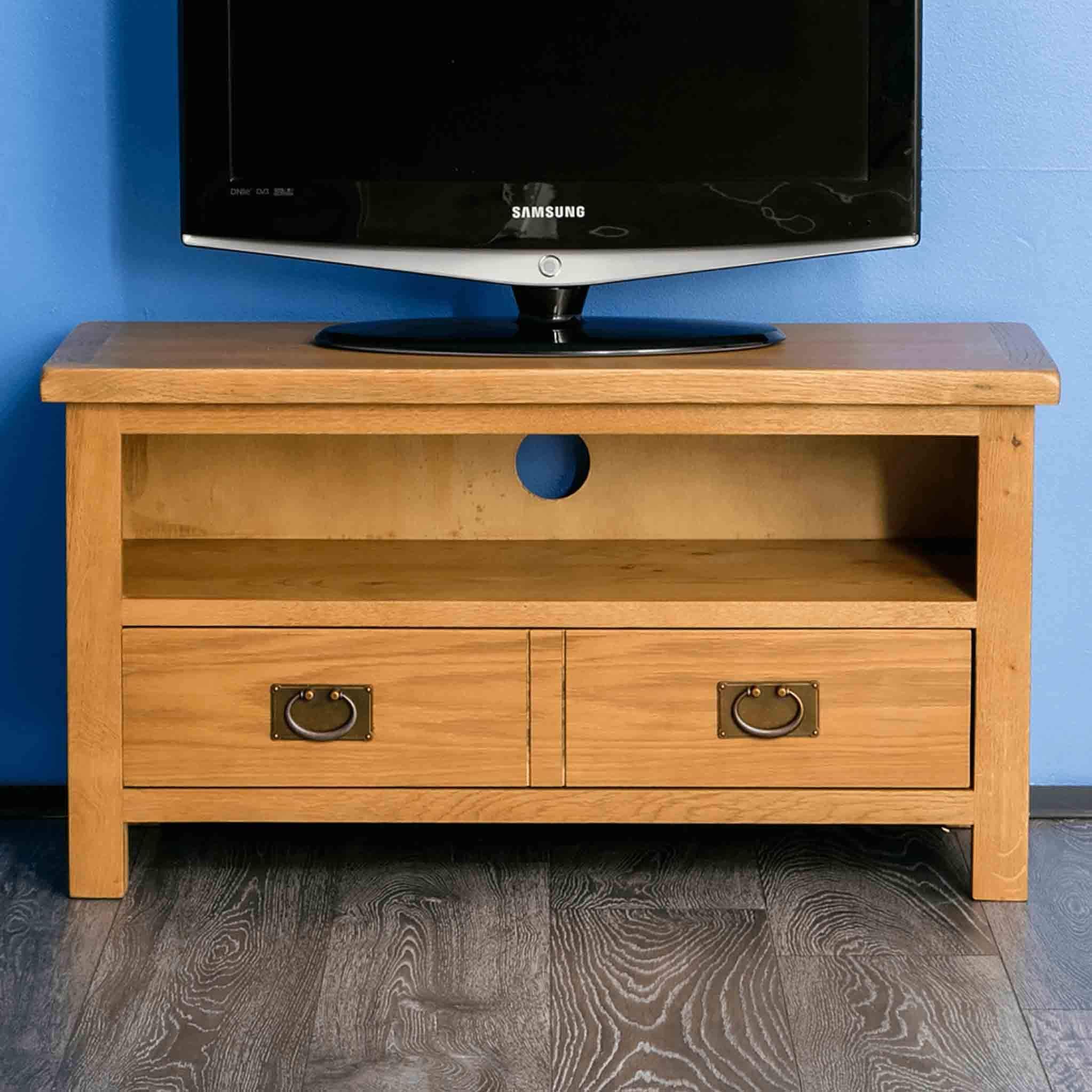
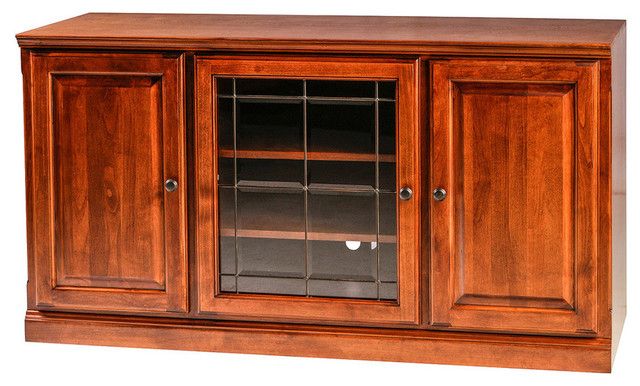
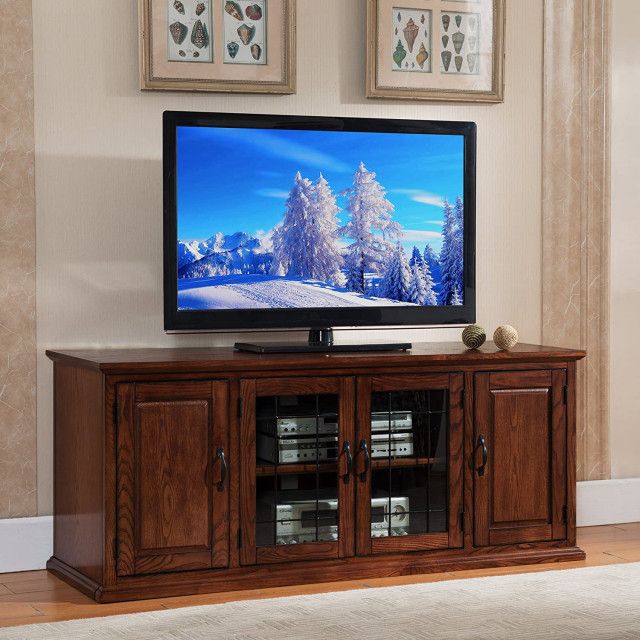
In the world of traditional furniture, every element tells a story. But perhaps none more so than the humble door. These often-overlooked components carry tremendous weight in creating visual harmony within a piece. They’re not just functional elements – they’re the artistic choices that make or break the overall aesthetic appeal.
When we think about traditional furniture, our minds often jump to rich woods, intricate carvings, and timeless designs. Yet there’s a subtle art that many overlook – the careful selection of doors for traditional pieces. It’s a detail that can either elevate a piece to extraordinary beauty or diminish its potential entirely. The right door choice creates a sense of unity, while the wrong one can make even the most exquisite furniture feel disjointed. This isn’t just about matching wood tones or copying historical patterns. It’s about understanding how each component contributes to the whole, how each door becomes part of a larger conversation between form and function.
Understanding the Foundation of Visual Balance
Visual harmony in traditional furniture begins with balance. This means that no single element – including doors – should dominate the composition. Consider how the proportions of a door relate to the overall dimensions of the piece. A door that’s too large might overwhelm a delicate cabinet, while one that’s too small could make the entire structure feel incomplete.
Think about the golden ratio, or even simpler concepts like symmetry. When a door aligns with these principles, it naturally draws the eye in a pleasing way. The size, shape, and placement all work together to create that feeling of completeness that traditional pieces demand. What makes a door visually balanced? Often, it’s the relationship between its edges and the surrounding surfaces. Does it feel like it belongs? Or does it seem like an afterthought?
Traditional craftsmanship understood this instinctively. Master craftspeople knew that a well-proportioned door wasn’t just about measurements – it was about emotional resonance. When you look at a beautiful traditional piece, you’re seeing hundreds of decisions made to create visual equilibrium.
The Role of Materials and Their Natural Characteristics
The materials chosen for doors play a crucial role in achieving visual harmony. Wood types, grain patterns, and natural variations all contribute to the overall aesthetic. Oak brings strength and warmth, while cherry develops a beautiful patina over time. Maple offers clean lines and consistency, and walnut provides deep richness that commands attention.
But it’s not just about choosing pretty woods. You must consider how different materials interact with each other. A door made from a lighter wood next to darker accents needs careful consideration. The contrast should enhance rather than clash. Sometimes, using similar woods throughout a piece creates a seamless flow that makes everything feel connected.
Consider how light reflects off different surfaces. A door with a glossy finish will catch light differently than one with a matte surface. These subtle differences can dramatically change how the piece appears throughout the day. A traditional piece that looks stunning in morning light might appear flat in evening shadows if the door’s material isn’t carefully considered.
The texture of wood grain also matters. Some grains are bold and dramatic, others gentle and subtle. Matching these characteristics helps create a cohesive visual experience.
Hardware as Visual Anchors
Hardware choices might seem small, but they’re essential anchors for visual harmony. Handles, pulls, and hinges aren’t just functional – they’re design statements. The style of hardware should echo the overall aesthetic of the piece. Victorian furniture calls for ornate brass fixtures, while simpler Georgian designs prefer understated metalwork.
What happens when hardware doesn’t match the overall design? It creates a jarring disconnect. Imagine a beautiful traditional cabinet with a perfectly crafted door, but the hardware looks like it belongs in a modern kitchen. The entire piece loses its coherence.
The placement of hardware also matters. Where you put handles affects how the door appears. A handle centered on a door creates a different visual impact than one placed toward the edge. Traditional pieces often use multiple hardware elements strategically placed to guide the eye along the door’s surface.
Sometimes, the hardware itself becomes the focal point. In some cases, this is intentional – a beautifully carved handle can become the star of the show. Other times, it’s about maintaining balance. A simple piece might benefit from a single elegant hardware choice, while a more elaborate piece might need several carefully positioned elements.
Design Elements That Tell Stories
Traditional furniture doors often incorporate design elements that tell stories about their era, region, or intended use. These details are like words in a language – each element contributes to the overall narrative. A door with raised panels suggests a particular time period, while carved motifs might indicate cultural influences.
Consider the difference between a door with simple flat panels versus one with intricate raised sections. The latter often indicates higher craftsmanship and wealth. But it also requires more careful planning to ensure that the carving complements rather than overwhelms the piece.
Molding profiles add another layer of complexity. Whether it’s a simple round edge or an elaborate scroll pattern, these details affect how light moves across the surface and how the door relates to its surroundings. The right molding can make a door appear to float, while the wrong one can make it look heavy and awkward.
Sometimes, the design elements themselves are the main attraction. In some traditional pieces, the door’s decorative features are so striking that they become the primary focus of the entire piece. This is where the door truly becomes an artwork in its own right.
Color and Finish Considerations
Color and finish choices for doors can make or break visual harmony in traditional furniture. The right approach considers not just the immediate appearance, but how the color interacts with lighting conditions and surrounding elements.
Natural wood tones often provide the most harmonious foundation. However, the specific shade matters enormously. A light oak door might complement a cream-colored wall perfectly, but could clash with a dark wooden floor. The key is understanding the color relationships within the broader environment.
Staining techniques also influence the final result. A door that’s heavily stained might create a dramatic contrast, while a lightly stained piece might blend more seamlessly. Sometimes, the finish itself – whether it’s matte, satin, or glossy – can shift the entire character of the piece.
Consider the aging process. Traditional pieces are meant to develop character over time. A door that looks great today might benefit from a finish that ages gracefully. Some finishes fade beautifully, while others might look dated quickly.
Lighting conditions matter more than you might expect. A door that looks perfect under bright studio lights might appear too dark or too bright in actual home settings. Testing different finishes under various lighting conditions helps ensure the final result works in real life.
Practical Considerations That Don’t Compromise Beauty
While aesthetics are important, practical considerations shouldn’t be ignored when selecting doors for traditional furniture. Functionality and beauty should work hand-in-hand.
The weight of a door affects how it opens and closes. A door that’s too heavy might require stronger hinges, potentially changing the overall look of the piece. Conversely, a door that’s too light might feel flimsy or unstable.
The thickness of the door also matters. Thicker doors provide better sound insulation and structural support, but they also change how the piece appears. A thin door might seem delicate and elegant, while a thick one suggests sturdiness and permanence.
Accessibility is another factor. In traditional homes, doors often serve multiple purposes – they might open to reveal storage, display, or even serve as room dividers. The door’s function affects its design choices. A display cabinet door might prioritize visual appeal, while a storage door might emphasize practicality.
Finally, maintenance requirements should factor into the decision. Some finishes require regular care, while others are more forgiving. A traditional piece that’s beautiful but difficult to maintain might not serve its purpose well. The door should be both attractive and durable.
Choosing doors for traditional furniture isn’t just about selecting the right piece – it’s about understanding how that piece fits into the bigger picture. Every decision, from material selection to hardware choice, contributes to the overall harmony of the design. The most successful traditional pieces demonstrate that thoughtful door selection can elevate simple components into meaningful artistic statements.
Remember, visual harmony isn’t about perfection – it’s about intentionality. When you approach door selection with awareness of how each element relates to the whole, you create furniture that feels alive and purposeful. The best traditional pieces don’t just exist in space – they inhabit it with confidence and grace. They communicate through their careful attention to detail, showing us that beauty and functionality can coexist perfectly. The doors in these pieces don’t just open and close – they tell stories, create moods, and connect us to centuries of craftsmanship and design wisdom.