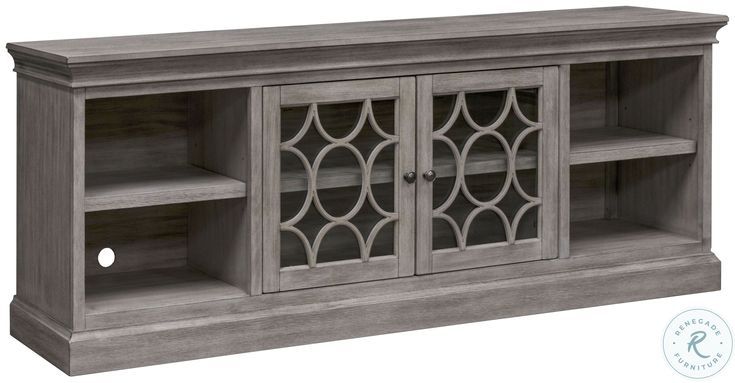
Oversized furniture can transform a room, but it’s easy to go overboard. The key isn’t just about size—it’s about creating visual harmony that makes your space feel intentional and comfortable.
Think about it—how many times have you walked into a room and felt like something was off? Maybe it’s too cluttered, maybe it feels empty, or perhaps there’s just something that doesn’t quite sit right. Often, the culprit is oversized furniture that’s been placed without thought. These grand pieces can either elevate a room or completely overwhelm it. It all comes down to balance—something we’re naturally drawn to, whether we realize it or not. The secret lies in understanding how to make these bold statements work for you rather than against you.
Understanding Visual Weight in Design
Visual weight is all about how much attention an object draws in a room. Large furniture pieces naturally carry more visual weight than smaller items. Think of it like a seesaw—the heavier end will tip the whole thing. When you place oversized furniture, you’re essentially adding a heavy load to your room’s design. But here’s the twist—visual weight isn’t just about physical size. A large, dark piece can feel heavier than a small, light-colored one. The color, texture, and even the shape of an item influence how our eyes perceive it. Understanding this helps you make better choices when placing big furniture.
The Rule of Three: Creating Symmetry with Big Items
Symmetry is a powerful tool in design, especially with oversized furniture. The rule of three suggests grouping items in threes rather than pairs. This creates a more dynamic and pleasing composition. Picture a large sofa flanked by two matching armchairs, or a dining table surrounded by three side chairs. It’s not just about matching pieces, though that works too. You might have a big console table with a pair of tall side tables on either side. The idea is to avoid having everything perfectly centered or balanced in a way that feels rigid. Sometimes, a little asymmetry adds personality and keeps things interesting.
Playing with Scale and Proportion
Scale refers to how large or small something appears relative to its surroundings. Proportion is about how well different elements fit together in size. When you bring oversized furniture into a space, you’re changing the scale of the entire room. That means you need to consider how everything else relates to your big pieces. For example, if you have a massive sectional sofa, your coffee table should either be equally large or significantly smaller to create contrast. If your room is small, a huge piece can make it feel tiny. But if you have a spacious area, a big sofa can actually make the space feel more grounded and cozy. It’s all about playing with proportions until they feel right.
Using Color and Texture to Balance Bold Statements
Color and texture are your best friends when working with oversized furniture. If you’ve got a dark, heavy-looking piece, consider balancing it with lighter, airy textures elsewhere in the room. A cream-colored rug can soften a dark wooden dining table. Or, if you have a bright, colorful chair, pair it with neutral walls to let it stand out. Texture also plays a role. Smooth surfaces can look stark next to rough or patterned materials. Try mixing textures to create depth and interest. Maybe your oversized bed frame is wood, but you add a soft throw blanket and a knitted pillow to soften the look.
The Importance of Negative Space Around Big Furniture
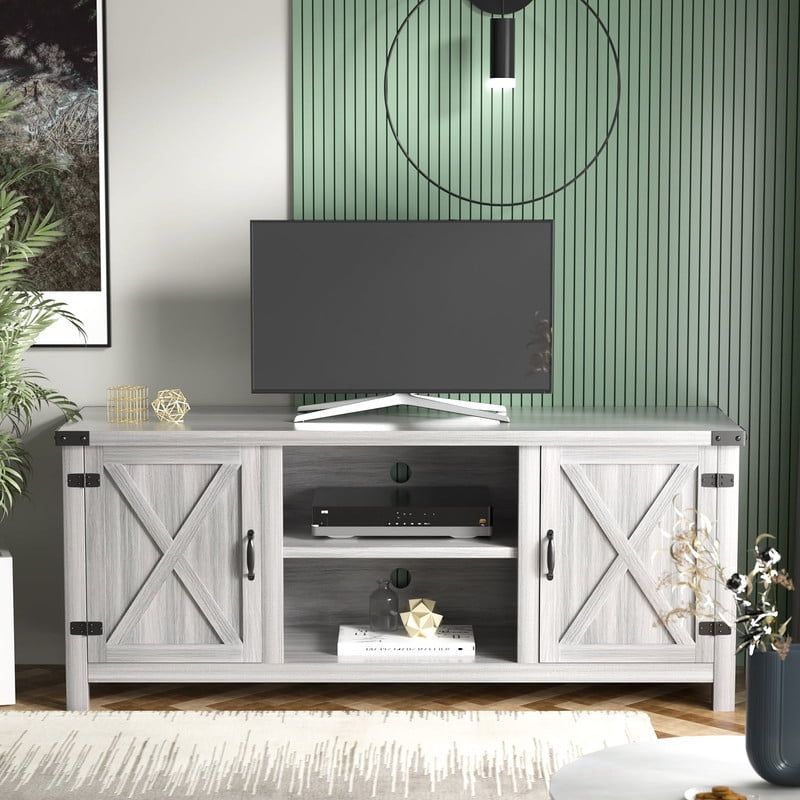
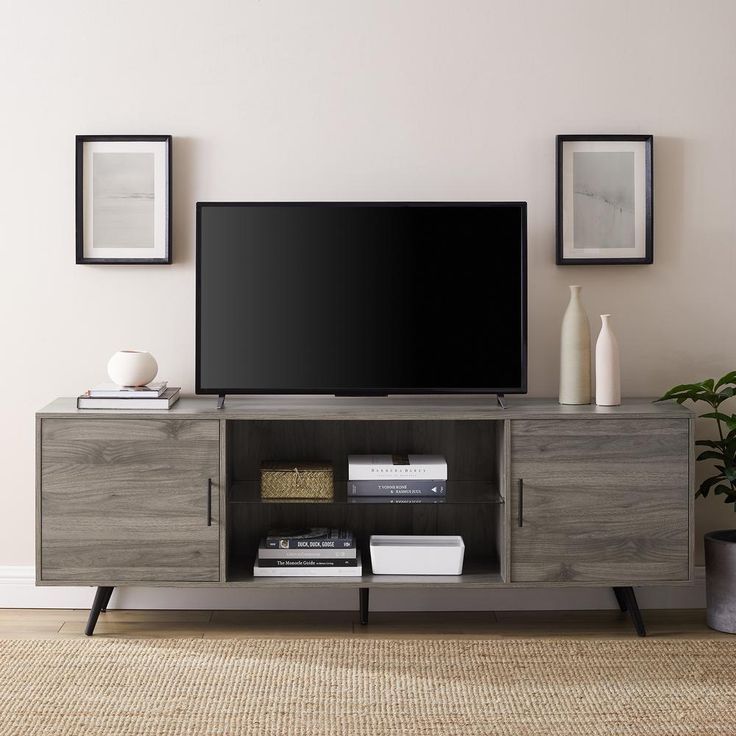
This might sound counterintuitive, but leaving some space around your oversized furniture is crucial. Think of it like breathing room. If you cram a large sofa right against the wall, it can make the room feel cramped. Instead, leave some distance between the piece and the walls, or even between the piece and other items. This gives the eye a place to rest and prevents the room from feeling too busy. Negative space also helps define the purpose of each area. If you have a big entertainment center, make sure there’s enough room to move around it. A few feet of open floor space can make a dramatic difference in how a room feels.
Practical Tips for Placement and Layout
Here are some real-world strategies that work:
• Place oversized furniture against walls that aren’t the main focal point of the room.
• Use smaller decorative items to break up the scale of large pieces.
• Consider the flow of traffic when placing big furniture—make sure people can move easily around it.
• Try to avoid placing oversized pieces in the center of the room unless the space is very large.
• If you’re unsure, ask someone else to walk through the room and see if anything looks awkward or crowded.
These aren’t hard rules, but they’re starting points. Every room is different, and what works in one space might not work in another. The key is to keep experimenting until you find what feels right.
Real-Life Examples That Work
Let’s look at some actual situations where oversized furniture was used well:
• A living room with a massive leather sofa that was balanced by a small, round coffee table and a couple of accent chairs.
• A dining room with a huge wooden table that was softened by a light-colored runner and simple, elegant chairs.
• A bedroom with a giant canopy bed that was balanced by a small nightstand and a couple of small lamps.
In each case, the oversized piece was carefully paired with smaller elements that created a sense of calm and order. The result? A room that felt both grand and comfortable, with no sense of overwhelming size.
Common Mistakes to Avoid
Even experienced designers sometimes fall into these traps:
• Using too many oversized pieces in one space.
• Not considering the room’s natural proportions when placing big furniture.
• Ignoring the need for movement and traffic flow around large items.
• Choosing furniture that’s too heavy for the space in terms of visual weight.
If you’re not careful, these mistakes can turn a beautiful room into a confusing mess. Remember, less is often more when it comes to big furniture. Start small and build up gradually.
Oversized furniture can be a game-changer for any room, but it needs to be handled with care. The trick is finding that sweet spot where the piece enhances the space rather than dominating it. It’s not about avoiding big pieces altogether—it’s about knowing how to make them work for you. By understanding visual weight, playing with scale and proportion, and using color and texture wisely, you can create spaces that feel both impressive and inviting. The most important thing is to approach it with intention. Every decision you make should serve the overall vibe of your room. So take your time, experiment, and trust your instincts. After all, your home should reflect your personal style, not just what’s trendy.