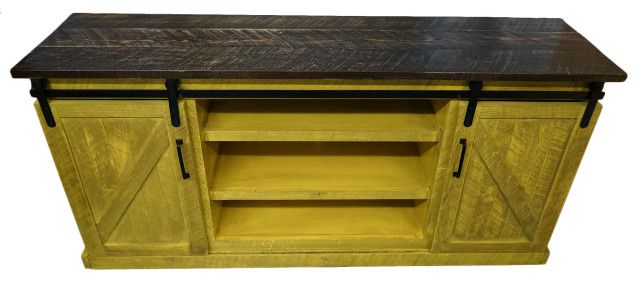
There’s something magical about rustic home accents that seem to tell stories of simpler times. But when you’re crafting these beautiful pieces, durability matters just as much as aesthetics. What good is a stunning wooden table if it breaks after a few months? The right materials make all the difference in creating lasting rustic charm.
Rustic home accents have a special way of making spaces feel lived-in and welcoming. Whether you’re adding a weathered barn door to your entryway or crafting a farmhouse-style dining table, the materials you choose determine whether your pieces will stand the test of time or fade away quickly. Think about it – how many times have you seen a beautiful wooden accent that looked great but couldn’t handle daily wear? The secret lies in understanding what materials work best for rustic design while still being tough enough for real life.
Wood: The Heart of Rustic Design
Wood remains the cornerstone of rustic home accents. It brings warmth, texture, and that classic farmhouse appeal that everyone loves. When selecting wood for your rustic projects, consider both hardwoods and softwoods, each offering unique benefits.
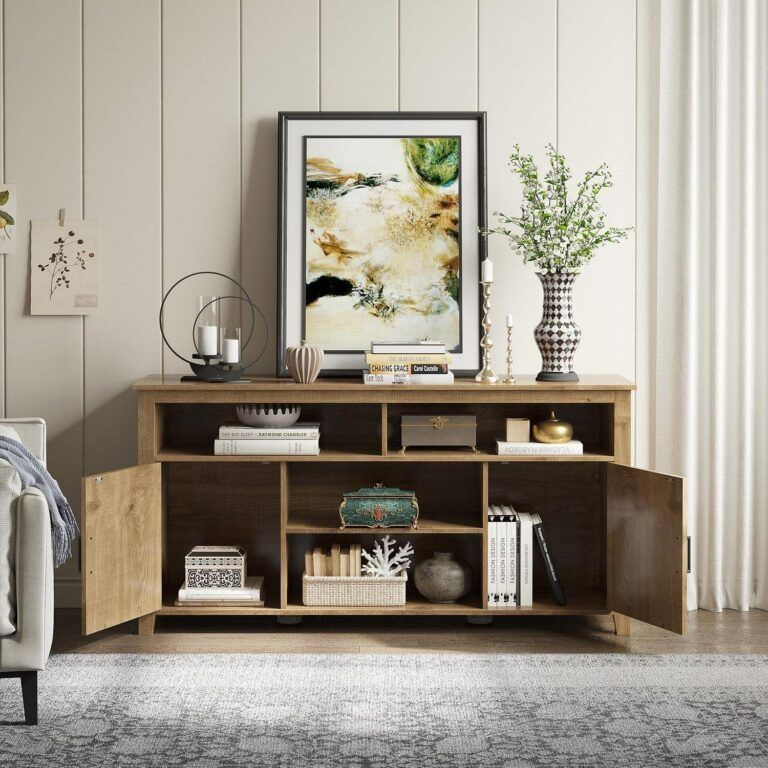
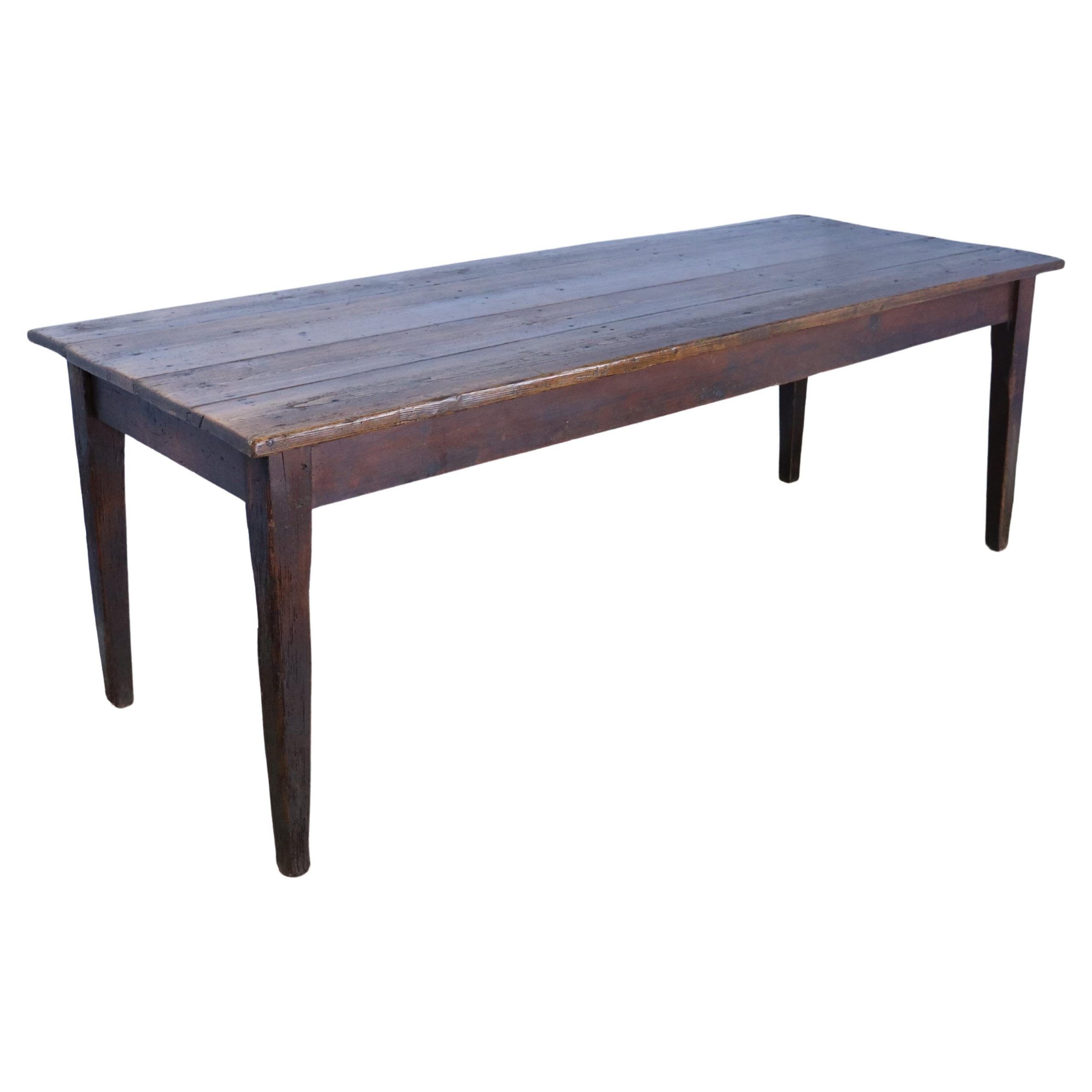
Hardwoods like oak, maple, and ash provide exceptional strength and durability. They resist dents and scratches better than softer woods, making them ideal for high-traffic areas like dining tables or kitchen islands. Oak, in particular, has a rich grain pattern that becomes more beautiful with age.
Softwoods such as pine and cedar offer their own advantages. They’re often more affordable and easier to work with, especially for DIY projects. Pine has a lovely natural patina that many find appealing, while cedar brings a distinctive aroma that some people find comforting.
Don’t forget about reclaimed wood. This material adds incredible character and tells stories of its previous life. Reclaimed timber from old barns, factories, and warehouses often features unique nail holes, weathering, and imperfections that give pieces authenticity and charm. Just remember to properly treat reclaimed wood to ensure it’s safe for indoor use.
Metal: Strength Meets Character
Metal elements add industrial strength and visual interest to rustic designs. From iron and steel to copper and brass, different metals bring their own personalities to home accents.
Iron and steel are popular choices for rustic hardware and fixtures. They’ve been used in farming and rural settings for generations, so they naturally fit the aesthetic. These metals can be left raw to develop a beautiful patina over time, or treated with finishes that highlight their natural strength.
Copper and brass offer a warm, golden glow that complements rustic color schemes beautifully. They’re particularly popular for light fixtures, doorknobs, and decorative accents. While these metals require more maintenance to prevent tarnishing, they develop a lovely aged appearance that many people find attractive.
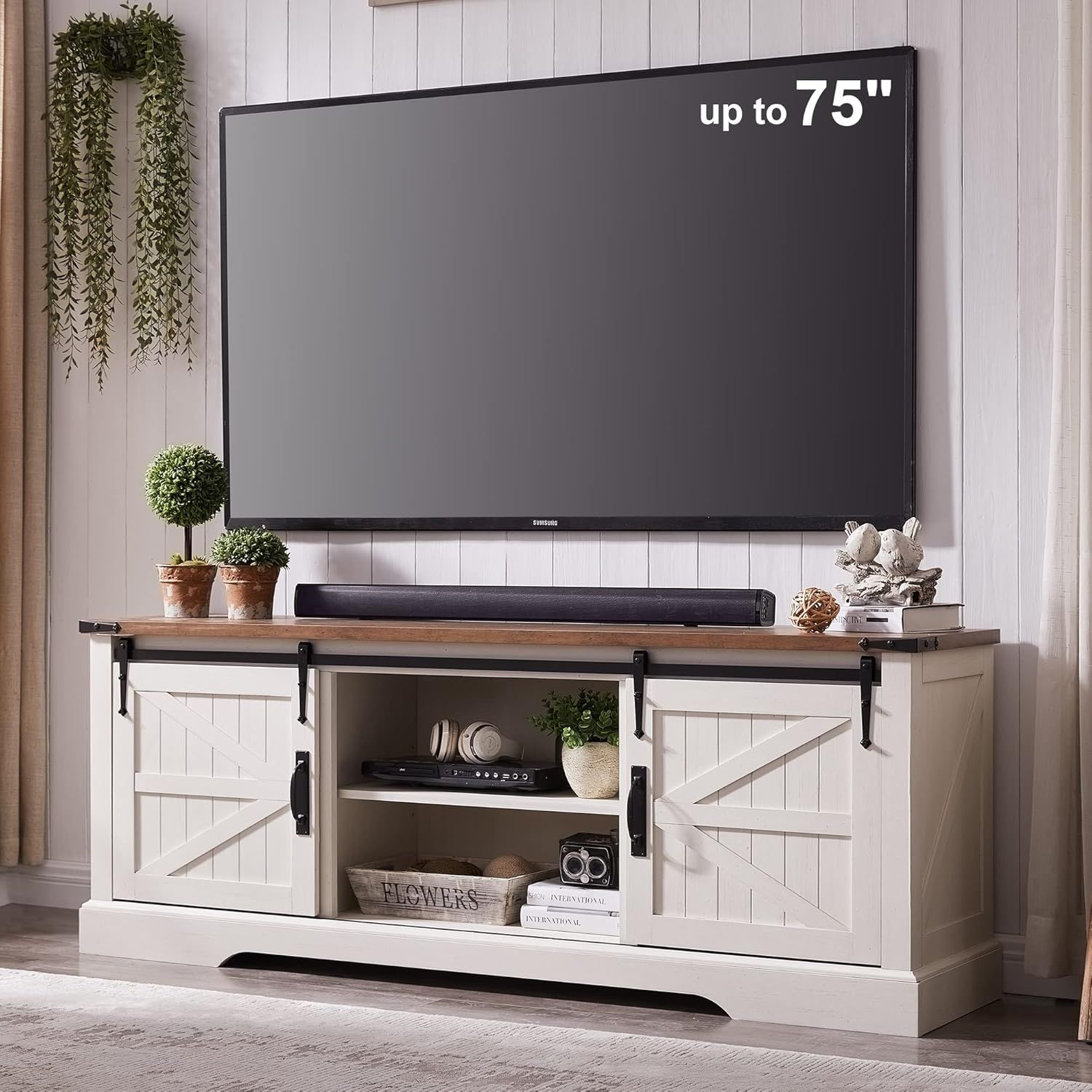
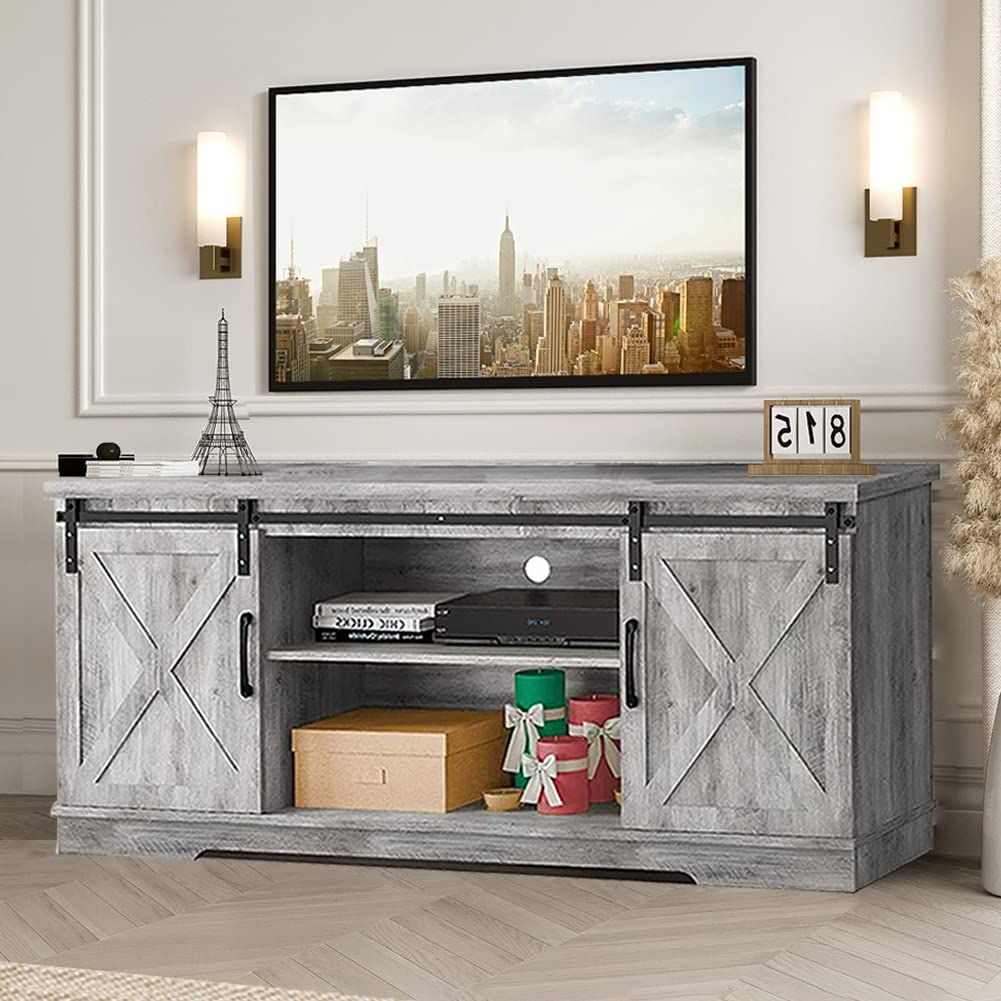
Consider using metal in combination with wood. A rustic coffee table with metal legs creates a perfect balance between natural warmth and industrial strength. The contrast makes the piece more interesting and visually dynamic.
Stone and Natural Elements
Stone brings an earthy, grounded quality to rustic home accents. Whether you’re working with natural stone, concrete, or stone-effect materials, these elements connect your space to nature.
Natural stone like limestone, slate, or sandstone offers unique textures and colors that vary from piece to piece. These materials are extremely durable and can handle heavy use. They’re excellent for accent walls, fireplaces, or countertops. The irregular shapes and natural veining of stone add character that’s hard to replicate with manufactured materials.
Concrete has become increasingly popular for rustic applications. It’s versatile, affordable, and can be finished in various ways to achieve different looks. Smooth concrete works well for modern rustic designs, while textured concrete can mimic natural stone.
Other natural elements like brick, driftwood, or even shells can enhance rustic themes. These materials often require minimal processing, preserving their natural beauty and authenticity.
Fabric and Textile Considerations
While rustic design often focuses on natural materials, fabrics play a crucial role in creating comfort and atmosphere. The right textiles can tie together your entire rustic aesthetic.
For upholstery and drapery, consider natural fibers like linen, cotton, and wool. Linen has a beautiful texture and ages gracefully, developing a soft, lived-in look. Cotton provides excellent durability and comes in many patterns and colors suitable for rustic themes. Wool adds warmth and insulation, making it perfect for throw blankets and cushions.
Textiles in rustic settings often feature patterns like plaid, gingham, or floral designs. These patterns celebrate traditional craftsmanship and add visual interest without overwhelming the space. Choose fabrics with moderate stretch and good drape for comfortable seating.
Don’t overlook the importance of texture. Rugs made from jute, sisal, or wool can anchor a room and add tactile interest. These materials are also naturally durable and can handle foot traffic well.
Finishes and Treatments Matter
The way you finish your materials can make or break the durability of your rustic accents. Proper finishing protects against wear, moisture, and environmental factors while maintaining the natural appeal.
For wood projects, consider using natural oils like linseed oil or tung oil instead of harsh chemical finishes. These products penetrate the wood grain and provide protection without altering the natural look. They’re particularly good for items that see frequent use.
Staining wood can enhance natural grain patterns while providing additional protection. Choose stains that complement your overall color scheme. Darker stains can hide scratches and wear better than lighter ones.
Metal pieces often benefit from protective coatings or patinas. Some people prefer the raw look of untreated metal, while others want to protect against rust or corrosion. The choice depends on your environment and desired aesthetic.
Remember that proper preparation is key. Clean surfaces thoroughly before applying any finish, and follow manufacturer instructions carefully. Quality application techniques will ensure your pieces last for years.
Practical Tips for Material Selection
Choosing the right materials for durable rustic home accents requires balancing several factors:
• Consider the intended use and location of each piece. Kitchen items need more durability than decorative wall art.
• Think about maintenance requirements. Some materials require regular care while others are more low-maintenance.
• Factor in your budget. Natural materials like solid wood and stone tend to be more expensive than alternatives.
• Evaluate the climate in your area. Humidity and temperature changes affect how materials perform over time.
• Test samples before committing to large projects. This helps you understand how materials behave in your specific conditions.
The most successful rustic accents combine multiple materials thoughtfully. A wooden dining table with metal hardware, stone accents, and natural fabric seating creates layers of interest and durability. Don’t be afraid to mix materials as long as they complement each other aesthetically and functionally.
Creating durable rustic home accents isn’t just about picking pretty materials – it’s about choosing wisely to ensure your beautiful pieces last. When you consider wood types, metal properties, natural elements, fabric characteristics, and finishing techniques together, you build pieces that honor the rustic tradition while standing up to everyday life. The key is matching material properties to their intended use, understanding how different elements interact, and investing in quality construction methods. Whether you’re building a custom piece or shopping for ready-made accents, these principles will help you select materials that bring lasting beauty to your home. Remember, the best rustic pieces aren’t just about looking old – they’re about feeling strong and enduring through years of use.