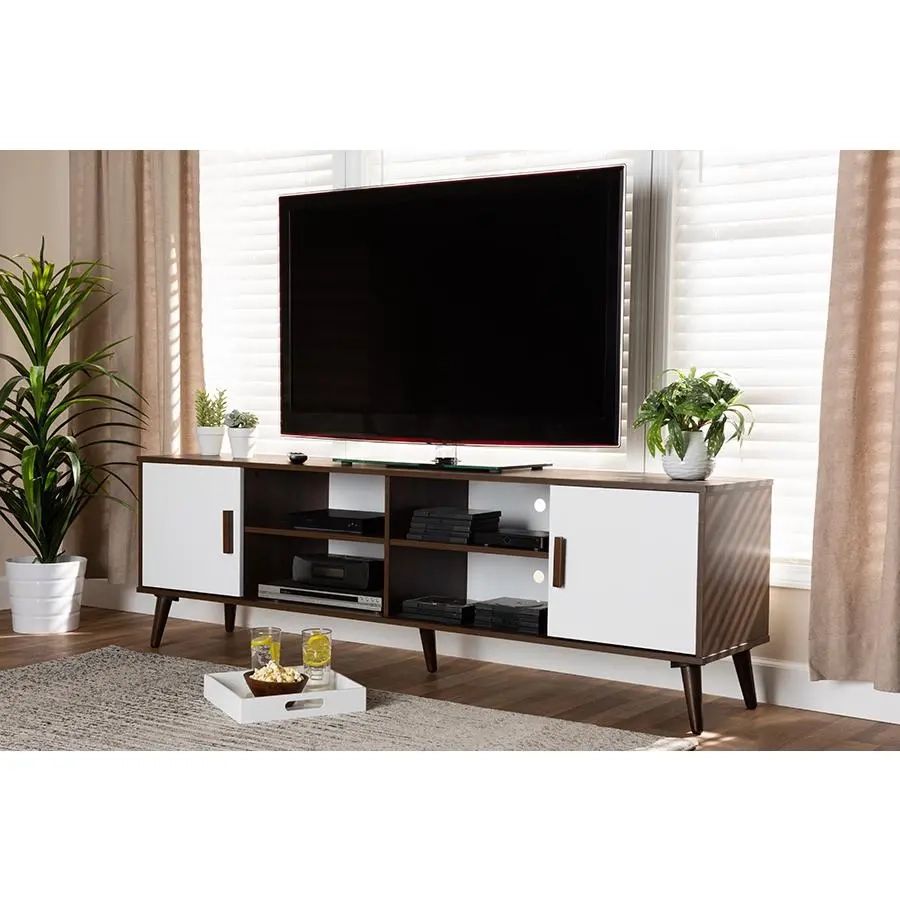
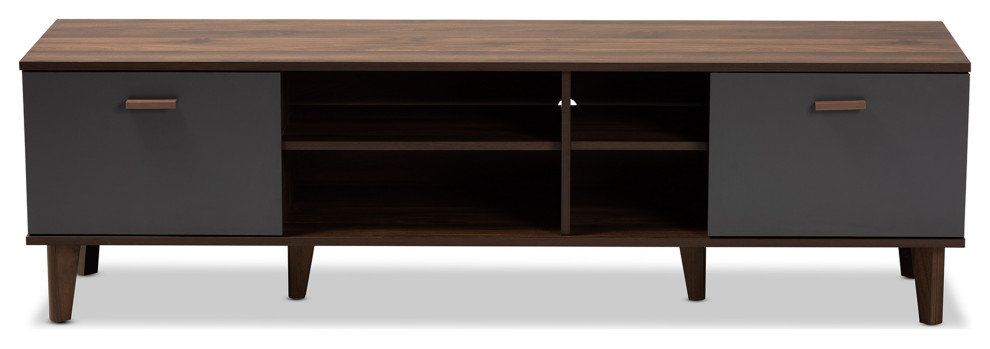
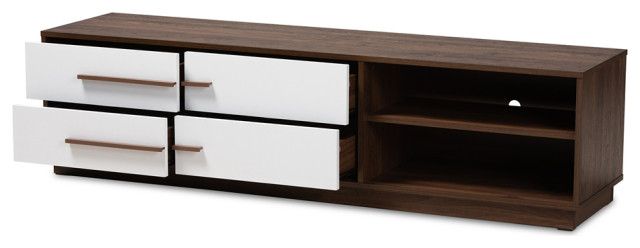
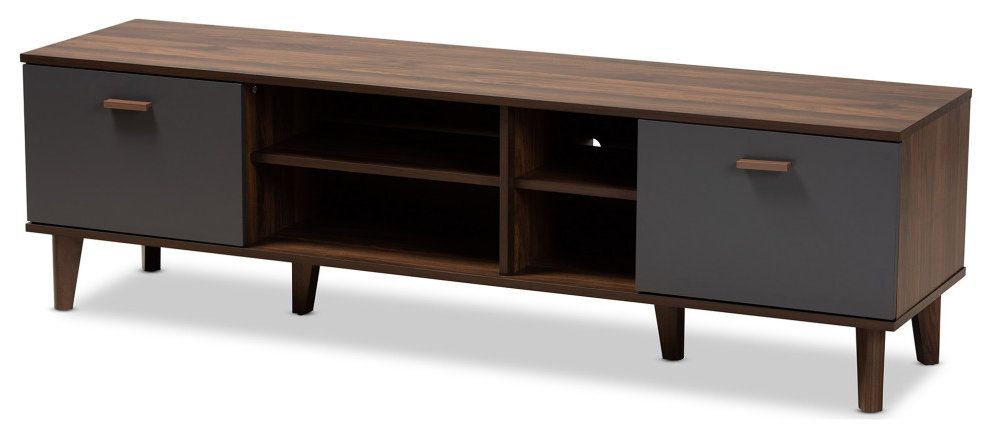
Picture this: a cozy living room filled with warmth, where a beautifully crafted wooden TV stand sits proudly at the center of attention. This isn’t just furniture – it’s a conversation starter, a testament to craftsmanship, and a bridge between past and present. For decades, Farrelly’s iconic collection has redefined what it means to showcase a television in style. But how did we get here? What stories do these wooden masterpieces tell about our changing tastes and lifestyles?
When you think of wooden TV stands, your mind probably jumps to simple, functional pieces that simply held a screen. But Farrelly’s collection tells a different story entirely. These aren’t just storage solutions – they’re artistic expressions that have evolved alongside our homes and our desires for beauty. From the early days when every piece was handcrafted with care, to today’s sophisticated designs that blend traditional techniques with modern innovation, each stand carries a legacy worth exploring. What started as basic support systems has transformed into statement pieces that define entire rooms.
The Early Days: Simple Beginnings
In the 1960s and 70s, wooden TV stands were all about function over form. These early pieces were built to last, using solid hardwoods like oak and maple. They featured straightforward designs with minimal ornamentation. The focus was on durability rather than aesthetics. Think of those classic rectangular boxes with simple shelves and basic drawer configurations. They weren’t flashy, but they were reliable. Many of these early stands had adjustable height features, allowing families to position their televisions at comfortable viewing levels. The craftsmanship was evident in every joint and every finish, showing respect for both materials and users.
The Golden Era: Artisan Craftsmanship
By the 1980s and 90s, Farrelly’s began to establish itself as a leader in wooden furniture design. This period marked a shift toward more elaborate craftsmanship. The company started incorporating curved elements and decorative inlays, making each piece feel like a work of art. Their stands featured intricate wood grain patterns, often highlighted with contrasting finishes. Some models included carved details that mimicked traditional woodworking techniques. The company’s commitment to quality meant that these pieces could last generations. Customers didn’t just buy furniture – they invested in heirloom-quality items that would be passed down through families.
Modern Innovation: Blending Tradition and Technology
As we moved into the 2000s, Farrelly’s faced new challenges and opportunities. The rise of flat-screen TVs meant that traditional bulky stands no longer made sense. The company responded by creating sleeker profiles that accommodated modern technology while maintaining their signature wooden appeal. They experimented with new wood types, including exotic species that brought unique colors and textures to their collections. Smart features like built-in cable management systems became standard. The stands evolved to serve multiple purposes beyond just holding a television – they became organizers for media equipment, speakers, and even decorative elements.
Sustainability Focus: Eco-Conscious Design
Today’s Farrelly stands reflect growing environmental awareness in the furniture industry. The company has embraced sustainable sourcing practices, using reclaimed wood and responsibly harvested timber. Many newer models feature eco-friendly finishes that don’t compromise on durability or appearance. The evolution includes modular designs that allow customers to customize their stands as their needs change. Some stands can be easily reconfigured or expanded, reducing waste and extending product lifespans. This approach appeals to consumers who want beautiful furniture without the environmental guilt.
Contemporary Trends: Minimalism Meets Personality
Current Farrelly collections show a preference for clean lines and understated elegance. Modern stands feature minimalist profiles that let the natural beauty of wood shine through. However, they still maintain enough character to make a statement. Popular trends include floating shelves that create visual lightness, integrated LED lighting for ambiance, and multi-functional storage solutions. The brand has also explored partnerships with contemporary designers, bringing fresh perspectives to traditional forms. These modern interpretations retain Farrelly’s core values while appealing to current aesthetic preferences.
The Future: Smart Integration and Personalization
Looking ahead, Farrelly’s approach continues to evolve with changing consumer habits. The integration of smart home technology into furniture design is becoming more common. Future stands might include wireless charging capabilities, built-in sound systems, or even connectivity features that enhance the viewing experience. Personalization options are expanding, allowing customers to choose specific wood types, finishes, and configurations. The company is also exploring how their stands can adapt to different room layouts and lifestyle changes, ensuring longevity in an ever-changing world.
The evolution of wooden TV stands from Farrelly’s collection represents much more than a simple product development story. It reflects how our relationship with technology, space, and design has changed over time. These stands have gone from being purely functional items to becoming integral parts of our living spaces. They’ve adapted to accommodate new technologies, respond to environmental concerns, and meet changing aesthetic preferences. Whether you’re considering a vintage Farrelly piece for your collection or looking at modern interpretations, these stands continue to prove that good design transcends trends. They’re not just places to put your TV – they’re expressions of personal taste, family heritage, and the enduring appeal of well-crafted wood. What will the next generation of wooden TV stands look like? Perhaps they’ll incorporate even more innovative features while keeping that essential connection to tradition and craftsmanship that makes them so special.