Picture this: you’ve finally created that dream home media room. The big screen, the surround sound, the comfortable seating. But wait – where do all your discs, games, streaming devices, and accessories go? It’s easy to get caught up in the excitement of the entertainment features and forget about the essential element that makes everything work seamlessly: smart storage and functionality.
When we think about home media rooms, our minds often race toward the flashy elements – massive screens, premium speakers, and the latest streaming gadgets. Yet, behind every great home theater experience lies something far more fundamental: thoughtful organization and smart storage solutions. Without proper planning, even the most impressive setup can quickly become chaotic and frustrating. We’re talking about those moments when you can’t find that one movie disc, or worse, when you’re searching for your remote control in a sea of cables and gadgets. The truth is, a well-organized media room isn’t just about aesthetics – it’s about maximizing your entertainment experience and reducing daily stress. Whether you’re a casual viewer or someone who lives and breathes movies and gaming, the way you approach storage and functionality can make or break your home theater enjoyment. Let’s explore how to turn your space from cluttered chaos to perfectly organized perfection.
The Foundation of Smart Media Room Design
Before diving into specific storage solutions, it’s crucial to understand the basic principles of media room design. Think of your space like a well-run restaurant – everything needs its place and purpose. Start by evaluating your actual needs. How many movies do you own on physical media? Do you have a growing collection of video games? What types of streaming devices do you use regularly? Understanding these factors helps determine how much storage you’ll need and what kind of organization system will work best. Consider the flow of your space too. Where do you typically sit? Where do you move around the room? These practical considerations shape everything from furniture placement to cabinet positioning. The most important thing to remember is that your media room should feel intentional rather than haphazard. Every piece of equipment, every storage solution, and every design choice should serve a purpose. This mindset prevents the common mistake of overcomplicating things while ensuring you don’t overlook anything important.
Cable Management: The Unsung Hero of Organization
Let’s face it – cables are the bane of every media room. They tangle, they disappear, and they make everything look like a tech nightmare. But there’s hope! Effective cable management is the secret sauce that transforms a chaotic mess into a clean, professional appearance. The key is to plan ahead. Before installing anything, sketch out where each device will go and how cables will run. This simple step saves countless headaches later. Invest in quality cable management solutions like raceways, cable ties, and labeled cables. Labeling might seem tedious, but it’s invaluable when you’re troubleshooting or moving equipment. Consider using color-coded cables for different purposes – perhaps red for power, blue for audio, and green for video. This visual system makes it easy to identify what goes where at a glance. Another smart move is to route cables through walls or under floors when possible. This creates a clean look and protects your cables from damage. Remember, a well-managed cable system isn’t just about looking good – it’s about safety and longevity.
Storage Solutions That Actually Work
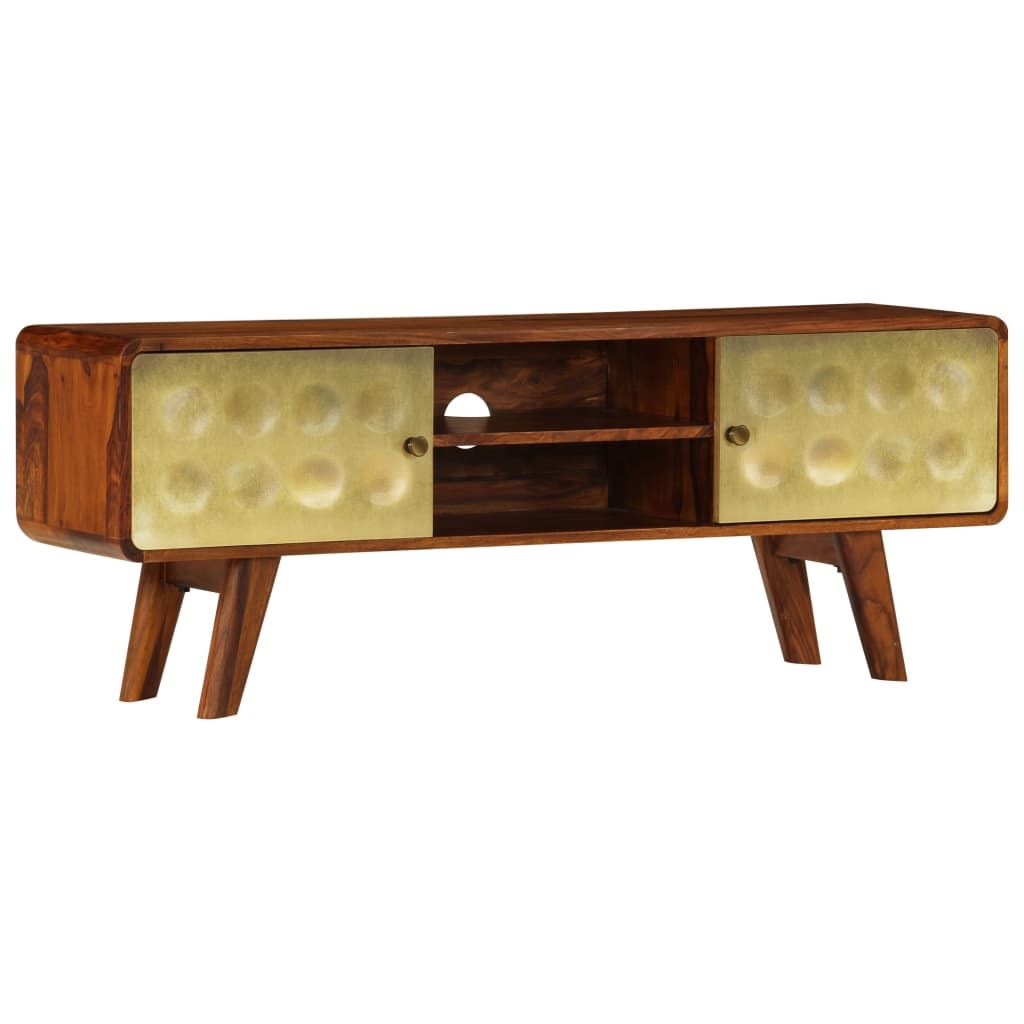
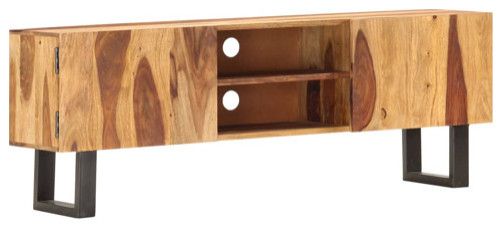
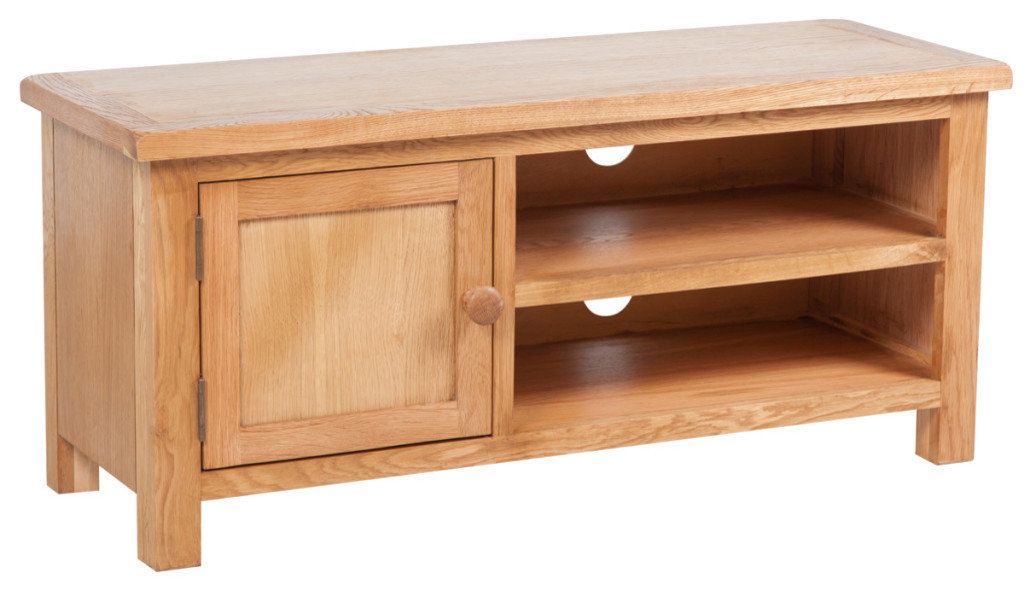
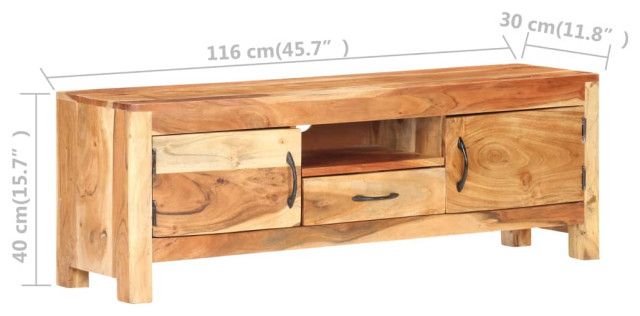
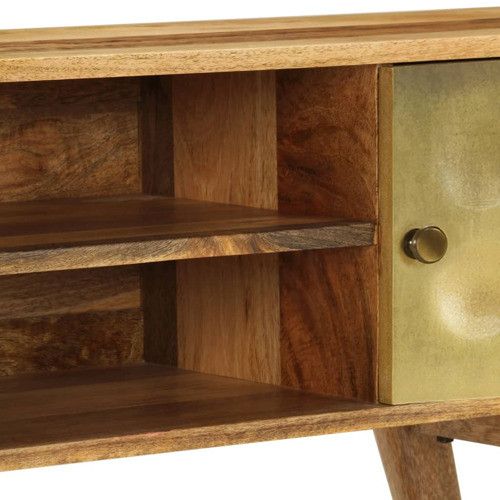
Storage in a media room comes in many forms, and finding the right combination requires balancing function with form. For physical media, consider vertical storage options like tall shelving units or specialized media cabinets. These keep your discs and games organized while making them easy to access. Don’t overlook the power of drawer systems – they’re perfect for smaller items like remotes, batteries, and accessories. Modular storage units offer flexibility as your needs change over time. Think about the materials too. Wood gives a warm, classic look, while metal offers durability and a modern aesthetic. Some people prefer open shelving for easy visibility, while others opt for closed cabinets to keep dust at bay. The right storage solution depends entirely on your personal preferences and lifestyle. A good rule of thumb is to keep frequently used items easily accessible, while storing less-used items in harder-to-reach places. Also, consider multi-functional furniture pieces – a console table with storage or a TV stand that doubles as a media center can save valuable floor space while providing practical storage.
Smart Technology Integration
Modern media rooms benefit enormously from technology that simplifies daily operations. Smart home integration can transform your entertainment experience from manual to seamless. Voice-controlled systems allow you to manage everything from lighting to volume with simple commands. Smart power strips can automatically shut off devices when not in use, saving energy and protecting equipment from power surges. Consider implementing a centralized control system that manages all your devices through one interface. This could be a universal remote, a smartphone app, or even a dedicated control panel. The goal is to reduce complexity and increase convenience. For example, instead of hunting for multiple remotes, you could have one device control your entire setup. Smart lighting systems can adjust based on what you’re watching, creating the perfect atmosphere for movies or gaming sessions. Automation features like scheduled power-on times for your equipment can make your routine much smoother. These technologies don’t have to be expensive either – many affordable options provide significant benefits without breaking the bank.
Practical Tips for Daily Maintenance
Even the best-designed storage systems require regular upkeep to remain effective. Establishing a simple maintenance routine prevents small issues from becoming major problems. Weekly checks of your cable connections ensure everything stays secure. Monthly cleaning of surfaces removes dust and keeps everything looking fresh. A quarterly deep clean of your storage areas helps prevent accumulated dirt and grime. Consider creating a simple inventory system for your media collection. This could be as simple as keeping track of what you have on paper or using a digital app to catalog everything. Having a designated spot for each item means you always know where to find things. This system becomes especially important when you’re dealing with multiple family members or guests using the space. Don’t forget to update your storage solutions as your needs change. What works for a small collection of movies may not work when you start collecting more games or streaming devices. Regular reassessment keeps your space functional and efficient.
Cost-Effective Approaches to Maximum Functionality
Creating an organized, functional media room doesn’t require a fortune. Many effective solutions come from creativity and smart shopping. Start with budget-friendly options like repurposing existing furniture for storage. Old bookcases can become media shelves, and dresser drawers can hold accessories. Look for sales and seasonal discounts on storage solutions – many retailers offer significant savings during certain times of year. DIY projects can add personality while saving money. Simple shelving units built with basic materials can match your room’s aesthetic while serving practical purposes. Consider second-hand options – thrift stores and online marketplaces often have excellent storage solutions at fraction of retail prices. Focus on the essentials first. You don’t need every possible storage solution immediately. Start with what you know you’ll use most, then expand gradually. Quality items that last longer often cost less over time than frequent replacements. Sometimes the most effective approach is to invest in one high-quality solution rather than several cheaper alternatives. Remember that the goal is functionality, not necessarily expensive features. A well-thought-out, simple storage solution often works better than an overcomplicated one.
Creating a media room that truly maximizes both storage and functionality is less about expensive equipment and more about thoughtful planning and practical solutions. The journey from chaos to calm begins with understanding your specific needs and designing around them. From managing those pesky cables to choosing the right storage solutions, every decision shapes your overall experience. Remember, the best media room isn’t necessarily the most expensive one – it’s the one that works perfectly for your lifestyle. Whether you’re a casual movie watcher or a serious gaming enthusiast, taking time to organize your space properly pays dividends in convenience and enjoyment. The key is starting small and building systematically. Don’t try to tackle everything at once. Focus on one area at a time, test what works, and refine your approach. Your future self will thank you for taking the time to create a space that’s both beautiful and functional. After all, the goal isn’t just to watch great content – it’s to enjoy it without the stress of searching for equipment or wrestling with tangled cables. When everything works together smoothly, your home media room becomes more than just a room – it becomes a sanctuary for entertainment and relaxation.