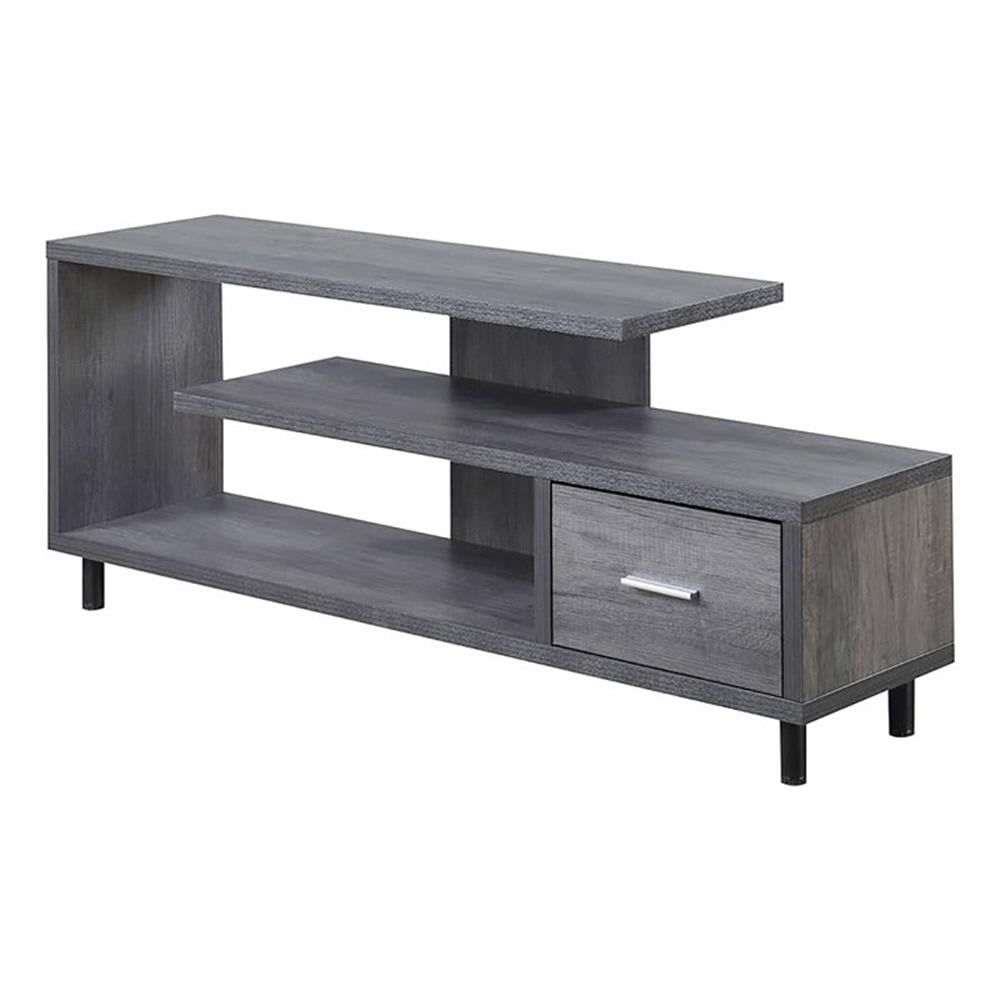
Think about your home. What makes it feel like your space? Is it the cozy couch, the sleek dining table, or maybe that one special chair that just fits perfectly in the corner? It’s not just about having things around you. It’s about how those things work together to make your home feel right. Contemporary furniture integration isn’t just about buying new pieces. It’s about creating harmony between form, function, and feeling.
In our modern world, homes have become more than just places to sleep and eat. They’re personal sanctuaries, creative studios, and social hubs all rolled into one. The way we arrange and choose furniture plays a huge role in how comfortable and functional these spaces feel. Contemporary furniture integration focuses on how different pieces work together to enhance rather than compete with each other. This approach doesn’t just make rooms look better—it makes them feel better too. When furniture is thoughtfully placed and chosen, it can transform a house into a true reflection of its owner’s lifestyle and personality.
The Evolution of Modern Furniture Design
Furniture hasn’t always been about looks and comfort. In fact, early furniture was primarily built for durability and basic function. But as societies evolved, so did our expectations. Today’s furniture designers think beyond just holding things. They consider how we move through space, how we want to interact with our environment, and what emotions certain shapes and materials can evoke. Contemporary furniture integrates seamlessly with existing architectural elements. Think of a coffee table that complements the room’s ceiling height or a dining chair that works well with both casual and formal dining setups. These designs reflect a shift toward multi-functional spaces where every piece serves more than one purpose.
Creating Visual Flow and Balance
One of the most important aspects of contemporary furniture integration is creating visual harmony. This means making sure that all the pieces in a room work together rather than fighting against each other. A room can quickly feel chaotic if there’s no balance between different sizes, colors, and styles. For example, a large, heavy-looking sofa might overwhelm a small living room unless paired with lighter, more delicate pieces. On the other hand, a minimalist room might benefit from adding a bold accent piece that draws attention without overwhelming the space. The key is finding the right mix that feels intentional rather than accidental.
Multi-Functional and Smart Furniture Solutions
Today’s furniture is getting smarter. No longer do we just have chairs and tables. We have modular systems that can change shape depending on what we need. Think about a coffee table that doubles as a storage unit or a dining table that expands when guests come over. These innovations save space while keeping everything functional. Smart furniture goes even further. Some pieces now incorporate lighting, charging ports, or even built-in speakers. These features aren’t just flashy—they actually improve how we live. A bed that can adjust its firmness or a desk that can raise and lower helps people adapt their environment to their changing needs throughout the day.
Material Choices That Reflect Lifestyle
What you choose to put in your home says a lot about who you are. Materials matter more than ever in contemporary furniture design. Natural materials like wood and stone bring warmth and authenticity to a space. They create a connection to nature that many people crave in their daily lives. Synthetic materials offer durability and easy maintenance. They’re great for busy families or people who want low-maintenance options. The best contemporary designs blend different materials to create interesting textures and contrasts. For instance, a wooden dining table with metal legs can add sophistication to a casual setting. Choosing materials that match your lifestyle ensures your furniture won’t just look good but also last long enough to become part of your story.
Technology Integration Without Losing Warmth
We live in a digital age, and technology is everywhere. But that doesn’t mean your home has to feel cold or sterile because of it. Contemporary furniture integrates tech in ways that enhance rather than dominate the space. Hidden cables, wireless charging surfaces, and smart lighting systems can all work together to keep your home looking clean and organized. The goal isn’t to hide technology completely but to make it invisible. When done right, technology becomes part of the furniture’s design rather than something added later. This creates a seamless experience where everything feels connected and purposeful.
Personalization Through Customization
Everyone’s living situation is unique. That’s why customization is becoming increasingly popular in contemporary furniture design. Custom pieces allow homeowners to express their individual style while meeting specific spatial needs. A custom bookshelf might fit perfectly in a narrow hallway, or a modular sofa could be shaped exactly to accommodate a family’s seating preferences. This personalized approach to furniture brings a sense of ownership and pride to the home. It also means that each piece is designed specifically for its intended space, making the whole room feel more cohesive and intentional.
Contemporary furniture integration isn’t just about buying new things. It’s about creating a living space that feels like it was made just for you. When furniture works together, it can make even the smallest apartment feel open and welcoming. It can transform a utilitarian kitchen into a place where people gather and connect. The best part? You don’t have to spend a fortune or completely renovate to see results. Small changes, thoughtful choices, and a willingness to think differently about how you use your space can make a big difference. Whether you’re designing a new home or refreshing an old one, remember that good furniture integration starts with understanding yourself and your lifestyle. The right pieces will make your home not just look better, but feel better too. After all, your living space should support your life, not complicate it.