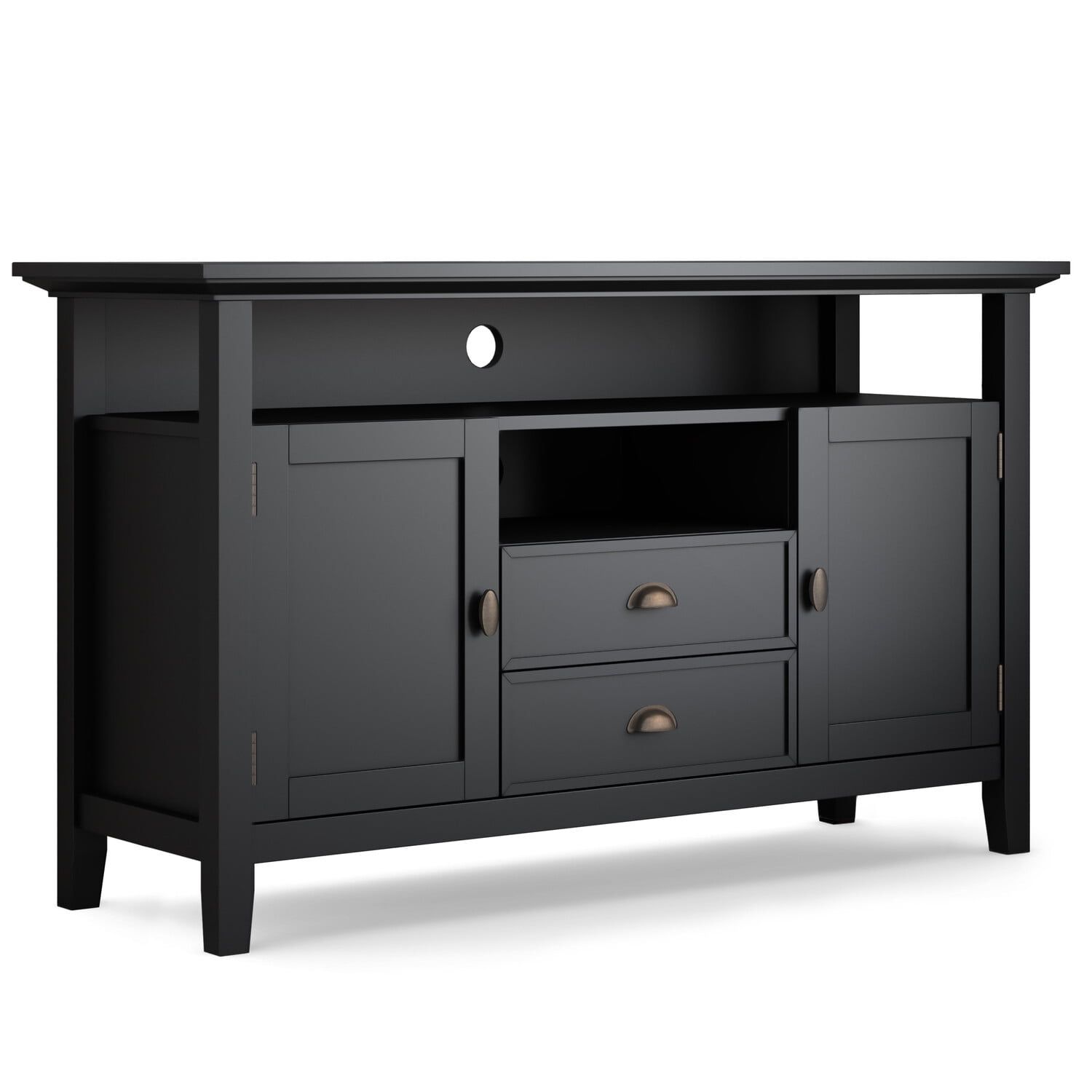
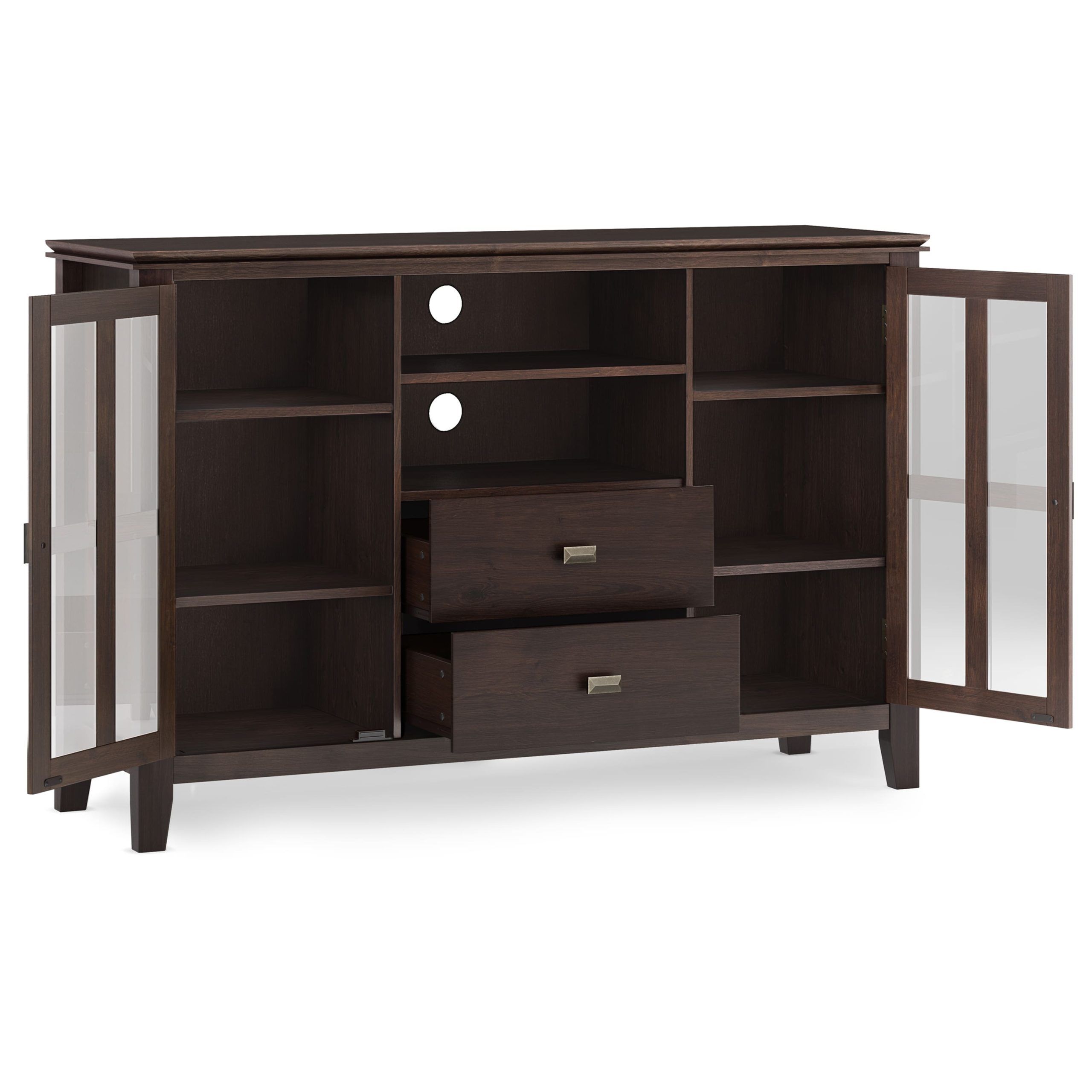
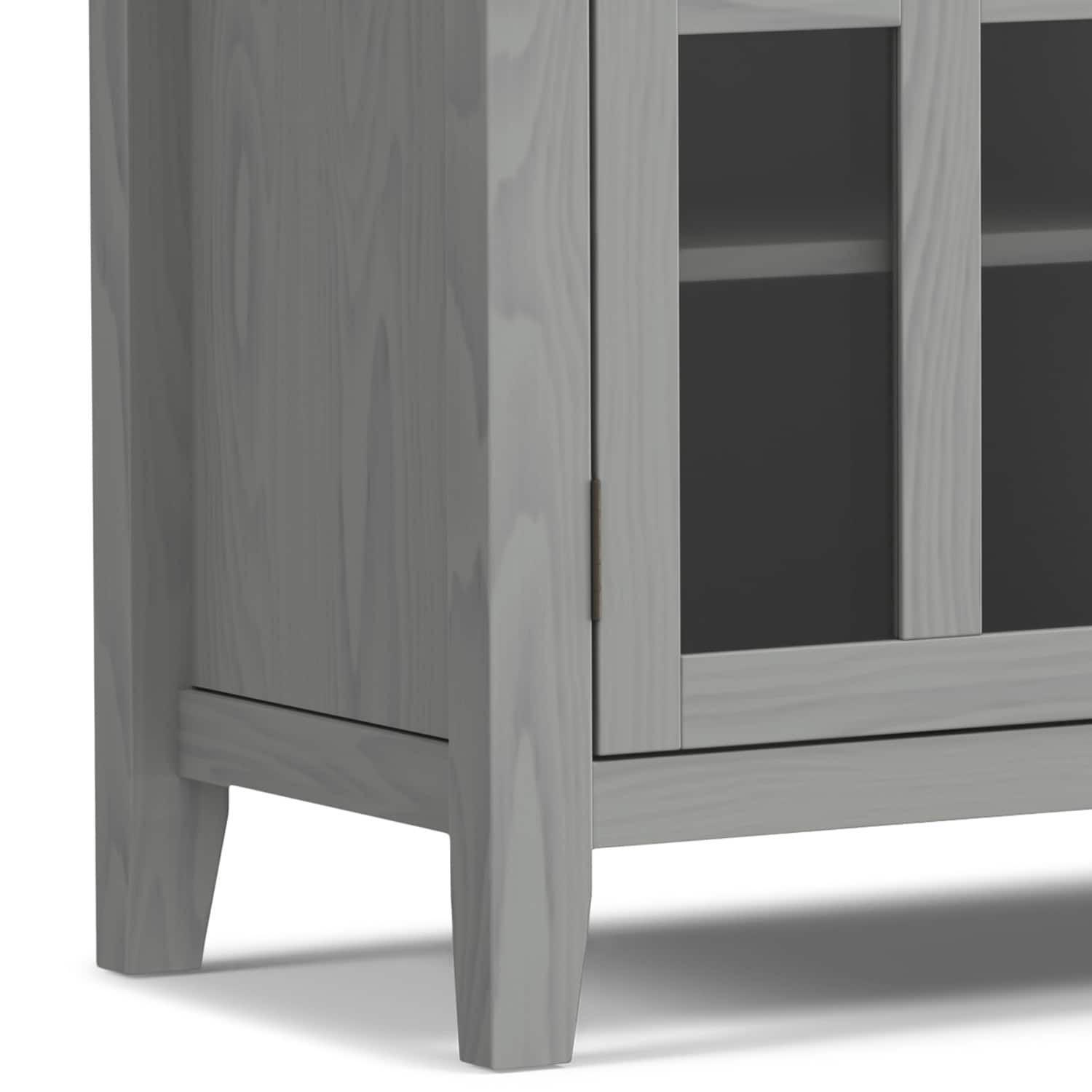
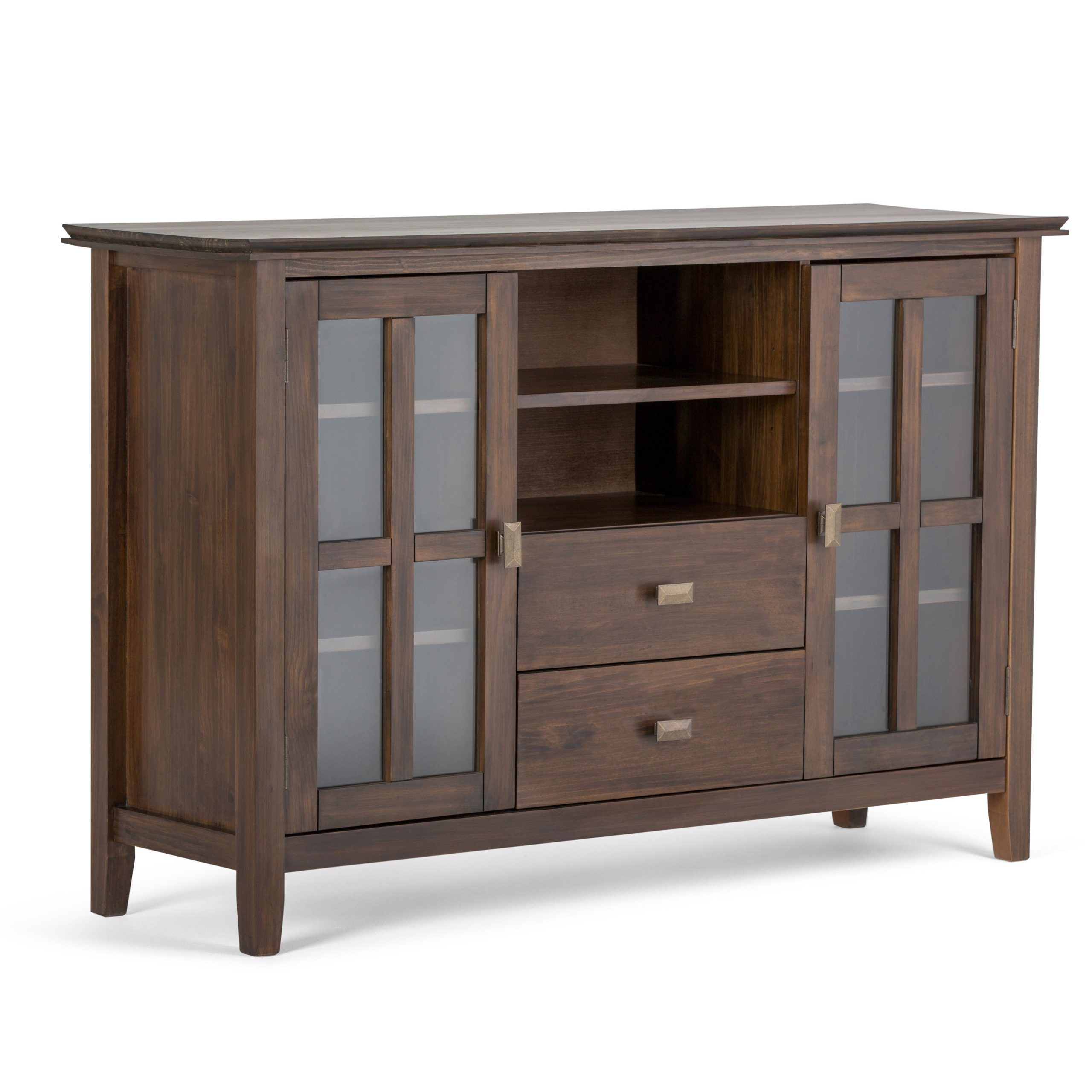
Picture this: a stunning wooden stand that perfectly cradles your television, speakers, or audio equipment. It’s not just furniture – it’s a work of art. What makes some media stands feel like they belong in a museum while others just look like generic storage? The answer lies in craftsmanship. Every element, from the grain of the wood to the precision of each joint, tells a story of dedication and skill.
When you think about media stands, most people imagine something functional – maybe a simple shelf or a basic platform. But premium solid wood media stands tell a different story entirely. These aren’t just pieces of furniture; they’re heirloom-quality items crafted with decades of accumulated knowledge and passion. What separates these exceptional pieces from the ordinary? It’s not just the wood itself, but the careful attention to detail that goes into every single component. From the initial selection of timber to the final finishing touches, there’s a methodical approach that transforms raw materials into lasting masterpieces. The craftsmanship involved is both ancient and modern, honoring time-honored traditions while incorporating contemporary design sensibilities.
Selecting the Perfect Wood
The journey begins long before any saws start moving. Premium media stands rely heavily on selecting the right wood species. Oak, maple, cherry, and walnut are favorites among master craftsmen. Each type brings unique characteristics to the table. Oak offers strength and durability, making it ideal for heavier equipment. Maple provides a clean, uniform appearance that works well in modern settings. Cherry develops a beautiful patina over time, while walnut offers rich color and excellent workability.
Craftsmen often source their wood from sustainable forests or reclaimed sources. They look for straight grain lines, minimal knots, and even moisture content. A piece of wood that’s too dry might crack, while one that’s too moist could warp. The wood must be properly seasoned – sometimes for months or even years – to reach optimal stability. This preparation phase alone can take weeks, but it’s essential for long-lasting quality.
Consider a craftsman who spends days inspecting logs before choosing just one piece for a custom order. He’s looking for imperfections that might compromise the final product. That attention to detail sets premium stands apart from mass-produced alternatives.
The Art of Joinery
What happens after the wood arrives? The joinery process reveals true craftsmanship. Traditional methods like mortise and tenon joints, dovetails, and scarf joints are still preferred over modern adhesives alone. These techniques require skill and patience, but they offer superior strength and longevity.
Mortise and tenon joints are particularly important in media stands because they distribute weight evenly across the structure. Imagine a stand that holds a heavy television – those joints must withstand constant stress. Dovetail joints, often seen in fine cabinetry, provide incredible resistance to pulling forces. The interlocking wedge-shaped elements create a mechanical bond that’s nearly impossible to separate.
Modern craftsmen don’t abandon technology completely. They use precision tools like routers and CNC machines to ensure consistent measurements. But the actual assembly relies on hand skills passed down through generations. A skilled craftsman can build a joint that will last centuries, while machine-made alternatives might fail within decades.
Some artisans still use traditional tools like hand planes and chisels to create the perfect fit. These tools demand years of practice to master, but they produce results that modern machinery simply cannot match.
Design Philosophy and Functionality
Great wood media stands balance aesthetics with utility. Designers consider how the stand will interact with the user’s environment and equipment. Will it accommodate a large flat-screen TV? How much space does the user need for cables?
A master craftsman thinks about ergonomics too. The height should allow comfortable viewing without straining the neck. The width needs to support all components without appearing top-heavy. Many designs incorporate hidden cable management systems that keep wires neat and out of sight.
Consider the difference between a standard shelf and a premium stand. One might simply hold items, while the other considers airflow for electronics, accessibility for maintenance, and visual appeal for the room. The best stands are designed to enhance rather than compete with the surrounding space.
Some craftsmen spend weeks sketching and refining designs. They might test multiple configurations, considering how light reflects off the wood grain or how shadows fall across surfaces. The final design isn’t just about looks – it’s about creating a seamless integration between form and function.
Finishing Techniques That Last
The finishing process can make or break a premium wood stand. A poorly applied finish will peel, fade, or chip within a few years. Professional craftsmen understand that finishing requires multiple steps and careful attention to environmental conditions.
Most high-end stands begin with sanding to a smooth surface. This isn’t just about removing rough spots – it’s about preparing the wood to accept the finish properly. Different grits are used progressively, from coarse to fine. Some craftsmen hand-sand certain areas to ensure smoothness.
The actual finishing involves several coats of protective material. Natural oils like tung oil or linseed oil penetrate deeply into the wood fibers. These products enhance the natural beauty while providing protection against moisture and wear. Shellac, varnish, and polyurethane offer different levels of protection and sheen.
Temperature and humidity play crucial roles during finishing. A craftsman might wait for specific weather conditions or work in climate-controlled environments. The finish must be allowed to cure fully, which can take days or even weeks. This extended curing time ensures maximum durability and aesthetic appeal.
Some artisans apply hand-rubbed finishes using soft cloths, creating subtle variations in appearance that give each piece its unique character. These touches make every stand distinctly individual.
Quality Control and Testing
Even the most experienced craftsmen subject their creations to rigorous testing. A premium media stand isn’t just built to look good – it must perform reliably under various conditions.
Weight testing is essential. Craftsmen simulate the weight of typical equipment and check for stability. They might place books or weights on the shelves to verify structural integrity. The stand should not wobble or creak under normal use.
Environmental testing includes checking how the stand handles temperature changes and humidity fluctuations. Wood naturally expands and contracts, so skilled craftsmen account for these movements in their designs. Some stands feature adjustable feet or sliding components that compensate for seasonal expansion.
Many craftspeople also conduct long-term tests. They leave finished pieces in various locations to observe how they age. Does the finish hold up against daily use? Do the joints remain tight over time? These observations guide improvements in future designs.
Quality control extends beyond physical testing. Craftsmen examine each piece carefully for flaws or inconsistencies. They scrutinize the wood grain patterns, check alignment of components, and verify that all hardware is properly installed. Every detail matters in premium craftsmanship.
Preserving Timeless Craftsmanship
Today’s fast-paced world often favors quick solutions over quality. But premium solid wood media stands represent a counterpoint to this trend. They remind us that some things are worth taking time to do properly.
These stands often become family heirlooms. Parents pass them down to children, who then pass them to their own families. The craftsmanship becomes part of the family story, connecting generations through shared values of quality and durability.
Modern consumers are increasingly seeking authentic experiences. They want products that reflect genuine skill and care. Premium wood stands satisfy this desire by offering something that cannot be mass-produced. Each piece carries the personal touch of its creator.
The craft also supports local economies. Skilled artisans often source materials locally, work in small workshops, and provide personalized service. When someone buys a premium stand, they’re investing in community-based craftsmanship rather than factory production.
Despite technological advances, many craftsmen continue using traditional methods. They understand that these approaches have been refined over centuries and often produce better results than modern alternatives. The combination of old wisdom and new tools creates something truly special.
Premium solid wood media stands are more than mere furniture – they’re expressions of dedication and skill. Every aspect of their creation tells a story of commitment to excellence. From selecting the perfect timber to applying the final finish, each step requires careful consideration and precise execution. The craftsmanship involved isn’t just about making something that looks good; it’s about creating something that will serve its purpose for decades to come. These stands represent a bridge between past and present, honoring traditional techniques while meeting modern needs. They remind us that in a world of instant gratification, there’s still tremendous value in taking time to create something truly exceptional. Whether you’re a collector, a home enthusiast, or simply appreciate fine workmanship, understanding the effort that goes into premium wood stands adds appreciation for the artistry involved. The next time you see one, remember that behind it sits countless hours of skill, patience, and love for the craft.